
TL;DR
Open a free Amazon Business account
Business pricing, bulk buying and tax-exempt orders.
Create a free accountAs an affiliate, we earn on qualifying purchases.
Replacing turf with well-chosen ground covers cuts down on mowing, watering, and fertilizing. Proper selection and preparation lead to a lush, durable landscape that’s easier to care for long-term.
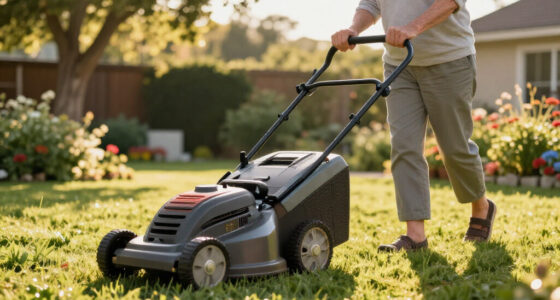
Imagine a yard where you hardly ever mow. No more noisy gas trimmers, no more endless edging. Instead, your landscape bursts with textures, colors, and life—all while demanding less work from you.
Switching from turf to ground covers isn’t magic; it’s smart planning. You’ll learn which plants fit your site, how to prepare the ground, and what ongoing care really looks like. With a little effort upfront, your yard becomes a peaceful, sustainable retreat that’s kind to your schedule and the planet.
Match ground covers to your yard’s actual conditions—soil, sun, traffic, and shade matter.
Preparation and weed control are critical during the first year to ensure successful coverage.
Ongoing maintenance focuses on weed control, occasional trimming, and monitoring pests—not mowing.
Native plants and regionally adapted species support local wildlife and reduce water use.
A phased approach makes replacing lawn manageable and more successful.
Easy-Care Ground Covers Instead of Mowing
Imagine a yard where you hardly ever mow—no gas trimmers, no endless edging. Replacing turf with well-chosen ground covers cuts watering, fertilizing, and mowing while adding texture, flowers, and habitat. It isn’t magic; it’s smart planning: match plants to your site, prepare the ground, and give smarter (not harder) care.
“‘Low maintenance’ doesn’t mean ‘no work.’ It means smarter work—focusing on weeds and repairs rather than mowing and fertilizing.”
Match the Plant to Your Yard’s Actual Conditions
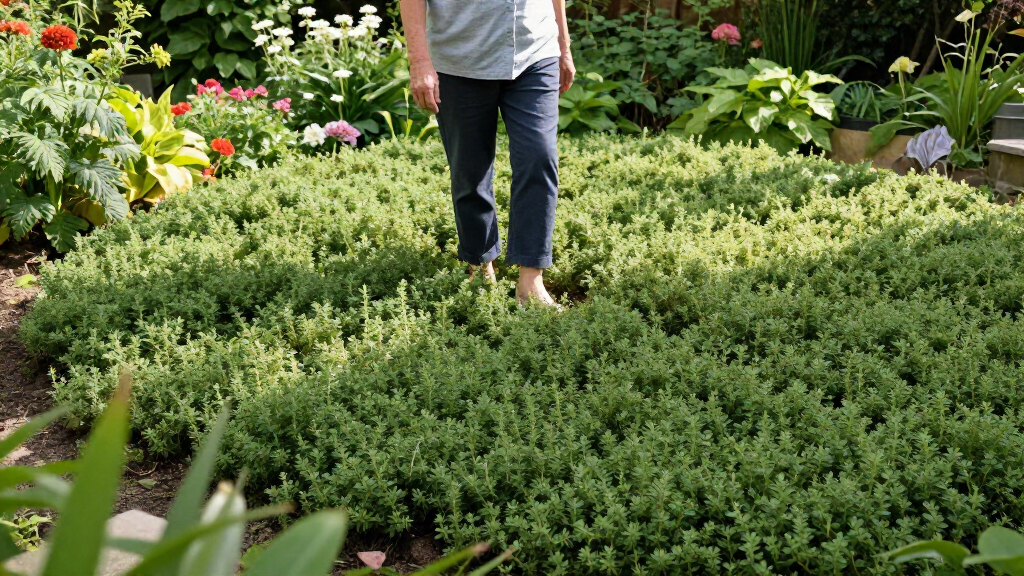
A plant that is effortless in one region may struggle—or turn invasive—in another. Before buying anything, observe your yard across seasons: sun exposure, soil moisture and drainage, foot traffic, slope, tree-root competition, and browsing deer or rabbits. Creeping thyme thrives in dry sunny spots and tolerates footsteps; woodland sedges prefer moist shade under trees.
Full Sun, Partial, or Deep Shade
Track sunlight through the seasons. Sedum and creeping thyme love baking sun; sedges and woodland plants excel where grass thins out under trees.
Moist, Well-Drained, or Wet
A moisture-loving sedge in dry sun means poor growth; a drought-tolerant cover in a wet spot wastes its talent. Drainage guides the palette.
Feet, Slopes, and Browsers
Dense-rooted sedges stabilize slopes; thyme and self-heal handle light foot traffic. Deer and rabbit pressure narrows the plant list further.
Match the Cover to How You Use the Space
Ground covers are not universally interchangeable with turf. Most broadleaf covers tolerate less repeated traffic than lawn grasses, so pair plants with purpose—pavers for predictable routes, flowering perennials for show, and turf or engineered surfaces where kids actually play.
| Site or Goal | Recommended Ground Covers | Important Cautions |
|---|---|---|
| Decorative zones | Creeping phlox, flowering perennials, low shrubs | Flowering plants attract bees—plan seating accordingly |
| Light foot traffic | Creeping thyme, self-heal, low sedges | Use pavers for predictable walking routes |
| High-traffic paths | Paver-lined walkways with resilient covers | Balance aesthetics with durability; invest in edging |
| Slopes & erosion | Dense-rooted natives, erosion-control mixes | Avoid locally invasive species—check guidelines |
| Shade under trees | Carex sedges, woodland plants | Establishment is slow; root competition means patience |
| Play areas | Turf or engineered surface | Ground covers rarely survive sports-level traffic |
From Lawn to Ground Cover, Step by Step
Establishment is the most labor-intensive part—plan for it, and the years after get dramatically easier. Remove turf thoroughly, plant densely, and control weeds relentlessly in season one.
Observe the Site
Map sun, moisture, traffic, and slope across seasons before choosing plants.
Remove Turf
Sod removal, sheet mulching with cardboard, or solarization in hot sunny climates.
Plant Densely
Close spacing costs more upfront but fills in faster and suppresses weeds sooner.
First-Year Care
Water regularly and weed often—this head start minimizes long-term effort.
Light Upkeep
Established covers need only weeding, drought watering, and occasional trims.
What Maintenance Looks Like — and What It Doesn’t
Once established, care shifts from heavy digging to light, regular attention: pulling weeds before they seed, watering during drought, trimming away from paths, and monitoring pests. No mowing. No fertilizer. No gas-powered equipment.
Benefits of Replacing Lawn with Ground Covers
A diverse tapestry of plants delivers what a monotonous lawn can’t: seasonal flowers, berries, fragrance, and habitat—while demanding far less of your schedule and your local watershed.
Hours Reclaimed
A native sedge lawn trimmed once a year saves the hours a weekly mowing schedule consumes—no gas mowers, no noisy blowers.
Habitat & Biodiversity
Native covers support local bees, butterflies, and birds, and can cut water use by up to half compared with traditional turf.
Erosion Control & Interest
Dense roots hold slopes and shaded ground where grass fails; fragrant thyme and seasonal texture add a sensory layer grass never offers.
Five Rules for Success
Match covers to your yard’s real conditions—soil, sun, traffic, and shade.
Weed control and preparation in year one decide whether coverage succeeds.
Ongoing care means weeding, trimming, monitoring pests—never mowing.
Native and regionally adapted species cut water use and feed local wildlife.
A phased approach makes lawn replacement manageable and more successful.
How to Pick the Perfect Ground Cover for Your Yard’s Conditions
The first step is matching plants to your yard’s actual conditions. No matter how charming a ground cover is in a nursery, if it’s planted in the wrong spot, it’ll struggle or become invasive.
Start by observing your yard through different seasons. Does it get full sun, partial shade, or deep shade? Is your soil moist, well-drained, or prone to standing water? Are deer browsing your plants or rabbits nibbling? These details matter.
For example, creeping thyme loves dry, sunny spots and even tolerates foot traffic. In contrast, woodland sedges thrive in shady, moist areas under trees. Knowing your site guides you to plants that will thrive with minimal fuss.
Understanding these conditions helps prevent costly mistakes later. For instance, planting a moisture-loving sedge in a dry, sunny spot will lead to poor growth and frustration, while choosing a drought-tolerant ground cover for a wet area can save water and reduce maintenance. The tradeoff is that some plants may need more time to establish or may not be as showy initially, but their resilience pays off over time.
native ground cover plants for landscaping
As an affiliate, we earn on qualifying purchases.
As an affiliate, we earn on qualifying purchases.
Matching the Ground Cover to How You Use the Space
Not all ground covers suit every purpose. Think about how you use each part of your yard before planting.
If you want a lush look in a decorative corner, consider flowering perennials like creeping phlox or low-growing native plants. For walkways, a durable, fragrant thyme or self-heal can handle occasional foot traffic. Slopes benefit from dense-rooted plants like certain sedges that stabilize soil.
For play areas, traditional turf or engineered surfaces work best. Using stepping stones surrounded by hardy ground covers creates a natural, inviting path that’s easy to maintain.
Here’s a quick guide:
- Decorative zones: flowering perennials, low shrubs
- Light use paths: creeping thyme, self-heal
- High traffic: paver-lined walkways with resilient ground covers
Choosing the right ground cover based on how you use the space ensures it will perform well and require less intervention. For example, a ground cover that tolerates foot traffic may still need occasional trimming or reinforcement with pavers if used intensively. The tradeoff is balancing aesthetics with durability, often requiring some initial investment in materials like pavers or edging to protect high-use zones.
low maintenance ground cover seeds
As an affiliate, we earn on qualifying purchases.
As an affiliate, we earn on qualifying purchases.
Getting Ground Covers Established Without Breaking Your Back
Establishment is the most labor-intensive part. It requires patience and care, but it’s worth it.
Start by removing existing turf and weeds thoroughly. Options include sod removal, sheet mulching with cardboard and mulch, or solarization in sunny climates. This clears the way for your new plants to settle in, reducing competition and weed invasion.
During the first year, expect to water regularly and weed often. Close spacing—planting plants just a few inches apart—may cost more initially but results in faster coverage and fewer weeds. Think of it as giving your ground cover a good head start, which minimizes long-term effort. If you plant too sparsely, you might face more weeds and longer establishment times, increasing maintenance efforts down the line.
For example, planting creeping thyme in a dense mat can fill in within a season if you give it consistent moisture and weed control during the first year. The tradeoff here is that closer planting requires more plants upfront but reduces the need for ongoing weed removal.
As an affiliate, we earn on qualifying purchases.
What Ongoing Maintenance Looks Like — And What It Doesn’t
Once your ground covers are established, maintenance shifts from heavy digging to regular, light care. You’ll need to pull weeds before they seed, water during droughts, and trim plants away from paths or structures.
Some ground covers, like creeping thyme, can be cut back once or twice a year to keep them tidy. Others, like sedges or native meadow mixes, may need little more than occasional weeding and monitoring for pests.
Remember, ‘low maintenance’ doesn’t mean ‘no work.’ It means smarter work—focusing on weeds and repairs rather than mowing and fertilizing.
For example, a native sedge lawn might only need a light trim once a year, saving you hours compared to weekly mowing. The tradeoff is that some ground covers may need periodic pruning or removal of dead material to look their best, but this is generally minimal compared to lawn care.
As an affiliate, we earn on qualifying purchases.
Popular Ground Covers for Different Sites and Uses
Choosing the right plant is key. Here’s a quick comparison of common ground covers based on site conditions and use:
| Site or Goal | Popular Ground Covers | Important Cautions |
|---|---|---|
| Sunny, dry areas | Creeping thyme, sedum, native perennials | Thyme dislikes wet soil; flowering plants attract bees |
| Partial shade | Geranium spp., woodland strawberry, self-heal, sedges | Some spread vigorously; monitor for overgrowth |
| Deep or dry shade | Sedges like Carex spp., woodland plants | Establishment can be slow; patience needed |
| Moist soil | Sedges, rushes, native moisture-loving plants | Avoid species intolerant of wet conditions |
| Light foot traffic | Creeping thyme, self-heal, low sedges | Use pavers for high-use zones |
| Slopes or erosion-prone areas | Native spreading plants, erosion-control mixes | Invasive species can threaten local ecosystems—check local guidelines |
Matching plants to your site’s specifics helps ensure success and reduces future effort. Understanding the tradeoffs—such as slower establishment in shady areas or the need for regular monitoring—can help you plan appropriately and avoid frustration later.
Benefits of Replacing Lawn with Ground Covers
Switching to ground covers offers many advantages. You’ll spend less time mowing and watering. As the plants mature, they often need fewer inputs—no more gas-powered mowers or noisy blowers.
Native ground covers support local bees, butterflies, and birds, creating a small but meaningful habitat. They also help prevent soil erosion, especially on slopes or under trees where grass struggles.
Plus, a diverse tapestry of plants brings seasonal interest—flowers, berries, textures—that a monotonous lawn can’t match. Your yard becomes a lively, welcoming space with less effort.
For example, a patch of creeping thyme not only stays green most of the year but also smells fragrant when stepped on, adding a sensory layer to your garden.
Watch Out for Pitfalls and How to Avoid Them
Not every ground cover is foolproof. Some can be invasive, and others may not tolerate your climate or soil. Be realistic about what plants can handle in your yard.
High initial costs for plants and site prep are common. Expect one to three years for full coverage. During this time, weeds can be persistent enemies, especially if the site isn’t well-prepared.
Heavy traffic areas are a challenge—many ground covers aren’t built for constant footfall. Use pavers or stepping stones to protect delicate plants.
In fire-prone regions, dry, tall vegetation can pose a hazard. Choose fire-resistant plants and keep the area clear of dead leaves and dry debris.
Always check local invasive species lists before planting—what’s native in one region may be invasive in another. Local guidelines help keep your yard healthy and compliant.
The tradeoff here is that some plants may require more careful placement or maintenance to prevent invasiveness or damage, but doing so ensures your landscape remains sustainable and safe.
Trends and New Ideas in Low-Maintenance Landscaping
Ground cover options are evolving. Native plants are gaining popularity for their resilience and wildlife benefits. Sedge lawns, like Carex species, are becoming a preferred alternative to traditional turf, especially in shaded or moist spots.
Gardeners now mix several species into ‘tapestry lawns’—a patchwork of plants offering seasonal color and resilience. Microclover and clover blends are also popular, reducing fertilizer needs and attracting pollinators.
Many communities promote water-wise landscaping, offering rebates or creating demonstration gardens. Phased conversions allow homeowners to replace lawn gradually, spreading out costs and effort.
Climate change influences plant choices—more drought-tolerant, heat-resistant species ensure your yard stays lush despite erratic weather. These innovations make low-maintenance landscapes more feasible and attractive than ever.
Your Step-by-Step Plan to Turn Lawn Into a Low-Maintenance Paradise
Ready to get started? Here’s a practical plan:
- Observe your yard: Note sun, shade, moisture, and traffic patterns across the seasons.
- Decide what to replace: Focus on less-used edges, slopes, or shady zones.
- Prepare your site: Remove turf and weeds thoroughly. Consider sheet mulching to kill grass gradually.
- Select plants: Choose native or regionally adapted ground covers suited to each site condition.
- Plant carefully: Space plants at recommended distances for quick coverage. Mulch lightly in between.
- Water and weed during establishment: Keep soil moist and remove weeds before they seed.
- Monitor and adapt: After a full season, evaluate what works and adjust as needed.
This phased approach makes your dream yard manageable and rewarding.
Questions You Might Have About Replacing Turf
Will ground covers completely eliminate mowing? Not always. Some, like creeping thyme, may need an annual trim. Others, like native sedges, might just need occasional clipping.
Can they withstand walking or play? A few tolerate light foot traffic, but most aren’t suited for daily play. Use pavers or stepping stones for busy zones.
How long until I see a full cover? Expect one to three growing seasons, depending on the plants and site prep.
Is removing turf necessary? Usually yes. Planting directly into turf often leads to persistent weeds and poor coverage.
Are ground covers cheaper long-term? They can be, once established, thanks to less mowing, watering, and fertilizing. But the initial setup costs are higher.
The tradeoff is that initial effort and investment can be higher, but the long-term benefits include reduced maintenance and a more resilient landscape.
Conclusion
Replacing turf with carefully chosen ground covers isn’t just about cutting your mowing time. It’s a chance to create a resilient, beautiful landscape that’s easier to care for—and kinder to your environment.
Start small, plan thoughtfully, and enjoy your yard’s new tapestry of textures and colors. Your future self will thank you for the effort—and the peaceful, lush space you’ve built.
Flea & tick season Picks
flea and tick prevention
As an affiliate, we earn on qualifying purchases.