TL;DR
Listen free for 30 days with Audible
Thousands of audiobooks and originals — cancel anytime.
Start your free trialAs an affiliate, we earn on qualifying purchases.
Most falls happen at home, often in bathrooms, stairs, or cluttered spaces. Simple modifications like better lighting, grab bars, and clutter removal can cut fall risk by up to 50%. Regular checks and smart tech add extra layers of safety.
Falls are a quiet threat lurking in every corner of your home. A loose rug, a dim hallway, or cluttered stairs can turn a cozy space into a danger zone in seconds. But the good news? Many hazards are easy to spot and fix.
In this guide, you’ll get a room-by-room walkthrough of how to make your home safer. Whether you’re living alone or caring for a loved one, these tips will help you stay active, independent, and injury-free in your favorite country home.
Install grab bars in bathrooms, near stairs, and in the entryway to provide stable support.
Remove clutter, secure rugs, and improve lighting in every room for easier navigation.
Regularly inspect your home for hazards like uneven floors, loose cords, or dark corners.
Use non-slip mats and textured surfaces in high-risk areas like kitchens and bathrooms.
Leverage modern tech, such as sensors and smart lighting, to add an extra safety layer.
How to Make Your Entryway Safer and Easier to Use
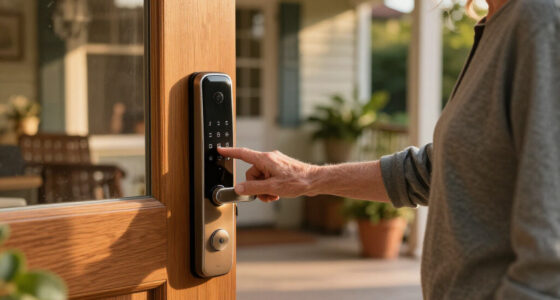
The entryway is the first place visitors—and hazards—arrive. A cluttered, poorly lit porch can trip you up before you even step inside. To improve safety, start with these simple fixes:
- Install sturdy handrails on both sides of steps.
- Use a non-slip doormat or rubberized tread.
- Ensure outdoor lighting is bright and motion-activated.
- Keep shoes, umbrellas, and packages organized in a designated spot.
Imagine stepping onto a warm, well-lit porch after a chilly evening—no worries about slipping or stumbling. These small adjustments make a big difference in fall prevention at the front door.

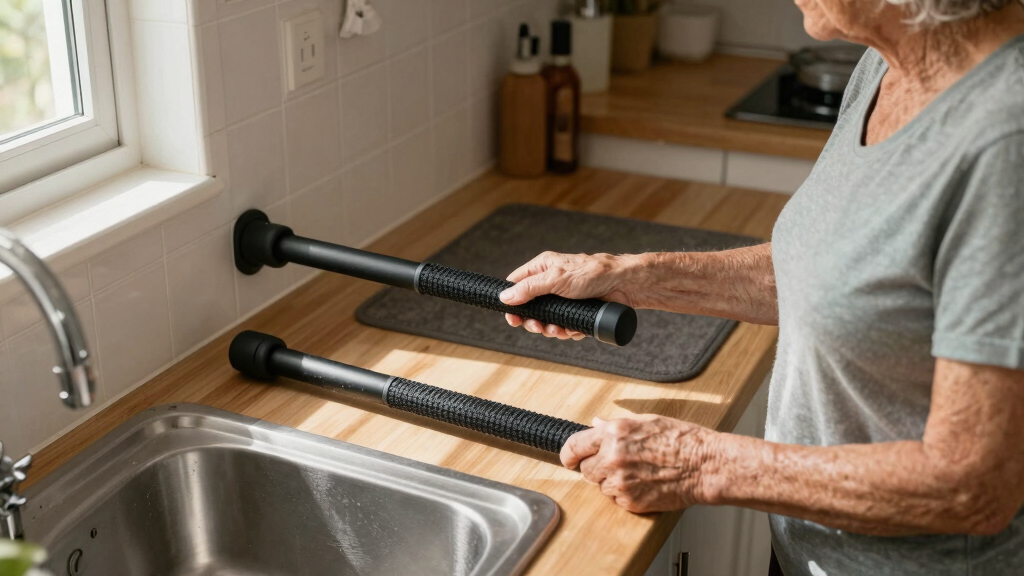
TAILI Grab Bars for Shower,Suction Shower Handles Rails,2 Pack,16.8",Grey
- Suitable Wall Types: Only for smooth, non-porous surfaces
- Easy Installation: Includes 2 suction cups with locking latches
- Removable and Reusable: No wall damage during installation or removal
As an affiliate, we earn on qualifying purchases.
As an affiliate, we earn on qualifying purchases.
Making the Living Room Safe and Comfortable
The living room is your cozy haven, but it’s also a common fall zone. Think of it as the heart of your home—where you relax and gather. To keep it safe:
- Secure all area rugs with double-sided tape or non-slip pads.
- Arrange furniture to create clear pathways—no sharp edges or tight corners.
- Use lamps and nightlights to brighten dark spots.
- Keep cords out of walkways to prevent tripping.
Picture walking to your favorite armchair on a softly lit evening—no slips, no trips. Creating a safe living room environment helps prevent accidental falls that could lead to injuries, especially as clutter or poor lighting can cause unexpected trips. Ensuring furniture is arranged for easy navigation reduces the likelihood of bumping into sharp edges or tripping over cords, which is critical for maintaining independence and confidence in your space.
As an affiliate, we earn on qualifying purchases.
How to Keep the Kitchen Safe and Functional
The kitchen is where you prepare meals, but it also harbors hidden hazards. Sharp knives, hot surfaces, and slick floors can all cause falls. Here’s how to make it safer:
- Use non-slip mats in front of the sink and stove.
- Keep frequently used items within easy reach—avoid step stools.
- Clean up spills immediately to prevent slips.
- Ensure good lighting over work surfaces and stovetop.
Imagine cooking a simple breakfast on a morning without worries—no slips, no burns, just the aroma of fresh coffee filling your kitchen. These tweaks not only prevent accidents but also make your kitchen more accessible and less stressful to navigate, especially for those with limited mobility or joint issues. Proper organization and good lighting reduce the need for risky reaching or bending, which can lead to falls, making daily tasks safer and more enjoyable.
As an affiliate, we earn on qualifying purchases.
Why Your Bathroom Needs Extra Safety Touches
The bathroom is the riskiest room for falls—wet floors, slippery tubs, and quick-take showers make it a hazard zone. To make it safer:
- Install grab bars near the toilet and inside the shower or tub.
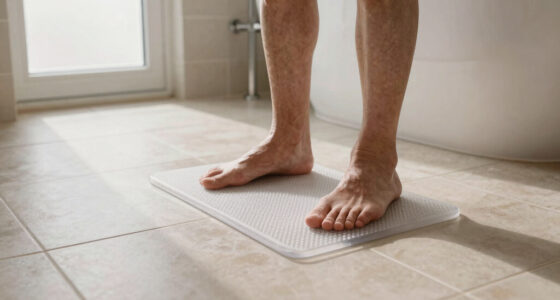
- Use non-slip mats inside and outside the tub or shower.
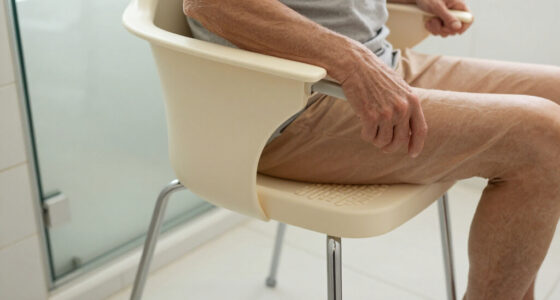
- Consider a shower seat for added stability.
- Ensure lighting is bright and switches are reachable from the shower.
Imagine stepping out of a warm shower onto a textured, non-slip mat—no sudden slips or falls. These small modifications can turn a risky bathroom into a safe sanctuary. Because bathrooms are often humid and wet, these safety features help prevent slips that could result in serious injuries, especially for those with balance issues or reduced mobility. Investing in grab bars and non-slip surfaces reduces the chance of falls during routine activities, providing peace of mind and safety for vulnerable users.
As an affiliate, we earn on qualifying purchases.
How to Keep the Bedroom Safe and Sleep Soundly
The bedroom is your nightly retreat, but poor lighting and clutter can cause nighttime falls. To improve safety:
- Use nightlights along hallways and around the bed.
- Keep pathways clear of clothes and furniture.
- Place a sturdy chair or step stool nearby if you need help getting in and out of bed.
- Choose a bed height that allows your feet to touch the floor comfortably.
Imagine waking up refreshed, knowing you can get in and out of bed safely—even in the dark. These simple steps are crucial because many falls happen during night-time movements when visibility is low. Adequate lighting and clutter-free pathways reduce the risk of tripping or stumbling over objects, which can cause injuries that threaten your independence and safety. Proper bed height and assistive aids like a step stool make it easier and safer to get in and out of bed, especially for those with mobility issues or joint pain, thereby enhancing overall sleep quality and safety.
How to Keep Stairs Safe and Easy to Navigate
Stairs are often where falls happen—especially if they’re dim, cluttered, or uneven. A safe staircase has these features:
- Secure handrails on both sides.
- Clear, non-slip treads or adhesive strips on each step.
- Good lighting—consider switch-controlled fixtures or motion sensors.
- Remove clutter and loose rugs from stairway area.
Imagine walking up or down with confidence, the soft glow guiding your steps. These simple changes can prevent many falls on the stairs. Proper lighting and secure handrails are especially crucial because stairs are a high-risk area for falls, often resulting in severe injuries. Eliminating clutter and loose rugs reduces tripping hazards, while textured or non-slip treads provide better footing. These modifications support safer mobility, reduce fear of falling, and help maintain independence in navigating your home’s vertical spaces.
How to Spot and Fix Hidden Hazards in Every Room
Regular safety checks are key to fall prevention. Look for:
- Loose rugs or torn carpeting.
- Clutter blocking walkways.
- Broken or uneven flooring.
- Dim lighting or dark corners.
- Items stored in high, hard-to-reach places.
Imagine walking through your home, noticing a loose rug or a cluttered corner—taking care of these hazards quickly keeps your home safe and inviting. Regular inspections are vital because many hazards develop gradually or are hidden behind everyday clutter. Failing to notice these can lead to trips or slips that cause injury. Addressing issues proactively—such as replacing worn flooring or securing loose rugs—reduces the risk of falls and creates a safer environment. Making these checks part of your routine ensures hazards are caught early, preserving your independence and peace of mind.
What New Tech Can Help Keep You Safe?
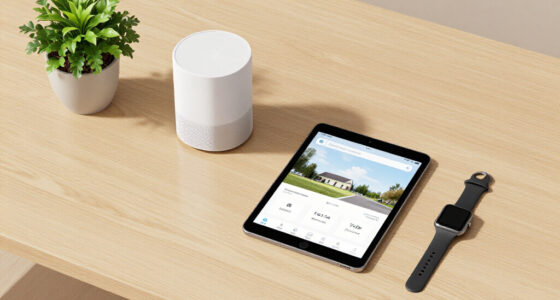
Modern technology offers smart solutions to catch falls early or prevent them altogether. Devices like sensors, motion detectors, and voice-activated systems can alert caregivers or emergency services if a fall occurs. For example, wearable devices with fall detection can automatically call for help.
Some homes now use smart lighting that brightens automatically when you enter a room, reducing the chance of missteps. Virtual reality exercises are also helping seniors practice balance from the comfort of home.
Technology isn’t a substitute for safe habits but a powerful extra layer of protection.
Frequently Asked Questions
What are the most effective home modifications to prevent falls?
Installing grab bars, removing clutter, securing rugs, and improving lighting are among the most effective steps. These simple fixes create safer walkways and reduce common hazards.
How can I assess my home for fall hazards?
Walk through each room with a critical eye: check for loose rugs, clutter, poor lighting, uneven flooring, and anything that could trip or slip you. Regular inspections help catch hazards early.
What assistive devices are recommended, and how do I choose the right one?
Walkers, canes, and stair lifts are common options. Choose devices that fit well, feel comfortable, and suit your mobility needs. Consulting with a healthcare professional ensures you select the most appropriate aid for your specific needs.
Are there specific exercises I can do at home to improve balance?
Yes, simple routines like standing on one foot, heel-to-toe walks, and gentle leg lifts can strengthen your muscles and boost your stability. Always start slow and consider consulting a physical therapist to tailor exercises to your condition, ensuring safety and effectiveness.
When should I consider a professional home safety assessment?
If you or a loved one have experienced recent falls, notice increasing mobility concerns, or see hazards you cannot easily fix, a professional assessment can identify risks and recommend tailored modifications. Regular reviews help maintain a safe environment as your needs change.
Conclusion
Every corner of your home holds the potential for a safe, comfortable space. A few simple adjustments—adding grab bars, clearing clutter, and improving lighting—can make a world of difference. Think of your home as a cozy country porch: welcoming, warm, and safe for every step.
Remember, staying active and mindful of hazards keeps you independent longer. Take a walk through your home today—see where small changes can keep you on your feet, enjoying every moment of your country life.
College move-in / dorm season Picks
dorm essentials
As an affiliate, we earn on qualifying purchases.