TL;DR

Turn quiet afternoons into listening time
- Thousands of audiobooks, podcasts and originals
- Listen on your phone, tablet or Echo — also offline
- Cancel anytime
Cold feet are often caused by inactivity or damp socks, not just cold weather. You can improve comfort by wearing wool, moving your ankles, and keeping your core warm. Always consult a doctor if coldness persists or comes with pain or color changes.
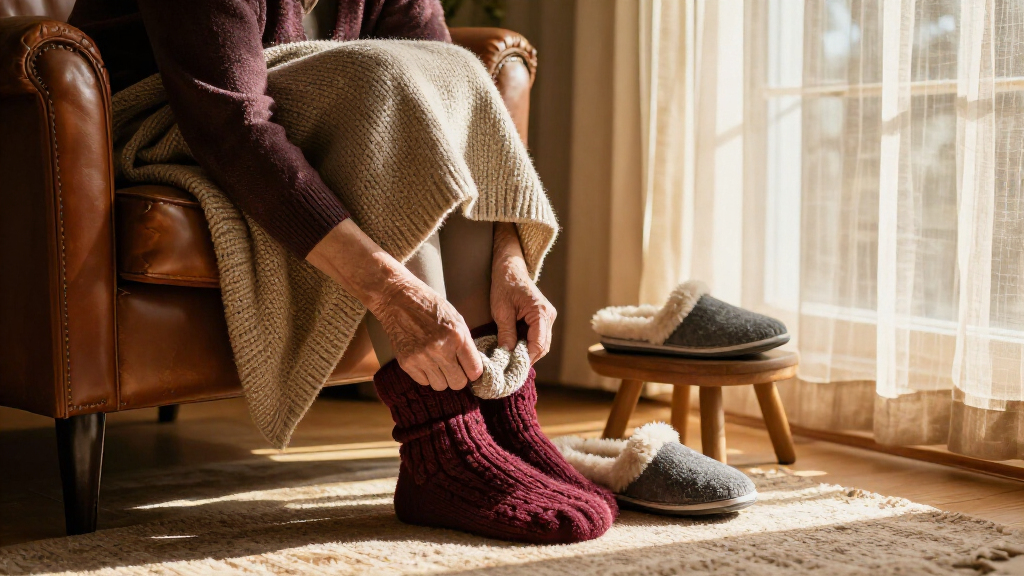
You’re sitting in your favorite armchair, a good book in hand, the fire crackling softly in the hearth. But despite the warmth of the room, your toes feel like ice cubes. It’s a familiar nuisance for many of us, especially as the seasons turn crisp.
Most of the time, this isn’t a sign of failing health. It’s often just your body doing its job—conserving heat by narrowing blood vessels in your extremities. Or perhaps your socks are slightly damp, pulling heat away from your skin faster than you realize.
Let’s look at practical, gentle ways to keep your feet warm and circulating. We’ll cover everything from sock choices to simple movements you can do right in your chair. And we’ll talk about when a chill is just a chill, and when it’s time to call the doctor.
Wool or synthetic socks are better than cotton because they wick moisture away, keeping feet dry and warm.
Gentle movements like ankle circles and calf raises can restart blood flow when you’ve been sitting still.
Keeping your core warm helps your body feel safe sending heat to your extremities.
Persistent coldness, color changes, or numbness should be checked by a doctor to rule out underlying conditions.
Avoid tight socks and shoes that restrict blood flow, as they can make cold feet worse.
Why Your Feet Get Cold in the First Place
It helps to know what’s happening under the skin. When you’re cold, your body prioritizes keeping your vital organs warm. It does this by constricting blood vessels in your hands and feet. This is a normal, protective reflex, but it comes with a tradeoff: your extremities sacrifice warmth for core survival.
Think of it like turning down the heat in the guest rooms to save energy for the main house. Your toes get less blood flow, so they get colder. This is especially true if you’ve been sitting still for a while, because the lack of movement compounds the vasoconstriction.
Movement is key here. Your calf muscles act as a pump, helping push blood back up toward your heart. If you’re stationary, that pump isn’t working. Gravity takes over, and blood pools slightly in your lower legs, reducing the fresh, warm blood reaching your toes.
So, before you reach for the heavy wool socks, ask yourself: have I moved my legs in the last hour? Often, a few minutes of gentle activity is all it takes to wake up that circulation, proving that motion is often more effective than insulation when the root cause is stagnation.
Products Worth Considering

VEVOR 14-Pack Polycarbonate Greenhouse Panels, 2 × 4 ft

EGO Power+ 16 Cordless Chainsaw (CS1611) with 56V 2.5Ah Battery and Charger

Husqvarna Automower 550 Commercial Robotic Lawn Mower
As an affiliate, we earn on qualifying purchases.
The Sock Trap: Why Cotton Makes It Worse
Many people reach for thick cotton socks when their feet feel chilly, assuming thickness equals warmth. But cotton can actually make the problem worse by trapping moisture against your skin. Even a tiny bit of sweat can make your feet feel cold and clammy because wet fabric conducts heat away from the body 25 times faster than dry fabric.
Instead, look for wool or synthetic blends. Wool is a marvel of nature—it insulates even when damp and wicks moisture away from your skin. It keeps your feet dry, and dry feet are warm feet. The implication is clear: managing moisture is just as critical as managing temperature.
Check your socks for tightness. If you take them off and see deep red marks on your skin, they’re too tight. Tight socks restrict blood flow, which defeats the purpose of trying to stay warm. You want a snug fit, not a squeeze, because compression that impedes arterial flow will cool your feet faster than any fabric choice could warm them.
If you’re layering socks, make sure your shoes still have room. A thin moisture-wicking liner under a thicker wool sock can work wonders, but only if your boots aren’t pinching your toes. The tradeoff here is between insulation and circulation; if the layers compromise blood flow, the thermal benefit is nullified.
5 Gentle Moves to Wake Up Your Circulation
You don’t need to run a marathon to get your blood moving. Simple, gentle movements can make a big difference by mechanically assisting the venous return. Try these right in your chair or while standing at the kitchen counter.
- Ankle Circles: Lift one foot slightly off the floor. Rotate your ankle clockwise ten times, then counter-clockwise. This mobilizes the joint and stimulates local blood flow without requiring weight-bearing effort.
- Toe Flexes: Point your toes forward, then pull them back toward your shin. Do this ten times. It stretches the calf and foot muscles, engaging the smaller pumps in the foot itself.
- Calf Raises: Stand holding a chair for support. Rise up onto your toes, then lower slowly. This activates the calf pump, which is the primary driver for pushing blood against gravity back to the heart.
- Short Walks: Even pacing the hallway for two minutes can restart blood flow. The impact of walking provides a rhythmic pressure change that aids vascular health.
- Seated Marching: If standing is hard, lift your knees high while seated. It’s surprisingly effective because it engages the hip flexors and abdominal muscles, which also assist in venous return.
These moves help counteract the effects of sitting still. They encourage blood to move, which brings warmth back to your toes, demonstrating that active circulation is the true source of warmth, not just passive insulation.
Keep Your Core Warm to Warm Your Toes
It sounds counterintuitive, but warming your torso helps your feet. Remember that guest room analogy? If your body thinks your core is cold, it will steal heat from your extremities to protect your heart and lungs. This is a survival mechanism, not a malfunction.
Wear a vest or sweater if your house feels drafty. Protect your head and neck, too. A lot of heat escapes from these areas. If your core is cozy, your body feels safe sending warm blood out to your toes. The implication is that you cannot force your feet to be warm if your body perceives a systemic threat to core temperature.
Consider a warm drink. Sipping hot tea or broth can raise your internal temperature slightly. It’s a comforting ritual that also helps from the inside out, signaling to your thermoregulatory system that it is safe to dilate peripheral vessels.
Avoid sitting in damp clothes. If you’ve been gardening or walking in the rain, change into dry layers immediately. Wet fabric pulls heat away from your body rapidly, making your feet feel colder than they should. The tradeoff is comfort versus safety: staying in damp clothes prioritizes convenience but risks hypothermia-like symptoms in the extremities.
When to Call the Doctor About Cold Feet
Most cold feet are just cold feet. But sometimes, they signal something else. You should pay attention if the coldness is persistent, one-sided, or accompanied by other symptoms, as these deviations from normal physiological responses suggest underlying pathology.
Look for changes in skin color. If your toes turn white, blue, or purple when cold, it could be Raynaud’s phenomenon. This is a condition where blood vessels overreact to cold or stress, causing temporary but severe restriction of blood flow that goes beyond normal vasoconstriction.
Watch for numbness, tingling, or pain. If you feel burning sensations or if your feet feel numb, it could be related to nerve issues, such as those caused by diabetes. Nerve damage can mask the sensation of cold, leading to injury without awareness, which is a significant risk factor for foot health.
If you have a wound that won’t heal, or if one foot is consistently colder than the other, see your healthcare provider. These are signs that need professional evaluation because they may indicate arterial insufficiency or neuropathy.
If a foot suddenly becomes very cold, pale, and painful, seek urgent care. This can indicate a blockage in blood flow, which is a medical emergency requiring immediate intervention to prevent tissue damage.
Myths About Warming Feet: What Doesn’t Work
There’s a lot of folk wisdom out there about circulation. Some of it is helpful, but some of it is misleading. Let’s clear up a few common myths to help you avoid ineffective or harmful practices.
First, compression socks aren’t a universal fix. They’re great for swelling and specific medical conditions, but they can restrict flow if used incorrectly. Always ask your doctor before using them for cold feet, because improper compression can exacerbate arterial insufficiency, making cold feet worse rather than better.
Second, no single food or supplement will instantly fix cold feet. While staying hydrated and eating well supports overall health, drinking extra water won’t suddenly warm your toes. Be wary of products promising a “circulation boost,” as these often lack scientific backing and distract from proven methods like movement and proper insulation.
Third, be careful with heat sources. Heating pads and hot water bottles can cause burns, especially if you have reduced sensation in your feet. Use moderate warmth, and never sleep with a heating device unless it’s specifically designed for it. The tradeoff here is between immediate comfort and the risk of severe injury due to diminished feedback mechanisms.
Finally, smoking narrows blood vessels. Quitting or reducing nicotine is one of the best things you can do for your circulation. It’s a hard habit to break, but your feet will thank you because nicotine causes chronic vasoconstriction, directly opposing your goal of warm, well-perfused extremities.
Frequently Asked Questions
Why are my feet cold even indoors?
It’s often due to inactivity or damp socks. Your body may also be conserving heat by narrowing blood vessels in your feet. If you’re sitting for long periods, try moving your ankles or taking a short walk.Does walking improve circulation in the feet?
Yes, walking activates your calf muscles, which help pump blood back toward your heart. Even a few minutes of movement can help relieve coldness caused by sitting still.Are two pairs of socks warmer than one?
Sometimes, if the layers are dry and your shoes are roomy. However, if the extra socks make your shoes tight, they can restrict blood flow and make your feet colder.Can compression socks warm my feet?
Not usually. Compression socks are designed for specific medical conditions like swelling. They can sometimes restrict flow if not fitted properly. Consult your doctor before using them for cold feet.When should I worry about cold feet?
See a doctor if coldness is persistent, one-sided, or accompanied by pain, numbness, color changes, or sores. Sudden, severe coldness with pain requires urgent care.Conclusion
Keeping your feet warm is about more than just comfort—it’s about staying active and independent. By choosing the right socks, moving your legs, and keeping your core cozy, you can enjoy the chill of the season without the ache in your toes.
Listen to your body. If simple changes don’t help, or if you notice warning signs, don’t hesitate to reach out to your healthcare provider. Stay warm, stay moving, and enjoy the quiet beauty of a winter day.