TL;DR
Open a free Amazon Business account
Business pricing, bulk buying and tax-exempt orders.
Create a free accountAs an affiliate, we earn on qualifying purchases.
A home safety audit involves checking for fall hazards, fire risks, and accessibility issues. Regularly assessing and updating your loved one’s environment can cut injury risks by up to 50%, promoting peace of mind and independence.
When it comes to protecting loved ones, especially seniors or those with mobility challenges, the home should be a sanctuary — safe, cozy, and free of hazards. But even the most familiar spaces hide risks, waiting to trip up an unsteady step or cause a tumble. A gentle home audit isn’t about tearing apart the living room; it’s about quietly spotting potential dangers and making small, meaningful changes.
This guide walks you through a practical, caring approach to assess your loved one’s environment. Think of it as a friendly check-up that keeps everyone secure, comfortable, and able to enjoy the simple pleasures of country living — the smell of fresh baking, the sound of a gentle breeze—without worry.
Perform a home safety check at least once a year or after any health change.
Simple fixes like grab bars, better lighting, and removing clutter cut fall risks by up to 50%.
Smart technology adds an extra layer of safety, especially when caregivers aren’t nearby.
Make homes more accessible with ramps, lever handles, and clear pathways to support independence.
Act quickly on hazards—small changes today can prevent serious injuries tomorrow.
How to Spot the Big Risks in Your Loved One’s Home
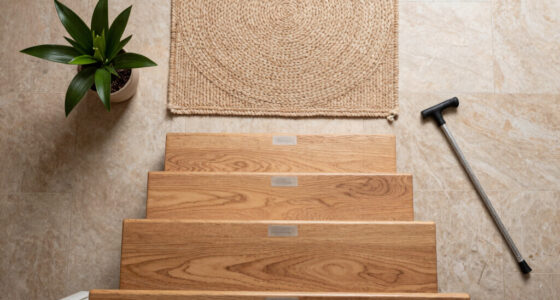
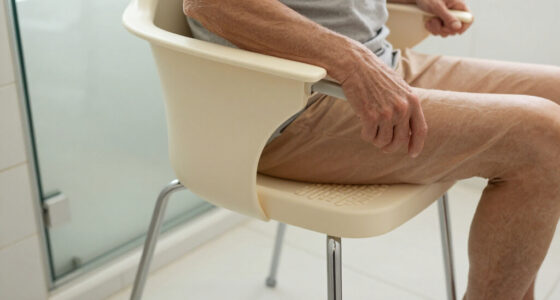
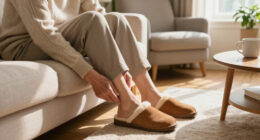
Start with the areas where falls are most likely: bathrooms, kitchens, stairways, and hallways. Look for loose rugs, clutter, poor lighting, or uneven surfaces. For example, a worn-out bathroom mat can cause a slip, or a cluttered hallway might trip someone on their way to the bedroom. Installing grab bars near the toilet and in the shower can make a big difference.
Check doorways — are they wide enough for a walker or wheelchair? Clear pathways are essential. If a step or threshold is tricky, consider a ramp or threshold ramp. Regularly inspecting these spots keeps hazards from quietly creeping in over time.
Understanding why these risks matter is crucial. Falls are the leading cause of injury among older adults, often resulting in fractures, hospital stays, or loss of independence. By identifying and addressing these common hazards early, you’re not just preventing accidents—you’re preserving your loved one’s ability to live confidently at home. The tradeoff often involves some initial effort or minor modifications, but the long-term benefits—safety, independence, peace of mind—are well worth it.

TAILI Grab Bars for Shower,Suction Shower Handles Rails,2 Pack,16.8",Grey
- Suitable Wall Types: Only for smooth, non-porous surfaces
- Easy Installation: Includes 2 suction cups with locking latches
- Removable and Reusable: No wall damage during installation or removal
As an affiliate, we earn on qualifying purchases.
As an affiliate, we earn on qualifying purchases.
Simple Safety Fixes That Make a Big Difference
Some safety upgrades cost little but offer huge peace of mind. For instance, adding non-slip mats in the tub or shower prevents 50% of bathroom falls. Improving lighting with brighter bulbs or nightlights guides loved ones safely around after dark. Securing loose rugs prevents trips and falls.
Here’s a quick list of easy fixes:
- Install grab bars in bathrooms and near stairs
- Use lever handles instead of knobs for doors and faucets
- Place non-slip mats in wet areas
- Replace worn-out lighting with brighter, energy-efficient bulbs
- Clear clutter from walkways and stairs
These small modifications are often simple to implement but can dramatically reduce the risk of falls. They ease daily routines, especially for those with limited strength or balance issues, and foster a sense of security that encourages independence. Weighing the costs against the potential injuries avoided makes these upgrades a smart investment in your loved one’s safety and well-being.
As an affiliate, we earn on qualifying purchases.
How Smart Tech Can Keep Your Loved Ones Safer
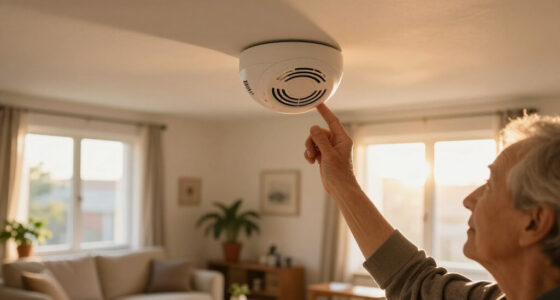
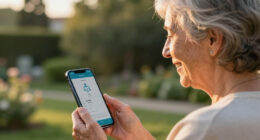
Smart home technology is transforming safety for seniors. Sensors can alert you if a fall occurs or if a door opens unexpectedly. Voice-activated assistants can remind someone to take medication or turn on the lights. These tools add an extra layer of security without intruding on independence.
For example, a sensor by the bed can notify you if your loved one gets up at night, reducing the risk of falls in the dark. Devices now connect to smartphones, so you can check in from anywhere — a comfort for long-distance caregivers.
By integrating these technologies, you’re not just adding gadgets—you’re creating a safety net that adapts to changing needs. They can provide peace of mind for caregivers and promote autonomy for your loved ones. However, it’s important to consider the learning curve and initial setup costs, weighing the benefits of increased safety against these factors. Thoughtful implementation ensures these tools support independence without feeling intrusive or overwhelming.
As an affiliate, we earn on qualifying purchases.
Making Your Home Accessible Without Turning It Into a Fortress
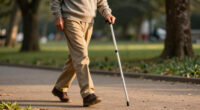
Accessibility isn’t about turning your home into a hospital. It’s about making everyday tasks easier and safer. Widening doorways, adding ramps, or installing stairlifts are simple steps that support mobility. For example, a small ramp outside the front door can help a loved one with a walker avoid the risk of stepping over a threshold.
Use lever handles on doors and faucets, which are easier to operate than knobs. Keep frequently used items within reach to prevent stretching or climbing — like putting dishes at waist level or storing medication in a visible, accessible spot.
Enhancing accessibility not only reduces physical strain but also minimizes the chance of accidents caused by awkward movements or reaching. This proactive approach supports aging in place, allowing your loved ones to maintain their independence longer. The tradeoff involves some initial modifications, but the payoff is a safer, more user-friendly environment that respects their autonomy and comfort.
As an affiliate, we earn on qualifying purchases.
What to Do When You Find Hazards During Your Check-Up
Finding hazards is only the first step. Act quickly on the most urgent dangers—like loose rugs or clutter that could cause a fall. Fix or remove these hazards right away. For more complex issues, like installing grab bars or ramps, consider hiring professionals who understand safety standards.
Prioritizing hazards based on risk is vital. Addressing immediate dangers reduces the likelihood of accidents happening soon after the check, but also keeps your loved one’s environment adaptable as their needs evolve. For instance, a loose rug might be a quick fix, but a broken stairlift requires professional assessment and installation. Regular follow-ups help you stay ahead of potential hazards, making safety an ongoing, manageable process rather than a one-time effort.
Understanding that safety is dynamic and requires ongoing attention is key. Small, consistent updates can prevent serious injuries and help your loved one maintain their independence longer. The tradeoff involves time and effort, but the payoff is a home that truly supports a safe and dignified life.
Frequently Asked Questions
How often should I do a home safety audit?
At least once a year, or whenever your loved one’s health or mobility changes. Regular checks help spot new hazards before they cause trouble.
What’s the most cost-effective safety upgrade?
Installing grab bars, improving lighting, and removing clutter are inexpensive and highly effective ways to cut fall risks.
How can I make my home more accessible for someone with limited mobility?
Widen doorways, add ramps, and use lever handles. Small changes make a big difference in daily safety and ease of movement.
Are professional assessments worth it?
Yes, occupational therapists and safety experts can identify hazards you might overlook and recommend tailored modifications for your home.
What should I do if I find hazards during the audit?
Fix urgent issues immediately—like loose rugs or clutter—and plan for professional help on more complex projects. Regularly revisit your home to keep safety up to date.
Conclusion
Keeping loved ones safe at home isn’t about perfection; it’s about gentle, consistent care. A simple safety check can turn your familiar space into a cozy refuge where independence blossoms and worries fade. Think of it as tending a garden — small, thoughtful adjustments nurture a safe and joyful life.
Remember, safety is a living thing. Regular visits and updates keep the environment as welcoming and secure as a country porch on a warm summer evening.
College move-in / dorm season Picks
dorm essentials
As an affiliate, we earn on qualifying purchases.