
TL;DR
Walking confidently on country paths and gravel drives depends on proper footwear, awareness of your surroundings, and using helpful tools. Recent improvements in signage, technology, and eco-friendly shoes make rural walking safer and more enjoyable. Small adjustments can boost your confidence and safety on rural adventures.
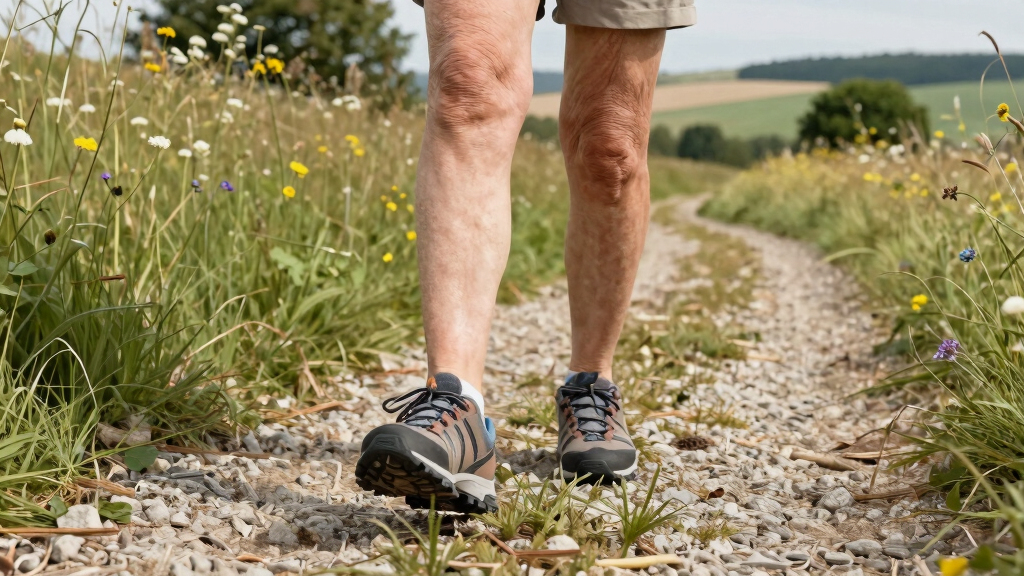
Imagine the gentle crunch of gravel under your boots, the smell of fresh earth, and the soft whisper of country winds. There’s a quiet joy in wandering along rural paths and gravel drives, but confidence comes from knowing you’re prepared. Whether you’re strolling to enjoy nature or visiting a favorite spot, feeling secure on uneven ground makes all the difference.
This guide is here to help you walk with ease—armed with simple tips on footwear, navigation, and safety. You’ll learn how to tackle different terrains, stay comfortable in changing weather, and respect the land around you. Because enjoying your countryside walks shouldn’t mean worrying about slips or getting lost.
Choose footwear with deep treads and waterproof support to prevent slips and fatigue.
Carry a map or use outdoor apps to confidently navigate different path types.
Watch your step and slow down in muddy or loose gravel areas for safety.
Respect private land and stay on designated paths to protect the environment.
Dress in layers and be prepared for weather changes to stay comfortable.
Choose the Right Shoes for Stable, Comfortable Walking
The most important step in walking confidently on country paths and gravel drives is footwear that grips well and supports your feet. Look for shoes with a sturdy, non-slip sole, preferably made from waterproof, breathable materials. Think of walking boots or shoes with deep tread patterns—these grip uneven surfaces and keep your footing steady.
Choosing the right shoes isn’t just about comfort; it’s about safety and confidence. Shoes with good traction help prevent slips on wet or loose surfaces, which are common in rural environments. Proper support reduces fatigue and strain, enabling you to enjoy longer walks without discomfort. The tradeoff might be that some highly supportive shoes are heavier, so finding a balance between weight and grip is key. Testing your shoes on similar terrain before your walk ensures they perform well under conditions you’ll encounter. Remember, well-fitting shoes also prevent blisters and sore feet, which can quickly turn a pleasant walk into a painful experience.

NORTIV 8 Men's Low Top Waterproof Hiking Shoes Trekking Trails Outdoor Work Shoes,Size 10.5,Army/Green/Black/Orange,160448_Low
Wide Fit: Designed for all-day wear, these men's hiking shoes feature a roomy toe box that ensures a…
As an affiliate, we earn on qualifying purchases.
As an affiliate, we earn on qualifying purchases.
Master Navigation and Recognize Different Path Types
Walking confidently depends on knowing where you are and where you’re headed. Country paths vary from narrow woodland trails to wide gravel drives. Recognizing the signs—like faded yellow markers or gate posts—is crucial because these indicators tell you whether you’re on a public right of way or private land. Carrying a local map or GPS device isn’t just about direction; it’s about understanding your environment and making informed decisions. Apps designed for outdoor walkers can show detailed routes, provide real-time updates, and help you plan alternative paths if needed.
For instance, if you’re walking along a winding country lane, keeping an eye out for distinctive landmarks such as a stone wall, a farmstead, or a unique tree can help you confirm your position. On wider gravel drives, signposts indicating public rights of way are your best guides. Being aware of the different path types and signs helps you anticipate terrain changes and navigate more confidently. This awareness reduces the risk of getting lost, which not only can be disorienting but also potentially dangerous if you’re far from help or cell service. Developing this skillset enhances your independence and enjoyment of rural walks, making the experience safer and more fulfilling.

Garmin 010-02256-00 eTrex 22x, Rugged Handheld GPS Navigator, Black/Navy
Explore confidently with the reliable handheld GPS
As an affiliate, we earn on qualifying purchases.
As an affiliate, we earn on qualifying purchases.
Stay Safe by Spotting and Handling Natural Hazards
Uneven surfaces, loose gravel, and natural obstacles like roots or stones can trip you up, especially if you’re not paying close attention. Recognizing hazards early allows you to adjust your pace and avoid falls. For example, wet or muddy patches are particularly slippery and require slower movement. Carrying a mobile phone, a small first aid kit, and water isn’t just about preparedness; it’s about minimizing the consequences of an accident and maintaining your hydration and safety.
Think about the implications of stepping onto a patch of wet gravel—your shoes might slip, causing a fall that could result in injury. Slowing down in muddy or wet areas gives your body time to adjust and maintain balance. Using walking poles can provide additional stability, especially on tricky terrain. If you encounter a fallen branch or a large puddle, finding a safe way around isn’t just about convenience; it’s about preventing injury or accidents. Being vigilant about hazards and knowing how to handle them empowers you to walk with confidence, even on the most challenging paths. This proactive approach is essential for maintaining safety and enjoying your outdoor experience fully.

KEFUWU Men's Hiking Boots Waterproof Non-Slip Leather Mid Top Ankle Boot Lightweight Hiker Breathable Trekking Boot (7.5 Men, Brown)
Suede & Mesh Panel – Placed high-density breathable mesh panels work with premium suede to expel heat and…
As an affiliate, we earn on qualifying purchases.
As an affiliate, we earn on qualifying purchases.
Respect the Environment and Keep the Land Safe
Staying on designated paths isn’t just about following rules; it’s about actively protecting the environment and ensuring the land remains accessible for everyone. Straying off marked routes can disturb wildlife, damage delicate plants, and cause erosion. Many rural areas have public rights of way, but private land should be respected to maintain good relations with landowners and avoid legal issues. Look for signs about land access—such as ‘Private Property’ or ‘Footpath’—and adhere to them. Walking lightly and leaving no trace helps preserve the natural beauty and ecological health of the countryside.
For example, if you see a ‘Private Property’ sign, turning back or choosing an alternative route respects landowners’ rights and helps maintain good community relations. Staying on paths reduces the risk of damaging habitats or disturbing livestock. Your mindful behavior not only protects the land but also ensures that future generations can enjoy the same scenic beauty. This respect fosters a sense of stewardship and responsibility, making your walks not just enjoyable but also meaningful contributions to conservation.

Outdoor Trail Maps LLC Lost Creek Wilderness – Colorado Topographic Hiking Map (2022)
Waterproof, tear-resistant, 1:48,000 scale with a compact 4"x7" folded size for your pocket
As an affiliate, we earn on qualifying purchases.
As an affiliate, we earn on qualifying purchases.
Dress for Weather and Conditions to Keep Comfortable and Safe
Country weather can shift quickly, sometimes unexpectedly. Dressing in layers isn’t just about comfort; it’s about adaptability. Layering allows you to add or remove clothing as conditions change—such as a sudden rain shower or a chilly breeze—keeping you comfortable and preventing hypothermia or overheating. Waterproof shoes or boots protect your feet from mud and puddles, which are common in rural environments, but also help keep your feet dry over extended walks. Moisture-wicking fabrics are essential because they pull sweat away from your skin, reducing chafing and discomfort.
Imagine encountering a quick rain shower just as you’re crossing a gravel drive. Without proper clothing, you might get cold and uncomfortable, which can sap your energy and enthusiasm. With a quick-drying jacket and waterproof shoes, you can stay dry and maintain your pace. Always check the weather forecast before heading out so you can dress appropriately, and carry essentials like an umbrella or sun hat for sun protection. Proper preparation ensures your walk remains enjoyable and safe, regardless of weather surprises.
Use Technology and Signage to Walk with Confidence
Modern apps and GPS devices tailored for outdoor walking can significantly boost your confidence, especially in unfamiliar areas. They provide detailed maps, route suggestions, and real-time updates, reducing the uncertainty that can cause hesitation or anxiety. Many rural areas now feature improved signage—like yellow arrows or posts—that serve as visual cues guiding you along the way. Combining these tools with local signage creates a layered navigation system, allowing you to cross-reference and verify your position frequently.
For example, a popular walking app can show your current location, how far you’ve traveled, and alert you if you stray from your planned route. This dual approach—technology plus physical signs—reduces the risk of getting lost and helps you maintain a steady, confident pace. It also offers reassurance that help is available if needed. Understanding how to interpret both digital and physical navigation aids transforms rural walks from uncertain adventures into well-guided experiences. This integration of tools enhances safety, independence, and enjoyment during your outdoor excursions.
Here’s a quick comparison table:
| Feature | Traditional Maps & Signage | GPS & Apps |
|---|---|---|
| Ease of Use | Requires familiarity; sometimes less clear | Intuitive; real-time updates |
| Accuracy | Depends on signage clarity | High; GPS precision |
| Battery Dependency | None | Yes; needs charging |
Frequently Asked Questions
What is the best footwear for walking on gravel and uneven paths?
The best shoes have a sturdy, non-slip sole with deep treads. Waterproof and breathable materials add comfort and protection in all weather. Try on different pairs to find what fits your foot best and test them on similar surfaces before heading out.
How can I stay safe while walking in remote or unfamiliar areas?
Carry a mobile phone, a small first aid kit, and water. Walk at a comfortable pace, watch your footing, and stay on marked paths. Using GPS apps can also help you stay oriented and avoid getting lost.
Yes, many outdoor-specific apps provide detailed maps, route tracking, and updates. Combining these tools with local signage makes rural navigation straightforward, even if you’re exploring new areas.
What should I do if I encounter wildlife or livestock on the path?
Keep a respectful distance, stay calm, and avoid startling animals. If you see livestock, follow any posted instructions—such as closing gates—and give animals plenty of space.
How do I prepare for changing weather conditions during a countryside walk?
Dress in layers, carry waterproof clothing, and check the forecast before heading out. A hat and sun protection help on bright days, while a rain jacket keeps you dry if the weather shifts.
Conclusion
Walking confidently on country paths and gravel drives is all about preparation and awareness. A good pair of shoes, simple navigation tools, and respect for the land make your outdoor adventures safer and more satisfying. So lace up, take a deep breath, and enjoy the country’s quiet beauty—your next peaceful walk is waiting.
Remember, every step you take with awareness is a step toward more freedom and joy on your country paths. Keep it steady, keep it safe, and let the countryside work its magic.