
TL;DR
Listen free for 30 days with Audible
Thousands of audiobooks and originals — cancel anytime.
Start your free trialAs an affiliate, we earn on qualifying purchases.
As you age, sleep often becomes lighter and more disrupted. Small lifestyle adjustments like maintaining consistency, creating a calming environment, and staying active can make a big difference in sleeping better naturally.
Stick to a consistent sleep schedule—even on weekends—to reinforce your body’s natural rhythm.
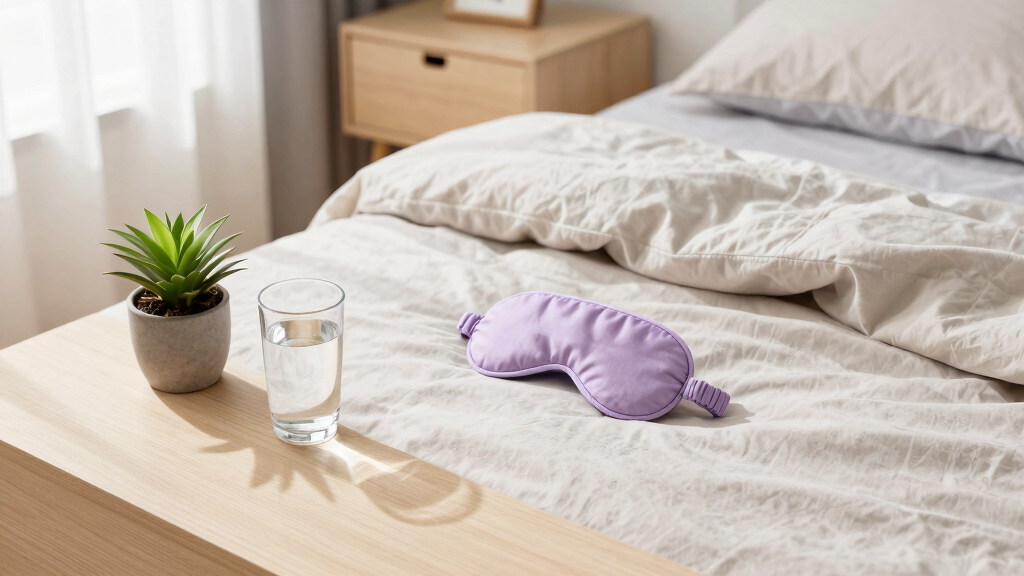
Create a calming sleep environment: cool, dark, and quiet is best.
Engage in gentle activity during the day and avoid stimulating screens before bed.
Use natural remedies like herbal teas and mindfulness techniques to wind down.
Consider light therapy or melatonin supplements only after consulting your healthcare provider.
Sleeping Better in Your Later Years: Simple, Natural Tips
As sleep becomes lighter and more fragmented with age, small daily rituals can make nights feel steadier again. Consistent timing, a calming bedroom, gentle movement, and mindful wind-down cues help your body return to rest naturally.
Rest improves when the day teaches the night what to expect.
A regular rhythm, cool quiet room, and peaceful bedtime routine can reduce awakenings and support more restorative sleep.
Older adults often wake more easily from ordinary noise, light, or discomfort.
Short naps can refresh without stealing sleep pressure from bedtime.
Reducing evening blue light helps preserve natural melatonin signals.
Finish vigorous movement before bedtime so the nervous system can settle.
Why Sleep Shifts With Age
Sleep needs may remain similar, but the path into deep rest often changes. REM sleep can decline, lighter stages become more common, and awakenings may be triggered by health conditions, nocturia, pain, sound, or early morning light.
Earlier wake times
The internal clock can drift earlier, making morning wake-ups feel automatic even after a restless night.
Less deep sleep
More time in lighter sleep means ordinary disturbances can break the sleep cycle more easily.
More interruptions
Arthritis, sleep apnea, restless legs, medications, and nighttime bathroom trips can fragment rest.
The Natural Sleep Reset
Think of better sleep as a linked routine: the morning anchors the clock, the day builds healthy tiredness, and the evening lowers stimulation.
Wake steady
Keep the same wake time, including weekends, to reinforce circadian rhythm.
Seek light
Morning light or provider-guided light therapy can strengthen daytime alertness.
Move gently
Walking, gardening, or light yoga supports sleep quality when done earlier.
Dim down
Lower lights, silence screens, and choose reading, music, or stretching.
Rest deeply
A cool, dark, quiet room makes it easier to stay asleep.
Build a Bedroom That Helps You Sleep
Your room acts like a silent partner. Temperature, light, sound, scent, bedding, and bedtime cues tell the brain whether to stay alert or let go.
Impact of common changes
Comfort target
Aim for a room that feels cool enough to prevent overheating without making you tense or chilled.
What Helps, What Hurts
Simple habits work best when they are repeatable. Use this comparison as a practical checklist for calmer evenings and steadier nights.
| Habit | Sleep effect | Best practice | Watch-out |
|---|---|---|---|
| Same bedtime and wake time | ✓ Supports circadian rhythm | Keep timing steady on weekends | ~ Requires routine discipline |
| Cool, dark, quiet room | ✓ Reduces nighttime awakenings | Use curtains, fan, eye mask, or earplugs | ~ Adjust comfort gradually |
| Long late naps | ✗ Can weaken sleep pressure | Limit naps to 20-30 minutes | ✗ Avoid late afternoon naps |
| Gentle daytime activity | ✓ Improves natural tiredness | Walk, garden, stretch, or try light yoga | ~ Avoid vigorous exercise near bed |
| Herbal tea or mindfulness | ✓ Signals relaxation | Pair with breathing or soft music | ~ Check interactions if needed |
| Melatonin or light therapy | ~ May help selected people | Discuss with a healthcare provider first | ✗ Do not self-treat persistent sleep issues |
Trace the Nightly Chain
Better sleep is rarely one magic fix. It is a chain of cues that gently lowers alertness and makes rest feel familiar again.
When to ask for help
Talk with a healthcare provider if snoring, gasping, restless legs, pain, medication changes, mood symptoms, or frequent bathroom trips keep disrupting sleep.
Nightly essentials
- Dim lights and stop stimulating screens at least 30 minutes before bed.
- Use calming cues: chamomile tea, quiet music, slow breathing, or gentle stretches.
- Keep the room cool, dark, quiet, and comfortable enough for your body.
Why Sleep Changes as You Age — And Why That Matters
When you notice waking up earlier than you used to or feeling less refreshed after sleep, you’re experiencing common age-related shifts. The proportion of REM sleep drops, and lighter sleep becomes more frequent. These changes matter because they can diminish your overall sleep quality, leading to less restorative rest. As sleep becomes lighter, you may find yourself more easily awakened by everyday noises or discomfort, which fragments your sleep cycle. This fragmentation can cause daytime fatigue, mood swings, and decreased immune function, impacting your overall health. Recognizing these natural changes helps you understand that your sleep needs may remain the same, but the way your body achieves rest shifts. By understanding why these changes happen, you can focus on gentle, targeted strategies—like creating a more soothing sleep environment or managing discomfort—to help compensate and maintain quality rest. It’s about working with your body’s natural rhythms rather than fighting against them, which can lead to more sustainable improvements and a greater sense of well-being.
bedroom blackout curtains for better sleep
As an affiliate, we earn on qualifying purchases.
As an affiliate, we earn on qualifying purchases.
Create a Sleep Sanctuary You’ll Love to Sleep In
Your bedroom should be a peaceful retreat—think cool, dark, and quiet. Replace harsh overhead lights with soft lamps, and draw blackout curtains to block early morning sun. Use a cozy mattress and pillows that support your body comfortably. Remember, a serene space makes it easier to relax and drift off. Why does this matter? Because our environment directly influences our ability to transition into sleep and stay there. Bright lights and noise can signal to your brain that it’s still daytime, delaying sleep onset or causing awakenings. Conversely, a dark and quiet room signals to your brain that it’s time to rest, promoting deeper, uninterrupted sleep. The sensory details—like the scent of lavender or the feel of plush blankets—can also cue your mind that it’s time to wind down, reducing anxiety and physical tension. Over time, these calming cues help your body associate your bedroom with sleep, which can make falling asleep quicker and staying asleep easier. Think of your sleep space as a personal sanctuary—an intentional environment that supports your natural sleep rhythms and enhances your overall sleep quality.
As an affiliate, we earn on qualifying purchases.
Stick to a Consistent Bedtime — Even on Weekends
Going to bed and waking up at the same time every day helps your body’s internal clock stay steady. This regular rhythm makes falling asleep easier and waking up more natural. When your sleep schedule is inconsistent, your body struggles to predict when it’s time to rest, leading to difficulty falling asleep and feeling groggy during the day. Maintaining a consistent bedtime—even on weekends—helps reinforce your circadian rhythm, the internal clock that regulates sleep-wake cycles. This consistency can result in quicker sleep onset, fewer night awakenings, and more restorative sleep overall. Practical tips include turning off screens at least 30 minutes before bed, engaging in relaxing activities like reading or gentle stretches, and dimming the lights. Over time, your body learns to associate these cues with sleep, making the process more automatic and less stressful. The tradeoff of sticking to a routine is that it requires discipline, but the payoff is a more predictable, restful night that leaves you feeling energized and balanced during the day.
As an affiliate, we earn on qualifying purchases.
Relax Your Mind and Body Before Bed
Stress and anxiety can keep you tossing and turning, preventing your mind from settling into sleep. A gentle, relaxing routine signals your body it’s time to wind down, reducing cortisol levels and physical tension. Activities like sipping a warm cup of chamomile tea, listening to soft country music, or doing slow stretches can help lower your stress hormones and prepare your nervous system for rest. Why is this important? Because mental and physical relaxation reduces the time it takes to fall asleep and minimizes disturbances during the night. For example, deep breathing exercises slow your heart rate and calm your mind, making it easier to transition into sleep. Incorporating these calming rituals into your nightly routine creates a mental association between these activities and sleep, which can become powerful cues for relaxation in the long run. The tradeoff is dedicating a few quiet minutes each night, but the benefit is a smoother, more restorative sleep experience that leaves you feeling refreshed and less anxious about bedtime.
As an affiliate, we earn on qualifying purchases.
Optimize Your Sleep Environment for Peaceful Nights
Adjust your room’s temperature to around 65°F (18°C)—cool enough to promote sleep but not so cold you feel chilled. Use blackout curtains or an eye mask, and earplugs if sound is an issue. A tranquil, sensory-friendly space makes it easier to stay asleep and prevents frequent awakenings caused by light or noise. Why does this matter? Because our environment acts as a silent partner in our sleep quality. A room that’s too warm can cause discomfort and restless movements, while a room that’s too cold can disrupt sleep through shivering or alertness. Light exposure, especially blue light, suppresses melatonin, making it harder to fall asleep. Earplugs and blackout curtains help block out disturbances, creating a cocoon of darkness and quiet that signals your brain it’s time to rest. The example of the couple installing a ceiling fan and sound machine illustrates how small adjustments can transform a bedroom into a sleep haven. These changes reduce sleep interruptions and promote a deeper, more restorative sleep cycle, which is vital for physical health, cognitive function, and emotional well-being. Think of your sleep environment as a personalized retreat—designed to support your body’s natural rest needs and enhance overall sleep quality.
Stay Active — But Not Too Late
Regular physical activity helps tire your body just enough for better sleep. Walking, gardening, or light yoga are perfect options. The key is timing—engaging in vigorous activity too close to bedtime can have the opposite effect, energizing your nervous system and making it harder to wind down. When you exercise earlier in the day, your body produces natural sleep-promoting chemicals, and your core temperature drops afterward, signaling to your brain that it’s time to rest. Conversely, exercising within two to three hours of bedtime can elevate adrenaline and heart rate, delaying sleep onset. For example, a woman who takes a brisk walk each evening listening to country tunes reports feeling calmer and sleeping more soundly within a week. The tradeoff here is balancing activity with rest; too little activity can lead to restlessness, but too much late in the day can interfere with sleep quality. Finding the right middle ground helps you tire your body enough to sleep well without overstimulating it, leading to more restful nights and more energy during your waking hours.
Limit Screen Time and Bright Lights Before Bed
Blue light from phones, tablets, and TVs suppresses melatonin, the hormone that helps you fall asleep. When exposed to blue light in the evening, your body perceives it as daylight, which can delay sleep onset and reduce sleep quality. That’s why turning off screens at least an hour before bed is crucial. Instead, you might read a book by a soft lamp, do gentle stretches, or listen to calming music—activities that don’t emit blue light and help your brain wind down naturally. Why does this matter? Because reducing blue light exposure allows your melatonin levels to rise naturally, signaling to your body that it’s time for sleep. The example of a neighbor switching to listening to country ballads and reading by a warm lamp illustrates how simple changes in evening routines can have a profound impact on sleep onset and quality. The tradeoff is giving up screen time, but the benefit is a smoother transition into sleep, less tossing and turning, and waking up feeling more refreshed. Creating a tech-free wind-down period is a small step with big payoffs for restful sleep.
Try Natural Remedies and Gentle Lifestyle Tweaks
Herbal teas like chamomile or valerian can promote relaxation by increasing calming neurotransmitters in the brain. Incorporating magnesium-rich foods, such as spinach or pumpkin seeds, supports muscle relaxation and reduces cramping or discomfort that can disrupt sleep. Practice mindfulness or gentle breathing exercises to ease bedtime anxiety and promote mental calmness. Why does this matter? Because natural remedies and small lifestyle tweaks can address specific barriers to sleep without the side effects associated with pharmaceuticals. For example, a senior woman found that a warm cup of herbal tea and a few minutes of deep breathing helped her settle her mind after a busy day, leading to deeper, more restorative sleep. These practices help to lower stress hormones, relax muscles, and create a mental state conducive to sleep. The tradeoff is dedicating a few minutes to these rituals, but the payoff is a more peaceful, uninterrupted night—crucial for physical repair, cognitive function, and emotional health. These natural approaches empower you to take control of your sleep hygiene with simple, effective tools.
Light Therapy and Melatonin — Are They Worth Trying?
Light therapy involves exposure to a bright light that mimics natural sunlight, helping to reset your internal clock, especially if you wake very early or feel sluggish during the day. Proper timing and intensity are important; too much or too little can be ineffective or disruptive. Melatonin supplements, on the other hand, can be helpful for some, but they should be used cautiously. A small dose (0.5 to 3 mg) taken about an hour before bed can promote sleep onset in older adults with circadian rhythm issues. However, it’s essential to consult with your healthcare provider before starting melatonin, as it can interact with medications or underlying health conditions. Why does this matter? Because these tools can be effective when used appropriately, but they’re not magic solutions. They work best as part of a comprehensive approach that includes good sleep habits. Relying solely on supplements or light therapy without addressing other factors—like environment or routines—limits their effectiveness. The key is to view them as supportive aids rather than primary fixes, and always seek professional guidance to ensure safety and proper usage.
Frequently Asked Questions
What are the best natural ways to improve sleep as I age?
Maintaining a consistent schedule, creating a calming environment, staying active during the day, and practicing relaxation techniques like deep breathing are all effective natural strategies.Why do I wake up multiple times during the night?
Light sleep and health factors like urinary issues or discomfort can cause frequent awakenings. Adjusting your environment and routine often helps, but persistent problems should be discussed with a healthcare professional.Can lifestyle changes really make a difference in sleep quality?
Absolutely. Small tweaks such as limiting caffeine, establishing a bedtime routine, or engaging in gentle evening activity can significantly improve how well you sleep.Are sleep aids safe for older adults?
Natural remedies and behavioral strategies are safer options, but always check with your doctor before trying supplements like melatonin or using sleep medications.How much sleep do older adults need?
Most seniors aim for 7 to 8 hours of sleep per night. Quality matters more than quantity—deep, restorative sleep keeps you feeling vibrant and healthy.Conclusion
Restful sleep in your later years isn’t just a dream. Small, natural adjustments—like setting a routine, creating a cozy space, and staying active—can transform your nights. Imagine slipping into bed, feeling calm and ready, with sleep wrapping you in gentle comfort. Your best nights are still ahead—one peaceful night at a time.Labor Day sales Picks
labor day deals
As an affiliate, we earn on qualifying purchases.