
TL;DR
Open a free Amazon Business account
Business pricing, bulk buying and tax-exempt orders.
Create a free accountAs an affiliate, we earn on qualifying purchases.
Tracking blood pressure at home is straightforward with validated devices and proper technique. Consistent monitoring and understanding your readings can improve your health and help catch issues early.
Blood pressure isn’t just a number on a chart — it’s a vital sign that tells you a lot about your heart’s health. But keeping tabs on it doesn’t mean trips to the clinic every week. You can easily monitor your numbers at home, with tools and habits that fit into your daily routine.
In this guide, you’ll learn how to pick the right device, use it correctly, and track your results with confidence. Whether you’re managing hypertension or just staying proactive, these simple steps put you in the driver’s seat of your health journey.
Choose a validated, easy-to-use blood pressure monitor that fits your arm and lifestyle.
Follow a consistent, relaxed technique to get accurate readings each time.
Use smartphone sync or logs to track trends over days and weeks.
Understand your numbers—know what normal, elevated, and high blood pressure look like.
Regular monitoring, combined with healthy habits, can help you stay in control of your heart health.
Easy Ways to Track Blood Pressure at Home
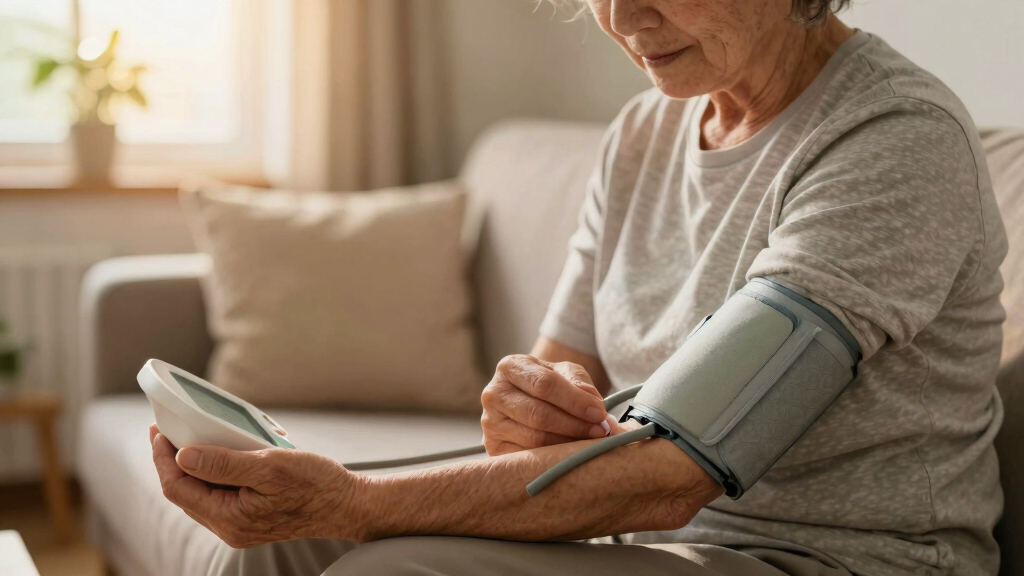
Good data begins with a calm body, the right cuff, and a repeatable routine. A validated upper-arm monitor and consistent technique can turn a few quiet minutes into a useful record of how your heart responds over days and weeks.
Five steps. Same setup. Better trends.
Single readings can move with stress, activity, posture and time of day. Repeating the same preparation and position helps reveal the pattern underneath those everyday fluctuations.
Pause first
Sit quietly for five minutes. Avoid talking, scrolling or rushing into the measurement.
Set your posture
Support your back, place both feet flat, and keep your legs uncrossed.
Position the cuff
Place it on a bare upper arm, snugly fitted, with the arm supported at heart level.
Repeat calmly
Take two or three readings, about one minute apart, then use the average.
Record context
Log the date, time, result, symptoms and anything unusual, such as stress or poor sleep.
Match the device to your routine
For most people, a validated automatic upper-arm monitor offers the easiest balance of accuracy and convenience. The cuff must fit your measured arm circumference—not merely feel “close enough.”
Automatic upper-arm
One-button operation, clear digital results and minimal training. Look for independent validation, memory storage and the correct cuff range.
Manual aneroid
Requires a stethoscope, careful technique and training. It is less convenient for solo home use and easier to operate incorrectly.
Wrist or wearable
Portable and app-friendly, but often more sensitive to body position. Confirm validation and compare results with a trusted upper-arm device.
| Feature | Model A | Model B | Model C |
|---|---|---|---|
| Validation | ✓ AHA-listed claim* | ✓ European validated | ✓ FDA cleared |
| Cuff options | ✓ Standard + large | ~ Standard only | ~ Large only |
| Smartphone sync | ✓ Yes | ✗ No | ✓ Yes |
| Ease of use | One-button | Setup required | Touchscreen |
*Illustrative comparison: independently verify a specific model’s validation status before buying.
Know the category—watch the pattern
Blood pressure is written as systolic over diastolic, in mm Hg. The higher category applies when the two numbers fall into different ranges. A diagnosis requires professional assessment, not a single home reading.
One reading is a moment
A result such as 125/78 may differ later because of movement, stress, caffeine or timing.
A log reveals the trend
Repeated morning and evening averages give your healthcare professional more useful context.
Symptoms change urgency
Do not wait on routine tracking when a very high reading appears with concerning symptoms.
Turn a measurement into a health conversation
Connected monitors can automate charts and sharing, but technology does not replace technique. Reliable insight still begins with a validated device, correct positioning and consistent timing.
Home monitoring essentials
Consistency matters more than constant checking. Use a schedule recommended for your situation, and bring your monitor to an appointment occasionally so its results and your technique can be checked.
How often should I check?
Often once or twice daily during an assessment period, but follow your healthcare professional’s plan. Excessive checking may increase anxiety without improving decisions.
What should my log include?
Record both numbers, pulse, date, time, averaged result, symptoms, medication timing and relevant factors such as exercise, stress or caffeine.
Can I measure over clothing?
No. Place the cuff directly on bare skin. Rolled fabric can tighten the arm and interfere with cuff placement.
Are smart features necessary?
No. Memory and app syncing are convenient, but validation, correct cuff size and proper use matter more than dashboards or AI analysis.
Choose the Right Blood Pressure Monitor for Your Home
Picking a good blood pressure monitor is the first step. Digital, automatic devices are the easiest for everyday use. They give quick, clear readings with just the press of a button—no stethoscope needed.
Look for models validated by reputable health authorities, like the American Heart Association. Pay attention to cuff sizes—an ill-fitting cuff can skew your results. For example, a person with a 20-inch arm needs a larger cuff to get an accurate reading.
Wearable devices are emerging, but traditional cuff-based monitors still lead in reliability. The right choice depends on your comfort, budget, and how often you plan to check your blood pressure.
validated blood pressure monitor for home use
As an affiliate, we earn on qualifying purchases.
As an affiliate, we earn on qualifying purchases.
How to Use Your Blood Pressure Monitor Correctly in 5 Easy Steps
- Sit quietly for 5 minutes before measuring. Imagine sitting on your porch swing, relaxing before checking your numbers.
- Place the cuff on your bare arm at heart level. Picture aiming for the spot just above your elbow, snug but not tight.
- Avoid caffeine, smoking, or exercise for 30 minutes beforehand. Think of these as little distractions that can throw off your reading.
- Take 2-3 readings, a minute apart, and average them. It’s like getting a true snapshot, not a hurried photo.
- Record your results in a log or app. Keep track of the date, time, and how you felt — it helps tell your health story.
upper arm blood pressure cuff with smartphone sync
As an affiliate, we earn on qualifying purchases.
As an affiliate, we earn on qualifying purchases.
Compare Popular Home Blood Pressure Monitors Side-by-Side
| Feature | Model A | Model B | Model C |
|---|---|---|---|
| Validation | Yes (AHA approved) | Yes (European validated) | Yes (FDA cleared) |
| Cuff Size Options | Standard & Large | Standard only | Large only |
| Smartphone Sync | Yes | No | Yes |
| Ease of Use | Very simple, one-button | Requires setup | Touchscreen interface |
Choosing between these depends on your tech comfort, cuff needs, and whether you want app features. The key is validated accuracy and ease of use.
automatic blood pressure monitor for seniors
As an affiliate, we earn on qualifying purchases.
As an affiliate, we earn on qualifying purchases.
Make Your Readings Accurate Every Time
Accurate readings depend on technique. Always sit comfortably with your back supported and feet flat. Rest your arm on a table at heart level, not dangling or pressed against your side. For example, imagine your arm resting on a cozy kitchen table, relaxed and at the right height.
Use the right cuff size—too tight or too loose throws off results. Avoid talking, moving, or checking your phone during measurement. Consistency is key: take readings at the same time each day, like every morning and evening.
Remember, blood pressure naturally fluctuates throughout the day due to factors like stress, activity, and even the time of day. By taking measurements consistently, you can identify patterns that matter—such as persistent high readings or spikes during certain times. Keeping a detailed log helps your healthcare provider understand your unique blood pressure profile, which is crucial for accurate diagnosis and treatment planning. Recognizing these patterns allows you to see how lifestyle factors or daily routines impact your blood pressure, enabling more personalized adjustments for better health outcomes.
digital blood pressure monitor with memory
As an affiliate, we earn on qualifying purchases.
As an affiliate, we earn on qualifying purchases.
Latest Tech Trends Making Home Monitoring Easier
Smartphone-connected monitors are changing the game. They sync your blood pressure data automatically, creating detailed graphs and trend lines—like having a mini health report on your phone.
Wrist and arm wearables now offer continuous or frequent checks, useful for catching fluctuations throughout the day. Advances in sensor tech and validation standards mean many devices now meet rigorous health authority criteria, boosting confidence in their readings.
Some apps even use AI to analyze your patterns, helping you and your doctor catch potential issues early. It’s like having a health coach right in your pocket, guiding your choices.
These technological advancements make monitoring more accessible and informative, but it’s essential to understand their limitations. Not all devices are equally accurate, especially wrist-based monitors, which can be more sensitive to positioning errors. Therefore, choosing validated devices and understanding how to use them correctly ensures you get reliable data, empowering you to make informed health decisions.
What Your Blood Pressure Really Means (And When to Worry)
Normal blood pressure is below 120/80 mm Hg. Elevated readings are between 120-129 systolic and less than 80 diastolic. Anything higher, especially above 130/80, can indicate hypertension.
For example, one morning you might see 125/78, which is fine. But after a stressful day, your reading jumps to 140/90—that’s a sign to watch and discuss with your doctor.
Keep in mind, one high or low reading isn’t a diagnosis. If you notice persistent high readings over several days or weeks, it indicates a pattern that needs medical attention. Conversely, occasional low readings could suggest hypotension, which might cause dizziness or fainting if severe. Recognizing these patterns helps you and your doctor decide on necessary interventions or lifestyle changes to protect your health.
Understanding what your numbers mean and how they fluctuate over time is crucial because it can influence your treatment plan. For instance, consistently high readings might mean medication adjustments, while sporadic spikes could be linked to stress or diet. Being aware of these implications helps you take proactive steps and communicate effectively with your healthcare provider for optimal management.
Your Top Questions About Home Blood Pressure Monitoring Answered
- What is the best blood pressure monitor for home use? Look for validated models with easy operation and the right cuff size for you. Choosing a device that fits your comfort and lifestyle ensures consistent use, which is vital for accurate tracking over time.
- How often should I check my blood pressure? Usually once or twice daily, but follow your doctor’s advice for your situation. Regular checks help identify trends, but excessive monitoring can lead to unnecessary anxiety or false alarms.
- How can I make sure my readings are accurate? Use proper technique, keep the cuff snug but comfortable, and measure at the same time each day. Avoid factors like caffeine or stress immediately before measurement, as they can temporarily elevate readings.
- What do high or low readings mean? High readings suggest hypertension, which increases risk for heart disease and stroke if uncontrolled. Low readings may cause symptoms like dizziness or fainting, requiring medical assessment. Recognizing patterns over multiple readings provides a clearer health picture.
- Can stress or activity affect my results? Yes. Stress, physical activity, and even talking during measurement can temporarily alter your blood pressure. To get an accurate snapshot, sit quietly, breathe normally, and avoid distractions during each reading.
Conclusion
Keeping an eye on your blood pressure at home isn’t just convenient — it’s empowering. With the right tools and habits, you can catch early signs of trouble and share clear, accurate information with your doctor. Think of it as tending to your own little garden of health, where consistent care pays off.
So, grab that monitor, relax, and start making your health a daily, calming ritual. Your future self will thank you for it.
NFL season / tailgating Picks
team gear
As an affiliate, we earn on qualifying purchases.