TL;DR
Listen free for 30 days with Audible
Thousands of audiobooks and originals — cancel anytime.
Start your free trialAs an affiliate, we earn on qualifying purchases.
Weather-resistant outdoor fabrics are built to endure sun, rain, and temperature swings. High-quality options like solution-dyed acrylics and advanced coatings last 3-7 years, making outdoor living more comfortable and worry-free.
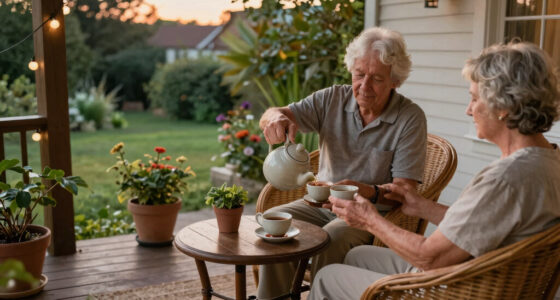
Imagine a cozy porch where your cushions stay vibrant and mold-free, no matter how many rainy days or scorching summers pass. That’s the magic of choosing the right weather-resistant fabrics. You want textiles that embrace the country charm, stand up to nature’s whims, and still feel inviting.
This guide will walk you through what makes a fabric truly weather-resistant, highlight recent innovations, and give you practical tips to keep your outdoor spaces both beautiful and comfortable for years to come.
Choose solution-dyed acrylic or high-quality polyester for maximum outdoor durability and colorfastness.
Recent innovations like nanotech coatings and embedded UV sensors extend fabric lifespan and ease maintenance.
Regular cleaning with mild soap and covering furniture during harsh weather prolongs fabric life.
Higher initial investment in quality fabrics pays off with 5-10 extra years of vibrant outdoor comfort.
Always match fabric choice with your climate, usage, and eco considerations for the best results.
Choosing Weather-Resistant Fabrics for Outdoor Comfort
Build a porch that stays welcoming through intense sun, sudden rain, humid afternoons, and cold-season storage. The right textile combines colorfast fibers, moisture control, mildew resistance, and a soft, inviting hand.
For weather-resistant outdoor fabrics under ordinary exposure and care.
Solution-dyed acrylic can remain vibrant for over a decade with proper maintenance.
Strong UV resistance, lasting color, mildew protection, and a comfortable feel.
What makes a fabric weather-resistant?
True outdoor performance is a system, not a single coating. Fiber construction, UV protection, moisture behavior, airflow, color retention, and cleaning requirements work together to determine comfort and lifespan.
UV resistance
UV inhibitors slow fading and fiber degradation during prolonged exposure to direct sunlight.
Water repellency
Protective treatments keep moisture near the surface, reducing saturation and drying time.
Mildew resistance
Inhibiting fungal growth is essential in damp climates and shaded outdoor spaces.
Colorfastness
Pigment embedded throughout the fiber retains color better than a surface-dyed textile.
Breathability
Newer constructions balance water resistance with airflow, avoiding a stiff or clammy feel.
Easy maintenance
Stain and dirt resistance makes routine cleaning faster while limiting abrasive scrubbing.
Match the fiber to the setting
Synthetics generally lead on durability. Treated natural fibers bring breathability and character, but need more protection and attentive maintenance to compete outdoors.
| Material | UV defense | Moisture defense | Comfort | Best applications |
|---|---|---|---|---|
| Solution-dyed acrylic | ✓ Excellent | ✓ Excellent | ✓ Soft | Cushions, umbrellas, upholstery |
| High-quality polyester | ✓ Good | ✓ Good | ~ Moderate | Umbrellas, covers, furniture fabric |
| Olefin / polypropylene | ✓ Good | ✓ Excellent | ~ Moderate | Outdoor rugs, drapes, cushion covers |
| Treated canvas or hemp | ~ Treatment-dependent | ~ Treatment-dependent | ✓ Breathable | Awnings, curtains, sheltered areas |
| Regular indoor fabric | ✗ Poor | ✗ Poor | ✓ Soft | Indoor or fully enclosed spaces only |
Highlighted row: strongest all-round balance of longevity, color retention, weather protection, and tactile comfort.
Technology is extending outdoor life
New treatments aim to add protection without sealing away comfort. The result is easier care, better durability, and fewer replacements over the life of an outdoor space.
Nanotech coatings
Repel rain, dirt, and stains while preserving airflow and a more natural fabric feel.
Eco treatments
Environmentally safer formulations target moisture, mold, and UV damage with reduced ecological cost.
Enhanced UV inhibitors
New formulations improve defense against fading and structural damage from sustained sunlight.
Smart fabrics
Embedded sensors or color changes can signal excessive UV exposure before visible damage appears.
Upfront price versus time outdoors
These relative service-life ranges illustrate why the cheapest yardage is not always the lowest-cost choice. Exposure, construction, care, and climate will shift the result.
A premium fabric can add years of vibrant outdoor use, reducing reupholstery, replacement waste, and the inconvenience of repeated seasonal failures.
Four habits protect the finish
Maintenance is simple, but consistency matters. Always follow the manufacturer’s care directions when a textile includes a specialized coating or treatment.
Brush off debris
Remove loose dirt before it settles into the weave or combines with moisture.
Wash gently
Use mild soap, water, and a soft-bristled brush for stubborn marks.
Dry completely
Allow airflow around every surface to discourage trapped moisture and mildew.
Cover or store
Protect cushions during severe rain, snow, and long off-season periods.
From climate to lasting comfort
A reliable choice follows a connected decision chain: start with local exposure, then balance use, material performance, care, and total value.
Choose for your real life
The best fabric is not simply the toughest specification. It is the material that fits your weather, frequency of use, care tolerance, aesthetic preferences, and environmental priorities.
Guard against your biggest threat
Prioritize mildew resistance in humid regions, UV defense in intense sun, and rapid drying where rain is frequent.
Specify for everyday wear
High-use seating benefits from tear resistance, stain protection, colorfastness, and a comfortable surface.
Look beyond the price tag
Consider treatment chemistry, credible environmental certifications, longevity, and replacement frequency.
What Makes a Fabric Truly Weather-Resistant?
Weather-resistant fabrics are engineered to withstand the harsh realities of outdoor environments—sun, rain, humidity, and temperature fluctuations—without degrading quickly. This durability is crucial because it directly impacts the longevity and appearance of your outdoor furniture. For instance, a fabric that resists fading and mildew not only maintains its aesthetic appeal but also reduces the need for frequent replacement, saving you money over time.
Materials like solution-dyed acrylics contain pigments embedded throughout the fiber, making them inherently resistant to color fading caused by UV rays. This means your cushions or umbrellas will retain their vibrant colors for years, even under intense sun exposure. Similarly, water-repellent coatings prevent moisture from seeping into the fabric, reducing the risk of mold and mildew, which can cause health issues and fabric deterioration. Mildew-resistant treatments are especially important in humid climates, where mold can develop rapidly, compromising both the fabric’s integrity and your health.
Choosing fabrics with these features ensures your outdoor spaces remain inviting and functional, minimizing maintenance and replacement costs while maximizing comfort and aesthetic appeal.
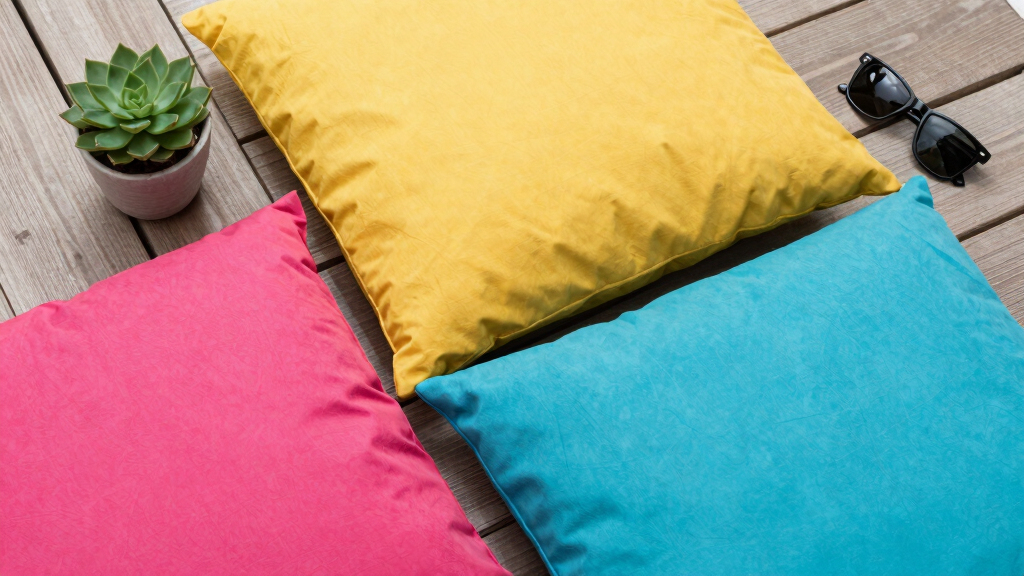
weather-resistant outdoor fabric cushions
As an affiliate, we earn on qualifying purchases.
As an affiliate, we earn on qualifying purchases.
Which Material Types Offer the Most Durability?
| Material Type | Strengths | Ideal Uses |
|---|---|---|
| Solution-Dyed Acrylic | Excellent UV resistance, colorfast, mildew-proof, soft to touch | Cushions, umbrellas, outdoor upholstery |
| Polyester | Good durability, water-resistant, affordable | Umbrellas, covers, furniture fabric |
| Olefin (Polypropylene) | Resistant to moisture, stains, and fading | Outdoor rugs, drapes, cushion covers |
| Natural Fabrics (treated) | Breathable, eco-friendly, can be coated for weather resistance | Canvas awnings, outdoor curtains |
The table shows that synthetic fabrics like solution-dyed acrylic and polyester top the list for outdoor durability, especially when it comes to UV and water resistance. However, it’s important to consider the tradeoffs: higher durability often means a stiffer or less natural feel, and some coatings may diminish breathability. Natural fabrics, while more eco-friendly and breathable, typically require additional treatments to match the weather resistance of synthetics, which can add to cost and complexity. Understanding these nuances helps you choose fabrics that align with your climate, aesthetic preferences, and maintenance willingness, ensuring your outdoor setup remains both beautiful and functional over years of exposure.
solution-dyed acrylic outdoor fabric
As an affiliate, we earn on qualifying purchases.
As an affiliate, we earn on qualifying purchases.
How Recent Innovations Make Outdoor Fabrics Last Longer
Emerging technological advances are revolutionizing outdoor fabric durability. Nanotechnology-based coatings, for example, create a microscopic barrier that repels water, stains, and dirt without impeding breathability. This means your cushions can resist wine spills and rain simultaneously, maintaining comfort and appearance longer than ever before.
Eco-friendly treatments are also gaining traction. These involve environmentally safe chemicals that resist mold, UV damage, and moisture, reducing environmental impact while extending fabric lifespan. Additionally, some fabrics now embed UV sensors or change color when exposed to excessive sun—these innovations serve as practical alerts, helping you protect your outdoor furniture before damage occurs. These advances not only prolong the life of fabrics—often by 5-10 years—but also simplify maintenance, reduce replacement costs, and promote sustainability.
Understanding these innovations allows you to make smarter choices, balancing durability, environmental impact, and ease of care, so your outdoor space remains vibrant and inviting for years to come.
UV resistant outdoor furniture fabric
As an affiliate, we earn on qualifying purchases.
As an affiliate, we earn on qualifying purchases.
What You Should Know About Maintaining Weather-Resistant Fabrics
Keeping your outdoor fabrics looking fresh and functioning well involves straightforward maintenance routines. Most weather-resistant textiles are designed for easy cleaning—simply using mild soap and water can remove dirt and grime that accumulate over time. For stubborn stains, gentle brushing with a soft-bristled brush helps lift the mess without damaging the fabric or compromising its water-repellent properties.
However, some fabrics with special coatings or treatments may require specific cleaning agents to preserve their effectiveness. Always consult the manufacturer’s instructions, as using the wrong cleaning products can diminish protective layers or cause discoloration. Regular maintenance not only keeps your fabrics looking vibrant but also prevents mold, mildew, and fiber degradation, ultimately extending their lifespan.
Additional tips include covering cushions during heavy rain or snow, and storing them in dry, ventilated spaces during the off-season. These simple steps reduce unnecessary wear and exposure to damaging elements, ensuring your outdoor fabrics stay resilient and beautiful year after year.
As an affiliate, we earn on qualifying purchases.
Cost, Lifespan, and How to Pick the Best Fabric for Your Porch
Choosing the ideal outdoor fabric involves balancing your budget, climate considerations, and how much your furniture will be used. High-quality solutions like solution-dyed acrylics tend to have a higher upfront cost—typically $15-$25 per yard—but their durability means they can last over 10 years with proper care. This investment often results in lower replacement costs over time, making them cost-effective in the long run.
On the other hand, cheaper options like basic polyester may seem appealing initially but often wear out after 3-5 years, especially in harsh weather conditions. This can lead to more frequent replacements and higher cumulative costs, not to mention the inconvenience of reupholstering or replacing furniture sooner than expected. Think of it as choosing between a sturdy, long-lasting country quilt and a cheaper blanket that quickly wears out—sometimes paying more upfront yields better value over time.
When selecting fabrics, consider:
- Climate: Humid or rainy areas demand mildew-resistant fabrics to prevent mold growth.
- Usage: Heavy-use furniture benefits from highly durable, tear-resistant textiles.
- Budget: Investing in quality fabrics can save money and effort in the long run, especially if you plan to enjoy your outdoor space for years.
Frequently Asked Questions
What is the most durable fabric for outdoor furniture?
Solution-dyed acrylics are widely regarded as the toughest outdoor fabrics. They resist fading, moisture, and mildew, making them perfect for cushions, umbrellas, and upholstery that face regular sun and rain.
How do I clean weather-resistant outdoor fabrics?
Most can be cleaned with a mixture of mild soap and water. For stubborn stains, use a soft brush or sponge. Always check the manufacturer’s care instructions, especially if the fabric has special coatings.
Are weather-resistant fabrics eco-friendly?
Many fabrics are treated with chemicals that aren’t eco-friendly, but options are improving. Look for fabrics with green certifications or natural treatments that avoid harmful chemicals.
Can I use regular indoor fabrics outside?
It’s not recommended. Indoor fabrics lack weather-resistant properties and will fade, mold, or rot quickly when exposed to outdoor elements.
How long do weather-resistant fabrics last?
Typically between 3 to 7 years, depending on exposure and maintenance. High-quality options like solution-dyed acrylics can last over a decade with proper care.
Conclusion
Picking the right weather-resistant fabric is like choosing a trusted country neighbor—reliable, durable, and always there when you need it. With modern innovations, you can enjoy a porch that stays cozy and colorful through every season.
Remember, investing a little extra in quality now means more years of peaceful, beautiful outdoor living. Keep your country charm alive—your porch will thank you for it.
Flea & tick season Picks
flea and tick prevention
As an affiliate, we earn on qualifying purchases.