
TL;DR

Turn quiet afternoons into listening time
- Thousands of audiobooks, podcasts and originals
- Listen on your phone, tablet or Echo — also offline
- Cancel anytime
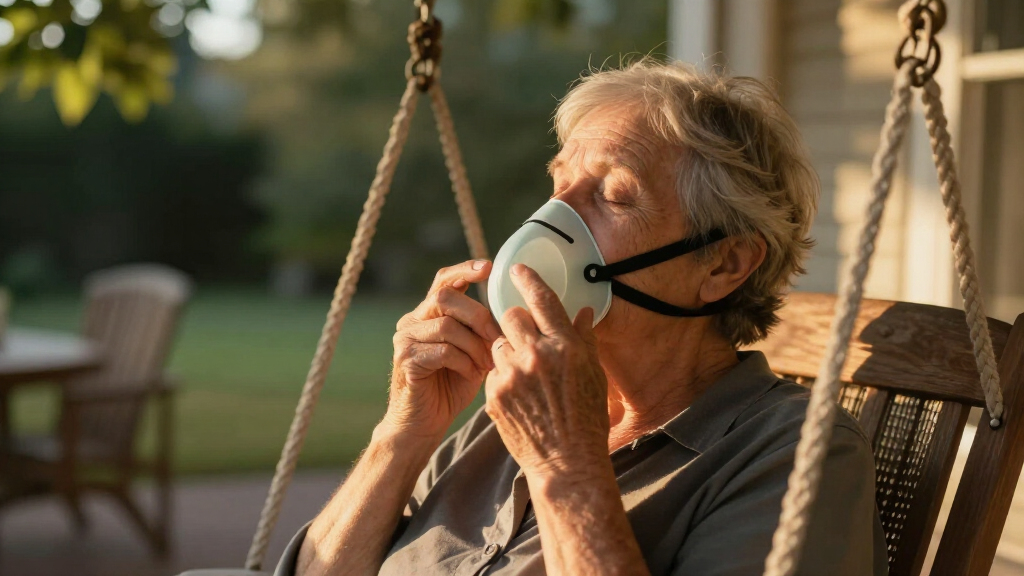
Breathing exercises are quick, free techniques that may reduce short-term stress and physical tension. Regular practice can help you feel calmer, more centered, and ready for everyday challenges.
Sometimes, all it takes to turn a stressful day around is a few deep, calming breaths. Breathing — simple, accessible, and free — holds more power than many realize. It’s like a gentle reset button for your nervous system, quietly easing tension in your body and mind.
Whether you’re feeling overwhelmed, anxious, or just want to unwind after a busy morning, these easy breathing techniques can become your go-to tools. No special equipment needed — just a comfy chair, a quiet spot, and a moment to breathe.
In this guide, you’ll discover practical exercises, tips for making them a habit, and insights into how they work. Let’s explore how a few slow, mindful breaths can bring a soft wave of calm into your day.
Slow, gentle breathing activates your relaxation response, calming your nervous system naturally.
Practicing for just 1-5 minutes daily can build a calming habit that helps manage daily stress.
Longer exhalations and belly breathing are especially effective for quick relaxation.
Always listen to your body: stop if you feel dizzy or uncomfortable, and seek guidance if you have health conditions.
Consistency over time makes breathing exercises a trusted tool for feeling calmer and more centered.
Simple Breathing Exercises for Calm and Relaxation
Quick, free techniques that may reduce short-term stress and physical tension. Slow, gentle breathing — especially with longer exhalations — activates your body’s natural “rest-and-digest” response, like a gentle reset button for your nervous system. No equipment needed: just a quiet spot and a moment to breathe.
Why Slow, Gentle Breathing Works
Controlled breathing signals safety to your body — shifting the nervous system out of fight-or-flight and into rest-and-digest mode.
From Busy Road to Country Lane
Slow, comfortable breathing reduces your breathing rate and triggers the parasympathetic nervous system — the part responsible for relaxation and digestion. Heart rate slows, blood pressure eases, and muscles loosen.
The Exhale Advantage
Longer exhalations specifically activate the vagus nerve, a key player in the relaxation response. Extending your exhale is a direct message to your body: it’s safe to calm down and recover.
The Overbreathing Trap
The goal is quiet, gentle breathing — not the largest possible breath. Forcing very deep breaths can cause dizziness or tingling from overbreathing. Ease and rhythm beat effort every time.
Training Your Nervous System
Consistent daily practice strengthens your body’s natural resilience to stress over time, helping prevent the chronic tension that contributes to anxiety and hypertension.
Six Exercises You Can Do Anytime
On the porch, in bed, or during a break from chores — each technique is a gentle way to soothe mind and body. Start with one or two.
Longer-Exhale Breathing
- Inhale gently through the nose — about 4 seconds
- Exhale slowly — about 6 seconds
- Continue for one to five minutes
The exact count doesn’t matter. Choose a rhythm that feels easy — never strain to extend the exhale.
Box Breathing
- Inhale for 4 counts
- Pause for 4 counts
- Exhale for 4 counts
- Pause again for 4 counts
This rhythmic square pattern stabilizes the nervous system. Dislike holding? Shorten or skip the pauses.
Belly Breathing
- One hand on chest, one on belly
- Inhale — belly rises like a soft balloon
- Exhale slowly — belly falls
The lower hand should move more than the upper. Avoid pushing the belly out or exaggerating the breath.
Physiological Sigh
- One comfortable inhale
- One small second inhale on top
- One long, relaxed exhale
A quick mental reset for acute tension. Repeating it rapidly or excessively can cause light-headedness.
Mindful Breath Counting
- Breathe normally
- Count each exhale: one to five, then restart
- When the mind wanders, gently return
Combines relaxed breathing with mindfulness — anchoring attention and quieting racing thoughts.
Pursed-Lip Breathing
- Inhale gently through the nose
- Exhale slowly through softly pursed lips
- Imagine cooling hot food — not blowing a candle
Prevents rushed exhalation during high-stress moments. With lung conditions, follow your clinician’s guidance.
Breath Rhythms at a Glance
Each bar shows one full breath cycle. Note how every effective pattern emphasizes a longer exhale.
From First Breath to Daily Ritual
Pair practice with a cue — before meetings, after commuting, or at bedtime — and consistency follows naturally.
Set the Scene
Sit or lie somewhere safe. Loosen tight clothing, relax jaw and shoulders.
Start Small
One to two minutes, once or twice daily — before you need it under stress.
Anchor a Cue
Link practice to an existing routine moment so the habit sticks.
Feel the Calm
Cumulative practice builds resilience — calm arrives faster and lasts longer.
What Science Is Exploring Now
Short, structured breathing is increasingly studied as a stand-alone tool — not just part of meditation or yoga.
| Area of Research | What It Involves | Early Findings | Maturity |
|---|---|---|---|
| Cyclic Sighing | Repeated sigh-like breaths with prolonged exhalation | May improve mood and reduce breathing rate | Preliminary — larger, longer studies needed |
| Resonance Breathing | Pacing at roughly 5–6 breaths per minute, often with HRV biofeedback | Studied alongside heart-rate-variability training | Active — ideal rate varies by individual |
| Wearables & Apps | Guided pacing using heart rate, breathing rate, or HRV | May support consistency of practice | Caution — consumer claims vary in reliability |
| Personalization | Tailoring techniques to comfort, health conditions, and anxiety sensitivity | Growing focus on matching method to the person | Emerging research direction |
Listen to Your Body
Practice Guidelines
- Stop if symptoms become unpleasant; return to normal breathing
- Keep the breath smooth rather than unusually deep
- Never strain to extend the exhale — comfort is the guide
- Seek guidance if you have heart or lung conditions
- Exercises complement — never replace — therapy or medical care
- Benefits vary: some feel calm in minutes, others need repetition
The Practice Curve
How key markers of relaxation tend to respond to consistent daily practice over time.
What makes slow, gentle breathing so effective?
Slow, comfortable breathing can shift your body from stress mode into a state of calm. It reduces your breathing rate and triggers your parasympathetic nervous system — the part responsible for relaxation and digestion. Think of your body as a busy country road; when you breathe slowly, it’s like switching to a peaceful country lane. This switch is important because it signals to your body that it’s safe to relax, allowing your heart rate to slow, blood pressure to decrease, and muscles to loosen.
Research shows that even a few minutes of gentle breathing can produce measurable health benefits, such as lowering blood pressure, reducing heart rate, and easing muscle tension. These physiological changes are not just temporary—they can help improve overall well-being when practiced regularly. For example, longer exhalations specifically activate the vagus nerve, a key player in the relaxation response. This means that by consciously extending your exhale, you’re effectively telling your body to calm down and recover from stress. These effects matter because they help prevent the buildup of chronic stress, which can contribute to health issues like hypertension or anxiety over time.
Just like tuning a vintage radio to find a clearer signal, slow breathing helps your mind find its calm center amid daily noise. It’s a natural, safe way to support your well-being without any gadgets or medicines. The implication is that, with consistent practice, you can build a mental and physical resilience that makes everyday stress easier to handle, enhancing your quality of life without side effects or dependency.
Products Worth Considering

Orbit B-hyve XR Smart Indoor/Outdoor Sprinkler Controller, 16 Zones

Solo Stove Ranger 2.0 15-Inch Smokeless Fire Pit with Stand

Greenworks 40V 12-Inch Cordless Chainsaw with 2.0Ah Battery and Charger
As an affiliate, we earn on qualifying purchases.
Understanding the Basics of Breath Control
Before diving into specific exercises, it’s helpful to understand what makes a breathing technique effective. The key factors include the rhythm of your breath, the length of your exhalations, and your focus during practice. Controlled breathing involves consciously slowing down your breath, paying attention to each inhale and exhale, and maintaining a gentle, relaxed pace. This deliberate control signals your body that it’s safe to relax, shifting your nervous system into a calmer state.
When you focus on extending your exhalation, you activate the vagus nerve, which helps slow your heart rate and promote feelings of calm. Combining this with mindful awareness of your body’s sensations enhances the relaxation response. It’s like giving your nervous system a gentle nudge to switch from fight-or-flight mode to rest-and-digest mode.
By understanding these basics, you can tailor your breathing practice to suit your needs, making it easier to incorporate into your daily routine and ensuring each session is as effective as possible.
Try these 6 simple breathing exercises anytime you need calm
Here are six easy exercises anyone can do — whether you’re sitting on your porch, lying in bed, or taking a break during chores. Each one offers a gentle way to soothe your mind and relax your body. Understanding why these techniques work helps you make the most of them. For example, longer exhalations and mindful counting slow your heart rate and activate your relaxation response, which is especially helpful during stressful moments. Belly breathing brings awareness to your body, helping you release tension held in your abdomen and chest. The physiological sigh is a quick shortcut to release accumulated stress, like a mental reset. By practicing these regularly, you’re not just calming yourself momentarily—you’re training your nervous system to respond more effectively over time. This can lead to a greater sense of calm throughout your day, reducing the risk of stress-related health issues. Remember, the key is consistency: small, daily doses of these exercises can have a cumulative effect, strengthening your body’s natural resilience to stress and improving your overall sense of well-being.
- Longer-exhale breathing — Inhale through your nose for about four seconds, then exhale slowly through your mouth or nose for six seconds. Repeat for 1-5 minutes. This technique enhances the parasympathetic response, helping your body shift into a more relaxed state and reducing feelings of anxiety or tension.
- Box breathing — Inhale for four counts, hold for four, exhale for four, hold for four. Repeat several rounds. This rhythmic pattern stabilizes your nervous system, making it easier to regain focus and calm during stressful times.
- Belly breathing — Place one hand on your chest, one on your belly. Breathe in gently, feeling your belly rise like a soft balloon. Exhale slowly, feeling the belly fall. Practicing this deep, diaphragmatic breathing helps release stored tension and encourages full oxygen exchange—supporting overall relaxation and energy balance.
- Physiological sigh — Take a comfortable inhale, then another small inhale, and finally a long exhale. Repeat 1-3 times. This quick, intentional breathing helps clear residual stress and promotes a feeling of mental and physical reset, which can be especially helpful after stressful events.
- Mindful breath counting — Breathe normally. Count each exhale from one to five, then start again. When your mind wanders, gently return. This practice anchors your attention, quiets racing thoughts, and trains your brain to stay present—an important skill for managing daily stress and preventing overwhelm.
- Pursed-lip breathing — Inhale gently through your nose, then exhale slowly through pursed lips, as if blowing out a candle. This controlled exhalation prevents rushing and shortness of breath, making it particularly useful during moments of high stress or panic, helping you regain control and composure.
Choose one or two to start with. Practice daily, even just for a minute or two — consistency makes these techniques more effective over time. Over time, these exercises can strengthen your parasympathetic nervous system, making it easier to achieve calm quickly and maintain that calm longer.
Conclusion
Sometimes, the simplest tools are the most powerful. A few mindful breaths can turn chaos into calm — like a gentle country stream flowing softly through a quiet evening. Keep your practice gentle, regular, and tuned to your own rhythm.
Remember: your breath is always with you, ready to bring a moment of peace whenever you need it. So take a deep breath, and let the quiet country feeling settle in — peaceful, gentle, and always available.