
TL;DR

Get comfort and care essentials delivered free — and shop member deals
- Fast, free delivery on millions of items
- Access to Prime Big Deal Days deals on October 6–7
- Prime Video, Amazon Music and more included
To warm a drafty country bedroom, start by sealing leaks and improving insulation. Use textiles and targeted heating to boost comfort without overhauling your entire heating system. Small fixes make a big difference.
Nothing feels more like a slap in the face than stepping into a chilly country bedroom on a winter morning. The cold air sneaking around old windows and gaps can turn cozy into uncomfortable in minutes. But before you crank up the heater, consider this: the real trick is stopping the drafts first. Once those leaks are tamed, the room stays warmer longer, and your energy bills drop.
In this guide, you’ll learn simple, practical ways to keep that drafty room snug. From sealing gaps to layering textiles, every tip is designed to make your bedroom a warm haven — without expensive upgrades or complicated work. Let’s turn that icy space into a cozy retreat you’ll look forward to waking up in.
Start by locating and sealing all drafts around windows, doors, and gaps to stop cold air from sneaking in.
Use thick, well-fitted curtains and textiles to trap heat and improve room comfort without major renovations.
Target your warmth with electric blankets or hot-water bottles instead of overheating the whole room.
Keep your heating system in good shape: bleed radiators, clear vents, and control thermostats smartly.
When simple fixes aren’t enough, consider insulation upgrades or secondary glazing for lasting warmth.
Simple Ways to Warm a Drafty Country Bedroom
Stop cold air before turning up the heat. A thoughtful mix of draft-proofing, window insulation, layered textiles, and targeted warmth can transform a chilly bedroom without an expensive overhaul.
Fix the room in the right order
Cold bedrooms are usually shaped by several small weaknesses. Addressing them in sequence prevents new heat from escaping as quickly as it is produced.
Find
Use a tissue on a windy day to locate movement around frames, floors, hatches, outlets, and pipes.
Seal
Add removable weatherstripping, suitable gap sealant, a door sweep, or a fabric draft excluder.
Retain
Improve windows, floors, and bedding so the warmth already in the room stays useful for longer.
Heat
Use maintained radiators, smart timing, and safe personal heating only where comfort still needs a lift.
Track down the coldest leaks
Small openings create moving air, uneven temperatures, and extra heating demand. Work methodically around the room rather than checking only the windows.
Sashes and frames
Check joints, locks, meeting rails, and gaps where old frames meet plaster or timber trim.
Edges and thresholds
Look beneath the door and around the frame. Fit a sweep without preventing safe closure.
Boards and baseboards
Inspect exposed cracks and perimeter gaps, especially above ventilated crawl spaces.
Attic hatches
Weatherstrip the hatch and confirm insulation sits neatly around it without obstructing access.
Pipes and outlets
Check penetrations on exterior walls and use products suitable for the surface and location.
Unused fireplaces
Consider an appropriate removable blocker or damper while preserving required ventilation.
Never block intentional vents, combustion-air supplies, flues, or required ventilation openings. Use a tissue or purpose-made smoke pencil for detection—never an open flame.
Build a warmer microclimate
Textiles reduce contact with cold surfaces and hold still air close to the bed. They improve how the room feels even before structural upgrades are possible.
Comfort impact
A practical ranking of low-disruption measures for a typical drafty country bedroom.
Layer the bed
Several breathable layers are easier to adjust than one excessively heavy covering.
Keep the charm, reduce the chill
Old glass may feel drafty even when it is airtight. Cold glazing cools nearby air and increases radiant heat loss, so insulation still improves comfort.
| Window measure | Best use | Character preserved | Seasonal removal | Practical note |
|---|---|---|---|---|
| Thermal curtains | Quick win | ✓ Yes | ✓ Easy | Fit closely, close at dusk, and keep clear of radiators. |
| Lined shutters | Traditional fit | ✓ Yes | ~ Fixed | Close fully at night and open for useful winter sunlight. |
| Insulation film | Low disruption | ✓ Usually | ✓ Easy | Apply carefully to a clean frame and follow product guidance. |
| Magnetic secondary glazing | Strong upgrade | ✓ Yes | ✓ Removable | Adds an interior air layer without replacing historic windows. |
| Interior acrylic panel | Cold glazing | ✓ Yes | ✓ Removable | Useful when the frame is sound but single glazing feels cold. |
Make heat work smarter
Once leaks are controlled, improve distribution and deliver warmth when it is useful—before bedtime, around waking, and directly to the bed when appropriate.
Restore circulation
Bleed radiators that are cold at the top, keep valves accessible, and move curtains or furniture away from the heat path.
Clear the route
Open vents, clean heat-pump filters, and investigate balancing when a distant bedroom remains colder than nearby rooms.
Heat the sleeper
Use a modern electric blanket, heated mattress pad, or hot-water bottle according to the manufacturer’s safety instructions.
Inspect electrical bedding regularly. Never combine a hot-water bottle with an electric blanket unless the manufacturer explicitly permits it.
Know when to escalate
If simple measures do not create stable comfort, follow the evidence toward larger improvements rather than adding more portable heat.
Historic cottages may require vapor-permeable materials and specialist advice. Inappropriate impermeable insulation can trap moisture inside traditional walls. Manage damp with effective ventilation, extractor fans, and repaired leaks; a dehumidifier does not replace those essentials.
Find and Block the Coldest Leaks First
The first step to warming a drafty country bedroom is hunting down those sneaky air leaks. Common culprits include window frames, door gaps, floor cracks, attic hatches, and even electrical outlets. For example, on a breezy day, hold a tissue near suspected spots — if it flutter, you’ve found a leak. An electric smoke pencil works even better, but avoid open flames around potential drafts.
Once identified, sealing these leaks makes a huge difference. Use removable weatherstripping around windows and doors, add draft excluders beneath the door, and seal gaps around pipes and outlets. These small fixes often cut drafts significantly, making your room feel warmer without cranking the heater.
Why does this matter? Because even small leaks can let in a surprising amount of cold air, which not only makes the room feel chilly but also causes your heating system to work harder to compensate. By sealing these leaks, you reduce energy waste, lower your heating bills, and create a more stable, comfortable environment. It’s a simple step with a big impact, but it requires attention to detail—neglecting small gaps can undermine all your other efforts.
draft stopper for windows and doors
As an affiliate, we earn on qualifying purchases.
As an affiliate, we earn on qualifying purchases.
Upgrade Your Windows’ Insulation Without Losing Charm
Old single-pane windows are notorious for letting cold air in and warmth out. Yet, replacing them can be costly and spoil the vintage look. Instead, focus on insulation solutions that preserve your home’s character. Thermal curtains or lined shutters closed at dusk trap heat inside, while opening in the sunlight during the day allows warmth to flow in naturally.
For more effective insulation, consider removable window-insulation film or magnetic secondary glazing. These options reduce heat loss and are gentle on historic frames. For example, a thick, tightly fitted curtain can add a layer of warmth, especially when it doesn’t hang over the radiator, so heat can circulate freely.
Why does this matter? Because windows are often the greatest source of heat loss in older homes. Improving their insulation helps maintain warmth without sacrificing charm. The key is balancing preservation with practicality—using removable, non-invasive solutions that can be easily adjusted or removed as seasons change. This approach allows you to enjoy the aesthetic appeal of vintage windows while significantly reducing drafts and heat loss, making your room more comfortable year-round.
thermal insulated curtains for bedrooms
As an affiliate, we earn on qualifying purchases.
As an affiliate, we earn on qualifying purchases.
Layer Textiles for Instant Comfort and Extra Warmth
Textiles are your best friends when it comes to making a cold room feel warmer. A large wool rug with a dense underlay turns a cold, echoing timber or stone floor into a soft, warm surface underfoot. For your bed, layering breathable sheets, a wool blanket, and a good duvet provides cozy warmth without the heaviness of one bulky blanket.
Adding a fabric headboard or a wall hanging can also help block drafts from exterior walls. For example, a thick, quilted wall hanging behind your bed can cut down on the chill radiating from cold walls, making your sleeping space feel much warmer and inviting.
Why does this matter? Because textiles do more than just add comfort—they create a barrier to heat loss and drafts. Thick, well-chosen fabrics can trap warm air close to your body and prevent cold drafts from reaching you. The tradeoff is that some textiles may retain dust or allergens, so choosing natural, breathable materials is wise. Layering also offers flexibility; you can adjust your textiles seasonally for optimal comfort. This approach makes the room feel instantly warmer and is a simple, effective way to enhance your comfort without any structural changes.
As an affiliate, we earn on qualifying purchases.
Target Bed-Warming Devices for Cozy Nights
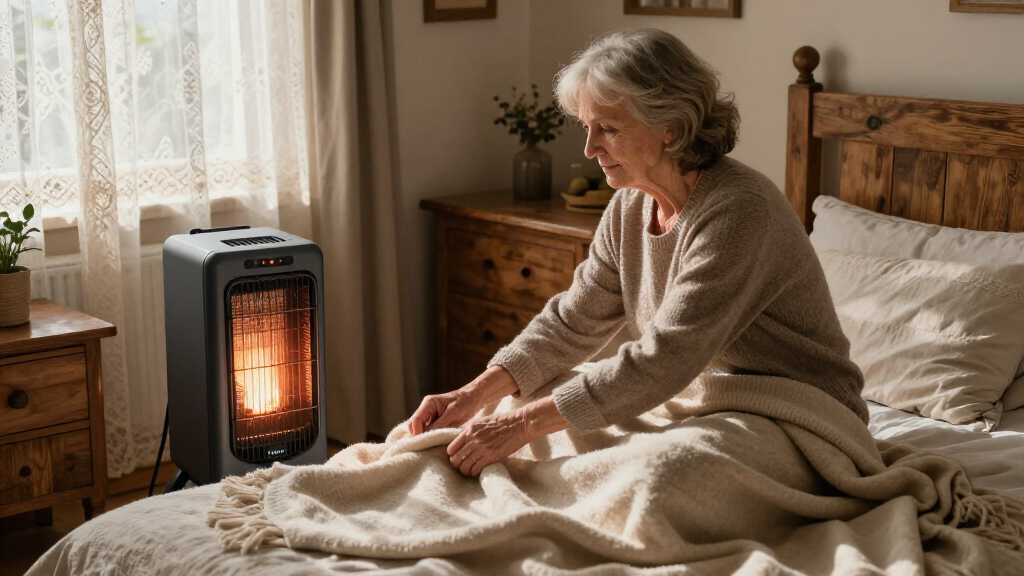
Instead of trying to heat the entire room, focus on warming yourself directly. An electric blanket, heated mattress pad, or a hot-water bottle can make nights much more comfortable. For instance, a timed electric blanket set to turn off after a few hours or a low-wattage hot-water bottle can keep you warm through the coldest nights without wasting energy.
Why does this matter? Because heating a whole room can be inefficient and costly, especially in older homes with poor insulation. Targeted warmth allows you to stay cozy without overusing your heating system, which can help lower energy bills. Additionally, personal heating devices can be controlled easily, giving you flexibility and comfort. The tradeoff is that these devices require proper safety precautions—always follow manufacturer instructions and regularly inspect them to prevent accidents. Personal warmth solutions are a practical, cost-effective way to improve comfort, especially during the coldest months.
As an affiliate, we earn on qualifying purchases.
Make Your Heating System Work Smarter, Not Harder
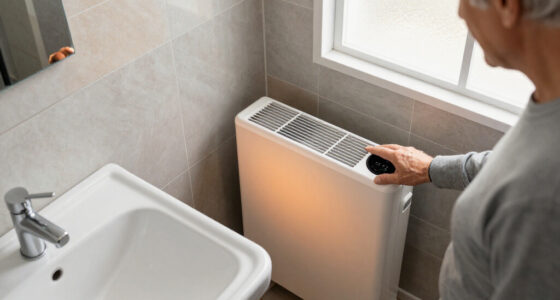
Your radiators or heaters need to be in tip-top shape to keep a drafty room warm. Bleed cold radiators to remove trapped air, which prevents hot water from circulating properly. Keep curtains and furniture away from radiators to allow heat to spread evenly. For example, a radiator with a thermostatic valve lets you control the temperature precisely, avoiding wasted energy.
Why does this matter? Because even the best heating system can underperform if not properly maintained. Trapped air, blocked vents, or obstructed radiators can create cold spots, making the room feel chilly despite the boiler running. Regular maintenance ensures your system operates efficiently, saving energy and money. Balancing the system—adjusting valves and ensuring proper circulation—can significantly improve comfort. The tradeoff is that neglecting maintenance leads to inefficiency and higher costs, so a little regular upkeep can go a long way in maintaining a warm, cozy space.
Control the Temperature with Smart Timing
Heating a room all night can waste energy and still leave you cold. Instead, program your heating to warm the room before bedtime and again early in the morning. Many smart thermostats and radiator controls can be set to match your schedule, ensuring warmth when you need it most — without overheating during the night.
Why does this matter? Because maintaining a consistent temperature is more energy-efficient and can prevent overheating or excessive cooling. Proper timing also ensures that your room is warm when you wake up, reducing the shock of stepping into a cold space. The tradeoff involves initial setup and possibly investing in smart controls, but these are often offset by lower energy bills and increased comfort. Smart timing is a simple, modern solution that adapts to your lifestyle, making your bedroom both cozy and cost-effective.
Manage Damp and Humidity for a Warmer, Safer Room
Damp air feels colder and encourages condensation on windows and walls. Proper ventilation helps keep humidity levels in check. Briefly opening windows for a few minutes each hour can refresh stale air without losing too much warmth. Use extractor fans in bathrooms and kitchens, and avoid drying laundry in the bedroom, which adds moisture.
Why does this matter? Because excess humidity can lead to mold, mildew, and a damp feeling that makes a room seem colder. Proper humidity control not only improves comfort but also preserves the integrity of older building materials. Using a dehumidifier can be helpful, but it’s important to address the root causes—like leaks and poor ventilation—rather than relying solely on appliances. Managing moisture levels helps maintain a dry, warm environment, reducing health risks and prolonging the life of your home’s structure.
Consider Bigger Improvements When Simple Fixes Fall Short
If your bedroom remains cold despite all these efforts, it may be time for more substantial upgrades. Adding attic insulation, sealing leaks professionally, or installing secondary glazing can make a big difference. For older homes, vapor-permeable insulation and careful moisture management are key, as traditional buildings need breathable materials to avoid damage.
Why does this matter? Because small fixes can only go so far if the structure itself allows heat to escape or moisture to penetrate. Larger upgrades often require planning and investment but provide a significant boost in comfort and energy savings in the long run. These improvements help create a more airtight environment, reducing drafts and heat loss that smaller fixes cannot fully address. The tradeoff involves upfront costs and effort, but the payoff is a consistently warmer, healthier home that needs less energy to maintain.
Frequently Asked Questions
Why is my bedroom cold even when the heating is on?
Often, cold bedrooms suffer from drafts, unbalanced radiators, or poor insulation. Cold exterior surfaces and gaps around windows or doors let heat escape, making your space feel chilly even with the heater running.
How can I find where a draft is coming from?
Use a tissue or a smoke pencil near suspect spots — if the tissue moves or smoke wavers, you’ve found a leak. You can also check windows, doors, electrical outlets, and pipe penetrations for gaps. A thermal camera can help identify cold spots and drafts.
What is the cheapest way to warm a drafty bedroom?
Start with sealing leaks with weatherstripping and draft excluders, then add thick curtains and layer your bedding. These low-cost, simple fixes often provide more warmth and comfort than expensive space heaters or insulation upgrades.
Do draft excluders really work?
Yes, especially when there’s a clear gap beneath the door. They block cold air from sneaking in at the bottom but won’t fix leaks around windows or where walls meet floors. Proper sealing is still needed for best results.
Are thermal curtains worth it?
Absolutely. Thick, well-fitted thermal curtains can dramatically reduce heat loss through windows, especially at night. They work best when they don’t block radiators and fit snugly around the window frame.
Conclusion
Remember, the smallest leaks can steal a surprising amount of heat. By sealing drafts, layering textiles, and using targeted warmth, you can turn a cold, drafty bedroom into a cozy retreat. It’s not about expensive upgrades — it’s about smart, simple fixes that make your space genuinely comfortable.
Imagine waking up in a room that feels warm, inviting, and peaceful — no matter how fierce the wind howls outside. That’s the charm of a well-warmed country bedroom, where comfort is built on thoughtful, everyday choices.
Halloween Picks
halloween
As an affiliate, we earn on qualifying purchases.