
TL;DR

Turn quiet afternoons into listening time
- Thousands of audiobooks, podcasts and originals
- Listen on your phone, tablet or Echo — also offline
- Cancel anytime
Bathroom confidence comes from small, smart aids like grab bars and non-slip mats. These simple tools reduce fall risk and help you feel secure during daily routines. Proper use and placement are key to safe, independent living.
Few places in your home pose more risk than the bathroom. Slippery floors, narrow spaces, and the challenge of balance can turn a simple routine into a dangerous task. But a few thoughtful aids can turn that risk into confidence.
In this guide, you’ll find practical, easy solutions to make your bathroom safer and your daily routine smoother. It’s about more than safety—it’s about dignity, independence, and peace of mind.
Installing grab bars and non-slip mats drastically reduces bathroom falls—up to 60% according to safety studies.
Choose aids suited to your space and mobility—don’t settle for one-size-fits-all solutions.
Proper installation is crucial; consider professional help for secure, safe setup.
Regular maintenance keeps aids effective—inspect and clean every few months.
Confidence in using bathroom aids builds over time with practice and proper support.
Bathroom Confidence
Simple aids can turn slippery surfaces, tight spaces, and difficult movements into a safer daily routine. The goal is bigger than fall prevention: it is dignity, independence, and peace of mind.
“Small, well-placed changes can restore confidence to an entire routine.”
Three aids that keep you steady
The best safety setup supports the moments when balance is most challenged: stepping across a threshold, lowering or rising, and standing on a wet surface.
Grab bars
A reliable handhold beside the toilet, shower, or tub helps control sudden balance loss and reduces unsafe reaching.
Non-slip mats
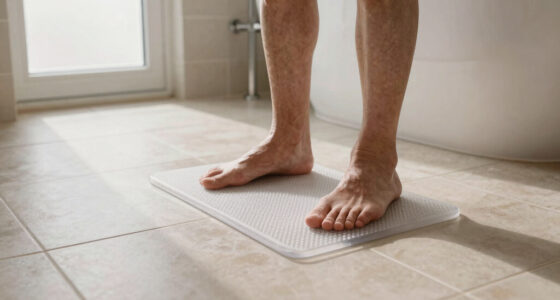
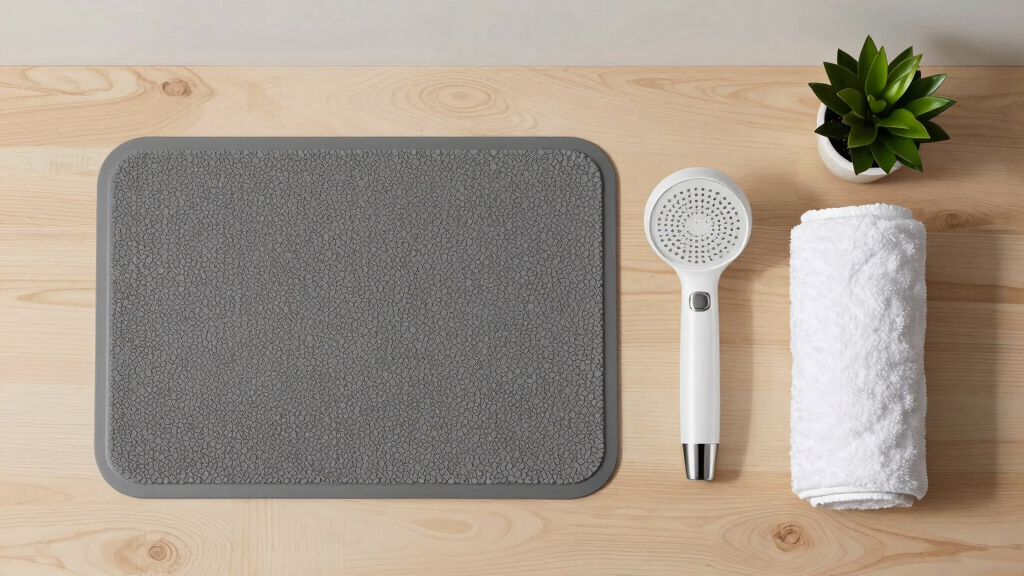
Textured mats add friction where water and soap make floors slick, especially outside a shower or tub.
Shower chairs
Sitting reduces fatigue and stabilizes the body when prolonged standing or turning is difficult.
Choose for the movement—not the catalogue
Mobility, body strength, wall construction, room dimensions, and daily habits determine which aid is genuinely safe. One-size-fits-all choices can create a false sense of security.
| Aid | Best suited to | Primary benefit | Installation need | Watch for |
|---|---|---|---|---|
| Grab bar | Extra support near toilets, tubs, and showers | ✓ Strong handhold during transfers | ✓ Secure structural anchoring | ✗ Towel rails are not substitutes |
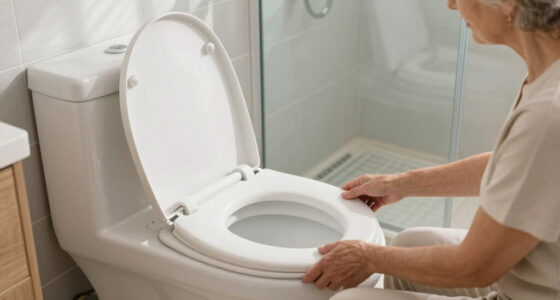
| Raised toilet seat | Joint pain, weakness, or difficulty rising | ✓ Less bending and leg strain | ~ Stable fit and correct height | ✗ Wobbling or excessive height |
| Shower chair | Limited balance or standing endurance | ✓ Stable, lower-fatigue bathing | ~ Level floor and clear access | ✗ Sliding feet or poor sizing |
| Non-slip mat | Wet transition zones and slick floors | ✓ Added surface friction | ✓ Flat, clean, grippy placement | ✗ Curled edges and worn backing |
| Fold-away support | Tight or shared bathrooms | ✓ Support without lost floor space | ✓ Professional mounting advised | ~ Hinge wear and locking action |
Install and use aids safely
Correct placement and structural support matter as much as the product itself. An aid should be reachable without twisting, stretching, or stepping off balance.
Observe
Identify where balance is lost, effort peaks, or unsafe reaching occurs.
Measure
Check reach, transfer height, wall type, clearance, and user weight.
Anchor
Follow manufacturer guidance and use rated fixings for the surface.
Test
Apply gentle, controlled pressure before depending on the aid.
Practise
Rehearse the movement slowly with support until it feels natural.
Know when to call a professional
Tile, plaster, uncertain wall structure, fold-away supports, or any aid expected to bear substantial body weight can justify professional installation.
Safety is a routine, not a one-time purchase
Clean surfaces, secure fasteners, and repeated practice keep bathroom aids dependable. Confidence grows when every support behaves predictably.
The recurring check
From small aid to everyday independence
Bathroom confidence is built through a connected sequence: identify the risk, support the movement, practise safely, and maintain the equipment.
Why Bathroom Safety Matters More Than You Think
The bathroom is where most falls happen among seniors—about 80% of all falls in the home occur there, according to safety studies. These falls often lead to serious injuries like fractures or head trauma, which can significantly impact mobility and independence. The confined space and wet surfaces increase the risk, making safety measures essential.
When a fall occurs in the bathroom, it can result in hospital stays, reduced mobility, or even a loss of independence—outcomes that many seniors want to avoid. Using aids such as grab bars and non-slip mats helps distribute support where it’s needed most, reducing the likelihood of a dangerous slip. These small but critical modifications acknowledge the bathroom’s unique hazards and help mitigate them.
Taking small steps now to improve bathroom safety isn’t just about preventing falls—it’s about preserving your ability to live independently and with dignity for as long as possible.
Products Worth Considering

EGO POWER+ 21 Cordless Electric Lawn Mower Kit, Self-Propelled

HOOYEAH 6 x 6 ft Walk-In Polycarbonate Greenhouse

EGO Power+ LB8803-2 Cordless Leaf Blower with Two Batteries
As an affiliate, we earn on qualifying purchases.
3 Must-Have Aids That Keep You Steady
If you want to prevent slips and falls, start with these three essentials, understanding why each is impactful:
- Grab bars: These provide a vital handhold in areas where balance is most challenged, such as near the toilet or in the shower. Their sturdy support can prevent falls during sudden balance loss or when getting up or down, which is especially important for those with limited strength or joint issues. Properly placed, they offer a reliable anchor point that helps bridge the gap between instability and safety. The tradeoff is that poorly installed grab bars may not support your weight when needed, so understanding correct placement and installation is essential for maximizing their benefit.
- Non-slip mats: Placed on the floor, especially outside the shower or tub, these mats significantly reduce the risk of slipping when surfaces are wet. They create friction where water and soap can make floors slick, preventing the common scenario of a quick, accidental fall that can cause injury. Choosing a high-quality, textured mat with a strong grip is vital because a slippery or worn-out mat can give a false sense of security. The tradeoff involves ensuring the mat stays in place and is cleaned regularly to maintain its non-slip properties.
- Shower chairs: Sitting while bathing reduces fatigue and stabilizes your body, especially if standing for long periods is difficult. Choosing a chair with textured, non-slip feet ensures it won’t slide during use, providing a secure seat that helps prevent falls while making bathing more comfortable and safe. However, an improperly sized or unstable chair can increase risk rather than decrease it. The key is selecting the right size, height, and stability features suited to your needs, understanding that a well-chosen shower chair can be a game-changer for safety and independence.
For example, Grandma recently slipped trying to step out of her tub. Installing a grab bar and a non-slip mat didn’t just prevent another fall—it restored her confidence and made her feel secure in her routine. These small changes directly impact safety and independence, showing how targeted aids address specific risks effectively. The deeper understanding of why these aids matter helps you make informed choices that truly enhance safety, rather than just ticking boxes.
Choosing the Right Aids for Your Space and Needs
Not all bathroom aids are created equal, and selecting the right tools involves understanding your personal needs and your bathroom’s layout. The wrong choice or improper installation can compromise safety rather than enhance it. For example, a grab bar installed in the wrong location or with inadequate support can fail when you need it most, leading to a false sense of security that could cause a fall. Additionally, the type of wall or surface impacts what kind of mounting hardware is necessary—what works for drywall may not be suitable for tile or plaster. Picking aids without considering these factors can result in equipment that looks supportive but actually poses a risk.
Here’s a quick comparison with deeper insight into why each feature matters:
| Feature | Ideal For |
|---|---|
| Grab bars | Anyone needing extra support, especially near toilets and showers. The placement and sturdiness of these bars are crucial—incorrect installation can make them unreliable. It’s essential to anchor them into wall studs or use appropriate anchors to ensure they can support your weight during sudden pulls or leaning. |
| Raised toilet seats | People who find standard seats too low or difficult to sit on, often due to joint pain or weakness. They reduce strain when sitting down or standing up, decreasing the risk of imbalance or falls. Selecting the correct height and ensuring stability can mean the difference between safe use and potential wobbling or tipping. |
| Shower chairs | Those with limited standing ability or balance issues. Proper height and stability are key—an unstable chair can be more dangerous than helpful. Consider features like non-slip feet, weight capacity, and ease of getting on and off to maximize safety. |
Consulting with a healthcare provider or a professional installer can help you choose aids tailored to your specific needs, ensuring they fit your bathroom’s dimensions and your mobility level. Sometimes, small adjustments like a taller toilet seat or a fold-away grab bar can make all the difference by accommodating your unique situation and preventing accidents. Understanding how to select and position aids based on your actual needs minimizes risks and maximizes independence.
How to Install and Use Bathroom Aids Safely
Proper installation is critical for the safety and effectiveness of bathroom aids. Incorrectly installed supports can loosen over time or fail under pressure, leading to falls and injuries. Here’s a detailed, safety-focused approach:
- Choose the optimal location—near the toilet, in the shower, or on the wall where you need the most support, considering your mobility and bathroom layout. Proper placement ensures maximum support when needed most, reducing the risk of reaching or stretching in unsafe ways.
- Follow manufacturer instructions meticulously, or hire a professional if you’re unsure. Proper anchoring into wall studs or using appropriate anchors for your wall type ensures maximum support. Incorrect installation not only diminishes safety but can create hazards if the aid detaches unexpectedly.
- Before relying on the aid, test its sturdiness by applying gentle pressure or a firm tug. If it moves or feels loose, recheck the installation. This step is vital because even a slight wobble could lead to a fall during use.
- Practice using the aid in a safe environment—preferably with supervision until you feel confident. Familiarity with how it supports your weight and balance reduces the risk of accidents during actual use. Learning the proper technique ensures you maximize safety benefits while minimizing risks.
For example, John installed a grab bar himself but realized it was loose after a few days. Rechecking and tightening it, possibly with professional help, restored his confidence. Remember, even the best-designed aids are only as safe as their installation—investing time and effort here pays off in long-term safety and peace of mind. Proper use and installation are the foundation of safety, and understanding the tradeoffs between DIY and professional help can prevent costly mistakes.
Keeping Your Bathroom Safe and Sturdy Over Time
Regular maintenance and safety checks are essential to ensure your bathroom aids continue to function correctly and provide the protection you need. Over time, wear and tear, moisture, or accidental damage can compromise their integrity. For example, a grab bar’s screws may loosen, or a non-slip mat might lose its grip due to accumulated soap scum or mold. These issues can turn a once-safe aid into a hazard.
By routinely inspecting your aids—checking for loose fittings, mold, or worn-out surfaces—you can catch potential problems early. Cleaning non-slip mats with soap and water keeps their grip intact, while replacing worn items prevents unexpected failures. This ongoing vigilance is a small investment that pays off by preventing preventable accidents, preserving your independence, and maintaining peace of mind.
Imagine starting each day knowing your bathroom is as safe as when you first installed your safety aids—that reassurance is rooted in simple, consistent upkeep. Your proactive approach can make the difference between a safe environment and a costly fall.
Frequently Asked Questions
How do I know if a grab bar is installed correctly?
Check that the grab bar feels solid when you pull or tug gently. It should be anchored into wall studs or securely mounted with appropriate anchors for your wall type. When in doubt, hire a professional to ensure safety and peace of mind.
Can I move bathroom aids easily if I rent or change homes?
Yes, many aids like suction cup grab bars or portable shower chairs are designed to be removable. Just ensure they are rated for safety and used according to instructions to prevent slips or falls.
Are non-slip mats safe for all bathroom surfaces?
Most non-slip mats work well on tiles and smooth surfaces. Look for ones with strong suction cups or textured backing. Regularly check for wear and replace if they lose grip to prevent accidents.
What if I feel embarrassed using bathroom aids?
Many modern aids are designed to look discreet and blend with your bathroom decor. Remember, safety and independence are the priority—using aids is a sign of strength, not weakness.
Conclusion
Bathroom safety isn’t about complicating your life; it’s about making small, smart changes that let you enjoy your independence. A sturdy grab bar, a non-slip mat, or a well-placed shower chair can turn your bathroom into a sanctuary of safety.
Remember, confidence grows when you feel secure. Take those simple steps today—your future self will thank you for it.