
TL;DR

Turn quiet afternoons into listening time
- Thousands of audiobooks, podcasts and originals
- Listen on your phone, tablet or Echo — also offline
- Cancel anytime
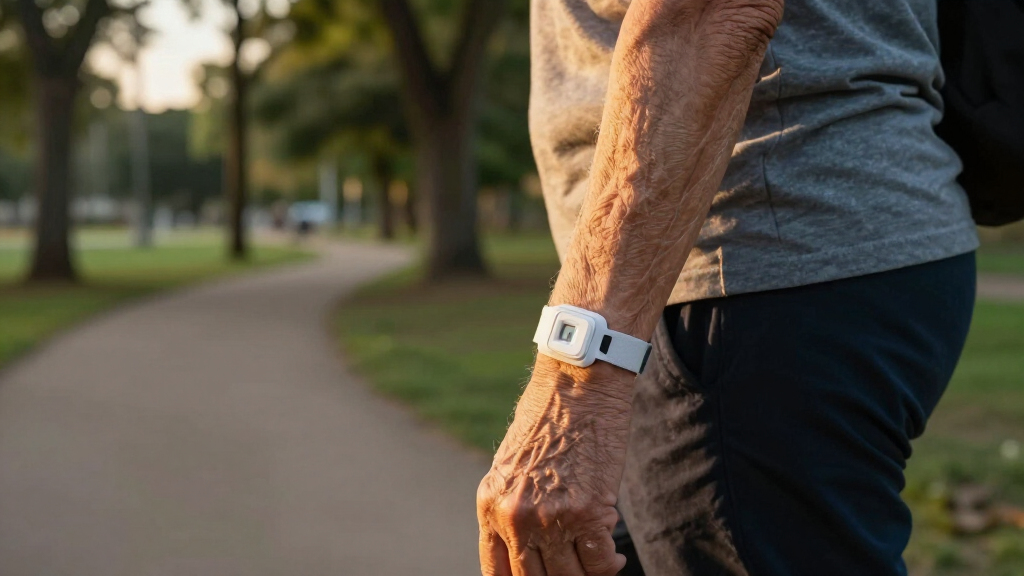
Choosing a medical alert for outdoors means prioritizing cellular connectivity, GPS accuracy, and user comfort. With the right device, you stay safe and independent, whether gardening or walking in the countryside.
If you’ve ever tried to call for help during a walk or outside in the garden, you know how frustrating it is when your device doesn’t work. The truth is, many traditional systems only work within a few hundred feet of a base station—hardly ideal for active outdoor life.
In this guide, you’ll learn how to find a mobile alert system that stays connected wherever you go. We’ll cover what features matter most, how to avoid common pitfalls, and what real-world scenarios reveal about choosing the right device for outdoor adventures.
Prioritize devices that run on cellular networks with strong coverage in your area, especially if you live in rural or hilly terrain.
Look for GPS systems combining multiple positioning methods for precise location tracking outdoors.
Battery life is critical—choose a device that lasts several days per charge to avoid losing protection during outdoor activities.
Water resistance isn’t just a bonus; it’s a necessity for outdoor wear—rain, splashes, or accidental drops happen more often outside.
Caregiver tools and flexible plans make outdoor safety more manageable, letting family stay connected without fuss.
How to Choose a Medical Alert That Works Outdoors
The right mobile alert keeps you connected beyond the front door. Prioritize cellular coverage, multi-method location tracking, battery endurance and a device comfortable enough to wear every day—whether you are gardening, walking country lanes or exploring farther from home.
Six features that decide whether it works
Start with the conditions you actually face. Hills, tree cover, long walks, rain and charging habits matter more than a long list of rarely used extras.
Cellular first
Choose LTE or 5G-compatible hardware and confirm the provider’s carrier has strong coverage at home and along regular routes.
Layered positioning
GPS works best when reinforced by Wi-Fi positioning and cellular triangulation, especially near buildings or heavy tree cover.
Battery endurance
Aim for at least two to five days per charge. Daily charging creates a simple but serious protection gap.
Water resistance
Rain, watering cans and accidental splashes are normal outdoors. Look for a clearly stated rating, ideally IP67 or higher.
Two-way voice
The speaker and microphone must be built into the mobile device—not routed through an indoor base unit. Test clarity in wind and road noise.
Comfort wins
Pendant, wristwatch or smartwatch: the most effective form is the one the user will wear consistently without discomfort or stigma.
Connectivity carries the most weight
These scores are a practical decision hierarchy, not product ratings. A device with excellent extras still fails its core job if it cannot place a call from the places you visit.
Outdoor readiness index
Relative importance when evaluating a mobile medical alert.
What “outdoor-ready” should look like
Use this as a buying checklist. Ask providers for precise specifications rather than accepting broad claims such as “nationwide” or “water-safe.”
| Feature | Why it matters outdoors | Risk signal | Best buying target |
|---|---|---|---|
| Connectivity | Places the emergency call beyond home-base range. | GAPWi-Fi-only, landline or retired 3G hardware | YES4G LTE or 5G plus verified local coverage |
| Location accuracy | Helps responders find a user who cannot explain where they are. | CHECKGPS-only positioning with no backup method | YESGPS, Wi-Fi and cellular triangulation |
| Battery life | Prevents an uncharged device from becoming a false sense of security. | GAPDaily charging that does not fit the routine | YESTwo to five days per charge or better |
| Water resistance | Supports continuous wear in rain, showers and garden work. | CHECKVague “splash-resistant” language | YESPublished rating, ideally IP67 or higher |
| Fall detection | Can summon help if the user is unconscious or cannot press the button. | CHECKNo trial, unclear surcharge or high false alarms | YESSensor-based detection tested during trial |
| Two-way voice | Allows direct conversation with a monitoring agent outdoors. | GAPCalls routed through an indoor base station | YESSpeaker and microphone inside the wearable |
| Caregiver tools | Adds location sharing, geofencing and low-battery alerts. | CHECKHidden app fees or confusing permissions | YESSimple app with controllable privacy settings |
Tip: test calls from the garden, driveway and regular walking route during the return window.
From coverage map to confident choice
Make the decision in this order. It prevents attractive extras from distracting you from the practical conditions that determine whether help can reach you.
Check coverage
Compare the device carrier with coverage at home and on frequent outdoor routes.
Verify positioning
Prefer GPS supported by Wi-Fi location and cellular triangulation.
Match the routine
Choose battery life that fits established charging habits without protection gaps.
Test outdoors
Check comfort, voice clarity, water protection and fall-detection behavior.
Review the plan
Inspect total fees, trial terms, cancellation policy and caregiver-app access.
Price the whole safety system
The advertised monthly rate rarely tells the full story. Add equipment, activation, optional fall detection and app fees before comparing plans.
Typical budget
$100–$300 Common equipment purchase range $25–$55 Typical monthly mobile GPS monitoring ~$10 Common monthly fall-detection add-onWhy Cellular Connectivity Is the Heart of Outdoor Safety
When choosing an outdoor medical alert, the most important factor is connectivity. Unlike in-home systems that rely on landlines or Wi-Fi, mobile units run on cellular networks. This means you can press your button while gardening, walking in the woods, or even on a country trail.
For example, imagine you’re trimming hedges and suddenly trip. A landline system won’t help if you’re outside its limited range. But a mobile device using LTE can reach help from anywhere with carrier coverage.
According to Huckfarm, 4G LTE is now standard, and newer 5G options are emerging. Always check which carrier the device uses and whether your rural area has good coverage to avoid dead zones. The tradeoff here is that cellular coverage can vary greatly depending on location, and some rural or mountainous areas may have gaps. Choosing a device compatible with your carrier and understanding your area’s coverage maps can mean the difference between safety and vulnerability. If coverage is poor, you might need to consider signal boosters or alternative solutions, but these can add cost or complexity.
outdoor medical alert system with GPS
As an affiliate, we earn on qualifying purchases.
As an affiliate, we earn on qualifying purchases.
How Accurate Is GPS in Outdoor Alert Devices? Here’s What to Expect
GPS accuracy can mean the difference between a quick rescue and a frustrating wait. Outdoor devices that combine GPS, Wi-Fi positioning, and cellular triangulation can pinpoint your location within a few meters. That’s crucial when you’re in a large garden or walking along country lanes.
For example, if you fall while hiking, a GPS-enabled device can tell responders exactly where you are—even if you’re behind a barn or near a dense tree line. This precise location data reduces rescue time significantly, especially in remote areas where help might not know your exact whereabouts.
However, note that GPS signals weaken indoors or in urban canyons. Huckfarm reports that during heavy tree cover or in mountainous terrain, accuracy can degrade, so it’s wise to have a backup system like cellular triangulation. This means that relying solely on GPS can sometimes lead to inaccurate location reports, delaying help. Devices that combine multiple positioning methods provide more reliable data, but they also tend to be more expensive or complex to operate. Understanding these tradeoffs helps you select a device that balances precision with practicality, ensuring faster assistance when it’s needed most.
waterproof cellular medical alert device
As an affiliate, we earn on qualifying purchases.
As an affiliate, we earn on qualifying purchases.
Compare the Best Features for Outdoor Medical Alert Devices
| Feature | Why It Matters Outdoors | What to Look For |
|---|---|---|
| Connectivity (LTE/5G) | Ensures device works anywhere with carrier coverage | LTE or 5G; check coverage maps in your area |
| GPS Accuracy | Helps responders find you fast, even in remote areas | Multiple positioning methods; within a few meters |
| Battery Life | Prevents device from dying during outdoor activities | At least 2–5 days per charge for GPS units |
| Water Resistance | Protection during rain, showers, or accidental splashes | Water-resistant or waterproof (IP67 or higher) |
| Wearability | Comfort and likelihood of consistent use | Lightweight, comfortable, discreet, style options |
| Automatic Fall Detection | Triggers help if you’re unconscious outdoors | Accelerometer-based; expect some false alarms |
Comparing these features helps you understand the tradeoffs involved—such as a device with excellent GPS accuracy might have shorter battery life or be more expensive. Prioritizing the features that align with your outdoor activities and environment ensures you get reliable, timely assistance when it matters most.
long battery life medical alert for outdoor use
As an affiliate, we earn on qualifying purchases.
As an affiliate, we earn on qualifying purchases.
Simple Steps to Pick the Right Mobile Medical Alert for Outdoors
- Check your carrier coverage: Look at coverage maps for AT&T, Verizon, T-Mobile. Rural areas often have gaps—avoid devices locked to a carrier with poor coverage where you live.
- Prioritize GPS and location accuracy: Look for devices combining GPS, Wi-Fi, and cellular triangulation—especially if you hike or garden in remote spots.
- Assess battery life needs: Decide if daily charging fits your routine or if longer-lasting batteries are necessary for your outdoor ventures.
- Test water resistance: Ensure the device can handle rain or accidental splashes—outdoor activities mean exposure to weather.
- Consult caregiver apps: If family help is involved, verify that location sharing and alerts work smoothly on smartphones or tablets.
For example, choosing a device with a robust GPS and LTE coverage saved a woman’s life when she fell miles from her house while berry-picking. The device pinpointed her location within a few meters, and help arrived promptly. This demonstrates how understanding and prioritizing these steps can be life-saving in real outdoor scenarios.
GPS-enabled medical alert bracelet
As an affiliate, we earn on qualifying purchases.
As an affiliate, we earn on qualifying purchases.
What About Cost, Contracts, and Caregiver Tools? Here’s What You Need
Many outdoor-ready systems come with flexible plans and no long-term contracts. Expect equipment fees of around $100–$300 and monthly monitoring from $25–$55. Always ask about cancellation policies and trial periods.
Caregiver features like real-time location updates, geofencing alerts, and low-battery notifications add peace of mind. These tools are especially valuable during outdoor activities, where quick communication and precise location data can be life-saving. They also help reduce anxiety for family members, knowing they can monitor your safety without being intrusive. Weighing the cost against these benefits allows you to make an informed choice that balances financial considerations with safety needs.
For example, a family used a caregiver app to track their mother’s walking route, ensuring she stayed within safe limits during her daily strolls—giving everyone peace of mind without being intrusive. The ability to set geofences or receive alerts about low battery helps maintain continuous safety outside the home environment.
Frequently Asked Questions
Will my device work in rural areas or mountains?
Most outdoor-capable medical alerts depend on cellular coverage. Check coverage maps for your area and where you plan to go—rural and mountainous regions often have gaps, so choose a device with your carrier’s best coverage in those zones.
What’s the difference between a home system and a mobile one?
Home systems mainly rely on landlines or Wi-Fi and only work within a few hundred feet of the base. Mobile units, using LTE or 5G, work anywhere with carrier coverage—perfect for outdoor use and active lifestyles.
How often do I need to charge a GPS device used outdoors?
Battery life varies, but most GPS units last between 1 and 5 days per charge. Regular charging routines, like every evening, help ensure the device’s protection doesn’t drop just when you need it most.
Are these devices waterproof or water-resistant?
Most outdoor devices are water-resistant, designed to handle rain and splashes. Look for ratings like IP67 or higher for full protection during outdoor activities.
Will my insurance or Medicare cover the cost?
Original Medicare doesn’t cover alert systems, but some Medicare Advantage plans, Medicaid waivers, or VA benefits might. Check your plan details and consider flexible payment options or HSA/FSA accounts.
Conclusion
When choosing a medical alert for outdoors, think of it as a trusted companion on your adventures. The right device keeps you connected, safe, and independent—whether gardening, hiking, or just enjoying country walks.
Remember, a little upfront research ensures you pick a system that truly works where you need it most. Stay safe, stay active—and keep that sense of freedom alive.
Halloween Picks
halloween
As an affiliate, we earn on qualifying purchases.