
TL;DR

Get comfort and care essentials delivered free — and shop member deals
- Fast, free delivery on millions of items
- Access to Prime Big Deal Days deals on October 6–7
- Prime Video, Amazon Music and more included
Properly installed grab bars provide vital support and prevent falls. Use solid wall anchors, follow safety standards, and choose the right location for maximum safety and stability.
Imagine stepping into your shower, feeling the comforting grip of a sturdy support bar. That’s the power of a well-installed grab bar—support when you need it most. But installing one isn’t just about drilling holes. It’s about knowing where, how, and into what to anchor for real safety.
If you’re thinking about adding grab bars, you’re taking a smart step toward maintaining independence and avoiding falls. This guide walks you through every step—so your home stays a place of comfort, not danger.
Always anchor grab bars into wall studs or solid backing for maximum safety.
Place grab bars at standard heights—33 to 36 inches from the floor—for ease of use.
Use corrosion-resistant hardware and test stability after installation.
Follow local building codes and ADA standards to stay compliant and safe.
Regularly inspect and maintain grab bars to keep them secure over time.
Why Proper Placement of Grab Bars Matters for Your Safety
Placing grab bars in the right spot makes all the difference. They should be within easy reach—usually about 33 to 36 inches above the floor—so you can grab hold without stretching or bending awkwardly.
For example, near the toilet, a grab bar about 24 inches long mounted on the side helps you sit and stand safely. In the shower, a horizontal bar at waist or chest height offers support when stepping in or out. Proper placement minimizes falls and boosts confidence during daily routines.
Choosing the correct location isn’t just about convenience; it’s about reducing the risk of slips and falls during critical moments of mobility. If placed too high or low, grab bars can be ineffective or even dangerous, as they may not support your weight properly when needed most. The right placement ensures you have reliable support exactly where you need it, which can be the difference between safety and injury.
Furthermore, the placement impacts how well the grab bar can support your weight during sudden pulls or slips. Incorrect positioning might mean you cannot fully rely on the support, leading to potential falls. Proper placement also considers the user’s reach, height, and specific mobility needs, which may vary from person to person. This personalized approach maximizes safety and comfort, ultimately allowing independence to flourish.
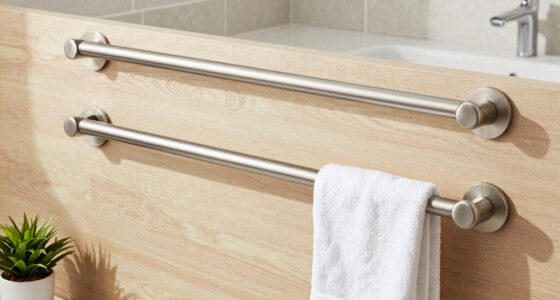
grab bars for bathroom installation
As an affiliate, we earn on qualifying purchases.
As an affiliate, we earn on qualifying purchases.
Step-by-Step: How to Install Grab Bars Safely in Your Bathroom
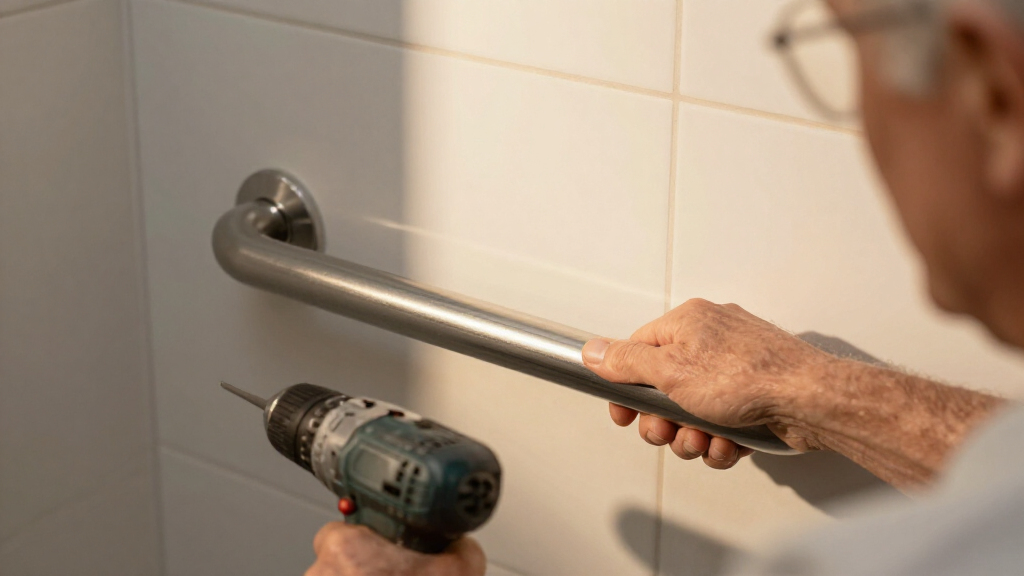
- Locate the wall studs using a stud finder. Mark their positions—most grab bars need to be anchored into a stud for maximum strength.
- Choose the right height: typically 33-36 inches from the floor, but adjust based on user needs.
- Mark the drill holes on the wall, ensuring they line up with the studs.
- Drill pilot holes into the studs, using a drill and a bit slightly smaller than your mounting hardware.
- Attach the grab bar using corrosion-resistant screws, tightening securely.
- Test the grab bar’s stability by applying firm pressure—if it wiggles, re-tighten or check the anchoring.
The key is solid anchoring—think of it like anchoring a sailboat to a sturdy dock, not just a flimsy post. Proper anchoring ensures the grab bar can support your weight reliably, especially during sudden pulls or slips. If not anchored correctly, the risk of the bar pulling out increases, which can cause falls and injuries. Using wall studs or solid backing provides a secure foundation, but it’s also important to consider the quality of your hardware and installation technique to prevent accidents.
Choosing the right hardware and ensuring correct installation techniques are crucial tradeoffs. Cheaper hardware might save money upfront but could fail under stress, risking safety. Conversely, high-quality, rated hardware might be more expensive but offers peace of mind, durability, and long-term safety, which is essential in environments prone to moisture and frequent use.
As an affiliate, we earn on qualifying purchases.
Choosing the Right Grab Bar for Your Bathroom: What to Look For
| Feature | What It Means for You |
|---|---|
| Material | Stainless steel resists rust and corrosion, perfect for humid bathrooms. This durability ensures your grab bar maintains its strength over time, preventing unexpected failures that could lead to falls. |
| Diameter | 1.25 to 1.5 inches offers a comfortable grip—think of holding a thick marker. A comfortable diameter reduces hand fatigue and provides a secure grip, which is crucial when you need support quickly. |
| Length | Choose 12-36 inches based on the support needed—longer for wider areas, shorter for tight spots. Longer bars provide more stability, but they must be properly anchored to handle the weight. Shorter bars are easier to install but may offer less support in critical moments. Selecting the appropriate length balances support needs with installation feasibility. |
| Weight Capacity | Supports at least 250 pounds; higher-rated models are available for extra safety. Choosing a grab bar with sufficient weight capacity ensures it can support your body during use without risk of failure, which is vital for safety during sudden pulls or slips. |
For example, a stainless steel 18-inch grab bar with a textured surface can be both discreet and secure. It’s like giving your hand a textured handshake—firm and confident. Selecting features that match your specific needs—such as textured grips for wet environments or longer lengths for wider spaces—can significantly enhance safety, providing reliable support during your daily routines. Carefully considering these factors helps you avoid compromises that could jeopardize your safety or comfort over time.
As an affiliate, we earn on qualifying purchases.
How to Avoid Common Mistakes When Installing Grab Bars
- Don’t mount on drywall alone—always find the wall studs or reinforce with proper anchors. Drywall alone cannot support your weight during a fall, which can lead to the grab bar pulling out and causing injury. Reinforcing with studs or appropriate anchors ensures the support is reliable when you need it most. Ignoring this can create a false sense of security, increasing the risk of falls.
- Avoid placing grab bars too high or low; aim for the recommended 33-36 inches from the floor. Incorrect height can compromise your grip or make it difficult to use the bar effectively, especially for individuals with limited reach or strength. Proper height placement ensures maximum leverage and support, reducing fatigue and enhancing safety during use.
- Use a level to keep the bar straight—an uneven grab bar can cause slips or discomfort. Proper alignment distributes your weight evenly across the bar, preventing uneven stress that could lead to failure. Ensuring the grab bar is level also improves user confidence, as a crooked bar may feel unstable or uncomfortable.
- Don’t skimp on hardware—choose corrosion-resistant, rated for safety. Cheap or inappropriate hardware can corrode or fail over time, risking the safety of the user. Investing in quality hardware not only prolongs the life of your grab bar but also ensures it can withstand daily stresses, moisture, and accidental pulls.
- Check the wall’s strength—if unsure about the wall material, consider consulting a professional. Understanding your wall’s construction—whether it’s drywall, tile, or concrete—helps prevent improper installation that could compromise support. A professional assessment can identify hidden vulnerabilities, ensuring your grab bars are anchored securely and reliably.
For example, a homeowner once installed a grab bar on drywall behind a tile wall—only to find it wobbled under pressure. Reinforcing with a stud or solid backing solved the problem and kept everyone safe. Proper installation techniques, including reinforcement and correct hardware choices, are essential for long-term safety. Neglecting these details can lead to costly accidents and reduce the lifespan of your support system, ultimately risking your safety when you need it most.
corrosion-resistant grab bar hardware
As an affiliate, we earn on qualifying purchases.
As an affiliate, we earn on qualifying purchases.
Safety Standards You Should Know Before Installing
Follow local building codes and ADA guidelines where applicable. These standards specify heights, placement, and load requirements to keep everyone safe.
For example, ADA recommends grab bars should support at least 250 pounds and be mounted between 33-36 inches from the floor. Meeting these standards isn’t just legal—it’s a safety promise to yourself and loved ones. Ignoring these guidelines can lead to unsafe installations, which might not withstand the forces during a fall or sudden pull, increasing injury risk. Understanding and applying these standards ensures your grab bars are both compliant and capable of providing reliable support during emergencies. Additionally, adhering to these standards often aligns with best practices for durability and user comfort, reducing the likelihood of needing costly modifications later.
Maintaining Your Grab Bars for Long-Term Safety
Every few months, check that your grab bars are still solidly anchored. Look for signs of rust, loose screws, or wobbling. A quick tighten or wipe down keeps them safe and inviting.
If you notice corrosion or damage, replace the grab bar—think of it as tending your garden to keep everything blooming and safe. Regular maintenance prevents unexpected failures that could lead to falls, especially as hardware ages or is exposed to moisture. Proper upkeep includes inspecting for corrosion, loose fittings, and structural integrity. Addressing issues promptly ensures your grab bars remain reliable and effective, maintaining their role as a critical safety feature in your home over time.
Quick Comparison: Fixed vs. Adjustable Grab Bars
| Feature | Fixed Grab Bars | Adjustable Grab Bars |
|---|---|---|
| Flexibility | Set at one position; best for permanent fixtures. | Can change angles and height; ideal for shared bathrooms or changing needs. |
| Installation | Simpler, requires less hardware. | More complex, but offers customization. |
| Cost | Generally less expensive. | Usually pricier but worth it for versatility. |
For example, a fixed bar in a shower stall provides sturdy support, while an adjustable model in a guest bathroom adapts to different users’ needs—think of it as a Swiss Army knife of safety support.
Frequently Asked Questions
Can I install grab bars myself, or should I hire a professional?
You can install grab bars yourself if you’re comfortable with basic tools and following safety instructions. However, if you’re unsure about wall structures or local codes, consulting a professional adds an extra layer of safety and peace of mind.
How do I know where to place grab bars in my bathroom?
Place grab bars near the toilet, in the shower, and at entry points—generally 33-36 inches above the floor. Consider your personal reach and mobility needs. Using a tape measure and visualizing your daily routine helps determine ideal spots.
What tools do I need for installation?
Gather a stud finder, level, drill, screwdriver, and appropriate anchors. Stainless steel or corrosion-resistant hardware is best. Having these on hand makes the process smooth and safe.
How often should I inspect my grab bars?
Inspect every few months—check for loose screws, rust, or wobbling. Tighten hardware if needed, and replace any damaged bars to keep your support system reliable and safe.
Are there any safety standards I should follow?
Yes. Follow local building codes and ADA guidelines, which specify height, placement, and weight support. Meeting these standards ensures your grab bars are both legal and safe.
Conclusion
Secure, well-placed grab bars are like trusted friends in your bathroom—there when you need them most. Take the time to install them right, and they’ll serve you safely for years to come.
Remember, a few simple steps—finding studs, choosing the right hardware, testing stability—make all the difference. Your home can be a place of comfort, dignity, and independence, with just a little know-how and care.
Cold & flu season Picks
humidifiers
As an affiliate, we earn on qualifying purchases.