
TL;DR

Get comfort and care essentials delivered free — and shop member deals
- Fast, free delivery on millions of items
- Access to Prime Big Deal Days deals on October 6–7
- Prime Video, Amazon Music and more included
Regular upkeep, seasonal adjustments, and modern tools make your walkways safer year-round. From ice-melting tips to drainage tricks, you’ll learn practical steps to prevent slips and falls, protecting your independence.
If you’ve ever slipped on a patch of wet leaves or icy sidewalk, you know how quickly a simple walk can turn dangerous. Keeping your walkways safe isn’t about grand renovations — it’s about small, consistent efforts that make a big difference. Imagine stepping outside in the middle of winter, your path clear, no squeak of crunching ice underfoot, just a cozy, confident stride.
In this guide, you’ll discover how to tackle each season’s unique hazards, from icy mornings to leafy autumn afternoons. Whether you’re managing a cozy country porch or a busy front yard, these practical tips help you stay steady and slip-free all year long. Because when your walkways are safe, your independence feels that much stronger.
Regular maintenance—like sweeping, inspecting cracks, and clearing debris—keeps walkways safe through every season.
Use season-appropriate tools and materials: calcium chloride in winter, moss remover in spring, and textured surfaces in summer.
Proper drainage and slope prevent pooling and black ice formation, especially on shaded or cold spots.
Modern tech like heated mats and smart sensors can make winter cleanup easier and more reliable.
Consistent vigilance and small fixes prevent big slips — safety starts with simple, steady routines.
How to Keep Your Walkways Safe in Winter — No More Icy Surprises
Winter’s icy grip can turn a peaceful porch into a slip-and-fall trap. The trick? Start early, act often, and choose the right tools. Think of your walkway as a cozy path that needs protection from the season’s surprises—frozen black ice, snow drifts, and freeze-thaw cycles.
Begin by shoveling snow before it compacts into a heavy, icy crust. Use ergonomic shovels or snow blowers to save your back. After clearing, sprinkle a salt alternative like calcium chloride — it works down to -25°F, unlike traditional rock salt which loses efficacy below 15°F. For extra grip, scatter sand or gravel on slippery patches. Remember, a quick, regular sweep beats waiting for a full-blown slick buildup.
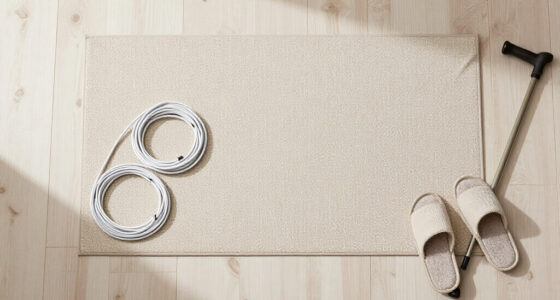
Latest trends include portable heated mats — they warm your walk just enough to melt ice before it forms. They’re especially handy on shaded spots that freeze first. And don’t forget to check your drainage. Proper slope — about 1–2% — helps melt and drain away water, preventing black ice from forming overnight.
Understanding why these methods matter is crucial: ice and snow are not just inconvenient—they significantly increase the risk of falls, which can lead to serious injuries, especially in older adults. Using the right de-icers balances safety with environmental impact, as some chemicals can harm plants or pets. Proper drainage and slope adjustments reduce the likelihood of water pooling and refreezing, creating a safer, more predictable walking surface. The tradeoff involves balancing immediate safety with long-term maintenance; neglecting winter upkeep might seem easier but can lead to costly injuries or repairs later.
As an affiliate, we earn on qualifying purchases.
Spring Cleanup: Banishing Wet Leaves and Moss Before They Turn Slippery
Spring’s gentle rains and warming sun bring lush greenery — but also a slick layer of wet leaves and moss. Wet leaves can be nearly as slippery as ice, making your usual pathway a hazard just when you want to enjoy the garden.
Start by regularly sweeping or raking leaves, especially after windy storms. Use a sturdy broom or leaf blower to remove debris from your walkways. To combat moss and algae, scrub damp surfaces with a brush and a vinegar-water solution or a commercial moss remover. This not only clears the surface but also prevents black, slimy patches from taking hold.
Good drainage is your best friend here. Ensure your path slopes away from your home, and clear out any clogged gutters or drains. If you notice puddles lingering after rain, consider installing a small drain or gravel-filled trench to direct water away.
Why does this matter? Because moss and excess moisture create a slick, unpredictable surface that can cause slips and falls. If not addressed, these hazards can escalate, especially in shaded areas where sunlight doesn’t dry the surface quickly. Proper drainage prevents water from pooling, which is essential since standing water promotes moss growth and ice formation in cooler weather. The tradeoff is maintaining regular cleaning routines, which may seem tedious but are vital for safety. Ignoring these signs can lead to more severe slips, injuries, and costly repairs down the line.
de-icing salt alternative calcium chloride
As an affiliate, we earn on qualifying purchases.
As an affiliate, we earn on qualifying purchases.
Summer Safety: Preventing Overgrowth and Heat-Related Slips
Summer’s vibrant growth can quickly turn your walkway into a jungle, with vines and bushes creeping onto your path. Plus, hot sun and UV rays can cause surfaces to crack or become slick with algae or pollen.
Trim back overgrown plants regularly—think of it as giving your path a fresh, country-style haircut. Use pruning shears or a weed whacker for thicker greenery. For surfaces, inspect for cracks or heaving caused by root growth, which can trip you up. Fill small cracks with a durable patch or sealant to keep the surface even.
On hot days, surfaces like concrete can become dangerously hot, especially if left in direct sun. Adding textured pavers, broom-finished concrete, or anti-slip coatings provides grip and keeps the surface cooler. Also, consider installing solar-powered path lights for better visibility at dusk, reducing the risk of trips as shadows lengthen.
Why is this important? Overgrowth and surface deterioration not only look unsightly but also compromise safety. Cracks and uneven patches can cause trips, while overheated surfaces increase the risk of burns or slips, especially for barefoot walkers or those with mobility aids. The tradeoff involves regular maintenance versus the risk of accidents—neglecting plant trimming and surface inspection may save effort initially but can lead to more dangerous conditions and costly repairs over time.
As an affiliate, we earn on qualifying purchases.
Autumn leaves are beautiful—until they turn soggy, slippery, and deadly on your walk. Wet leaves can be as slick as ice, especially when they decay and become slimy. Early frosts can freeze these leaves onto your path, creating black ice that’s nearly invisible.
Daily sweeping or raking can keep leaves manageable. Use a stiff broom or leaf blower to clear your pathways, especially after windy days. For stubborn patches, wash with a hose to remove moss and slimy residue. Be vigilant about frost: cover critical walkways with mats or gravel to prevent ice from forming in shaded, cold spots.
Why does this matter? Because wet leaves and early frost create a hidden, treacherous surface that significantly raises the risk of falls. The slimy, decayed leaves act like a natural lubricant, especially when wet or frozen, increasing the likelihood of slipping. Installing textured, permeable paving allows water and frosty meltwater to drain quickly, reducing ice buildup. Additionally, low-voltage or motion-activated lighting helps you spot icy patches in low-light conditions, providing extra safety. Ignoring these hazards can lead to falls that cause injuries, especially for seniors or those with limited mobility. The tradeoff involves ongoing vigilance and routine cleaning, which might seem inconvenient but are essential for preventing serious accidents.
automatic snow shovel or snow blower
As an affiliate, we earn on qualifying purchases.
As an affiliate, we earn on qualifying purchases.
Maintenance Tips That Keep Your Walkways Safe All Year
Keeping walkways safe isn’t a one-and-done task. It’s a year-round routine of inspections and small fixes. Regularly check for cracks, uneven slabs, or loose pavers. A vertical displacement over a quarter-inch can trip you up, especially if you’re not looking.
Drainage matters. Ensure your walkway slopes slightly away from your house, and keep gutters clear. Use broom-finished concrete or textured pavers for better grip. Reapply anti-slip coatings or tapes annually, especially before winter or after heavy rains.
Lighting is your silent safety partner. Install solar or motion-sensor lights to illuminate dark corners. Keep pathways free of clutter, and trim back vegetation that encroaches on your route. Simple, consistent upkeep keeps hazards at bay — making every step safe and steady.
Why does this matter? Because neglecting routine maintenance can lead to the development of hazards that are less obvious but equally dangerous—cracked surfaces, uneven slabs, or overgrown vegetation can cause trips and falls. Regular inspections and prompt repairs prevent small issues from escalating into serious accidents, thereby safeguarding your independence and reducing injury risk. The tradeoff involves ongoing effort, but the payoff is a reliably safe pathway, giving peace of mind year-round.
Modern Tools and Smart Solutions for Safer Walkways
Technology offers new ways to keep your paths safe. Heated mats—either portable or embedded—are becoming more affordable and effective for melting ice before it bonds. Battery-powered snow blowers and robotic snow removers also make winter cleanup easier without straining your back.
Eco-friendly de-icers like beet juice blends or brine solutions help reduce environmental impact while melting snow down to -25°F. Smart sensors can alert you when moisture or frost is forming, activating heated mats or lights automatically. Permeable pavers let water seep through, reducing pooling and refreeze.
Incorporating these tools now can save you time, effort, and worry, especially in tricky shaded spots or steep slopes.
Why consider these? Because modern tools not only enhance safety but also improve convenience and efficiency. Heated mats prevent black ice formation in the first place, while smart sensors provide early warnings, allowing you to act proactively rather than reactively. Eco-friendly de-icers balance environmental concerns with safety needs, reducing chemical runoff and damage. The tradeoff involves initial investment and some maintenance, but the long-term benefits include fewer slips, less manual labor, and peace of mind during harsh weather conditions.
Frequently Asked Questions
What is the safest ice melt for concrete, pets, and plants?
Calcium magnesium acetate is a popular eco-friendly option that melts ice down to -25°F and is gentle on plants and paws. Magnesium chloride is another pet-safe choice, effective at lower temperatures, but check product labels for safety info.How soon after a snowfall am I legally required to clear my sidewalk?
Most municipalities specify a window of 12–24 hours after snowfall to clear sidewalks. Check your local regulations to stay compliant and avoid fines.Am I liable if someone slips and falls on my walkway?
Generally, property owners are responsible for maintaining safe walkways. Failing to clear snow or repair hazards can lead to liability, especially if negligence is shown. Regular upkeep helps protect you legally and financially.How do I remove ice without damaging my concrete or pavers?
Use plastic shovels or snow rakes to avoid scratches. Apply calcium chloride or eco-friendly de-icers that melt ice at low temperatures. Avoid overusing salt, as it can cause surface spalling and environmental harm.What can I do about black ice forming in shaded spots every year?
Apply sand or gravel for traction, and consider installing heated mats or adding permeable pavers to improve drainage. Regularly check and clear these spots, especially after frosty nights.Conclusion
Keeping your walkways slip-free is less about grand upgrades and more about steady, thoughtful care. When you treat your paths like a part of your home’s gentle country charm, safety becomes second nature. Every sweep, every repair, every light is a step toward confident independence.
So, take a moment today—inspect a corner, clear some leaves, check your drainage. Because a safe walkway isn’t just about avoiding falls — it’s about feeling comfortable and free to enjoy your days on your own terms.
Cold & flu season Picks
humidifiers
As an affiliate, we earn on qualifying purchases.