
TL;DR

Turn quiet afternoons into listening time
- Thousands of audiobooks, podcasts and originals
- Listen on your phone, tablet or Echo — also offline
- Cancel anytime
This guide offers a straightforward safety checklist for aging in place, focusing on fall prevention, accessibility, emergency readiness, and smart home tech. Simple modifications can make a big difference in safety and independence, backed by recent trends and expert insights.
Imagine the warm scent of baking bread filling your cozy kitchen, or the gentle hum of a well-lit hallway on a quiet evening. Your home is more than just four walls — it’s your sanctuary, the place where memories are made and independence is cherished. But as years pass, small hazards can turn into big safety risks. That’s why having a clear, practical safety checklist can turn your home into a fortress of comfort and confidence.
This guide walks you through simple yet effective steps to make your home safer, more accessible, and ready for the years ahead. Whether you’re planning ahead or helping a loved one stay independent, these tips help you keep safety at the heart of your home’s charm and coziness.
Simple updates like grab bars and improved lighting can cut fall risks by half.
Making doorways wider and adding ramps keeps mobility smooth and safe.
Smart devices and universal design aren’t just fancy — they boost safety and independence.
Regular maintenance and security checks keep hazards at bay and your home secure.
Organizing your home environment supports quick access to essentials and emergency preparedness.
Stop Falls Before They Happen with Easy Fixes
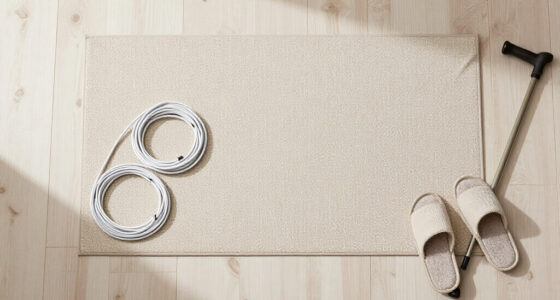
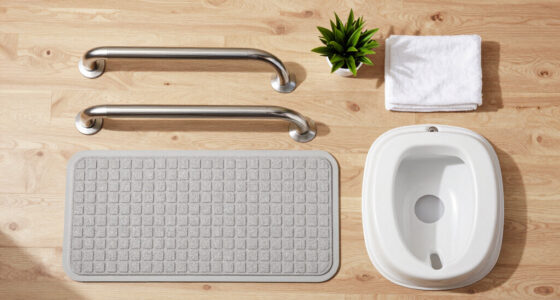
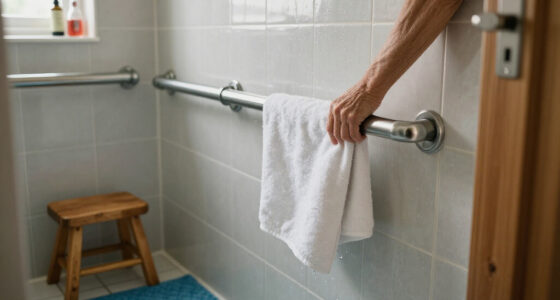
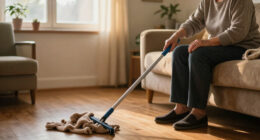
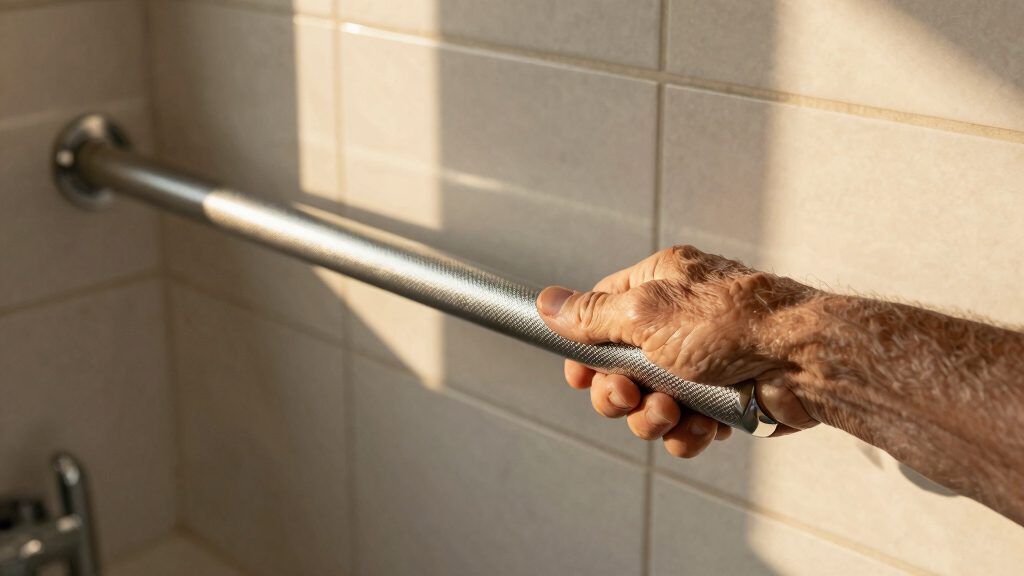
Falls are the leading cause of injury among older adults, but many are preventable with simple adjustments. Installing grab bars in the bathroom and along stairways offers sturdy support, especially where slips are common. Securing loose rugs with double-sided tape or non-slip pads prevents unexpected trips that can lead to serious injuries. Swapping shiny, slick flooring for textured, non-slip surfaces reduces the likelihood of slipping, especially in wet areas like bathrooms and kitchens.
Good lighting makes a big difference. Brightening stairways and hallways with motion-activated or dimmable LED lights helps prevent missteps, particularly at night when visibility is low. Clearing clutter from walkways removes obstacles that can cause trips — imagine a cluttered hallway as a potential trip hazard waiting to happen. Think about a scenario where a single loose rug trips someone during a late-night bathroom visit. Prevention is key because even small hazards can have significant consequences.
Understanding why these fixes matter helps prioritize safety. For example, grab bars provide immediate support during balance loss, reducing fall risk significantly. Proper lighting prevents misjudgment of stairs or obstacles, which is crucial because falls often occur in familiar environments when the person least expects it. Securing rugs and eliminating clutter not only prevents accidents but also creates a more confident walking environment, encouraging independence without fear.
Here’s a quick checklist for fall prevention:
- Install grab bars in the shower and near the toilet
- Secure all loose rugs and mats with appropriate adhesives or non-slip backing
- Use non-slip flooring or adhesive strips on slippery surfaces
- Improve lighting in all corridors and stairways, using motion sensors or dimmable LEDs
- Keep walkways free of clutter to reduce trip hazards
Products Worth Considering

Solo Stove Ranger 2.0 15-Inch Smokeless Fire Pit with Stand

Greenworks 40V 12-Inch Cordless Chainsaw with 2.0Ah Battery and Charger

Greenworks 48V Brushless 3-in-1 Leaf Blower, Vacuum, and Mulcher with Two 4.0Ah Batteries
As an affiliate, we earn on qualifying purchases.
Make Your Home More Accessible and Easy to Navigate
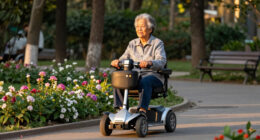
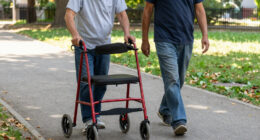
Accessibility is about more than just convenience; it’s a safeguard that supports independence and reduces accident risks. Widening doorways to at least 32 inches allows easier passage for walkers or wheelchairs, making daily movement less stressful and more secure. Installing ramps at the front door instead of stairs provides a smooth, safe entry point, which is particularly vital during bad weather or if mobility diminishes over time.
Using lever-style handles on doors and faucets might seem minor, but it significantly reduces effort and frustration, especially for those with arthritis or limited grip strength. For example, a lever handle on the bathroom sink is easier to operate than a traditional knob, preventing strain and enabling quicker access during emergencies. Proper furniture arrangement isn’t just aesthetic; it’s a safety measure. Creating clear pathways minimizes the risk of bumping into furniture or tripping, especially in low-light conditions.
Understanding the implications of these modifications helps you see their value beyond aesthetics. Wider doorways and ramps facilitate easier movement, reducing fatigue and fall risk. Lever handles are accessible for all, ensuring that everyone, regardless of strength or dexterity, can operate fixtures safely. Thoughtful furniture placement keeps pathways open, encouraging independence while maintaining safety, especially for those with mobility challenges.
Here’s a quick step-by-step:
- Measure doorways and entry points for width to determine necessary modifications
- Replace or modify door frames if needed to accommodate wider doors or wheelchair access
- Install ramps at thresholds where stairs exist
- Switch out round knobs for lever handles on doors and faucets
- Rearrange furniture to create unobstructed, easy-to-navigate pathways
Be Ready for Emergencies Without a Panic
Knowing you can quickly respond to emergencies provides peace of mind and can prevent minor incidents from escalating into serious crises. Installing smoke and carbon monoxide detectors with alarms within easy reach ensures that you’re promptly alerted to potential dangers, especially during sleep or quiet times. Keeping emergency contact information visible near the phone or in a prominent spot makes it quick to reach out when needed, avoiding frantic searches during stressful moments.
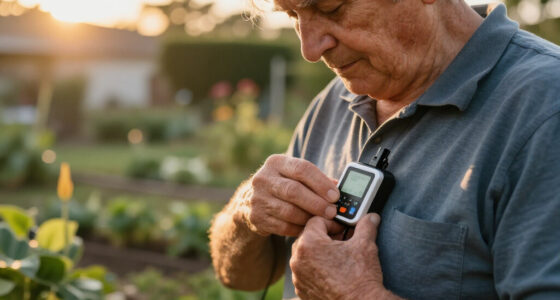
Consider wearable medical alert devices, like a pendant or bracelet, that can summon help instantly if mobility or communication becomes limited. For example, a simple press of a button can alert family or emergency services, acting as a lifeline that’s always within reach, especially during nighttime or when alone. These devices are designed to be easy to activate, providing reassurance and quick assistance when needed most.
Understanding why preparedness matters can motivate regular checks and practice. Testing detectors monthly and changing batteries yearly ensures they function correctly when needed. Keeping a visible, accessible list of emergency contacts helps reduce confusion during crises. Using wearable devices adds an extra layer of security, especially for those with limited mobility or cognitive challenges. Planning escape routes and practicing drills create familiarity and confidence, making actual emergencies less panic-inducing and more manageable.
Practical tips for emergency preparedness:
- Test detectors monthly and replace batteries annually to ensure reliability
- Keep a clearly visible and accessible list of emergency contacts and medical info
- Use wearable devices if mobility or communication is limited, ensuring they are charged and functional
- Plan and rehearse escape routes regularly to build confidence in evacuation procedures
Keep Your Home Safe and Secure 24/7
Home security isn’t just about locking doors — it’s about creating a sense of ongoing safety and peace of mind. Regularly checking locks on doors and windows, especially those leading outside, ensures that your home remains secure against intruders. Installing motion-activated lights around the perimeter not only deters unwanted visitors but also enhances nighttime visibility, reducing the chance of accidents or falls outside.
For example, a porch light that automatically turns on with movement not only keeps your yard well-lit but also signals that your home is protected. Inside, maintaining electrical wiring and appliances in good condition prevents hazards such as electrical fires or shocks. Routine inspections and maintenance can catch issues early, saving you from costly repairs and potential safety hazards.
Understanding the importance of these measures emphasizes their role in safeguarding your home environment. Secure locks and outdoor lighting act as deterrents, preventing break-ins and enhancing visibility. Regular electrical checks prevent fires and shocks, which are often overlooked but highly dangerous. These steps are investments in peace of mind, making your home a safe haven for you and your loved ones.
Here’s a quick safety check:
- Secure all doors and windows with sturdy locks and reinforce weak points
- Install outdoor lighting with motion sensors to illuminate dark areas
- Check electrical wiring and appliances periodically for wear or damage
- Trim shrubs and trees that block view of entry points or create hiding spots
Create a Comfortable, Healthy Environment
Keeping your home well-ventilated and temperature-controlled isn’t just about comfort; it’s a crucial safety measure. Proper ventilation reduces indoor air pollutants, which can cause respiratory issues, especially for older adults with existing health conditions. Maintaining a steady, comfortable temperature helps prevent slips caused by cold floors in winter and mold growth in humid conditions. These factors directly impact safety and health, creating an environment where you can thrive.
Imagine the fresh scent after opening a window on a spring day, or the calming hum of a fan that cools a stuffy room. Organizing medications and medical supplies so they’re within easy reach ensures quick access during emergencies or routine medication schedules. This minimizes frantic searching and reduces the risk of missed doses or errors, which can be critical for health management.
Understanding the significance of a healthy environment encourages proactive maintenance. Using ceiling fans or portable fans improves air circulation, while a reliable thermostat maintains a safe temperature range. Proper storage of medications prevents mix-ups, and checking for drafts or leaks helps avoid cold spots or mold issues. These practices support both safety and well-being, making your home a sanctuary of health and comfort.
Tips include:
- Use ceiling fans or portable fans for effective air circulation
- Maintain a steady, comfortable temperature with a reliable thermostat
- Store medications in clearly labeled, accessible containers
- Regularly check for drafts, leaks, or mold-prone areas
Embrace New Tech and Design for Extra Peace of Mind
Smart home gadgets and universal design principles are more than just modern conveniences — they are essential tools for enhancing safety and independence. Voice-activated lights enable you to control illumination without bending or reaching, which is especially helpful during nighttime. Motion sensors that detect movement can alert you to unexpected activity, adding a layer of security. Smart doorbells allow you to see who’s outside from the comfort of your couch, reducing the need to approach the door in unfamiliar or unsafe conditions.
Universal design isn’t just about aesthetics; it’s about creating an environment that adapts to your changing needs. Features like no-step entries, wider doorways, and lever handles make everyday tasks easier and safer for everyone, regardless of age or ability. These thoughtful modifications can prevent accidents and support aging in place gracefully, ensuring your home remains welcoming and functional as your needs evolve.
Recent trends include:
- Smart sensors that detect falls or hazards and send alerts
- Remote monitoring services that keep an eye on health and safety from afar
- Home modifications designed to age gracefully, like wider doorways and accessible bathrooms
Frequently Asked Questions
What are the most cost-effective home modifications for aging in place?
Installing grab bars, adding better lighting, and securing rugs are among the most affordable and impactful changes. These upgrades often cost less than a few hundred dollars but can drastically reduce fall risks and improve safety.
How can I assess my home’s safety for an elderly family member?
Walk through each room, looking for hazards like loose rugs, poor lighting, or clutter. Use a safety checklist to identify areas needing improvement. Consider consulting a home safety professional for a comprehensive assessment.
What are the best technologies or gadgets to improve safety?
Smart sensors, voice-activated lighting, medical alert devices, and smart doorbells are excellent tools. These gadgets add layers of security and help you respond quickly during emergencies, offering peace of mind.
When should I consider professional home modifications or assessments?
If hazards are hard to fix yourself or if mobility and safety concerns increase, it’s wise to consult a professional. An assessment can prioritize changes and ensure your home meets safety standards for aging in place.
How do I balance safety improvements with maintaining the home’s comfort and aesthetics?
Choose modifications that blend seamlessly with your home’s charm — like decorative grab bars or stylish lighting. Focus on subtle, functional upgrades that don’t detract from the cozy country feel you love.
Conclusion
Your home is your haven, filled with familiar sights and comforting sounds. With a few thoughtful adjustments, you can turn it into a fortress of safety and independence. Remember: small steps today build a safer tomorrow.
Think of your home as a cozy country farm — well-tended, welcoming, and ready for whatever comes next. Stay proactive, stay safe, and enjoy the comfort of knowing your home truly supports your independence.