
TL;DR

Turn quiet afternoons into listening time
- Thousands of audiobooks, podcasts and originals
- Listen on your phone, tablet or Echo — also offline
- Cancel anytime
Batch cooking for one or two saves time, cuts costs, and reduces waste. Focus on simple recipes, proper storage, and gradual routines to enjoy homemade meals without stress.
Imagine opening your fridge to find a colorful container of hearty stew, perfectly portioned, ready to heat up. That’s the magic of batch cooking for one or two — it transforms daily meal prep from a chore into a gentle, satisfying routine. If you’re tired of last-minute takeout or repetitive meals, this guide offers practical, easy steps to get started.
Whether you’re easing into meal planning or looking for ways to make your existing routine smoother, small batch cooking can be your best friend. It’s about making your kitchen work for you — saving time, money, and a little peace of mind each week.
Start small with simple recipes, focusing on dishes you already enjoy.
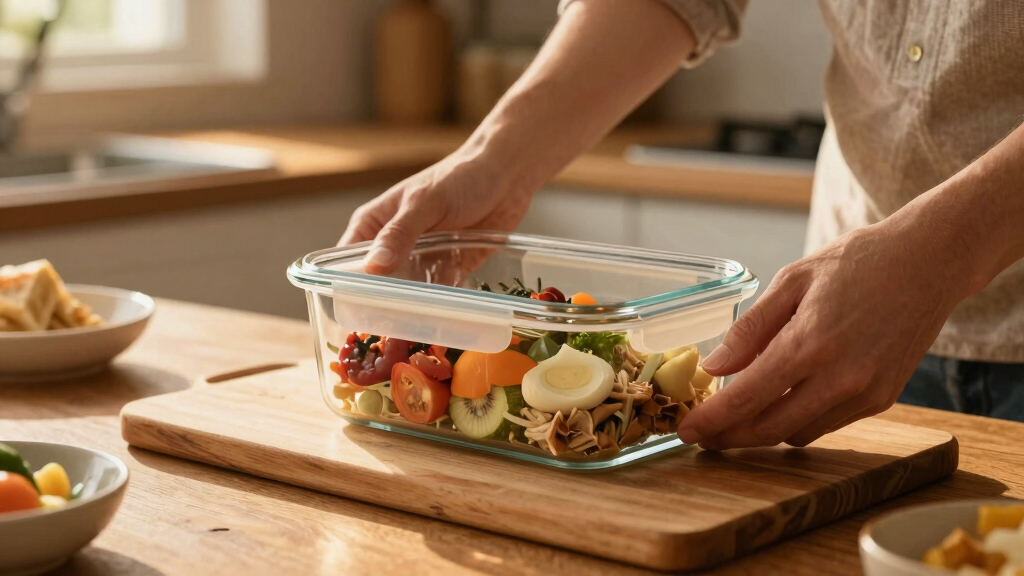
Use proper containers and label everything to keep food fresh and organized.
Batch cook enough for 2-3 meals, no more — it’s about manageable portions.
Mix up flavors with herbs and sauces to keep meals exciting without extra effort.
Reheat gently to preserve taste and texture, making your meals feel just as fresh as when they were cooked.
A Gentle Guide to Batch Cooking for One or Two
A calmer fridge, a kinder kitchen rhythm
Batch cooking for one or two saves time, cuts costs, and reduces waste without turning Sunday into a marathon. The sweet spot is simple: cook food you already like, portion it for 2-3 meals, label it clearly, and use herbs or sauces to keep the week lively.
Less daily cooking time when meals are planned and prepared in small batches.
Enough to feel prepared, not so much that leftovers disappear in the back of the fridge.
Make your kitchen work for your life, not the other way around.
days for most cooked meals when stored properly.
months for best flavor in airtight containers.
simple dishes are plenty for a first routine.
waste, takeout, stress, and decision fatigue.
The small-batch method
For one or two people, batch cooking works best when it stays modest. Choose familiar meals, cook manageable portions, and let variety come from toppings, sauces, grains, and sides.
Cook what you already enjoy
Chili, roasted chicken, stir-fry, soup, grains, or roasted vegetables make easy first wins because you already know how they should taste.
Aim for 2-3 servings
This keeps the routine light, prevents boredom, and helps you finish meals before texture or freshness becomes an issue.
Date, contents, reheat note
Small labels turn the fridge into a calm system: what it is, when you made it, and whether it reheats best on the stove, oven, or microwave.
A gentle weekly chain
Batch cooking does not need to take over the day. A simple five-step loop creates dependable meals while leaving room for appetite, schedule, and mood.
Choose
Select two simple recipes and one flexible base.
Shop
Buy overlapping ingredients to reduce spoilage.
Cook
Prepare 2-3 portions per dish, not a giant batch.
Store
Cool, seal, label, and split fridge from freezer.
Refresh
Add herbs, sauces, citrus, crunch, or new sides.
What to batch cook for small meals
The best foods are flexible, reheat well, and can become more than one meal. A tray of roasted vegetables can be a side, pasta mix-in, wrap filling, or salad topper.
| Food type | Why it works | Watch-out | Small-household fit |
|---|---|---|---|
| Soups & stews | Flavors meld over time and portions reheat easily. | Bulky containers can crowd the fridge. | ✓ High |
| Roasted vegetables | Useful in bowls, wraps, pasta, salads, or sides. | Need cooling before sealing to avoid sogginess. | ✓ High |
| Cooked grains | Rice, quinoa, and barley create fast meal bases. | Texture can turn mushy if overcooked or stored too long. | ~ Good |
| Proteins | Chicken, beans, tofu, and eggs make meals feel complete. | Some proteins dry out or need careful storage. | ✓ High |
| Casseroles & bakes | One-pan meals are filling and freezer-friendly. | Can be calorie- or sodium-heavy depending on ingredients. | ~ Good |
The payoff in numbers
Small batch cooking is not about perfection. It is about making homemade meals easier to reach than takeout, even on low-energy evenings.
Time saved by planning ahead
Research-backed guidance often cites up to 50% less daily cooking time when meals are prepared in advance.
Storage sweet spot
Use the fridge for near-term meals and the freezer for backup portions. Label dates so future-you does not have to guess.
How the pieces connect
Good batch cooking is a chain of small decisions. Each one protects time, taste, money, and freshness.
Frequently asked questions
Keep the answers practical and forgiving. The best routine is the one you can repeat without dread.
How much should I cook for two people?
Start with enough for 2-3 servings per dish. Adjust after a week or two based on appetite, storage space, and how quickly you finish leftovers.
Can I freeze every batch-cooked meal?
Most soups, stews, and casseroles freeze well. Use airtight containers, leave space for expansion, label dates, and use within 1-3 months for best flavor.
What is the easiest first recipe?
Try chili, vegetable stir-fry, soup, or roasted vegetables with a cooked grain. These are flexible, forgiving, and easy to portion.
How do I avoid meal boredom?
Change the finish, not the whole recipe. Lemon, yogurt, chili oil, pesto, herbs, toasted nuts, or a different grain can make the same base feel new.
Why Small Batch Cooking Works So Well for Small Households
When you cook for one or two, large recipes can feel overwhelming or lead to waste. Small batch cooking simplifies everything. You focus on making just enough, with no leftovers left forgotten at the back of the fridge. Plus, it’s easier to experiment with flavors and ingredients when you’re not committing to a giant pot.
Making smaller portions means you’re more likely to finish what you prepare, reducing food waste and saving money. It also allows you to tailor meals to your specific tastes and dietary needs without excess leftovers cluttering your space. However, the tradeoff is that you might need to cook more frequently or plan meals more carefully, which can be a shift from traditional bulk cooking routines. Embracing small batches encourages mindfulness about portion sizes and ingredient quality, fostering a more intentional approach to eating.
For example, making a batch of roasted vegetables for two lets you toss some into salads, serve as a side, or add to a quick pasta — all without leftovers piling up. It’s about smart, manageable portions that fit your lifestyle.
small food storage containers for batch cooking
As an affiliate, we earn on qualifying purchases.
As an affiliate, we earn on qualifying purchases.
How to Start Small and Keep It Simple
Beginning with manageable steps makes all the difference. Here’s a quick plan:
- Choose 2-3 simple recipes you love, like chili, roasted chicken, or vegetable stir-fry.
- Gather the right containers — small, airtight, microwave-safe ones are perfect.
- Plan your cooking day — maybe a Sunday afternoon or a quiet evening.
- Cook in batches, aiming for 2-3 servings per dish.
- Label your containers with date and contents.
Starting small allows you to build confidence and adapt your routine gradually. It’s better to cook a few dishes well than to feel overwhelmed trying to prepare too much at once. This approach helps you develop a sustainable habit and understand your preferences—over time, you can expand or refine your batch cooking as you become more comfortable.
For instance, a batch of chili can be divided into three containers, ready to be reheated for quick lunches or dinners. This method ensures you’re not overcommitting and can enjoy the process without stress.
This approach reduces overwhelm and keeps your routine gentle yet effective.
reusable meal prep containers for small portions
As an affiliate, we earn on qualifying purchases.
As an affiliate, we earn on qualifying purchases.
The Best Foods to Batch Cook for Small Meals
| Food Type | Why It Works |
|---|---|
| Soups & Stews | They store beautifully, reheat easily, and taste even better the next day. Their liquid nature allows flavors to meld, often enhancing the dish over time. However, they can be bulky to store and may require careful reheating to avoid overcooking delicate ingredients. |
| Roasted Vegetables | Versatile and add flavor to salads, wraps, or sides. Roasting concentrates flavors and improves texture, making leftovers more appealing. The tradeoff is that they can become soggy if not stored properly, so proper cooling and container choice are important. |
| Cooked Grains | Like rice, quinoa, or barley — they form a base for many quick meals. They are quick to reheat and can be flavored or mixed with other ingredients. The challenge is maintaining their texture; overcooking or storing for too long can lead to mushiness. |
| Proteins (chicken, beans, tofu) | Pre-cooked proteins save time and expand meal options. They can be seasoned or plain, and stored for several days. However, some proteins like chicken need to be handled carefully to avoid dryness or spoilage, and tofu can lose texture if not stored properly. |
| Casseroles & Bakes | One-pan dishes that reheat well and are filling. They often combine multiple ingredients, making them nutrient-dense. The downside is that they can be high in calories or sodium depending on ingredients, so portion control and ingredient choices matter. |
For example, roasting a big tray of carrots, zucchini, and bell peppers on a Sunday can give you veggie sides all week, or toss into wraps or pasta for quick dinners. Balancing convenience with nutritional variety ensures your small batch efforts are both satisfying and healthful.
labeling stickers for food storage
As an affiliate, we earn on qualifying purchases.
As an affiliate, we earn on qualifying purchases.
Frequently Asked Questions
How do I know how much to cook for just two people?
Start with enough for 2-3 servings per dish. Think about how many meals you want to prep and your appetite. Over time, you’ll get a feel for the right amount so nothing goes to waste.
Can I freeze all my batch-cooked meals?
Most cooked meals freeze well, especially soups, stews, and casseroles. Use airtight containers and leave some space for expansion. Label with dates, and aim to use within 1-3 months for best flavor.
What’s a good place to start if I’ve never batch cooked before?
Pick one or two simple recipes, like a vegetable stir-fry or a pot of chili. Prepare enough for 2-3 meals, focus on good storage, and enjoy the process. It’s all about gentle steps and making it fit your routine.
How do I keep my meals interesting without cooking new recipes every week?
Use herbs, spices, or sauces to change the flavor profile. For example, a basic roasted veggie mix can become Mediterranean with some oregano and lemon, or Mexican with cumin and chili powder. Small tweaks keep meals fresh and exciting.
herb and sauce bottles for meal flavoring
As an affiliate, we earn on qualifying purchases.
As an affiliate, we earn on qualifying purchases.
Conclusion
Small batch cooking isn’t about perfection — it’s about making your kitchen work for your life. With a few simple tools and gentle routines, you can enjoy homemade meals that fit your pace and taste. Think of it as giving yourself the gift of time, flavor, and peace of mind each week.
So, gather those containers, pick your favorite recipes, and give yourself permission to enjoy the cozy rhythm of small batch cooking. Your future self will thank you for it — more time, less waste, and meals you actually look forward to.
Fall Picks
fall essentials
As an affiliate, we earn on qualifying purchases.