
TL;DR

Turn quiet afternoons into listening time
- Thousands of audiobooks, podcasts and originals
- Listen on your phone, tablet or Echo — also offline
- Cancel anytime
Reachers and grabbers are lightweight, versatile tools that help extend your reach and grasp objects safely. They boost independence, reduce strain, and are increasingly innovative — making daily chores much easier.
Ever find yourself stretching on tiptoe, trying to grab that elusive jar on the top shelf? Or bending awkwardly to pick up a dropped spoon? Reachers and grabbers turn those awkward moments into simple tasks. These little helpers are more than just tools—they’re gateways to greater independence and safety around the house.
If you’ve ever wished for a helping hand without giving up your dignity, this guide is for you. We’ll explore what makes these devices so effective, the latest trends, and how you can choose the perfect one for your needs. Let’s make everyday tasks easier, safer, and a little more country-charming.
Reachers and grabbers extend your reach safely, helping you avoid dangerous stretching or bending.
Choosing the right model depends on your specific needs: length, grip type, and special features.
Recent innovations include ergonomic handles, magnetic tips, and smart features like LED lights for better visibility.
These tools are lightweight, affordable, and can significantly boost your independence and safety.
Use them regularly to reduce joint strain and prevent falls—small tools with big benefits.
Reachers and Grabbers: Little Helpers Around the House
Lightweight reachers extend your arm, protect your balance, and turn awkward chores into ordinary moments. From dropped spoons to high spice jars, they help people move through the home with more independence, less strain, and a little more confidence.
The simple truth
A reacher is an extra-long, gentle hand: usually 24 to 36 inches, often under 1.5 pounds, and built to grasp everyday objects without bending, stretching, or risking a slip.
What Makes a Good Reacher Work?
The best choice balances reach, grip, weight, and task fit. A longer tool helps with high shelves, while an ergonomic grip can matter more for hands with arthritis or fatigue.
Match the distance
Choose 24 inches for tight indoor tasks, 30 inches for general chores, or 36 inches for high shelves, floors, and deep cabinets.
Protect the hand
Trigger clamps, soft-touch handles, and non-slip pads improve control, especially when picking up jars, cans, papers, socks, or utensils.
Add what helps
Magnetic tips retrieve keys and coins, LED lights brighten dim corners, and adjustable clamps handle different object sizes with less fuss.
Pick the Perfect Helper in 3 Steps
Start with the task, then choose the handling style. A reacher that feels easy in your hand is the one you will actually use.
Decide the reach
Mostly floor pickups or high shelves? Longer reachers add distance, but shorter models can feel steadier for small tasks.
Test the grip
Look for a trigger or thumb clamp that closes smoothly without forcing your fingers, wrist, or joints to work too hard.
Choose extras
Pick magnets, LED lights, cushioned handles, or adjustable jaws only when they support the chores you do most often.
Compare the Main Types
Basic models are enough for many households. Ergonomic and smart reachers cost more, but they can improve control, visibility, and comfort for frequent users.
| Feature | Basic Model | Ergonomic Model | Smart Reacher |
|---|---|---|---|
| Length | 24 inches | 30 inches | 36 inches |
| Grip type | Trigger clamp | Soft-touch trigger | Electronic grip sensor |
| Special features | ✗ None | ✓ Magnetic tip | ✓ Sensor and LED light |
| Best fit | ~ Light chores | ✓ Daily household use | ✓ Low light or limited grip |
| Price range | $10-$15 | $20-$30 | $40-$50 |
The Innovation Curve
Newer reachers are moving from simple clamps toward comfort, visibility, sustainability, and smarter operation for people with limited hand strength.
Feature momentum
Reach spectrum
More length is useful, but maneuverability matters. The right reacher should feel balanced enough that it becomes a normal part of daily routines.
Trace the Everyday Safety Chain
Small design choices compound into safer movement. The tool extends reach, the grip stabilizes the object, and the person avoids risky body positions.
Reachers and grabbers are affordable, lightweight tools that extend your reach, reduce joint strain, and support safer, more independent living around the house.
- Extend reach safely: avoid dangerous stretching, bending, and balance challenges.
- Choose by task: length, grip type, weight, and special features should match your daily routines.
- Use smart extras wisely: magnets, LED lights, and cushioned grips add value when they solve a real problem.
- Respect limits: reachers are not made for very heavy objects or fine motor tasks requiring precise finger control.
- Make it habitual: regular use can reduce strain and make small household chores feel manageable again.
What Are Reachers and Grabbers? Here’s the Simple Truth
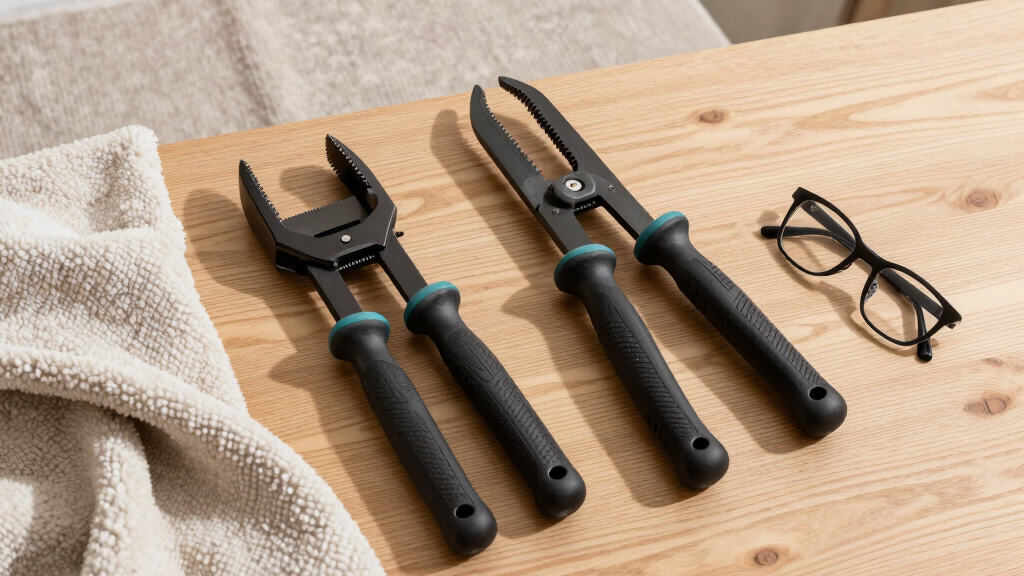
Reachers and grabbers are lightweight tools designed to extend your arm’s reach. Think of them as your extra-long, gentle hand. They typically feature a long handle—anywhere from 24 to 36 inches—and a trigger or thumb-activated clamp at the end to grasp objects.
For example, when you drop a sock behind the dryer, a reacher lets you retrieve it without crawling on the floor. They’re made from durable plastics or aluminum, making them easy to handle and store. Whether you want to pick up a paper, grab a spice jar from a high shelf, or retrieve a dropped spoon, these tools make it effortless.
Understanding how they work and their design helps you see why they’re such practical aids. The length determines how far you can reach without stretching dangerously or risking losing balance. The grip mechanism affects how securely you can hold objects, which is crucial for safety — a weak grip can cause objects to slip, leading to potential falls or damage. The materials influence durability and weight; lightweight options reduce fatigue but must still be sturdy enough for daily use. Recognizing these factors helps you select a tool that balances ease of use with reliability, making your daily routines safer and more efficient.
As an affiliate, we earn on qualifying purchases.
How to Pick the Perfect Reacher for Your Needs in 3 Easy Steps
- Decide on the length: Do you mostly need to reach high shelves or pick up items from the floor? Longer reachers (up to 36 inches) are great for high places, while shorter ones are easier to handle for small tasks. Consider your height and typical tasks — a longer tool might seem ideal, but if it’s unwieldy, you might not use it as often. Striking a balance between reach and maneuverability is key.
- Check the grip: Do you want a trigger that’s easy on your hand? Or a clamp that can hold heavier objects? Consider your hand strength and any conditions like arthritis. An ergonomic, non-slip grip reduces fatigue and enhances control, which is vital for safety — a slipping object or a strained hand could lead to accidents.
- Look for special features: Magnetic tips for metal objects? Adjustable clamps? Non-slip grips? Think about what tasks you do most and choose accordingly. For example, a magnetic tip is invaluable if you often pick up small metal items like keys or nails. Adjustable clamps provide versatility for different object sizes, reducing the need for multiple tools. These features can improve efficiency and safety, but also add to the cost — weigh their importance against your budget.
Making a thoughtful choice involves understanding your specific needs and the tradeoffs involved. For instance, a longer reacher might extend your reach but could be heavier or more awkward to handle. A model with advanced features like magnetic tips or electronic grips may provide convenience but also require more maintenance or higher cost. By considering these factors, you can select a reacher that truly enhances your independence and safety in daily tasks.
ergonomic reacher with magnetic tip
As an affiliate, we earn on qualifying purchases.
As an affiliate, we earn on qualifying purchases.
Compare the Best Reachers: Which One Fits Your Life?
| Feature | Basic Model | Ergonomic Model | Smart Reacher |
|---|---|---|---|
| Length | 24 inches | 30 inches | 36 inches |
| Grip Type | Trigger clamp | Soft-touch trigger | Electronic grip sensor |
| Special Features | None | Magnetic tip | Built-in sensor & LED light |
| Price Range | $10-$15 | $20-$30 | $40-$50 |
Choosing the right reacher depends on your specific needs. For light tasks around the house, basic models work well. If you need a little extra grip or visibility, ergonomic or smart models offer more features—at a slightly higher cost. Keep in mind, investing in additional features may improve safety and convenience, but also consider how often you’ll use them and whether they align with your typical tasks. A more advanced model might be worth it if you frequently handle small or delicate objects, or if you need better visibility in dim areas. Conversely, a basic model might suffice if your needs are simple and budget is a concern. Weighing these considerations helps ensure you choose a reacher that truly supports your daily routines without unnecessary expense or complexity.
lightweight extendable grabber for household
As an affiliate, we earn on qualifying purchases.
As an affiliate, we earn on qualifying purchases.
Latest Trends Make Reach Assistants Smarter and Easier
Reachers are evolving, focusing on comfort and convenience. New models feature cushioned handles to reduce hand fatigue after a day of chores. Some incorporate electronic grips that make grasping lighter objects even easier—perfect for arthritic hands. These enhancements not only improve comfort but also expand the reachers’ usability for people with limited hand strength, making everyday tasks less taxing and more accessible.
Emerging innovations include magnetic tips designed to pick up small metal items like keys or coins. LED lights add visibility in dim corners, like under the sink or behind the sofa. These upgrades make everyday use smoother and safer. The integration of smart technology, like sensors and lights, reflects a broader trend toward assistive tools that adapt to diverse needs, enhancing independence and safety in subtle but significant ways.
Eco-friendly materials, like biodegradable plastics and sustainable metals, are also making their way into newer models, helping us care for the planet while caring for ourselves. These sustainable options are not just about environmental responsibility but also about durability and health, as they often use non-toxic, recyclable components that reduce chemical exposure and waste.
By embracing these innovations, users can enjoy tools that are not only more effective but also more aligned with modern values of sustainability and convenience, making the pursuit of independence both smarter and greener.
As an affiliate, we earn on qualifying purchases.
Why Reachers Make Daily Life Safer and Simpler
According to an anonymous researcher at Huckfarm, using a reacher can reduce strain on your joints and lower back. Instead of bending or stretching dangerously, you extend your arm with ease. For example, I know an elderly neighbor who started using a reacher for her garden tools—she avoids bending, and her back feels better.
Most reachers weigh less than 1.5 pounds, so they’re easy to handle without fatigue. And with a reach of up to 36 inches, you can access high shelves or retrieve items from the floor without risking a fall. This reduction in physical strain can prevent injuries over time, particularly for those with pre-existing joint issues or balance concerns. It also encourages safer movement patterns, reducing the likelihood of slips or falls, which are common hazards for older adults.
They’re also affordable—most cost between $10 and $50—making safety and independence accessible for many. The tradeoff is that while they are excellent for lightweight tasks, they are not designed for heavy lifting or tasks requiring significant force. Understanding these limitations ensures users rely on reachers appropriately, maximizing safety and effectiveness in everyday life.
Your Questions About Reachers Answered
Are reachers suitable for all ages? Absolutely. They’re helpful for anyone needing assistance, from kids retrieving a dropped toy to seniors reaching high shelves. Their versatility makes them valuable across a lifespan, but understanding the specific needs and capacities of different age groups ensures safe and effective use.
How do I pick the right reacher? Think about the length you need and specific features like magnetic tips or ergonomic handles. Consider your hand strength and typical tasks. Matching the tool’s features to your daily routines ensures better safety and ease of use, preventing frustration or accidents caused by unsuitable equipment.
Are they safe? When used properly, yes. Avoid overloading the clamp beyond its capacity, and make sure you’re stable when reaching or bending. Proper technique, like maintaining a stable stance and avoiding overreach, minimizes risk. Regularly inspecting the tool for wear and tear also prevents accidents caused by faulty equipment.
Can they help with dressing or small objects? Yes, many models are designed for versatility—retrieving keys, socks, or even helping with dressing aids. Their adaptability can significantly enhance independence, especially for those with limited dexterity or mobility issues.
Cost range? Most models fall between $10 and $50, depending on features and quality. This affordability makes them accessible to a wide audience, but investing in higher-quality models may offer better durability and safety features.
Limitations? They’re not meant for heavy lifting or tasks requiring fine motor skills. Recognizing these limitations helps prevent misuse that could lead to injury or damage, ensuring they are used within their safe operational scope.
Frequently Asked Questions
How do I maintain my reacher for long-lasting use?
Keep it clean and dry after use, check the clamp mechanism regularly, and replace worn grips or parts as needed. Proper care ensures your helper stays reliable for years.Can I use a reacher in the garden?
Yes, many reachers work well for garden tasks like picking up fallen leaves, retrieving tools, or reaching into shrubbery. Just choose a model sturdy enough for outdoor use.Are there reachers designed for specific tasks, like picking up delicate items?
Absolutely. Some models feature soft, non-slip tips or adjustable clamps suited for handling fragile objects like glassware or delicate fabrics without damage. Selecting the right type ensures you can safely handle a variety of objects, reducing the risk of breakage or injury.What safety tips should I remember when using a reacher?
Always stand securely, avoid overreaching beyond your comfort, and make sure the object is firmly gripped before pulling. Never use excessive force that could cause loss of balance or damage.Conclusion
Reachers and grabbers are more than just handy tools—they’re your partners in living safely and comfortably at home. A simple extension of your arm can make everyday chores feel lighter and less risky. Keep one close, and you’ll find yourself reaching for independence—literally.
Imagine the quiet relief of grabbing that dropped spoon without even bending. Those little helpers carry the country charm of simplicity and safety into your daily routine, making life a little easier, one reach at a time.
Halloween Picks
halloween
As an affiliate, we earn on qualifying purchases.