
TL;DR

Turn quiet afternoons into listening time
- Thousands of audiobooks, podcasts and originals
- Listen on your phone, tablet or Echo — also offline
- Cancel anytime
The best low-maintenance front yard plants are those naturally suited to your climate, soil, and sun exposure. Repeating durable species in simple layouts reduces work and keeps your yard looking lovely with less fuss.
Imagine a front yard that looks inviting and vibrant, but barely demands your time or effort. It’s possible. Choosing the right plants—those that naturally thrive in your region—means you can enjoy a lush landscape without constant pruning, watering, or pest control. The secret? Match plants to your climate, soil, and sunlight.
In this guide, you’ll learn how to select easy-care outdoor plants, understand what makes a plant low-maintenance, and discover practical tips to keep your yard beautiful with a fraction of the effort.
Match plants to your climate, soil, and sun exposure for healthier, low-maintenance gardens.
Use repetitive planting and simple layouts to reduce ongoing work and keep your yard attractive.
Choose plants with mature sizes that fit your space, avoiding frequent pruning.
Mulch well and install drip irrigation to conserve water and cut down on chores.
Prioritize native and drought-tolerant plants to support local ecosystems and survive droughts.
Choosing Easy-Care Outdoor Plants for the Front Yard
The best low-maintenance front yard plants are those naturally suited to your climate, soil, and sun exposure. Matching plants to place — and repeating durable species in simple layouts — reduces work while keeping your yard inviting, layered, and lovely with far less fuss.
Right Plant, Right Place
Most plant failures trace back to a mismatch between plant and site. Four site factors decide whether a plant thrives with minimal input — or demands constant watering, feeding, and rescue pruning.
Match Your Zone — and Microclimates
Hardiness zones mainly describe winter cold; summer heat, humidity, wind, and rainfall matter just as much. Shaded corners and windy spots create micro-ecosystems where some plants thrive and others struggle. Observe your yard across seasons before choosing.
Track Light Before You Plant
Full sun means six-plus hours of direct light; harsh afternoon sun can scorch tender plants. South-facing yards suit heat-tolerant lavender and sedum; shaded nooks favor ferns and hostas. Spend a weekend observing light patterns — it prevents the costliest mistakes.
Poor Drainage Kills More Plants Than Drought
Sandy soil drains fast — favor yarrow and Russian sage. Heavy clay holds water — choose swamp milkweed or native sedges. Improve soil with organic matter, but select plants that match your yard’s natural tendencies.
Plan for the Grown Plant, Not the Container
A shrub that outgrows its space means years of corrective pruning. Choose dwarf or compact cultivars — a dwarf hydrangea or low-growing juniper adds structure without overtaking walkways, windows, or sightlines.
Hydrozone: Group by Thirst
Grouping plants with similar water needs — a practice called hydrozoning — keeps irrigation simple and reduces waste. Drought-tolerant plants in dry spots, moisture-tolerant species in low areas.
Native — but Site-Appropriate
Regionally native plants often need fewer inputs once established and feed local wildlife. But “native” doesn’t automatically mean appropriate for every site — match the plant to the spot, not just the region.
Mastering Sun and Shade
Most planting mistakes happen when light is misjudged. Plants in unsuitable light weaken, attract pests, and demand extra watering and pruning. Map your yard’s light on the spectrum below before buying anything.
Sandy / Fast-Draining Soil
Water drains quickly and nutrients leach away. Choose drought-tolerant species like yarrow and Russian sage that thrive on lean, dry conditions without supplemental watering once established.
Clay / Compacted, Wet Soil
Puddles after rain signal heavy clay. Plant moisture-tolerant natives — rushes, ornamental grasses, swamp milkweed — rather than fighting the soil with drainage-intensive species.
Easy-Care Plant Categories Compared
These reliable plant types form the backbone of a low-maintenance front yard. Combine evergreen structure with seasonal color and textural groundlayers for year-round appeal.
| Plant Category | What It Delivers | Upkeep Level | Watch Out For |
|---|---|---|---|
| Compact evergreen shrubs | Year-round structure with minimal pruning when naturally sized cultivars are chosen | ✓ Very low | Must fit mature space at planting time |
| Clumping grasses & sedges | Texture and movement; most need just one annual cutback | ✓ Very low | Avoid self-seeding varieties near lawns |
| Long-blooming deciduous shrubs | Seasonal color with less work than annual flower displays | ~ Low | Occasional rejuvenation pruning |
| Durable perennial flowers | Return yearly, support pollinators, fill beds densely | ~ Low–medium | Some need periodic division |
| Groundcovers | Shade soil, suppress weeds — creeping thyme, sweet woodruff | ✓ Very low | ✗ Choose non-invasive species only |
| Drought-tolerant plants | Thrive in hot, dry sites once established; minimal watering | ✓ Very low | Still require appropriate drainage |
| High-maintenance annuals | Continuous seasonal color | ✗ High | Deadheading, replanting, constant watering |
Where the Maintenance Savings Come From
Simple, layered, repetitive design is the quiet engine of the easy-care yard. Each practice below chips away at watering, weeding, pruning, and mowing time — illustrated by typical relative chore reduction.
Observe
Map sun, soil, drainage, and microclimates across a full season.
Select
Choose a small palette of durable, site-matched, right-sized plants.
Layer
Tall shrubs behind, low growers in front; groundcover on bare soil.
Protect
Mulch generously, drip-irrigate, and water well through year one.
Enjoy
A layered, vibrant front yard with a fraction of the upkeep.
The Easy-Care Checklist
Five principles that turn front-yard gardening from a chore list into an occasional light touch-up. Remember: low-maintenance is not maintenance-free — even easy plants need establishment care in their first growing season.
Match plants to climate, soil, and sun. Regionally adapted plants reduce watering, feeding, and pest intervention by up to 30%.
Repeat durable species in simple layouts. A smaller palette repeated throughout the design is easier to maintain than many species with different needs.
Choose mature sizes that fit the space. Dwarf and compact cultivars eliminate overcrowding and repeated pruning.
Mulch 2–3 inches and install drip irrigation. Both conserve water, cut weeds, and protect roots — keep mulch off trunks to prevent rot.
Prioritize native and drought-tolerant plants. They survive dry spells, support pollinators and birds, and reduce chemical use.
Keep safety and sightlines in mind. Plants near driveways, sidewalks, and windows stay low; avoid thorny or toxic species on busy paths.
How to Pick the Perfect Low-Maintenance Plants for Your Climate
Choosing plants that naturally tolerate your climate is the first step. If you live in a region with hot summers and dry winters, look for drought-tolerant species. For cooler, wetter zones, select plants that handle moisture and cold well.
For example, in a zone 5 area with cold winters and humid summers, native serviceberries or hardy sedums can thrive without extra fuss. The key is matching plants to your regional hardiness zone, but remember that microclimates, like shaded corners or windy spots, also matter. Observe your yard during different seasons to spot the areas that stay warm or dry, and pick plants accordingly.
Understanding why regional adaptation matters is crucial: plants that are well-suited to your environment are less likely to suffer stress, pests, or disease, all of which can increase maintenance. Microclimates can create micro-ecosystems, making some plants thrive in spots where others struggle. Ignoring these nuances might lead to choosing plants that require more intervention to survive, defeating the purpose of low-maintenance gardening.
low maintenance outdoor plants for front yard
As an affiliate, we earn on qualifying purchases.
As an affiliate, we earn on qualifying purchases.
Mastering Sun and Shade: The Secret to Easy-Care Planting
Most mistakes happen when plants are placed in the wrong light. Full sun means at least six hours of direct light daily, but some spots get harsh afternoon sun that can scorch tender plants. Partial shade might be a shaded corner or a spot under a tree’s canopy, which stays cooler and moist.
For example, if your front yard faces south and gets blazing afternoon heat, choose heat-tolerant plants like lavender or sedum. In a shaded nook, ferns or hostas thrive with minimal attention. Spend a weekend observing your yard’s light patterns—this simple step keeps your plant choices on point.
Understanding sun and shade is essential because it directly influences plant health and longevity. Plants placed in unsuitable conditions often weaken, become susceptible to pests, or require extra watering and pruning. Proper assessment helps you avoid costly mistakes and ensures your plants will thrive with less intervention, making your garden truly low-maintenance.
native drought-tolerant garden plants
As an affiliate, we earn on qualifying purchases.
As an affiliate, we earn on qualifying purchases.
Matching Plants to Your Soil and Water Conditions
Soil type and drainage often trip up gardeners. Sandy soil drains quickly, so drought-tolerant plants like yarrow or Russian sage are ideal. Heavy clay soils hold water longer, making water-loving plants like swamp milkweed or native sedges a better fit.
For example, if your front yard has compacted clay that causes puddles after rain, plant native rushes or ornamental grasses that handle moist conditions. Group plants with similar water needs—this practice, called hydrozoning—keeps watering simple and reduces waste.
Understanding your soil and water conditions is vital because mismatched plants often struggle, leading to increased watering, fertilizing, or pest control. Improving soil with organic matter can mitigate some issues, but knowing your yard’s natural tendencies enables you to select plants that require less intervention, thus reducing overall maintenance and promoting healthier growth.
As an affiliate, we earn on qualifying purchases.
Picking the Right Plants for Size and Growth Habits
Imagine planting a shrub that outgrows its space within a few years—frustrating, right? Choosing plants with mature sizes that fit your yard prevents overcrowding and repeated pruning. Look for cultivars labeled as dwarf or compact; they stay manageable.
For example, a dwarf hydrangea or a low-growing juniper can provide structure without overtaking your walkway or windows. Measure your available space, and consider how tall and wide each plant will be at maturity. Planning ahead spares you hours of trimming later.
Understanding growth habits is important because plants that grow too large for their space can overshadow other plants, damage structures, or require frequent pruning to keep tidy. Selecting appropriately sized plants ensures your yard remains attractive, healthy, and low-maintenance over time, with less effort spent on corrective pruning or reshaping.
As an affiliate, we earn on qualifying purchases.
Design Tips to Keep Your Yard Low-Maintenance and Beautiful
Simple, repetitive planting patterns reduce work and create a cohesive look. Use groundcovers like creeping thyme or sweet woodruff to cover bare soil and suppress weeds. Place taller shrubs behind low-growing plants, so your yard looks layered without clutter.
Leave enough space for mature growth—crowded plants fight for resources and invite pests. Mulch generously—about 2-3 inches—around plants to conserve moisture, keep weeds down, and protect roots. Just keep mulch a few inches away from trunks to prevent rot.
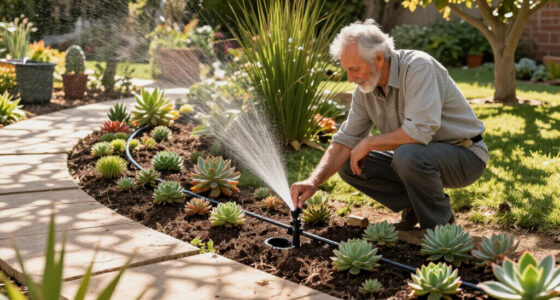
Another tip: Install drip irrigation or soaker hoses to deliver water directly to roots. It’s less wasteful and easier to control than overhead watering.
Designing with simplicity in mind, such as using repeating plantings and strategic layering, reduces the need for ongoing maintenance like trimming or weed removal. Mulching and efficient watering methods like drip irrigation further decrease chores by conserving water and protecting plants from drought stress. These practices not only save time but also promote healthier, more resilient plants, making your yard easier to manage long-term.
Emerging Trends Making Gardening Simpler and Greener
More gardeners now focus on climate-ready plants that tolerate extremes—hot, dry summers, heavy rains, and unpredictable weather. Native plants are gaining popularity because they adapt naturally and support local wildlife.
Landscape designs are shifting away from high-maintenance lawns toward mixed beds of drought-tolerant grasses, groundcovers, and native shrubs. These choices cut watering, mowing, and chemical use, making yard care less of a chore.
Additionally, new breeding efforts produce smaller cultivars, perfect for tight spaces and reducing the need for pruning. Ecological pest management and firewise landscaping are also shaping smarter, safer yards.
Understanding these trends helps gardeners adopt practices that not only simplify maintenance but also promote ecological balance. Embracing native and drought-tolerant plants reduces resource use and supports local ecosystems, which in turn lessens the need for chemical interventions and frequent interventions, making gardening more sustainable and less labor-intensive.
Frequently Asked Questions
Which low-maintenance plants are best for my climate or hardiness zone?
Check your USDA Hardiness Zone and local extension services for native and well-adapted plants. Native species like coneflowers, sedums, or serviceberries often require less fuss and resist pests naturally.
What can I plant in full sun, deep shade, or beneath a tree?
In full sun, consider lavender, sedum, or coreopsis. In deep shade, choose ferns, hostas, or Astilbe. Beneath trees, plant shade-tolerant groundcovers like sweet woodruff or native grasses that handle root competition well.
Which plants tolerate clay, sandy soil, or poor drainage?
Clay soil favors native sedges, native grasses, and swamp milkweed. Sandy or well-drained soil suits yarrow, Russian sage, and succulents. Improving soil with compost helps plants adapt better.
What are the best drought-tolerant front-yard plants?
Choose plants like lavender, Russian sage, sedum, yarrow, and native grasses. Once established, these plants thrive with minimal watering, especially in well-drained soil.
How often do new plants need watering after planting?
Initially, most plants need watering every 2-3 days during the first month. After that, watering once a week or when soil feels dry helps establish roots without overdoing it.
Conclusion
Your front yard should invite without demanding endless effort. By selecting plants suited to your local conditions and keeping the design simple, you can enjoy a lush, colorful landscape that’s easy to care for. It’s about working smarter, not harder.
So, take a weekend to observe your yard, plan your plant palette, and embrace the joy of a beautiful, low-maintenance garden. A little planning now means more time relaxing on your porch later—surrounded by nature’s quiet charm.
Cold & flu season Picks
humidifiers
As an affiliate, we earn on qualifying purchases.