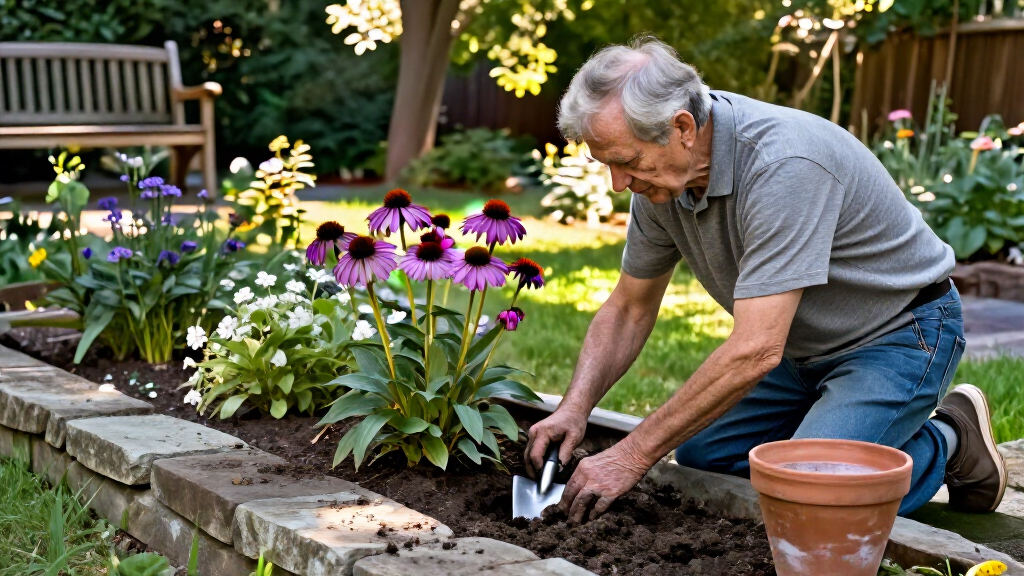

The best perennial garden plants combine lasting garden value with a good match for your climate, light, and patience level. My best overall pick is Lavender Live Plants, a ready-to-plant choice for sunny, well-drained spots; 9-Pack Hosta Bare Root Plants stand out for shade, while the Perennial Farm Anemone ‘Pamina’ offers a blooming container-grown start. The main tradeoff is between established plants that cost less time to grow and seeds that offer more plants but need patience and reliable care. Sun exposure, mature size, and whether a listing is a seed, bulb, bare root, or live plant all change what you can expect. Read on for the full ranking and help matching each option to your garden.

Turn quiet afternoons into listening time
- Thousands of audiobooks, podcasts and originals
- Listen on your phone, tablet or Echo — also offline
- Cancel anytime
Complete the kit


Key Takeaways
- Ready-to-plant lavender ranks first because it reduces the wait for a visible garden, though it needs sun and sharply drained soil.
- Hostas are the clearest shade choices in this lineup; the bare-root packs offer a more direct start than the hosta seed listings.
- Seeds suit gardeners willing to wait: wildflower mix, asters, lupines, and other seed packs can cover more ground, but establishment depends on sowing conditions and care.
- The plant form matters as much as the flower: live plants, bare roots, seeds, and gladiolus bulbs have different timelines and planting needs.
- Rose of Sharon is the shrub-scale pick, while compact aubrieta and tall hollyhocks or lupines serve very different spaces and should not be treated as interchangeable perennials.
| Lavender Live Plants, 2-Pack, Purple Blooms |  | Best for Sunny, Low-Water Borders | Plant type: Live perennial | Quantity: 2 plants | Bloom color: Purple | VIEW LATEST PRICE | See Our Full Breakdown |
| 9-Pack Hosta Bare Root Perennial Plants |  | Best for Filling a Shady Bed | Brand: Gardening4Less | Plant type: Perennial hosta, bare root | Quantity: 9 plants | VIEW LATEST PRICE | See Our Full Breakdown |
| Perennial Farm Anemone x Hybrida ‘Pamina’ Live Windflower in #1 Container – Semi-Double Deep Rose-Pink Blooms, Long Blooming, Deer Resistant |  | Best for Late-Season Color | Plant type: Anemone x Hybrida ‘Pamina’ windflower | Plant form: Fully rooted live plant in #1 container | Sunlight exposure: Full sun to part shade | VIEW LATEST PRICE | See Our Full Breakdown |
| Family Sown Perennial Wildflower Seed Mix – 5g Envelope (2,500 Seeds) |  | Best for Naturalized Seed-Sown Areas | Brand: Family Sown | Plant type: Perennial wildflower mix | Weight: 5 g | VIEW LATEST PRICE | See Our Full Breakdown |
| 6 Pack Mixed Heart-Shaped Hosta Bare Root Plants |  | Best for Beginner-Friendly Shade Planting | Brand: Touch Of ECO | Plant type: Hosta perennial, bare root | Quantity: 6 plants | VIEW LATEST PRICE | See Our Full Breakdown |
| 210+ Hosta Seeds – Rare Perennial Flower Seeds for Shade Gardens, Long Blooming Plants for Ground Cover & Containers, Ideal for Shaded Pathways and Borders |  | Best for Growing Shade-Garden Ground Cover | Seed count: 210+ | Brand: BuggyBeds | Sun exposure: Partial shade | VIEW LATEST PRICE | See Our Full Breakdown |
| Clovers Garden Russian Sage Plants (2-Pack) – Live Perennial Flowering Plants in 4″ Pots |  | Best Live Perennial for a Sunny Pollinator Border | Quantity: 2 plants | Plant height: 4–8 inches | Pot size: 4-inch pots | VIEW LATEST PRICE | See Our Full Breakdown |
| Mixrug Sweet William Flower Seeds, 5,000+ Seeds |  | Best for Fragrant, Multicolor Seed-Sown Displays | Seed count: 5,000+ | Plant type: Biennial or perennial | Height: 12–24 inches | VIEW LATEST PRICE | See Our Full Breakdown |
| Hollyhock Seeds 3000+ Bulk Pack, Mixed-Color Perennial Blooms |  | Best for Large Cottage-Garden Plantings | Seed count: 3,000+ | Plant type: Described as perennial | Hardiness zones: Zone 3–9 | VIEW LATEST PRICE | See Our Full Breakdown |
| Russell Lupine Seeds – Perennial Wildflowers, Grows up to 48″ tall, 100 Mixed Seeds |  | Best for Tall Early-Season Color | Seed count: 100 | Plant type: Perennial wildflower | Hardiness zones: Zone 3–9 | VIEW LATEST PRICE | See Our Full Breakdown |
| 2,000 Purple Aubrieta (Rock Cress) Flower Seeds |  | Best for Sunny Slopes and Ground Cover | Seed count: 2,000 | Scientific name: Aubrieta deltoidea | Color: Purple | VIEW LATEST PRICE | See Our Full Breakdown |
| Proven Winners Blue Chiffon Rose of Sharon Hibiscus Shrub, 2-Gallon |  | Best for a Late-Season Shrub Focal Point | Botanical name: Hibiscus syriacus | Plant type: Deciduous shrub | Container size: 2 gallons | VIEW LATEST PRICE | See Our Full Breakdown |
| 185+ Mixed-Color Hosta Seeds for Planting |  | Best for Experimenting with Seed-Grown Hostas | Seed count: 185+ | Plant type: Flower | Listed color: Blue | VIEW LATEST PRICE | See Our Full Breakdown |
| 600 New England Aster Heirloom Flower Seeds |  | Best for Autumn Pollinator Color | Seed quantity: 600 | Plant: New England aster (Aster novae-angliae) | Flower color: Purple | VIEW LATEST PRICE | See Our Full Breakdown |
| 10 Mixed-Color Gladiolus Bulbs (Sword Lilies) |  | Best for Summer Cut-Flower Spikes | Quantity: 10 corms | Plant type: Perennial flower | Flower colors: Blue, red, green, yellow, white, purple, pink, orange, and magenta | VIEW LATEST PRICE | See Our Full Breakdown |
| perennial garden plant | Plant type |
|---|---|
| Lavender Live Plants | Live perennial |
| 9-Pack Hosta Bare Root Perenni | Perennial hosta, bare root |
| Perennial Farm Anemone x Hybri | Anemone x Hybrida ‘Pamina’ windflower |
| Family Sown Perennial Wildflow | Perennial wildflower mix |
| 6 Pack Mixed Heart-Shaped Host | Hosta perennial, bare root |
| 210+ Hosta Seeds | — |
| Clovers Garden Russian Sage Pl | — |
| Mixrug Sweet William Flower Se | Biennial or perennial |
| Hollyhock Seeds 3000+ Bulk Pac | Described as perennial |
| Russell Lupine Seeds | Perennial wildflower |
| 2,000 Purple Aubrieta | — |
| Proven Winners Blue Chiffon Ro | Deciduous shrub |
| 185+ Mixed-Color Hosta Seeds f | Flower |
| 600 New England Aster Heirloom | — |
| 10 Mixed-Color Gladiolus Bulbs | Perennial flower |
More Details on Our Top Picks
Lavender Live Plants, 2-Pack, Purple Blooms
I’d choose this two-plant lavender set for a sunny garden that needs fragrance and repeat perennial structure, rather than for a mixed-color display. Its compact 18–24-inch mound fits borders, containers, and herb gardens, while purple blooms and fragrant foliage offer a different sensory payoff from the foliage-led hostas in this lineup. Once established, its low moisture needs can make upkeep easier than the moderate watering called for by ‘Pamina’ windflower. The tradeoff is a narrower planting window: lavender needs full sun and well-draining soil, so it is a poor match for damp beds or shady spots where either hosta pack is better suited. Two pint-size plants also cover less ground immediately than the nine bare-root hostas.
Pros:- Fragrant purple blooms add scent as well as color.
- Low water needs once established suit drier, sunny beds.
- Attracts pollinators and is described as deer-deterring.
- Compact mature size works in borders, containers, and herb gardens.
Cons:- Requires full sun, unlike the shade-ready hosta options.
- Needs well-draining soil and may struggle in persistently wet ground.
- Two pint-size plants provide less immediate coverage than larger multi-plant packs.
Best for: Gardeners with a sunny, well-drained border or patio containers who want fragrant purple blooms and can water regularly while plants establish.
Not ideal for: Gardeners planting in shade, heavy wet soil, or a bed that needs broad coverage from a small number of plants.
- Plant type:Live perennial
- Quantity:2 plants
- Bloom color:Purple
- Mature height:18–24 inches
- Mature spread:18–24 inches
- Sunlight:Full sun
- Moisture needs:Low once established
- USDA hardiness zone:5–9
- Pot size:1 pint
Our verdict“Choose this lavender for a sunny, free-draining spot where fragrance and modest water needs matter more than fast, wide coverage.”
9-Pack Hosta Bare Root Perennial Plants
This nine-plant pack earns its place for gardeners who need substantial shade coverage more than a long flower show. The hostas tolerate full shade to partial shade, and their rich green foliage with varied textures can carry a bed even when flowers are absent. Their stated 20–60-inch spread gives them more potential to fill space than the six-plant Touch Of ECO hosta pack, though the actual footprint will depend on growth and spacing. Purple or white bell-shaped flowers appear in midsummer, but the roughly two-week bloom period makes foliage the main reason to choose them. The listed sandy-soil preference may also limit fit for gardeners whose beds have heavier or consistently wet soil; compare that with ‘Pamina’ if you want a longer late-season floral display and can provide richer, moist ground.
Pros:- Nine plants can establish a larger grouping than the six-plant Touch Of ECO pack.
- Tolerates full shade to partial shade.
- Varied green foliage textures provide interest beyond bloom season.
- Hardy across USDA zones 3–8.
Cons:- Purple or white flowers last about two weeks, so foliage carries most of the display.
- The listed soil type is sandy soil, which may not match every garden bed.
- A 20–60-inch spread means mature plants need thoughtful spacing.
Best for: Gardeners with a broad, shady bed who want several foliage-focused perennials and have soil that suits the listed sandy-soil preference.
Not ideal for: Gardeners seeking long-lasting flower color, or those with heavy, poorly drained soil who cannot adapt the planting bed.
- Brand:Gardening4Less
- Plant type:Perennial hosta, bare root
- Quantity:9 plants
- Hardiness zone:3–8
- Light requirements:Full shade to partial shade
- Blooming period:Mid to late summer
- Flower color and form:Purple or white, bell-shaped
- Foliage:Rich green with varied textures
- Spread:20–60 inches
Our verdict“Pick this pack when filling a shady area with foliage matters more than extended flowering or a precisely predictable footprint.”
Perennial Farm Anemone x Hybrida ‘Pamina’ Live Windflower in #1 Container – Semi-Double Deep Rose-Pink Blooms, Long Blooming, Deer Resistant
‘Pamina’ is the strongest choice here for gardeners who want flowers from late summer into fall, when the lavender’s stated bloom window is earlier and both hosta options lean more heavily on foliage. It arrives fully rooted in a #1 container, giving buyers a planted specimen rather than the bare roots supplied with the hosta packs. Its semi-double deep rose-pink flowers suit borders and part-shade beds, and the plant is described as deer resistant and pollinator friendly. That longer display comes with a higher moisture commitment: it performs best in moist, rich soil with moderate watering, unlike established lavender’s low-water profile. It is also listed at 36 inches tall, so it may need more vertical room than the compact lavender. Plants shipped during the dormant season may arrive trimmed.
Pros:- Blooms from late summer through fall for a later color window than the lavender.
- Fully rooted in a #1 container for immediate planting.
- Tolerates full sun to part shade.
- Described as deer resistant and pollinator friendly.
Cons:- Needs moderate watering and moist, rich soil to perform well.
- Dormant-season shipments may arrive trimmed and without active growth.
- At 36 inches tall, it needs more vertical space than the compact lavender.
Best for: Gardeners in zones suited to the listing who want a rooted perennial for late-season blooms in a sunny-to-part-shade bed and can provide moderate moisture.
Not ideal for: Gardeners seeking a low-water plant for dry soil, or anyone expecting a full leafy display from a dormant-season shipment.
- Plant type:Anemone x Hybrida ‘Pamina’ windflower
- Plant form:Fully rooted live plant in #1 container
- Sunlight exposure:Full sun to part shade
- USDA hardiness zone:3 (as listed)
- Expected height:36 inches
- Bloom color and form:Deep rose-pink, semi-double
- Blooming period:Late summer through fall
- Moisture needs:Moderate watering
Our verdict“Choose ‘Pamina’ for a rooted, late-season flowering perennial if you can keep its soil moderately moist.”
Family Sown Perennial Wildflower Seed Mix – 5g Envelope (2,500 Seeds)
This mix is the seed-starting option for gardeners who want to cover an open patch with perennial wildflower color and pollinator appeal, rather than place ready-grown plants one by one. The envelope lists more than 2,500 seeds for 20 square feet, making its intended coverage easy to plan against the two-plant lavender or the rooted ‘Pamina’. Seeds also give buyers flexibility to create a naturalized border instead of a defined clump. That flexibility comes with a patience tradeoff: perennial mixes can take time to establish, so this is less suited to anyone expecting an immediate display. The 20-square-foot coverage limit also makes it a small-area solution, not a quick way to fill a large garden. Compared with the hostas, it offers a broader seasonal-color goal but does not specify individual species or their exact growing needs.
Pros:- Over 2,500 seeds are listed for a defined 20-square-foot area.
- Perennial mix is intended to return in later seasons once established.
- Designed to attract pollinators and add seasonal color.
- Seed format allows a naturalized planting rather than separate container-grown specimens.
Cons:- Perennial seedlings may take time to establish and bloom.
- One envelope is listed to cover only 20 square feet.
- Individual species and their specific light or soil needs are not provided in the supplied product details.
Best for: Gardeners establishing a small naturalized patch or border who are comfortable sowing seeds and waiting for perennial plants to establish.
Not ideal for: Gardeners who need immediate, predictable blooms, want named plant varieties, or need seed coverage beyond 20 square feet from one envelope.
- Brand:Family Sown
- Plant type:Perennial wildflower mix
- Weight:5 g
- Seed count:2,500+
- Coverage area:20 sq ft
- Format:Envelope
- Intended appeal:Seasonal color and pollinator attraction
Our verdict“Choose this mix for a small, informal area when you prefer seed-grown variety and can wait for the perennial planting to develop.”
6 Pack Mixed Heart-Shaped Hosta Bare Root Plants
This six-pack suits gardeners who want shade-tolerant foliage with a simpler planting scale than the nine bare-root hostas. Its heart-shaped leaves and mildly fragrant white or purple flowers make it a useful choice under trees or along a shaded border, and the listed zones 3–9 cover a broader range than Gardening4Less’s zones 3–8. The listing also describes these plants as low maintenance, deer resistant, and pollinator attracting, though the mixed colors can vary between orders, so this is not the set for a tightly matched design. These arrive bare root, which means prompt planting is needed after delivery. Compared with ‘Pamina’, this pack favors foliage and shade tolerance over a defined, long late-summer flower season; compared with the nine-hosta set, it supplies fewer plants.
Pros:- Suitable for full or partial shade, including difficult spots under trees.
- Six plants offer a smaller planting job than the nine-hosta pack.
- Listed for USDA zones 3–9.
- Flowers are described as mildly fragrant, with pollinator appeal.
Cons:- Bare roots need to be planted promptly after arrival.
- The specific color mix may vary between orders.
- Fewer plants than the nine-pack make it less suited to covering a large bed.
Best for: Newer gardeners who want a manageable number of shade-tolerant hostas for under trees, shaded borders, or other low-light outdoor areas.
Not ideal for: Gardeners who need a fixed flower-color mix, cannot plant bare roots promptly, or want a larger quantity for broad coverage.
- Brand:Touch Of ECO
- Plant type:Hosta perennial, bare root
- Quantity:6 plants
- Sunlight exposure:Full or partial shade
- Expected height:36 inches
- USDA hardiness zone:3–9
- Blooming period:Spring to fall (as listed)
- Flower color:White or purple; mix may vary
- Special features:Deer resistant, pollinator attracting, mildly fragrant flowers
Our verdict“Pick this six-pack for an approachable shade planting when a variable flower mix and prompt bare-root planting are acceptable.”
210+ Hosta Seeds – Rare Perennial Flower Seeds for Shade Gardens, Long Blooming Plants for Ground Cover & Containers, Ideal for Shaded Pathways and Borders
I’d choose these hosta seeds when the planting site is too shady for sun-loving picks such as Russell lupine. Their main advantage is foliage suited to low-light borders, containers, and ground-cover plantings, with plants described as drought-tolerant and low-maintenance once established. Unlike the 9-Pack Hosta Bare Root Perennial Plants elsewhere in this roundup, seeds ask you to grow the plants from an earlier stage, so they’re a less direct route to a filled-in bed. The listing gives a count of 210+ seeds but no germination schedule, mature size, or bloom details, which makes planning harder than with the specified Sweet William or lupine seeds. I’d also keep them out of full sun, where the stated growing conditions are a poor fit.
Pros:- Designed for partial-shade garden sites
- Can be used in containers, borders, or ground-cover plantings
- Described as drought-tolerant and low-maintenance once established
- May attract butterflies and bees
Cons:- Seed-grown plants take longer to establish than the roundup’s live hostas
- No germination timing or mature plant dimensions are provided
- Not suited to full-sun conditions
Best for: Gardeners with partially shaded borders or containers who are comfortable starting hostas from seed and can wait for plants to establish.
Not ideal for: Buyers who want immediate foliage, clear germination and mature-size guidance, or plants for a full-sun garden.
- Seed count:210+
- Brand:BuggyBeds
- Sun exposure:Partial shade
- Material feature:GMO-free
- Uses:Containers, ground cover, and borders
- Weight:13.61 g
Our verdict“Choose these if you want a seed-started hosta planting for shade and don’t need instant coverage or detailed growing specifications.”
Clovers Garden Russian Sage Plants (2-Pack) – Live Perennial Flowering Plants in 4″ Pots
For a buyer who wants live plants rather than seeds, this Russian sage pair offers a more direct start than the Russell lupine and Sweet William packets. The two plants arrive in 4-inch pots, with listed heights of 4 to 8 inches, and are suited to Zone 4 and warmer. Their blue-purple flowers from mid-summer to first frost extend the display later than lupine’s late-spring-to-early-summer bloom window. The tradeoff is space: mature plants can reach 4 feet tall and wide, so I’d reserve a broad, sunny planting area rather than squeeze them into a narrow border. This is ornamental sage, not an edible herb. The listed root development may help with establishment, but it doesn’t remove the need to give these spreading plants room.
Pros:- Two live plants provide a head start over seed-grown options
- Flowers from mid-summer to first frost
- Hardy in Zone 4 and warmer
- Listed as non-GMO and grown without neonicotinoids
Cons:- Mature plants can spread up to 4 feet wide
- Not an edible or culinary sage
- The listed 4- to 8-inch starting height still requires time to fill the space
Best for: Gardeners in Zone 4 or warmer who want established plants for a spacious pollinator border and prefer summer-to-fall flowers.
Not ideal for: Small-space gardeners, people seeking culinary sage, or buyers without a sunny site and room for plants up to 4 feet wide.
- Quantity:2 plants
- Plant height:4–8 inches
- Pot size:4-inch pots
- Hardiness:Zone 4 and warmer
- Mature size:Up to 4 feet tall and wide
- Bloom season:Mid-summer to first frost
- GMO status:Non-GMO
- Chemical treatment:No neonicotinoids
Our verdict“Pick this pair for a roomy pollinator border if you want live plants and a longer, later bloom season than the lupine seeds provide.”
Mixrug Sweet William Flower Seeds, 5,000+ Seeds
This 5,000-plus-seed mix suits gardeners who want to sow broadly and get fragrant flowers in several colors, rather than build a border around a few live plants like the Russian sage pair. Sweet William reaches a more restrained 12–24 inches tall, making it easier to place near the front or middle of a bed than the 48-inch Russell lupine. It can be started indoors or sown outside, and the listed germination time is about 10 days under the stated temperature range. The key compromise is timing: the description says flowers arrive the year after planting, and the plant is described as biennial or perennial rather than reliably perennial in every garden. It also needs full sun and well-drained soil, so shaded-bed gardeners should choose the hosta seeds instead.
Pros:- More than 5,000 seeds for broad planting
- Fragrant flowers in white, pink, purple, red, and violet
- Can be started indoors or direct sown
- Listed germination time is about 10 days
Cons:- Blooming is expected the year after planting
- Needs full sun and well-drained soil
- Described as biennial or perennial, so long-term persistence may vary
Best for: Gardeners with a sunny, well-drained bed who want a large quantity of fragrant, varied-color flowers and can wait for blooms the following year.
Not ideal for: Shade gardeners or anyone who needs flowers in the first season or wants a clearly perennial plant with a single stated life cycle.
- Seed count:5,000+
- Plant type:Biennial or perennial
- Height:12–24 inches
- Width:6–12 inches
- Bloom period:Mid-spring to mid-summer
- Sun exposure:Full sun
- Soil:Sandy, well-drained
- Germination:About 10 days at 60–70°F
- Hardiness zones:Zone 4–10 in description; Zone 3–9 in title
Our verdict“Choose Sweet William for a sunny bed where fragrance and color variety matter more than first-year flowers or guaranteed perennial behavior.”
Hollyhock Seeds 3000+ Bulk Pack, Mixed-Color Perennial Blooms
With more than 3,000 seeds, this hollyhock pack is aimed at gardeners filling a long border or creating a broad cottage-style display, not someone adding a few accents to a compact bed. Its stated Zone 3–9 range and full-sun-to-partial-shade exposure give it a wider placement window than the full-sun Sweet William. Hollyhocks are also much taller than that 12–24-inch flower, with the description citing heights up to 8 feet. However, the supplied spec list gives an expected height of just 12 inches, so I wouldn’t rely on the listing for a precise height expectation. The pack is described as beginner-friendly and pollinator-attracting, but its quantity can be excessive for small gardens, and the listing’s 60–90-day bloom estimate doesn’t clarify the plant’s establishment timeline.
Pros:- More than 3,000 seeds suit large planting areas
- Listed for full sun to partial shade
- Hardiness range is given as Zone 3–9
- Designed for pollinator-attracting, mixed-color displays
Cons:- The large seed quantity may be excessive for a small garden
- Height information conflicts: the description says up to 8 feet while the specs say 12 inches
- The 60–90-day bloom estimate does not clarify establishment or first-season timing
Best for: Beginners planning a large cottage-style border who have room for tall flowers and want to sow many plants across a sunny or partly shaded area.
Not ideal for: Small-garden owners who need a compact, clearly sized plant or buyers who want dependable bloom-timing and mature-height information.
- Seed count:3,000+
- Plant type:Described as perennial
- Hardiness zones:Zone 3–9
- Sun exposure:Full sun to partial shade
- Planting period:Spring to early summer
- Expected blooming period:60–90 days
- Expected height:12 inches in specs; description says up to 8 feet
- Moisture needs:Keep soil moist but not waterlogged
- Seed treatment:Open-pollinated
Our verdict“Choose this pack for a large, informal border if you can accommodate tall plants and accept uncertainty in the listed height and bloom timing.”
Russell Lupine Seeds – Perennial Wildflowers, Grows up to 48″ tall, 100 Mixed Seeds
Russell lupine earns its place for gardeners seeking tall flower spikes and a defined late-spring-to-early-summer display. At up to 48 inches, it rises above the more compact Sweet William, making a stronger visual marker in borders and meadows. The packet contains 100 mixed heirloom seeds, a much smaller sowing quantity than the bulk hollyhock pack, so it fits a targeted planting better than a large-scale fill. The listed Zone 3–9 range is broad, and the plants attract pollinators. In exchange, lupine needs sun to partial shade and well-drained soil; it won’t suit a damp or deeply shaded site like the hosta seeds. The listing describes refrigerated storage as supporting germination, but it provides no germination time, so I’d avoid planning around a precise sprouting date.
Pros:- Grows up to 48 inches for a noticeable vertical display
- Mixed purple, pink, and blue flowers attract pollinators
- Hardiness range spans Zones 3–9
- Untreated heirloom seeds are listed as refrigerated for germination support
Cons:- Needs well-drained soil and sun to partial shade
- Bloom period is concentrated in late spring to early summer
- No germination schedule is provided
Best for: Gardeners in Zones 3–9 who want tall, mixed-color spikes for a sunny or partly shaded border, meadow, or pollinator planting.
Not ideal for: Gardeners with deep shade, poorly drained soil, or a need for detailed germination timing and a very large seed quantity.
- Seed count:100
- Plant type:Perennial wildflower
- Hardiness zones:Zone 3–9
- Height:Up to 48 inches
- Bloom period:Late spring to early summer (May–June)
- Sun exposure:Full sun to partial shade
- Soil:Well-drained
- Planting period:Fall to spring
- Seed features:Mixed-color, untreated heirloom seeds
Our verdict“Choose lupine for a targeted planting of tall, early-season color where drainage and sunlight suit it.”
2,000 Purple Aubrieta (Rock Cress) Flower Seeds
Aubrieta is the ground-cover specialist in this group: its low, roughly 6-inch growth suits rock gardens, walls, borders, and slopes where a taller plant like New England aster would be a poor fit. The seeds are described as drought tolerant, deer resistant, and attractive to pollinators, making them appealing for sunny areas that need color without a towering display. With 2,000 seeds, this pack offers plenty to sow across a broader patch, though seeds still require suitable conditions and time to establish. The tradeoff is a narrower site preference: full sun and sandy soil are listed, and moderate watering is still specified. Choose Aubrieta for a spreading, low-profile planting; skip it if your garden is shady or has heavy soil you do not plan to amend.
Pros:- Low, 6-inch growth fits rock gardens, borders, and walls
- Drought tolerance suits sunny sites once plants are established
- Listed as deer resistant and attractive to pollinators
- Large seed count can cover a broad planting area
Cons:- Requires full sun, limiting placement options
- Sandy soil is the stated soil preference
- Seeds need suitable growing conditions before they form ground cover
Best for: Gardeners filling sunny rock gardens, slopes, or retaining-wall edges with low-growing perennial color.
Not ideal for: Gardeners with mostly shaded beds or dense, poorly drained soil who cannot provide the listed sunny, sandy conditions.
- Seed count:2,000
- Scientific name:Aubrieta deltoidea
- Color:Purple
- Germination time:10–14 days
- Sunlight:Full sun
- Blooming period:Spring to summer
- USDA hardiness zones:3–10
- Expected height:6 inches
- Soil and moisture:Sandy soil; moderate watering
Our verdict“Choose Aubrieta for a low, sun-loving cover on slopes or in rock gardens, not for shaded or heavy-soil beds.”
Proven Winners Blue Chiffon Rose of Sharon Hibiscus Shrub, 2-Gallon
Blue Chiffon Rose of Sharon is the shrub choice for gardeners who want height and large flowers rather than a seed-grown carpet like Aubrieta. Its blue blooms have distinctive lacy centers, while the listed mature size—up to 12 feet tall and 6 feet wide—gives it presence as an accent or landscape feature. It tolerates full sun to partial shade, offering more placement flexibility than the full-sun seed options in this group. The compromise is space and seasonal structure: this is a deciduous shrub, so it loses its foliage in winter, and regular watering is specified. It may also arrive dormant or trimmed depending on season, which can make its immediate appearance less showy. This pick suits buyers seeking an established shrub form, not those wanting a compact, continuously leafy perennial.
Pros:- Large blue flowers have distinctive lacy centers
- Shrub form provides height and structure in a landscape
- Grows in full sun to partial shade
- Supplied in a 2-gallon container rather than as seed
Cons:- Mature size requires substantial vertical and lateral room
- Loses foliage in winter
- May arrive dormant or trimmed, depending on season
Best for: Gardeners with room for a substantial flowering shrub who want blue blooms and a vertical accent in zones 5–9.
Not ideal for: Small-space gardeners seeking a compact plant or year-round foliage, since this shrub can reach 8–12 feet tall and is deciduous.
- Botanical name:Hibiscus syriacus
- Plant type:Deciduous shrub
- Container size:2 gallons
- USDA hardiness zones:5–9
- Mature size:48–72 inches wide × 96–144 inches tall
- Flower color:Blue
- Sun exposure:Full sun to partial shade
- Watering:Regular
Our verdict“Pick Blue Chiffon for a roomy garden that needs a flowering shrub focal point, and skip it if compact size or winter foliage is a priority.”
185+ Mixed-Color Hosta Seeds for Planting
This hosta seed pack is the experimental pick for gardeners willing to grow plants from seed rather than buy established bare roots, such as the 9-Pack Hosta Bare Root Perennial Plants in the wider roundup. It offers 185+ heirloom seeds and describes plants with blue, purple, or white hues, so it may appeal to someone curious about raising hostas for pots or garden beds. The listing also cites zones 3–9 and low maintenance. There is a meaningful information gap, though: the description calls hostas shade tolerant, while the specs list full sun. The stated year-round bloom period also sits awkwardly alongside the description’s summer blooms. Buyers should be prepared to verify growing guidance and accept uncertainty; those wanting a predictable shade planting should choose the bare-root hostas instead.
Pros:- Offers 185+ seeds for a seed-starting project
- Listed for USDA zones 3–9
- Description presents multiple possible foliage or flower hues
- Can be grown in pots or garden settings
Cons:- Light information conflicts: shade tolerance is described, but full sun is listed
- Bloom timing is unclear, with year-round specs and summer blooms in the description
- Seed-grown plants require more patience than the roundup’s bare-root hostas
Best for: Patient gardeners who enjoy raising heirloom plants from seed and are comfortable resolving conflicting light and bloom details.
Not ideal for: Buyers who need dependable shade-garden placement or a more immediate, clearly specified hosta planting.
- Seed count:185+
- Plant type:Flower
- Listed color:Blue
- USDA hardiness zones:3–9
- Listed sunlight exposure:Full sun
- Usage:Outdoor
- Special feature:Low maintenance
- Material feature:Heirloom
- Expected blooming period:Year round
Our verdict“Choose these seeds for an experimental hosta project, but favor bare-root hostas if you need clearer guidance for a shaded bed.”
600 New England Aster Heirloom Flower Seeds
New England aster earns its place through fall bloom timing, when many summer displays are winding down. Its purple flowers are described as attracting bees and butterflies, giving it a clear pollinator-garden role that differs from the summer-flowering gladiolus. At up to 48 inches tall, it can add a taller late-season layer and provide cut flowers, while its zone range of 2–8 covers colder gardens than the Rose of Sharon shrub. The extra planning is real: these seeds need eight weeks of cold stratification, and the plants call for regular watering. They also need room, with 18–24 inches of spacing listed. Pick this aster if autumn flowers and pollinator activity matter more than quick, low-effort sowing; Aubrieta is the easier fit for dry, sunny ground cover.
Pros:- Fall flowers provide color later than summer-blooming gladiolus
- Attracts bees and butterflies
- Can be grown for garden displays or cut flowers
- Zone range includes colder regions than the Rose of Sharon listing
Cons:- Requires eight weeks of cold stratification
- Needs regular watering
- Plants reach about 48 inches and need 18–24 inches of spacing
Best for: Gardeners in zones 2–8 planning a fall pollinator bed or cut-flower patch who can prepare seeds ahead of planting.
Not ideal for: Gardeners seeking a quick-sown, low-water option or those without space for plants reaching about 4 feet tall.
- Seed quantity:600
- Plant:New England aster (Aster novae-angliae)
- Flower color:Purple
- Bloom period:Fall to winter
- Height:48 inches
- USDA hardiness zones:2–8
- Sunlight:Full sun to partial sun
- Cold stratification:8 weeks
- Spacing and watering:18–24 inches; regular watering
Our verdict“Choose New England aster for a prepared, regularly watered fall pollinator planting; skip it if you want a simple, low-water sowing.”
10 Mixed-Color Gladiolus Bulbs (Sword Lilies)
Gladiolus is the cut-flower pick here: its spikes can reach 48 inches and the mixed-color assortment is suited to beds or containers where tall summer stems will stand out. Compared with the New England aster, which is aimed at fall color and pollinators, gladiolus shifts the display to summer and offers a stated range of flower colors. The planting method is also different from the seed packs: these are 10 corms, planted 1–2 inches deep after the last frost. That gives buyers a direct route to growing from corms, but the seasonal timing narrows when they can go in. Full sun and well-drained, sandy soil are specified, and the listed hardiness is zones 7–10. Treat it as a site- and season-dependent perennial option, not a universal fit for colder gardens.
Pros:- Tall spikes can serve as cut flowers
- Mixed-color assortment adds variety to beds and containers
- Corms are planted after the last frost rather than started from seed
- Listed as a perennial flower
Cons:- Requires full sun and well-drained soil
- Hardiness listing is limited to zones 7–10
- Planting must wait until after the last frost
Best for: Gardeners in zones 7–10 who want tall summer stems for cutting and have a sunny, well-drained bed or container.
Not ideal for: Gardeners in colder zones or those with shady, poorly drained planting areas who want a perennial that fits those conditions.
- Quantity:10 corms
- Plant type:Perennial flower
- Flower colors:Blue, red, green, yellow, white, purple, pink, orange, and magenta
- Maximum height:48 inches
- Blooming period:Summer
- Hardiness zone:7–10
- Sunlight:Full sun
- Soil:Sandy, well-drained
- Planting timing:After the last frost; plant 1–2 inches deep
Our verdict“Choose gladiolus for sunny summer cutting gardens in zones 7–10, not for shaded sites or colder-climate perennial beds.”

How We Picked
I ranked these options by how clearly each product can serve a perennial garden goal: dependable seasonal interest, useful fit for a defined site, and a realistic path from purchase to establishment. I weighed the supplied form—live plant, bare root, seed, or bulb—alongside planting effort, likely wait for a visible display, stated garden role, and the importance of matching light, drainage, and available space. Ready-to-plant choices rise when they offer a clearer, quicker start; seed options remain valuable when broad coverage or variety matters more than immediate results.
The order also reflects how easy it is to judge a product’s use from its listing and how much uncertainty a buyer must accept. A named cultivar or established plant gives a more specific expectation than a mixed seed pack, while seeds may provide more flexibility but need careful sowing and time. I do not treat every listing labeled perennial as suitable for every climate: hardiness, local growing conditions, and whether a plant returns reliably can vary. The ranking favors options with a distinct, practical role, not simply the largest seed count or boldest description.
Factors to Consider When Choosing Best Perennial Garden Plants
Choosing among these plants starts with the conditions you can offer, not the bloom photo or pack size. I’d check the planting form, site requirements, and expected scale before comparing varieties: those factors determine whether a plant will be a quick garden addition or a longer project.
Match the Plant to Sun, Shade, and Soil
Light and drainage can matter more than the plant’s color or flower form. Hostas are the lineup’s clearest candidates for shaded areas, while lavender and Russian sage generally call for sunny sites with soil that drains well. Damp soil can be a poor fit for plants that prefer dryness, even when they receive enough sun. Before ordering, note how many hours of direct light the bed gets and whether water remains after rain. A plant described as perennial may still struggle if its preferred conditions are missing. When the site is uncertain, choose plants suited to the conditions you already have rather than trying to change the whole bed for one purchase.
Know What You Are Buying: Plant, Bare Root, Seed, or Bulb
A live plant offers a more developed starting point, but it may need careful handling after delivery and a suitable planting window. Bare-root hostas can be a practical way to establish shade planting, though they need time to leaf out and should not be mistaken for finished container plants. Seeds ask for more attention to sowing depth, moisture, temperature, and timing; a large seed count does not guarantee a full bed. Gladiolus bulbs bring a different planting and seasonal-care pattern from the perennial plants in this list, so check whether they fit your intended year-round planting plan. Compare the time and care you can provide with the form in the listing. That simple check can prevent disappointment when a small dormant root or seed packet arrives instead of a mature plant.
Check Local Hardiness and Return Behavior
“Perennial” does not promise the same return performance in every region. A plant may survive winter in one climate and act as an annual or need protection in another. Check the hardiness information for the named plant and compare it with your local winter conditions before buying. Also distinguish true return growth from a plant that self-seeds: wildflower mixes and some seed-grown plantings can reappear in ways that differ from a persistent clump or shrub. If reliable year-to-year structure is the priority, favor a clearly identified plant with local growing guidance over a broad mixed seed blend. Garden centers or local extension resources can help resolve climate questions when a listing gives limited detail.
Plan for Mature Height, Spread, and Garden Role
Match the plant’s eventual scale to its location, not just the space it occupies on arrival. Rose of Sharon is a shrub-scale option, while hollyhock and lupine can rise above lower border plants; aubrieta is better suited to a low, spreading role. Crowding plants to make a new bed look full sooner can limit airflow and make later maintenance harder. Check mature height and spread, then leave room for growth and access for pruning or dividing. Consider whether you need a ground cover, a vertical accent, a shade foliage planting, or a flowering focal point. Buying for a defined role makes a mixed garden feel intentional and reduces the need to relocate plants later.
Choose Seeds for Coverage, Not Instant Results
Seed packs can be appealing when you want to sow a large area or grow a broad mix, but they exchange convenience for time and variability. Germination depends on seed freshness, suitable conditions, and following the sowing instructions; some seedlings may not appear or thrive equally. A wildflower mix can suit a naturalistic patch better than a precise border where consistent height and color placement matter. Buying several kinds of seeds together can also create a crowded bed if their mature sizes and sowing rates differ. For a defined look or quick structure, established plants are usually a more direct route. For experimentation and coverage, seeds make more sense when you can tolerate uneven results.
Pay More for Certainty When the Site Is Hard to Replace
The most useful reason to choose a more developed or specifically named plant is reducing uncertainty, not simply getting a larger item. A named cultivar such as ‘Pamina’ gives a clearer expectation of flower character than an unspecified mixed-color seed pack, and a live plant avoids the germination stage. That can matter beside a path, at a focal point, or in a small bed where a failed planting leaves a noticeable gap. Seeds may be a better fit for filling a larger area when you can resow and wait. Before paying for a premium form, check whether the plant suits the site and whether the listing clarifies its size and care. A higher starting level cannot fix a mismatch in climate, light, or drainage.
Frequently Asked Questions
Which options in this roundup make the most sense for a shady garden?
The hosta options are the strongest matches for shade in this selection, especially the 9-pack and mixed heart-shaped bare-root packs if you want to establish foliage planting directly. The hosta seed listings may suit gardeners who want to grow from seed, but they require more patience and care before they create the same visual presence. Check how much light the site actually receives, since deep shade and partial shade are not identical conditions. Also plan for mature leaf spread so plants have room rather than crowding a narrow path. For a quicker, more legible start, I’d favor bare roots over seeds.
Should I buy live plants or seeds if I want a garden to look established sooner?
Live plants and bare roots generally give you a head start over seeds, though bare roots still need time to grow foliage and settle in. Lavender, Russian sage, ‘Pamina’, and Rose of Sharon arrive as live plants, while much of the rest of this list must be grown from seed or bulbs. A seed pack may cover more ground, but its final result depends on germination, weather, and early care. If a visible focal point matters this season, a live plant is the more direct choice. For filling a larger area over time, seeds can be a practical project if you accept variable results.
Are all the products here guaranteed to return each year?
No listing can promise the same perennial behavior in every garden, because winter temperatures, drainage, and local conditions affect survival. Check the hardiness range and growing guidance for the specific plant before ordering, especially for less familiar selections. The gladiolus bulbs also differ from the established perennials in the lineup and may need different seasonal handling depending on climate. Seed-grown plants can return through self-sowing rather than from the same root system, which creates a different pattern in the bed. If consistent return is your main goal, use regional guidance to confirm the plant’s fit before buying.
Can I plant several of these together in one flower bed?
Yes, but group them by shared light, soil, and water needs instead of combining every appealing option in one bed. Hostas are a more natural fit for shaded areas, while lavender and Russian sage are better choices for sunny, well-drained ground. Taller plants such as hollyhock and lupine can shade shorter neighbors, so place them where they will not block lower growth. Check mature spread before planting and leave room for airflow and access. Separate beds or zones may be a better plan if your favorites need conflicting conditions.
What should I choose if I want broad coverage but do not need instant flowers?
Seed options such as the Family Sown wildflower mix, New England aster, and other flower seed packs are better suited to a patient approach than the live plants. They can give you more sowing flexibility across an area, but a high seed count does not mean every seed will germinate or produce an even display. Follow the packet directions and prepare the ground well, since weeds and unsuitable conditions can outcompete young seedlings. A mixed seed blend favors variety, while a named species offers a more focused planting. Choose based on whether you want a naturalistic patch or a more controlled border.
Conclusion
For most buyers seeking a ready-to-plant focal option for a sunny, well-drained spot, Lavender Live Plants are my best overall pick; they lose their advantage in damp soil or shade. For best value in a shade planting, the 9-pack of hosta bare roots offers a direct way to establish multiple plants, while the heart-shaped hosta pack suits gardeners who prefer a different foliage look. Best for beginners goes to a live plant such as lavender when the garden conditions fit, since it skips the uncertainty of starting from seed. For a premium, defined flowering choice, ‘Pamina’ provides a named cultivar in a live container-grown form; for shrub scale, choose Rose of Sharon only if you have room. For specific needs, turn to hostas for shade, seed mixes for broader coverage, and aubrieta for a low-growing role. Match the plant to your site first, then choose the form that fits how quickly you want the garden to fill in.
Halloween Picks
halloween
As an affiliate, we earn on qualifying purchases.