
This checklist is for older adults, family caregivers, and anyone comparing practical aids for everyday mobility and safer transfers. The right choice depends on individual needs, surroundings, and advice from a qualified care professional.

Turn quiet afternoons into listening time
- Thousands of audiobooks, podcasts and originals
- Listen on your phone, tablet or Echo — also offline
- Cancel anytime
Each section covers a different part of the routine: walking support, seated mobility, assisted transfers, and bathroom access. Some sections include a named pick; others offer buying guidance without a specific product.
Use the checklist to compare dimensions, fit, compatibility, and how each aid will be used at home or on the go. Confirm important details with the manufacturer and a clinician, and prioritize safe fit over appearance.
Walking Canes
A cane can support walking when a person needs a hand-held aid, so the first step is checking that its adjustment range suits the user. The listed pick is the Merry Sticks Foldable Walking Cane, described in its name as adjustable and intended for women and men. Confirm its full specifications, including height range, handle style, and how it folds, before deciding it matches the user’s needs.
A common buying mistake is choosing by appearance or portability alone without checking fit. Ask a clinician or mobility specialist to help determine whether a cane is appropriate and how it should be adjusted and used. Check that the handle can be held comfortably and that the cane’s height can be set for the user; do not assume a product labeled adjustable will suit every body or walking pattern. Also verify the complete product details, since the supplied name is truncated, and confirm any folding or storage requirements against the manufacturer’s information.
What to look for:
- A height range that can be checked against the user’s measurements
- A comfortable handle shape and grip
- Manufacturer instructions for adjusting and folding
- Full product specifications and included components
- Advice from a clinician on whether a cane is suitable
Merry Sticks Foldable Walking Cane for Women and Men, Adjustable, Sen Wood

The Merry Sticks foldable walking cane features a stylish wood grain design, combining traditional aesthetics with modern functionality. Made from lightweight aluminum with adjustable height and a sturdy, slip-resistant rubber ferrule, it offers reliable support and easy portability for users up to 253 lbs.
Pros:
- Stylish wood grain design adds a unique aesthetic
- Lightweight yet durable construction
- Adjustable height for personalized fit
- Folds into 4 sections for easy storage and travel
Cons:
- May be more expensive than basic canes
- Rubber ferrule may wear over time
- Limited color options
Best for: People considering an adjustable folding cane for walking support
Not ideal for: Anyone who has not confirmed that a cane suits their mobility needs
Bottom line: Check the full specifications and get help confirming fit and safe use before choosing this cane.
Rollator Walkers
A rollator is a walking aid to consider when a person needs support while moving and may benefit from a seat or storage, depending on the model. No specific product is listed here, so compare options against the user’s routine and the spaces where the walker will be used. Fit and maneuverability deserve attention alongside the features listed by each manufacturer.
A common mistake is choosing a model without checking whether it fits through doorways, turns in the home, and can be managed over the surfaces the user encounters. Check the handle-height range and overall dimensions, and confirm how the brakes work and whether the user can operate them reliably. If considering a seat, verify its dimensions and the manufacturer’s instructions for sitting safely. Confirm any folding, storage, or transport requirements, and ask a clinician or mobility specialist whether a rollator is appropriate. A rollator’s features and suitability vary by model, so use its specific documentation rather than assuming all versions work the same way.
What to look for:
- Handle-height range appropriate for the user
- Overall width and turning space for intended routes
- Brake controls the user can operate
- Seat dimensions and instructions, if a seat is included
- Folding and transport details from the manufacturer
Wheelchair Cushions
The supplied pick is named Wheelchair for Adults and described as a lightweight, foldable transport wheelchair. It is not identified as a wheelchair cushion, so the product name alone does not establish that it fills this checklist slot. Verify the listing and included components with the manufacturer before treating it as a cushion or selecting it for seating support.
A common mistake is assuming a wheelchair product includes a separate cushion or that an included seat meets a person’s needs. For a cushion, compare its width, depth, and thickness with the wheelchair seat and check that it can be secured as intended. Consider the user’s posture, comfort needs, and time spent seated with guidance from a qualified professional; do not infer pressure-management features from a product title. If the intention is to compare the named wheelchair instead, confirm its seat dimensions and compatibility with any separately chosen cushion. Use the manufacturer’s instructions for setup and care, and make sure the chair and cushion combination suits the user and the way it will be used.
What to look for:
- Confirmation that the item is a cushion or a wheelchair
- Cushion width and depth matched to the seat
- Thickness and attachment method in the product details
- Professional guidance for posture and seating needs
- Manufacturer instructions for setup and care
Wheelchair for Adults – Lightweight Foldable Transport Wheelchair with Telescopi
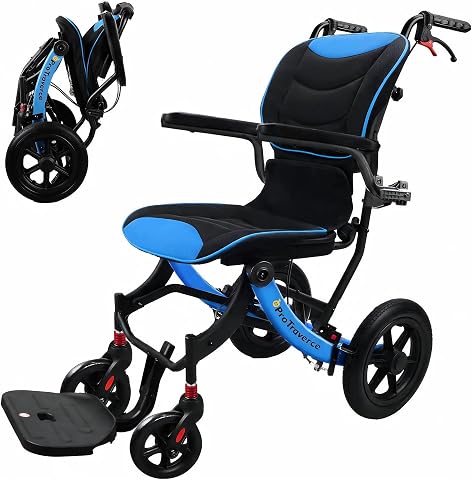
This lightweight, foldable transport wheelchair features an ergonomic design with a contoured backrest, waterproof armrests, and an adjustable footrest for enhanced comfort. Made with a sturdy aluminum frame, it supports up to 350 lbs and is easy to transport and store, making it ideal for travel and outdoor use.
Pros:
- Lightweight and easy to fold for portability
- Supports up to 350 lbs with sturdy construction
- Removable, washable cushions for added comfort
- Suitable for various terrains with durable wheels
Cons:
- Supports only up to 350 lbs, may not suit heavier users
- Some users may find the seat width limiting
Best for: Shoppers checking whether the named wheelchair fits this slot
Not ideal for: Anyone seeking a cushion based only on the supplied product name
Bottom line: Confirm whether the listing is for a wheelchair or cushion before assessing fit and compatibility.
Transfer Belts
A transfer belt may be considered when a caregiver assists someone with standing or moving between surfaces. The listed pick is a Gait Belt with Handles, with a metal buckle and a medium size stated in its name. A belt’s suitability depends on the person, the caregiver, and the transfer; confirm with a clinician or trained professional that this aid and technique are appropriate.
A common buying mistake is treating the belt as a lifting device or assuming the stated size fits without checking the manufacturer’s measurements. Review the waist range, belt width, handle placement, closure instructions, and any use limitations. Confirm that the caregiver can secure and release the buckle as directed and that the belt can be positioned as instructed. The name mentions handles and a metal buckle, but it does not establish the full specifications or fit for a particular user. Follow the product directions and professional training, and do not use a transfer aid in a way that causes discomfort or conflicts with the user’s care guidance.
What to look for:
- Waist range that matches the user per manufacturer guidance
- Handle layout suited to the trained transfer technique
- Buckle instructions and caregiver ability to operate it
- Stated use limitations and care instructions
- Professional guidance on whether a belt is appropriate
Gait Belt with Handles for Seniors, Metal Buckle, Orange, Medium

This gait belt features a heavy-duty metal buckle supporting up to 400 lbs, with adjustable dual leg straps for added stability. Equipped with padded handles for secure lifting, it is ideal for assisting seniors and disabled adults with mobility and transfers in home or clinical settings.
Pros:
- Heavy-duty metal buckle supports up to 400 lbs
- Adjustable dual leg straps prevent riding up
- Padded handles provide secure, comfortable grip
Cons:
- Size options may be limited
- No detailed material information provided
Best for: Caregivers comparing a handled gait belt for assisted transfers
Not ideal for: Anyone without guidance on safe transfer technique and belt use
Bottom line: Confirm the size and use instructions, and learn the appropriate technique from a qualified professional.
Bedside Assist Handles
A bedside assist handle can be considered when someone needs a stable handhold while getting into or out of bed. No specific product is listed, so begin by checking the bed type, frame, and the user’s movement needs. Compatibility with the bed is central: models can attach or fit in different ways, and the manufacturer’s instructions should determine whether a particular setup is suitable.
A common buying mistake is assuming a handle works with every bed or mattress arrangement. Check the product’s permitted bed and frame types, the installation method, and any stated mattress or base requirements. Consider where the handle will sit relative to the user and whether it can be reached comfortably without obstructing movement. Follow all setup and inspection directions, and ask a clinician or qualified installer for help if the fit or transfer method is uncertain. Do not treat a bedside handle as a substitute for an assessment of fall risk or transfer ability; select one only after checking the person’s needs and the specific product’s directions.
What to look for:
- Compatibility with the bed frame and mattress arrangement
- Installation and positioning instructions
- Reach and placement suited to the user
- Inspection and maintenance directions
- Professional guidance when fit or transfer safety is uncertain
Shower Transfer Benches
A shower transfer bench can help someone move into or sit while bathing, depending on the design and the person’s needs. The listed pick is a 26-inch teak folding shower bench seat, with ADA compliant and oil rubbed bronze wording in its name. Verify the complete product specifications and what the compliance wording refers to before deciding it suits the bathroom and the intended transfer.
A common buying mistake is choosing by material or appearance without measuring the bathing area and checking how the bench fits. Confirm the seat dimensions, overall footprint, height, and the manufacturer’s installation or placement instructions. Check whether the bench’s configuration fits the tub or shower and leaves room for the user and caregiver to move safely. The word “folding” does not by itself explain how the product folds or how much space it needs when stored, so verify those details. Ask a qualified professional about suitability for the user’s transfer needs, and follow the manufacturer’s cleaning, care, and use instructions.
What to look for:
- Seat height and dimensions that suit the user
- Footprint compatible with the tub or shower area
- Manufacturer guidance for placement and use
- Folding and storage details
- Clarification of the product’s ADA compliance wording
26" Teak Folding Shower Bench Seat, ADA Compliant, Oil Rubbed Bronze

This 26-inch teak folding shower seat is designed for safety and convenience, featuring a durable teak wood construction and a space-saving foldable design. It supports up to 500 lbs and is ADA compliant, making it suitable for elderly and disabled users.
Pros:
- Durable teak wood construction with stylish finishes
- Supports up to 500 lbs for safety and stability
- Space-saving folding design for easy storage
- Removable slats for thorough cleaning
Cons:
- Proper installation requires a qualified contractor
- Seat size may not fit all shower spaces
Best for: Shoppers comparing a folding bench for a measured bathing space
Not ideal for: Anyone who has not checked the bathroom layout and transfer needs
Bottom line: Verify dimensions, placement instructions, and the product’s compliance details before selecting the bench.
For a budget-first approach, start by identifying the most pressing mobility or transfer need, then compare only products that fit that use. Check measurements and compatibility early, confirm what each listing includes, and seek professional guidance where safe use or fit depends on individual needs.
Take one section at a time and verify the details against the user’s routine and surroundings. With careful comparisons and support from qualified professionals, you can build a more suitable checklist for everyday mobility.