
TL;DR

Turn quiet afternoons into listening time
- Thousands of audiobooks, podcasts and originals
- Listen on your phone, tablet or Echo — also offline
- Cancel anytime
To keep your mobility scooter in top shape, store it indoors on a flat surface, use the right charger, and avoid extreme temperatures. Regular maintenance and safety checks add years to your scooter’s life.
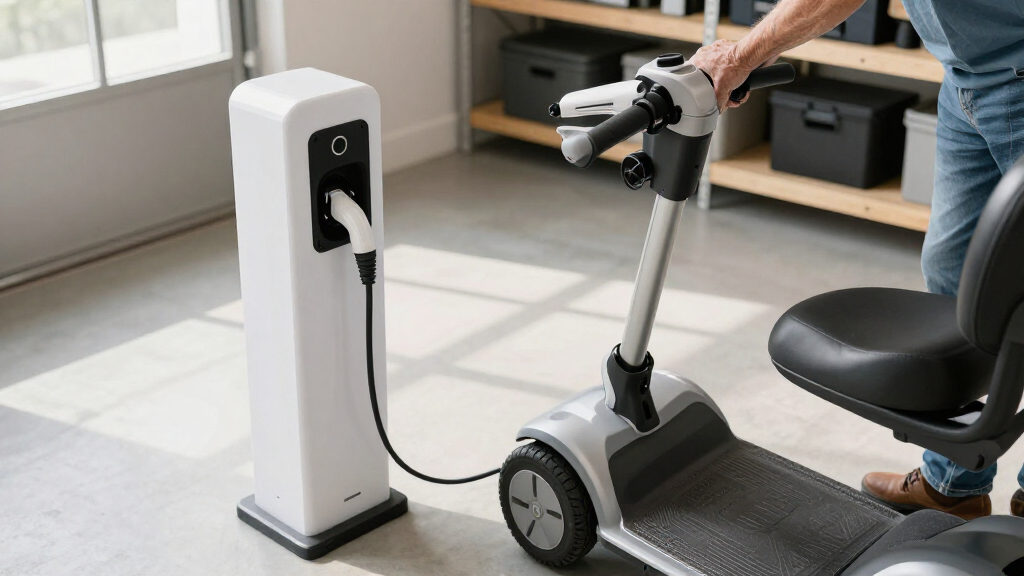
Imagine a quiet country morning. The sun filters through your cozy porch window as you check on your mobility scooter, parked on a sturdy mat. It’s a familiar routine—charging, inspecting, and storing. Keeping your scooter well-maintained isn’t just about convenience; it’s about preserving your independence and making sure your rides are safe and reliable.
In this guide, you’ll discover straightforward steps to store and charge your scooter at home. Whether you have a compact foldable model or a larger, sturdy design, these tips help you get the most out of your investment—saving you money and frustration down the road.
Charge your scooter daily or after each use, using the manufacturer’s charger.
Store your scooter indoors in a cool, dry, stable spot—avoid extreme temperatures.
Regularly inspect and maintain the battery, checking for corrosion or leaks.
Unplug the charger once the battery reaches full capacity to prevent overcharging.
If storing long-term, remove the battery and keep it in a cool, dry place, recharging monthly.
Home care field guide · Mobility & independence
How to Store and Charge a Mobility Scooter at Home
A dependable scooter begins with a quiet daily routine: park it level, charge it with the correct equipment, protect it from heat and moisture, and check the battery before small problems become expensive ones.
01 · Everyday routine
Five steps from parking to ready
Use the manufacturer’s instructions as the final authority for your model, especially for charging time and long-term battery care.
Park indoors
Choose a flat, stable surface with enough room to reach the controls and charging port safely.
Switch it off
Remove the key if fitted, engage the brake and make sure the charging area is dry.
Connect correctly
Insert the manufacturer-approved charger securely into the scooter’s designated port.
Watch the indicator
Allow the recommended charging cycle and check that the charger reaches its full-charge state.
Disconnect safely
When charging is complete, unplug according to the manual and store the lead without tight bends.
Charge after each use or daily when the scooter is used regularly. Avoid deep discharges, improvised chargers and damaged extension leads.
02 · The right home base
Build a safe parking zone
A utility room, ventilated garage area or generous indoor cupboard can work—provided the space remains dry, secure and temperature-stable.
Level and solid
A flat floor reduces tipping risk and avoids unnecessary strain on wheels, frame and suspension. A sturdy rubber mat can protect both scooter and floor.
Dry and ventilated
Keep electrical parts away from rain, condensation, damp walls and direct sunlight. Do not cover a warm charger or block its ventilation.
Free of clutter
Leave space around the scooter and charger. Paper, fabric, aerosols and other flammable materials do not belong in the charging zone.
Easy to inspect
Position the scooter so the charging indicator, cable, tyres and battery compartment can be checked without lifting or awkward reaching.
Locked and controlled
Use a secure indoor area, remove the key and consider an approved lock. Newer models may also offer alarms or GPS tracking.
Away from extremes
Heat speeds battery degradation, while cold can temporarily reduce capacity and range. Stable indoor conditions are kinder to both battery types.
03 · Battery comparison
Lead-acid or lithium-ion?
Lithium-ion typically costs more upfront but offers lower weight, faster charging and a longer service life when maintained correctly.
| Feature | Lead-acid | Lithium-ion |
|---|---|---|
| Weight | Often 20–30 lb | Often around 10 lb Lighter handling |
| Typical lifespan | 1–2 years with proper care | 3–5 years with proper care Longer service |
| Charging time | Approximately 4–8 hours | Approximately 2–4 hours Faster cycle |
| Upfront cost | Lower | Higher |
| Care needs | Inspect terminals, leaks and corrosion regularly | Keep cool and dry; use the approved charging system |
| Home handling | Heavy; acid content requires careful handling | Light and convenient, but damage or swelling needs urgent attention |
04 · Longer breaks
Prepare before you park for a month
A battery can lose charge while unused. A short monthly check helps prevent deep discharge, corrosion and a disappointing first ride in spring.
Clean and inspect
Remove dirt and moisture. Check the battery casing, terminals, tyres, cable and charging port for visible damage.
Follow the manual
Many lithium batteries favour roughly 50–70% charge for extended storage, while other systems may require a full charge.
Remove if advised
If the manual recommends removal, keep the battery in a cool, dry, secure place away from metal objects and heat sources.
Check and recharge
Inspect the battery each month and recharge at the interval specified by the manufacturer. Record the date to avoid missed checks.
05 · Safety check
Know what normal looks like
A quick inspection before charging can reveal heat, damage or contamination before it becomes a breakdown—or a serious safety hazard.
Safe charging checklist
- Use the charger supplied or approved by the scooter manufacturer.
- Charge in a dry, ventilated area on a stable surface.
- Keep cables straight, visible and away from walkways.
- Keep paper, fabric and other flammable items clear.
- Follow the model-specific indicator and disconnecting procedure.
- Inspect the plug, lead and charging port regularly.
Stop and seek expert help if you notice
- A swollen, bulging, cracked or leaking battery casing.
- A burning smell, smoke, unusual heat, hissing or discoloration.
- Corroded terminals, damaged wiring or a loose charging socket.
- A charger that repeatedly fails, flashes an error or becomes unusually hot.
- A sudden drop in range or a battery that will not hold charge.
Switch off and disconnect only if it is safe to do so. Move away from smoke or fire, contact emergency services when necessary, and ask the manufacturer or a qualified mobility technician for guidance.
The care chain
Small habits protect every ride
Good storage and charging are not separate chores. Together they form a simple system that protects reliability, safety and independence.
Store indoors on a flat surface, use the approved charger, avoid temperature extremes and inspect regularly. For long breaks, follow the battery maker’s storage-charge guidance and schedule a monthly check.
Keep Your Scooter Charged and Ready with Simple Daily Habits
Charging your scooter regularly is the best way to keep it dependable. Most scooters benefit from daily or after-every-use charging—think of it like watering your garden plants. A full charge every day ensures the battery stays healthy and prevents it from dying unexpectedly.
For example, after a morning shopping trip, plug it in for a few hours while you enjoy a cup of tea. Use the charger supplied by the manufacturer—cheap knock-offs can damage the battery or cause safety issues. And once the battery hits 100%, unplug it. Overcharging can wear down the battery faster, much like leaving a phone plugged in overnight.
As an affiliate, we earn on qualifying purchases.
The Best Spot at Home to Keep Your Scooter Safe and Happy
Your scooter loves a cozy, dry spot—preferably indoors, away from the chill or heat. A garage corner, a spare closet, or a utility room works well. Keep it on a flat, stable surface—think of it like parking a car on level ground. This prevents tipping or damage over time.
For instance, a neighbor keeps her scooter in a well-ventilated laundry room, on a rubber mat, away from direct sunlight. She finds this keeps the battery from overheating and prevents rust or corrosion. Remember, extreme temperatures—above 77°F or below 50°F—can shorten your scooter’s lifespan. Exposure to cold can slow down battery chemistry, reducing capacity, while excessive heat accelerates chemical breakdown inside the battery, both leading to shorter overall life and potential safety hazards.
As an affiliate, we earn on qualifying purchases.
Step-by-Step Guide to Storing and Charging Your Scooter
- Park on a flat, stable surface inside your home to prevent tipping and mechanical strain.
- Turn off the scooter and unplug the charger from the wall socket to avoid accidental electrical issues.
- Connect the charger to the scooter’s designated charging port—usually marked clearly on the body. Ensuring a secure connection prevents intermittent charging issues that can harm the battery.
- Allow the scooter to charge until the indicator shows full—usually 8-12 hours for a full charge. Charging for the correct duration is vital because undercharging can lead to reduced range and performance, while overcharging—even if the charger stops—can generate heat that damages the battery over time. Over time, excessive heat from overcharging can degrade the internal components of the battery, leading to capacity loss or swelling, which poses safety risks.
- Unplug the charger and store it safely; avoid leaving it plugged in overnight. This prevents unnecessary wear on the charger and reduces fire risk. Leaving the charger plugged in beyond full charge can sometimes lead to slight battery overheating or stress, especially with older models.
- If storing long-term, remove the battery and keep it in a cool, dry place, ideally between 50°F and 70°F. Proper long-term storage prevents capacity loss, leaks, and corrosion, which can be costly to repair or replace. Batteries stored at extreme temperatures may experience accelerated degradation or capacity fade, reducing overall lifespan and risking safety issues.
This routine keeps your scooter ready to go, minimizes battery wear, and prevents accidents or damage.
As an affiliate, we earn on qualifying purchases.
Compare Battery Types — Which One Is Better for Home Storage?
| Feature | Lead-Acid | Lithium-Ion |
|---|---|---|
| Weight | Heavy, often 20-30 lbs | Lightweight, around 10 lbs |
| Lifespan | 1-2 years with proper care | 3-5 years, longer with proper maintenance |
| Charging Time | 4-8 hours | 2-4 hours |
| Cost | Lower upfront, shorter lifespan | Higher upfront, lasts longer |
| Care Needs | Requires regular maintenance, check for leaks, and careful handling due to acid content. | Minimal, just keep in a cool, dry spot, and avoid overcharging. |
Choosing between these depends on your needs and budget. Lithium-ion batteries, though pricier, offer better longevity and lighter weight—making them ideal for home storage where ease and reliability matter. Additionally, they reduce the physical strain of handling heavier batteries and decrease the risk of acid spills or corrosion, which can be hazardous if not managed properly.
As an affiliate, we earn on qualifying purchases.
Safety First: What You Need to Know When Charging and Storing
Charging your scooter safely isn’t complicated. Always unplug the charger once the battery is full. Keep it away from flammable materials—like paper or cloth—while charging. A good rule? Never leave the charger unattended for long periods, especially overnight.
Regularly inspect your scooter for signs of damage—cracks, corrosion, leaks. If something looks off, don’t ignore it. For example, a neighbor once found her lithium battery swollen after a week of neglecting regular checks—she replaced it before any damage occurred. Recognizing early warning signs can prevent costly repairs or dangerous situations, such as electrical fires or chemical leaks, which are more likely if batteries are damaged or improperly stored. Understanding these signs and acting promptly can save you money and prevent hazardous incidents. For instance, swelling or bulging batteries indicate internal damage or chemical buildup, which can lead to leaks or fires if not addressed immediately.
Remember, a safe home for your scooter means peace of mind, and fewer surprises on your next ride.
Long-Term Storage Tips — Keep Your Scooter in Shape During Breaks
If you’re not using your scooter for a while, take a few simple steps to keep it in good shape. First, fully charge the battery before storing it away—this helps prevent it from discharging completely, which can cause capacity loss or damage. Then, remove the battery if you won’t use it for more than a month, storing it in a cool, dry place. This prevents the battery from degrading due to temperature fluctuations or self-discharge, which can significantly reduce its lifespan. Keeping the battery at a partial charge—around 50-70%—during long-term storage can help maintain its health, as deeply discharged or fully charged batteries are more prone to capacity fade during inactivity.
For example, a customer stored her scooter in the garage for winter, removing the battery and keeping it in a basement closet. She checked on it monthly, recharging as needed. This routine kept her scooter ready when spring arrived, avoiding the need for costly repairs due to neglected batteries or mechanical issues caused by moisture or temperature extremes. Regularly inspecting and maintaining the battery during storage—such as recharging or checking for corrosion—helps ensure it remains in optimal condition for when you need it again. This proactive approach minimizes the risk of unexpected failures and extends your scooter’s overall lifespan.
Storing the scooter on a flat, stable surface away from extreme temperatures helps avoid battery degradation and mechanical issues, ensuring your scooter remains reliable when you need it again.
Frequently Asked Questions
How often should I charge my mobility scooter?
Most scooters benefit from daily charging or after each use—think of it like feeding a pet. Regular charging keeps the battery healthy and ready for your next adventure.Can I leave my scooter plugged in overnight?
Many modern chargers and batteries are designed to stop charging once full, but it’s still safest to unplug after reaching 100%. Overcharging can reduce battery lifespan over time.Where is the best place to store my scooter at home?
An indoor, dry, and cool spot—like a garage corner or utility room—is ideal. Keep it on a flat surface to prevent tipping and protect it from weather damage.How do I maintain my scooter’s battery?
Keep terminals clean, avoid deep discharges, and store it in a cool, dry place. Follow your manufacturer’s guidelines for charging and long-term storage to extend battery life.What should I do if my scooter won’t charge or the battery is dead?
Check the charger and power outlet first. If the problem persists, inspect the battery for damage or leaks, and consider consulting a qualified technician for help.Conclusion
Keeping your scooter charged and stored properly isn’t just about convenience—it’s about safeguarding your freedom and confidence. Think of your scooter as a trusted companion, deserving of good care and a cozy home.
Next time you park it for the day, remember: a little attention goes a long way. With simple habits, you’ll enjoy many more miles of country charm and independence.
Halloween Picks
halloween
As an affiliate, we earn on qualifying purchases.