
TL;DR

Get comfort and care essentials delivered free — and shop member deals
- Fast, free delivery on millions of items
- Access to Prime Big Deal Days deals on October 6–7
- Prime Video, Amazon Music and more included
Reorganizing your kitchen to keep frequently used items within easy reach, adjusting counter heights, and creating dedicated zones can cut down on bending, twisting, and reaching. These simple tweaks help protect your back during daily chores.
Ever felt that sharp twinge in your lower back after a long day of cooking? You’re not alone. Many of us don’t realize how much our kitchen layout impacts our back health—until pain sneaks up on us. But here’s the good news: with just a few easy tweaks, you can make your kitchen a friendlier space that cares for your back, not harms it.
This guide is all about simple, practical changes. No major renovations needed. Just smart reorganizing and adjustments that make everyday tasks safer, easier, and more comfortable—so you can enjoy cooking without paying for it later.
Rearranging storage for easy reach reduces bending and twisting.
Position heavy items at waist level to lessen lifting strain.
Use pull-out drawers and shelves to avoid awkward reaching.
Raise major appliances to a comfortable height for safer use.
Create clear landing zones to prevent dangerous carrying and twisting.
Back-friendly kitchen guide
Simple Kitchen Layout Changes to Save Your Back
Keep frequently used items within easy reach, bring heavy objects up to waist height, and build compact activity zones. These practical changes reduce bending, twisting, carrying, and awkward reaching—without a major renovation.
Bring the kitchen task to you
Treat the room as a set of mini stations. Each station should hold the tools and supplies needed for that activity, reducing unnecessary steps and loaded carries.
Cut, rinse, transfer
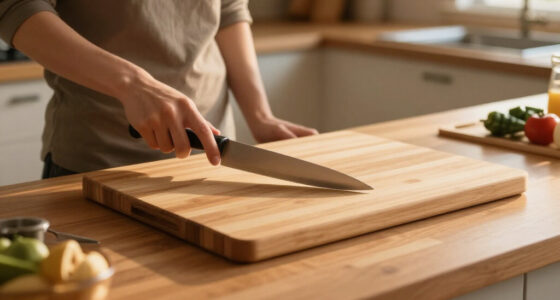
Keep knives, boards, bowls, peelers, and everyday ingredients beside the main prep surface, ideally near the sink and refrigerator.
Lift less at the stove
Store pots, pans, utensils, oils, and heat-safe landing pads close to the cooktop so heavy cookware travels only a short distance.
Unload without twisting
Place dishes and glassware near the dishwasher. Make sure doors and drawers open fully without blocking the safest standing position.
A smoother task flow protects your spine
The goal is a direct sequence: face the object, keep it close, move your feet, and set it down nearby.
Face the load
Square your body to heavy cookware or groceries before lifting.
Hold it close
Keep the object near your torso instead of reaching outward.
Pivot with feet
Turn your whole body rather than twisting through the lower back.
Land nearby
Use clear counter space beside the fridge, oven, and microwave.
Reorganize before you renovate
Frequency, weight, and reach should decide where an item lives. The safest storage makes the most common movement the easiest one.
| Kitchen item | Strain-prone placement | Back-friendly placement | Primary benefit |
|---|---|---|---|
| Daily utensils | ✗Low rear cabinet | ✓Waist-level drawer | Less bending |
| Cast-iron cookware | ✗Deep floor-level shelf | ✓Sturdy waist-height storage | Safer lifting |
| Pots and pans | ✗Fixed deep cabinet | ✓Full-extension drawer | Less crouching |
| Microwave | ✗Too high for hot dishes | ~Comfortable, reachable height | Controlled transfer |
| Rare lightweight items | ~Prime reach zone | ✓Upper or lower shelf | Frees easy access |
✓ preferred ✗ avoid when possible ~ adjust to the user and appliance
One counter height does not fit every body
Use elbow height as the reference—not the standard measurement alone. Different tasks benefit from different working levels.
This is a common baseline, not a universal target. User height, mobility, task type, and whether the person sits or stands all matter.
Ten changes you can make now
Start with the tasks you repeat every day. Small improvements compound each time you cook, unload dishes, or put groceries away.
Use the reach sweet spot
Keep everyday essentials between hip and shoulder height.
Raise heavy objects
Move mixers, bulk ingredients, and heavy cookware toward waist level.
Bring storage outward
Add pull-out baskets, shelf risers, lazy Susans, or drawer organizers.
Clear landing zones
Leave counter space beside appliances for hot, bulky, or heavy items.
Improve standing comfort
Use supportive footwear and a nonslip, low-profile anti-fatigue mat.
Add a seated option
Keep a stable stool available for peeling, chopping, and longer tasks.
Brighten task surfaces
Install shadow-free lighting so you do not lean forward to see clearly.
Choose easier equipment
Use lighter cookware, two-handled pots, and easy-grip hardware.
Slide when safe
Move bowls and boards across clear counters instead of carrying them.
Break up repetition
Change position, alternate tasks, and prepare food in shorter sessions.
The best kitchen is not merely compact—it is effortless to move through.
Keep the sink, refrigerator, cooktop, and prep area close enough for efficiency, but leave enough clear floor space to turn, open drawers, and use appliances without being trapped or forced to twist.
How to Create Compact, Easy-to-Reach Work Zones
The first step to saving your back is building work zones that minimize walking, reaching, and bending. Think of your kitchen as a series of mini stations—prep, cook, clean—each with everything you need close by.
For example, store your knives and cutting boards right beside your prep area. Keep your pots near the stove, and dishes close to the dishwasher. This reduces the need to carry heavy items across the kitchen or twist awkwardly while reaching.
Imagine grabbing a knife, chopping veggies, then sliding them directly into a pot—no unnecessary steps, no strain on your back.
As an affiliate, we earn on qualifying purchases.
Keep Everyday Items Between Hip and Shoulder Height for Safer Access
Storing your most-used items between your hips and shoulders makes a big difference. It’s the sweet spot where you can reach without bending or stretching too far.
For instance, place frequently used spices, utensils, or small appliances in drawers or shelves at this height. Rarely used items can go higher or lower, out of the way.
When I reorganized my own kitchen, I moved my most-used utensils to a drawer at waist level. Suddenly, I wasn’t bending down to reach for that heavy cast-iron skillet or stretching on tiptoes for a high shelf.
As an affiliate, we earn on qualifying purchases.
Move Heavy Items Upward to Reduce Bending and Lifting Strain
Heavy, bulky items like mixers, cast-iron cookware, and large containers should be stored around waist height. This way, you lift and set down loads with less bending or twisting.
Say you keep your stand mixer on a lower shelf—lifting it out can cause a sudden strain. Move it to a sturdy cabinet at waist level. When you need to use it, you can lift it straight up, not from a deep, hard-to-reach shelf.
It’s like placing the heaviest books at waist height on your shelves—easier to pick up and put down without strain.
As an affiliate, we earn on qualifying purchases.
Use Drawers and Pull-Out Shelves for Safer, Less Bending Storage
Deep cabinets are sneaky—lots of reaching and bending to find what’s inside. Replacing them with full-extension drawers or pull-out shelves makes a world of difference.
For example, a pull-out drawer for pots and pans brings everything to you at waist level. No more kneeling or crouching to fetch that tricky-to-reach skillet at the back of a deep cabinet.
This simple switch turns a back-breaking task into a straightforward reach, saving your spine and your energy.
kitchen organization for back health
As an affiliate, we earn on qualifying purchases.
As an affiliate, we earn on qualifying purchases.
Raise Major Appliances to Cut Down on Repeated Bending
Positioning appliances like the microwave, oven, or dishwasher at a comfortable height can save your back from constant bending. A microwave at eye level, for example, means you lift hot dishes safely without stooping.
Just be sure controls and handles are reachable and safe. A raised dishwasher with a slightly higher door means less bending over to load or unload.
This small change makes a noticeable difference during daily routines—imagine bending a little less every time you cook or clean.
Create Landing Spaces to Prevent Awkward Carrying and Twisting
Think of landing zones as safe spots where you can set down heavy or hot items before moving on. Placing a clear counter space beside your fridge, oven, or microwave prevents you from carrying things across the kitchen and twisting awkwardly.
For example, unloading groceries onto a countertop before transferring them to shelves means less effort and safer movements. It’s all about avoiding those dangerous twists while carrying a heavy bag or hot casserole.
A simple, clutter-free landing spot makes your kitchen safer and more comfortable.
Design Your Kitchen for Efficiency and Comfort
The classic kitchen triangle—sink, stove, fridge—still works, but modern layouts focus on activity zones. Keep these areas close enough to avoid unnecessary walking but spaced to prevent cramped movements.
For example, place your main prep area near the sink and fridge, with the cooktop nearby. Make sure doors and drawers can open fully without trapping you or forcing awkward movements.
Think of it as creating a smooth flow—less twisting, less bending, more enjoying your time in the kitchen.
Improve Standing Comfort with Simple Additions
Standing for long periods can tire your back and legs. Supportive footwear and cushioned mats with nonslip surfaces help. Placing a low-profile anti-fatigue mat in front of the sink or stove can make a noticeable difference.
For example, I keep a foam mat under my feet when peeling vegetables or stirring sauces. It eases fatigue and keeps me steady.
Switching between sitting and standing during tasks, with a sturdy stool nearby, can also prevent pain and fatigue.
Add Seated Work Options for Long Tasks
A stable stool or lower work surface gives you the option to sit during longer prep or chopping sessions. It reduces fatigue and keeps your back relaxed.
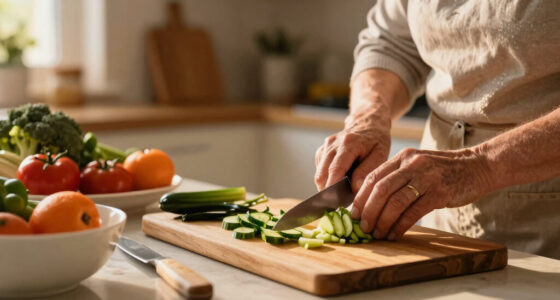
For example, I keep a sturdy kitchen stool at hand. Sitting while peeling or chopping makes the task easier and less tiring.
This little addition can transform long kitchen sessions into more comfortable, enjoyable experiences.
Brighten Your Kitchen to Reduce Leaning and Bending
Good lighting helps you see clearly without leaning forward or squinting. Bright, shadow-free task lighting makes your workspace safer and more comfortable.
Under-cabinet LED lights are easy to install and provide crisp illumination right where you need it. I installed a few under my cabinets—night and day difference in clarity and safety.
Better lighting means less strain on your neck and back, especially during detailed tasks.
Break Up Repetitive Tasks for Less Fatigue
Doing the same motion repeatedly can tire your back and shoulders. Break tasks into shorter sessions, change your position often, and slide objects instead of carrying when possible.
For example, I prepare vegetables in two shorter sessions instead of one long chopping marathon. I also slide a cutting board across the counter instead of lifting heavy bowls.
Small pauses and variation keep your back happier and your energy steady.
Frequently Asked Questions
Can I make my kitchen back-friendly without remodeling?
Absolutely. Reorganize your shelves, add pull-out drawers, and establish landing zones. Small adjustments like these can make a big difference in reducing back strain without any major work.
Where should frequently used items be stored for easy access?
Keep your everyday essentials between your hips and shoulders. This minimizes bending and reaching, making tasks safer and more comfortable.
Are drawers better than cabinets for back health?
Yes. Full-extension drawers allow you to see and reach everything easily, reducing the need to kneel or stretch into deep cabinets—saving your back.
What is the best counter height for back pain?
It varies, but generally a height slightly below your elbow works well for most tasks. Adjusting for your comfort can prevent unnecessary bending.
Should appliances like the microwave or dishwasher be raised?
Raising these appliances can reduce repeated bending. Just ensure controls are accessible and safe—making daily routines easier and safer.
Conclusion
Small changes can turn your kitchen into a safer, kinder space for your back. Think about what’s within easy reach, adjust heights, and keep heavy loads close. Your back will thank you every time you cook, clean, or just enjoy your space.
Remember, a back-friendly kitchen isn’t about big renovations. It’s about smart, simple tweaks that let you enjoy your kitchen without pain or strain. After all, home is where comfort begins—make yours a space that cares for you.
Halloween Picks
halloween
As an affiliate, we earn on qualifying purchases.