
TL;DR

Turn quiet afternoons into listening time
- Thousands of audiobooks, podcasts and originals
- Listen on your phone, tablet or Echo — also offline
- Cancel anytime
Simple bathing and grooming aids help older adults stay independent by reducing strain, improving safety, and boosting confidence. Choosing the right tools requires understanding individual needs and bathroom layout, but even small changes can have a big impact.
Choose aids that match your specific mobility and bathroom layout to maximize safety and comfort.
Regularly inspect and maintain your equipment to keep it safe and effective for years to come.
Small, well-placed tools like long-handled sponges and no-rinse shampoos can significantly reduce strain during bathing.
Modern designs emphasize discreet, user-friendly features that blend safety with home comfort.
Consult a professional, like an occupational therapist, to tailor your bathroom aids and routines for your needs.
Simple Bathing and Grooming Aids for Independence
Small, well-chosen adaptations can reduce strain, improve stability and make everyday hygiene feel manageable again. The goal is not more equipment—it is the right support, placed where the person can use it confidently.
Secure supports before adding convenience tools.
Match the aid to ability, movement and routine.
Keep frequent supplies within comfortable reach.
Check fittings, surfaces, batteries and stability.
Start with the difficulty—not the product
Observe where pain, fatigue, reaching, gripping or loss of balance occurs. Then choose the smallest effective change that fits the person’s body, bathroom and usual sequence of movements.
Create a stable base
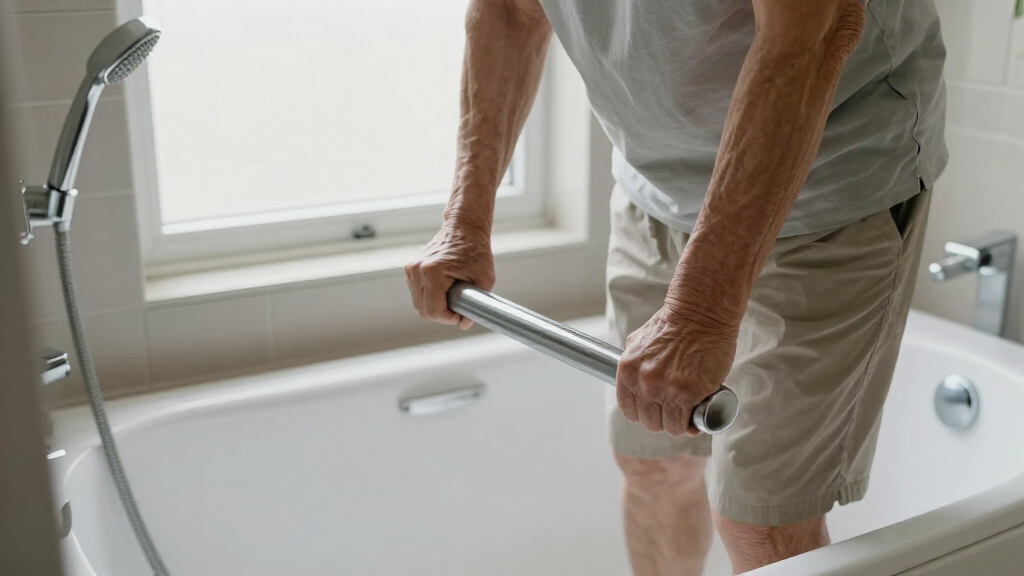
Consider an anchored grab bar, shower chair or transfer bench. Test seat height, weight capacity and the full path into and out of the bathing area.
Bring the task closer
Handheld showerheads, reachable caddies and lightweight long-handled tools reduce bending, twisting and shoulder strain.
Reduce hand effort
Large grips, pump bottles, electric devices and universal cuffs can limit repetitive movement and make one-handed tasks easier.
Identify
Name the exact task causing difficulty.
Measure
Check space, reach, seat height and clearances.
Verify
Review stability, limits and installation needs.
Test
Try the aid during the real movement sequence.
Review
Reassess as strength, balance or routines change.
High-impact aids for comfort and control
Each tool addresses a different source of effort. Selection, sizing and installation determine whether it improves safety or introduces a new hazard.
Handheld showerhead
Directs water while seated and reduces twisting or overreaching during rinsing.
Place controls within seated reachChair or transfer bench
A chair supports seated washing; a bench extends beyond the tub to assist entry and exit.
Check height, feet and weight limitLong-handled sponge
Reduces bending and reaching, provided the handle remains light and easy to control.
Choose a secure, comfortable gripNo-rinse shampoo cap
Simplifies hair washing when standing, bending or managing rinse water is difficult.
Confirm hair and skin suitabilityGrab bars + non-slip surface
Provide foundational support when securely anchored and positioned for actual movements.
Never substitute a towel railSuction handles can release unexpectedly and generally should not bear body weight. Mats must stay flat and secure; curled edges, sliding surfaces or blocked walker paths can increase fall risk.
Match the tool to the movement
The most useful grooming aid reduces a specific barrier while remaining easy to hold, operate, clean, charge and store.
| Difficulty | Useful aid | Why it helps |
|---|---|---|
| Weak grip | Large-grip handle | ✓ Less finger force |
| Limited grasp | Universal cuff | ✓ Holds tool securely |
| Repetitive motion hurts | Electric brush or razor | ✓ Reduces hand movement |
| Limited shoulder range | Long-handled comb | ✓ Extends comfortable reach |
| One-handed routine | Pump dispenser | ✓ Stabilizes dispensing |
| Reduced vision | Illuminated mirror | ✓ Adds light and detail |
| Nail-care difficulty | Base-mounted clipper | ✓ Improves stability |
A visual map of task support
These relative bars show how directly common adaptations address five everyday sources of difficulty. A longer bar means the aid category has a strong role in reducing that type of effort—not a clinical percentage.
Weighted tools may steady some tremors but can worsen fatigue for others. Likewise, a handle that is too long or heavy may become harder to control. Comfort testing matters.
Small changes build a safer routine
An occupational therapist can evaluate transfers, positioning and equipment use. Caregiver or professional assistance may still be appropriate for standing showers, difficult transfers, or nail care when diabetes, poor circulation or reduced sensation is present.
Inspect, clean and reassess
A simple monthly check helps prevent worn components, buildup or changes in ability from turning a trusted aid into a risk.
How to pick the safest and easiest bathing aids for your bathroom
Choosing the right bathing aids starts with understanding your specific needs. For example, if balance is a concern, a sturdy shower chair or transfer bench can provide stability. If reaching is difficult, long-handled brushes and no-rinse shampoos make tasks easier. Safety is paramount—grab bars must be securely anchored, and non-slip mats should stay put. Think of your bathroom as a stage where each tool plays a part in your safety story. A careful assessment of your space and abilities ensures you select aids that fit naturally into your routine, reducing the risk of falls and strain.
As an affiliate, we earn on qualifying purchases.
Top 5 bathing aids that boost comfort and independence
Here are five must-have aids that can transform your bathing routine:
- Handheld showerhead: A handheld showerhead allows you to control water flow precisely, which is especially helpful when seated or reaching difficult areas. This reduces the need for awkward movements, lowering the risk of slips and strains. Its flexibility means you can rinse thoroughly without twisting or overreaching, which is vital for maintaining safety and comfort during bathing.
- Shower chair or transfer bench: These provide a stable seat that minimizes fatigue and the chance of slipping, especially for longer or more challenging showers. They encourage a relaxed, unhurried bathing experience, which can prevent accidents caused by rushing or discomfort. The tradeoff is ensuring proper height and stability—poorly chosen or unstable chairs can create new hazards, so selecting one that fits your body and space is critical.
- Long-handled sponge: Reaching difficult spots without stretching or kneeling prevents joint strain and maintains balance. This aids in thorough cleaning while reducing fatigue. However, some models may be harder to maneuver; choosing a lightweight sponge with a comfortable grip ensures better control, making it easier to reach all areas safely without risking slips or overexertion.
- No-rinse shampoo caps: These simplify hair washing, especially when standing or bending is problematic. They reduce the effort needed to rinse and avoid the need for water management, which can be tricky on slippery surfaces. Nonetheless, they may not suit all hair types or preferences, so understanding their limitations helps prevent frustration and ensures satisfaction with the cleaning process.
- Non-slip mats and grab bars: These are foundational safety tools. Properly placed non-slip mats prevent falls, and securely anchored grab bars provide support during transfers or standing. The key is correct installation—poorly installed aids can give a false sense of security, increasing fall risk. Regular checks and maintenance ensure these aids continue to serve their purpose effectively, reducing the likelihood of accidents and boosting confidence in your safety setup.
As an affiliate, we earn on qualifying purchases.
Grooming tools that make one-handed tasks easier
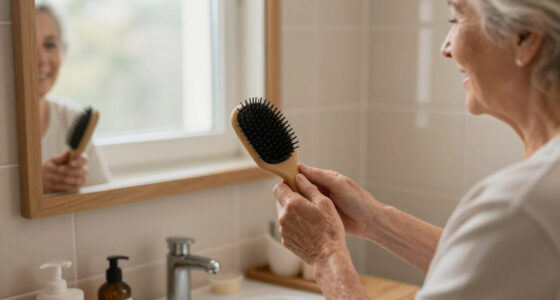
Grooming aids tailored for limited hand strength or dexterity can significantly enhance independence and self-esteem. Electric toothbrushes and razors are designed to reduce repetitive hand movements, which can be tiring or painful for those with arthritis or tremors. Large-grip or weighted handles help maintain control, especially when grip strength is compromised, preventing slips that could cause injury. Universal cuffs and long-handled brushes help reach difficult spots, reducing the need for awkward postures that can cause discomfort or imbalance. These tools not only facilitate daily hygiene but also promote dignity—imagine someone with arthritis comfortably brushing their teeth with a large-handle electric brush, feeling confident and autonomous. Easy-squeeze toothpaste dispensers and illuminated mirrors further reduce frustration, enabling a smoother routine. Selecting aids that align with specific difficulties ensures you maintain your independence without overexerting or risking injury, ultimately supporting a consistent, safe grooming routine.
As an affiliate, we earn on qualifying purchases.
Matching aids to individual needs and bathroom spaces
Every person and bathroom layout is different. An aid must fit comfortably and be easy to operate. For example, a tall individual may need a raised toilet seat and a long-handled brush, while someone with limited vision benefits from high-contrast handles and illuminated mirrors. Ask yourself: Can I reach that? Is it easy to grip? Does it feel stable? A quick checklist:
- Identify the task causing difficulty.
- Measure your space and your body size.
- Check weight limits and ease of operation.
- Consider whether professional installation is needed.
- Test for comfort and safety before committing.
As an affiliate, we earn on qualifying purchases.
Maintaining your aids for safe, long-lasting use
Proper upkeep keeps your bathing and grooming aids working safely for years. Regularly check for loose fittings, rust, or cracks. Clean mold and soap scum from grips and non-slip surfaces. Replace worn rubber feet or corroded parts promptly. Think of it like caring for a trusted tool—routine maintenance ensures safety and longevity. For example, a well-cleaned grab bar stays secure, preventing accidents. Keep batteries fresh in electric devices and store aids in accessible, uncluttered spots for quick grab-and-go routines. Neglecting maintenance can lead to deterioration that compromises safety, such as a loose grab bar or a corroded wheel on a shower chair, which could cause falls. Regular inspections and cleaning are simple steps that extend the life of your aids and ensure they perform reliably when needed most. This proactive approach not only prolongs the lifespan of your equipment but also prevents unexpected failures that could lead to injury, reinforcing a safe and dependable environment for daily routines.
Latest designs and trends in bathing and grooming aids
Today’s products blend safety with a homey look, reflecting an understanding that aids should complement rather than detract from your decor. Many aids now feature tool-free height adjustments, modular handles, and ergonomic grips that resist slipping when wet, making them adaptable to different users and preferences. High-contrast colors help those with vision issues distinguish handles and controls easily, reducing confusion and mishaps. Rechargeable, cordless grooming devices and touchless dispensers not only add convenience but also minimize germ transfer and simplify cleaning. Biometric toilet seats and smart sensors offer enhanced safety features that can alert caregivers or remind users of routine tasks without cluttering the space. Imagine a bathroom with sleek, built-in seating, curbless showers, and discreet, smart technology—these innovations make safety seamless without sacrificing style. However, it’s vital to remember that labels like “antimicrobial” or “fall-proof” are marketing terms—proper installation, regular inspection, and honest assessment of needs are essential to truly benefit from these advancements. The latest trends focus on user-centered design that emphasizes safety, ease of use, and aesthetic harmony, but they require responsible implementation to realize their full potential.
Questions to ask before buying bathing and grooming aids
Before making a purchase, ask yourself:
- Which movement or task is hardest?
- Can I safely use this while seated?
- Will it fit in my bathroom and my body size?
- What’s the weight limit?
- Does it need professional installation?
- Can I operate it with wet or painful hands?
- Is it easy to clean and dry?
- Could it create a hazard or trip risk?
- Is it returnable if it doesn’t work well?
- Would an occupational therapist help me pick the right tools?
Common questions about bathing and grooming aids answered
What is the easiest bathing aid to start with? A handheld showerhead or a sturdy shower chair often makes bathing safer and easier right away. They address common challenges like reaching and balance, reducing the risk of slips and falls during the most vulnerable parts of bathing.
Are suction grab bars reliable? They can be helpful for visual cues and light support but shouldn’t be relied upon to bear your full weight. Proper installation and periodic checks are essential—poorly secured bars can become hazards rather than safety aids.
How high should a shower chair be? It should support your feet comfortably, with knees at a right angle, and allow easy transfer into the shower or tub. The right height prevents awkward postures that can cause strain or imbalance, thus reducing fall risk. Adjusting the height to your comfort level ensures safe and easy transfers.
Can aids help after surgery? Yes, but always follow your doctor’s instructions. Properly selected aids like transfer benches, raised seats, and grab bars support healing by reducing unnecessary movement and preventing falls, which are critical during recovery. Consulting a healthcare professional ensures that the aids complement your healing process without risking injury.
What about aids for one-handed grooming? Pump dispensers, electric razors, and long-handled brushes make grooming less frustrating by reducing the need for complex hand motions. They enable independence, boost confidence, and help maintain hygiene routines with less effort and risk of injury. Understanding your specific limitations allows you to select the most suitable tools for sustained self-care.
Frequently Asked Questions
What is the easiest bathing aid to start with?
A handheld showerhead or a sturdy shower chair often makes a big difference. They simplify rinsing and sitting, especially if balance or reaching is difficult.Are suction grab bars safe?
They provide visual cues but shouldn’t bear your full weight. Proper installation and regular checks are essential to prevent slips.How high should a shower chair be?
It should support your feet comfortably, with knees at a right angle and easy transfer into the shower or tub. Adjust for your comfort and safety.Can aids help after surgery?
Yes, but follow your doctor’s guidelines. Aids like transfer benches and raised seats support healing and prevent accidents.What aids are best for one-handed grooming?
Pump dispensers, electric razors, and long-handled brushes reduce the need for two-handed manipulation, making grooming easier and safer.Conclusion
A few thoughtful adjustments in your bathroom routine can dramatically boost your independence and safety. Remember, it’s not about doing everything alone but doing things safely and with dignity. With the right tools, your daily routine can remain a source of pride and comfort, not worry. Imagine stepping into your bathroom knowing every aid is there to support your independence—quiet, reliable, and just right for you.Halloween Picks
halloween
As an affiliate, we earn on qualifying purchases.