
TL;DR
Open a free Amazon Business account
Business pricing, bulk buying and tax-exempt orders.
Create a free accountAs an affiliate, we earn on qualifying purchases.
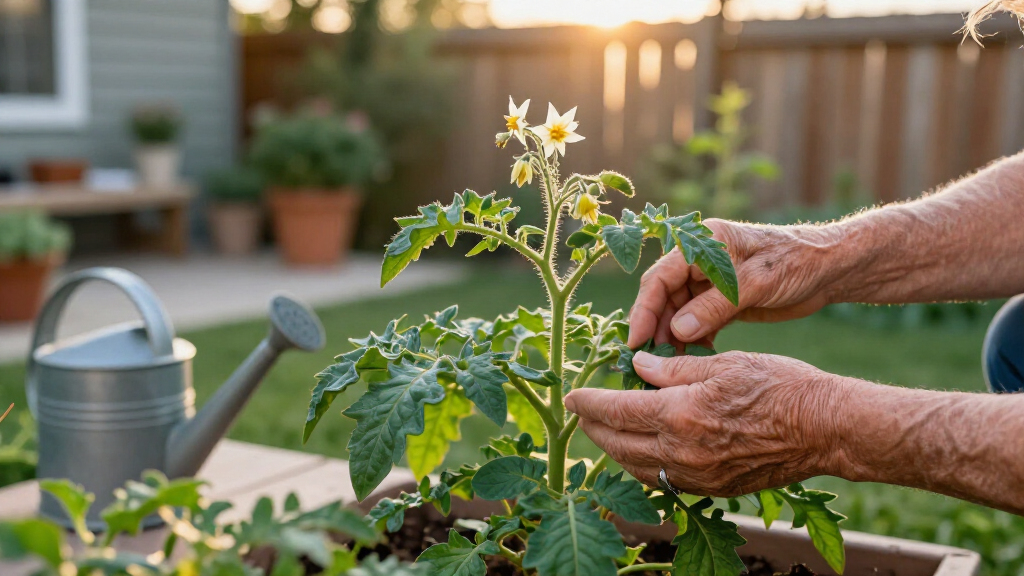
Many gardeners notice their tomato plants have flowers but no fruit. This article explains common causes, confirmed remedies, and what steps to take before the season ends to improve fruit production.
Many tomato growers are seeing their plants produce flowers but no fruit, a common issue during the late growing season. Experts confirm that environmental factors, watering habits, and nutrient imbalances are key causes. Addressing these issues now can improve fruit set before the season ends, making this a crucial time for gardeners to act.
Gardeners across various regions report that their tomato plants are flowering abundantly but failing to produce fruit. According to horticultural experts, this phenomenon often results from environmental stressors, such as high temperatures, inconsistent watering, or nutrient deficiencies. These factors interfere with the plant’s ability to transition from flowering to fruiting, a critical process for successful harvests.
Confirmed causes include extreme heat, which can cause flowers to drop or abort, and irregular watering, which stresses the plant and hampers pollination. Nutrient deficiencies, especially of calcium and potassium, have also been linked to poor fruit development. Experts recommend that gardeners evaluate their watering routines, provide balanced fertilization, and consider shading during peak heat to mitigate these issues.
While some claims suggest that certain pest or disease pressures may also contribute, current research emphasizes environmental management as the primary solution. Gardeners are advised to monitor weather forecasts, ensure consistent watering, and apply appropriate fertilizers to support fruit development before the growing season ends.
Implications for Late-Season Tomato Yields
This issue directly impacts gardeners’ ability to harvest ripe tomatoes before the season ends. By understanding and addressing the causes of flower drop without fruit, growers can improve their chances of a successful harvest. Effective management now can prevent complete crop loss and maximize yield potential, especially for those relying on homegrown produce or small-scale farming. Recognizing these factors also helps gardeners adapt to changing weather patterns and environmental stresses, ensuring better crop resilience in future seasons.tomato plant fertilizer for fruiting
As an affiliate, we earn on qualifying purchases.
As an affiliate, we earn on qualifying purchases.
Common Causes of Flower Drop and No Fruit in Tomatoes
Tomato plants naturally go through flowering and fruiting stages, but environmental stresses can disrupt this process. Experts note that high daytime temperatures above 85°F (29°C) and nighttime temperatures above 70°F (21°C) are particularly problematic, causing flowers to drop or abort. Additionally, inconsistent watering can lead to stress, which inhibits pollination and fertilization. Nutrient imbalances, especially a lack of calcium or potassium, further impair fruit development.
Historically, late-season fruiting problems have been linked to weather extremes and poor cultural practices. Recent reports from gardeners confirm that these issues are becoming more frequent due to climate variability. Proper cultural practices, such as mulching, shading, and regular watering, are recommended to mitigate these effects. Experts also advise supplemental feeding with balanced fertilizers to support ongoing fruit production as the season wanes.
“High temperatures during flowering can cause the flowers to drop or abort, preventing fruit set. Consistent watering and shading are crucial at this stage.”
— Dr. Laura Smith, horticultural expert
As an affiliate, we earn on qualifying purchases.
What Factors Are Still Being Investigated?
While environmental factors are confirmed causes, the precise role of pests, diseases, and specific nutrient deficiencies in preventing fruit set remains under study. Additionally, the effectiveness of certain home remedies or commercial products in reversing flower drop is still being evaluated by researchers.As an affiliate, we earn on qualifying purchases.
Recommended Actions for Gardeners Before Season Ends
Gardeners should assess their watering routines, ensuring consistent moisture levels, and consider applying balanced fertilizers rich in calcium and potassium. Providing shade during the hottest parts of the day can reduce heat stress. Monitoring weather forecasts for extreme heat and adjusting practices accordingly is also advised. These steps can help maximize fruit set before the end of the season.
Experts suggest that if fruit production remains low despite these measures, gardeners might consider pruning excess foliage to improve airflow and reduce stress. Additionally, some recommend using bloom booster fertilizers or foliar feeds to support flowering and fruiting during late-season conditions. Continued observation and adaptation will be key as the season progresses.
calcium potassium tomato fertilizer
As an affiliate, we earn on qualifying purchases.
As an affiliate, we earn on qualifying purchases.
Key Questions
Why are my tomato plants flowering but not producing fruit?
This is often due to environmental stressors such as high temperatures, inconsistent watering, or nutrient deficiencies, which interfere with pollination and fruit development.
Can I still improve fruit production late in the season?
Yes, by maintaining consistent watering, providing shade during peak heat, and applying balanced fertilizers, you can increase the chances of fruit set before the season ends.
What should I do if my flowers keep dropping without setting fruit?
Ensure proper watering, reduce heat stress with shading, and consider supplementing with fertilizers high in calcium and potassium. Pruning excess foliage may also help.
Are pests or diseases causing this problem?
While pests and diseases can contribute, current evidence primarily points to environmental factors. Proper cultural practices are the main recommended solutions.
Is it too late to save my tomato crop?
It depends on your local climate and how quickly you implement recommended practices. Acting now can still improve fruit set before the season ends.
Source: rss
Baby shower & registry season Picks
baby registry must-haves
As an affiliate, we earn on qualifying purchases.