TL;DR

Turn quiet afternoons into listening time
- Thousands of audiobooks, podcasts and originals
- Listen on your phone, tablet or Echo — also offline
- Cancel anytime
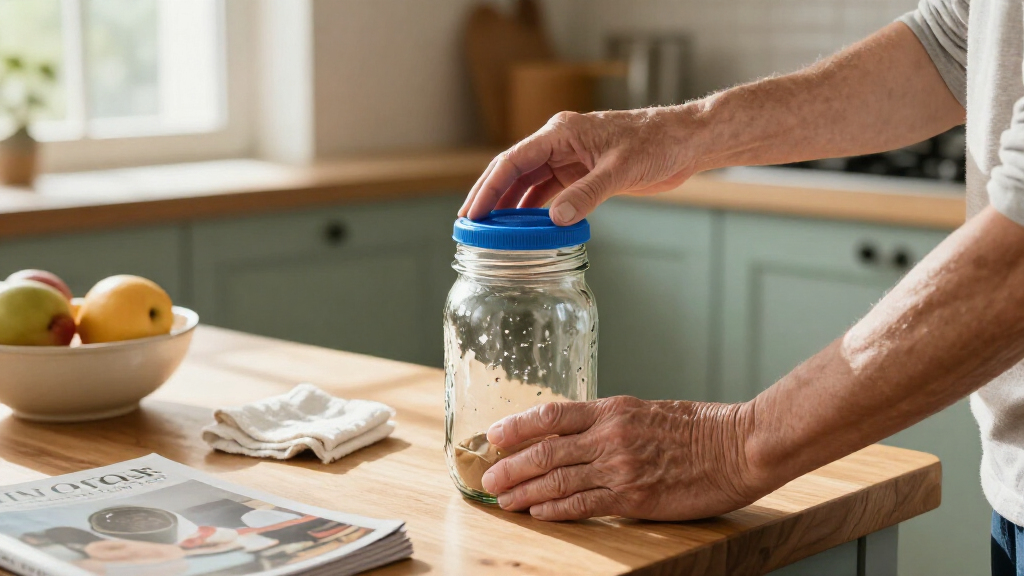
To open a stubborn jar, dry your hands and the jar, then use a rubber glove, silicone jar opener, or textured shelf liner to improve your grip. If a glass jar’s metal lid remains stuck, try gentle taps around its edge or warm water over the lid, using modest force and stopping if the jar is damaged.
A jar lid can sit tight as a fence post after a long winter, even when the jar is small and your hands are perfectly dry. Often, the lid is held down by a partial vacuum, and its smooth surface makes it harder to grip. That means the first answer usually isn’t to twist harder. It’s to make the lid easier to hold, or gently let air into the seal.
This guide shows you how to open stubborn jars without straining, starting with simple grip changes and moving to methods for common glass jars with metal lids. You’ll also learn when warm water or a careful tap can help, what to avoid, and how to keep the next jar from turning into a wrestling match. The most important aspects are a stable surface, modest force, and a method suited to the container.
Take a jar of peaches on a quiet afternoon. A dry dish towel may slip on its lid, but a rubber glove can give your fingers a firmer hold in seconds. If that doesn’t work, another method may address the seal itself. Work patiently, one step at a time, and stop if the glass looks chipped or cracked.
Dry your hands and the jar, then try a rubber glove, silicone jar opener, or textured shelf liner.
Set the jar on a stable counter, keep it close, and turn steadily with modest force.
For a glass jar with a metal lid, gentle taps or warm water may help; avoid hard blows and boiling water.
Use a blunt tool carefully at the lid rim to let air in, and stop if the glass is chipped or cracked.
Wipe jar rims clean, close lids snugly, and keep an opener within easy reach.
A practical guide · Grip, seal, control
How to Open Stubborn Jars Without Straining
A tight lid often combines a slippery surface with a partial vacuum. Improve your grip first; if needed, gently release the seal or warm a metal lid. Use one method at a time, keep the jar steady, and stop if the glass is damaged.
Start with the easiest change
Dry surfaces and a steady position can make a surprising difference. Begin here before applying more force.
Dry, then grip
Wipe away oil, jam, or condensation. Try a rubber glove, silicone opener, or textured shelf liner between your hand and the lid.
Let the counter help
Set the jar upright on a dry, nonslip surface. Keep it close, elbows comfortable, and turn slowly with a steady hold.
Choose a suited opener
A strap-style or long-handled opener can help when grip strength is limited. Pick one that feels comfortable and fits your lids.
When grip alone is not enough
A partial vacuum can press a lid against the jar. These seal and warming methods are intended for common glass jars with metal lids.
Release the seal gently
With the jar steady on the counter, carefully slip a blunt butter-knife tip or jar opener just under the lid rim. Lift slightly until you hear a soft pop or hiss, then remove the tool and try turning again. Gentle taps around the edge with a wooden spoon may also help.
Use warm tap water
Run warm, not boiling, water over the metal lid for about 30 seconds. Dry your hands and lid, then try again with a grippy surface. The metal expands slightly as it warms; sudden temperature changes can crack glass.
Avoid sharp knives, hard blows, forceful prying, and sudden heat. Stop if the jar is chipped or cracked. Do not try to open or eat from a bulging, leaking, or badly rusted jar; discard it safely.
A calm, step-by-step approach
Each step addresses a different source of resistance. Move on only if the lid remains stuck.
Dry the surfaces
Wipe the jar, lid, and hands clean and dry.
Add a grippy layer
Use a glove, silicone opener, or shelf liner.
Brace and turn
Keep the jar on a stable counter; turn steadily.
Address the seal
For glass and metal lids, try a careful seal release or warm water.
Match the method to the problem
Traction, leverage, and seal release work in different ways. Start with the simplest option that fits your jar and hands.
A visual guide to what each method addresses — not a measured success rate.
Keep the next jar easy to open
What should I try first?
Dry the jar and your hands, then use a rubber glove or silicone grip.
Can I use warm water?
Warm water may slightly expand a metal lid. Avoid boiling water and sudden temperature changes.
What if I have weaker hands?
Try a long-handled, strap-style, or under-cabinet opener, or ask for help instead of forcing the lid.
How can I prevent stuck lids?
Wipe the rim before closing, tighten the lid snugly without overtightening, and keep a nonslip opener nearby.
Start with a dry jar and a better grip
To open a stubborn jar, dry your hands and the jar, then grip the lid with a rubber glove, silicone jar opener, or textured shelf liner. These simple tools add traction, which helps your hand turn the lid without needing a hard, painful squeeze. Try this first when a lid feels slick or your fingers keep sliding.
Set the jar on a steady counter before you begin. Wipe away any oil, jam, or condensation, then dry your palms and the lid; even a thin film can make a smooth metal lid feel like a fish in your hands. A rubber glove works well because it covers your whole hand, while a silicone opener gives you a grippy pad between your palm and the lid.
For example, if you reach for a jar of pickles and the lid turns beneath your fingers, place a piece of textured shelf liner over the lid. Hold the jar close to your body and turn steadily. You want the jar to stay still while the lid moves. Don’t squeeze the glass with all your might.
This method improves your hold; it does not release the vacuum seal. If you have good traction and the lid still won’t budge, that may be the part that needs attention next. Start with simple changes, then move on only if the lid stays stuck. You can often save your wrists a lot of effort by changing the surface before changing your strength.
Products Worth Considering

VEVOR Walk-In Tunnel Greenhouse with Watering System, 15 x 7 x 7 ft

EGO Power+ 16 Cordless Chainsaw (CS1611) with 56V 2.5Ah Battery and Charger

Husqvarna 455 Rancher Gas Chainsaw, 20-Inch Bar, 56 cc, 3.5 HP
As an affiliate, we earn on qualifying purchases.
Use your body position to turn with less effort
You can open many tight jars more easily by holding the jar near your body, bracing it on a stable counter, and turning the lid with a secure grip. A close, steady position gives you better control than holding a jar out in front of you or twisting it in midair. Keep the jar upright and let the counter do the stabilizing.
Think of turning the lid like opening a gate with a stiff latch: a steady position lets your effort go where you want it. Put the jar on a dry, nonslip surface. If it rocks, shift to a flatter spot. Then put on a rubber glove or place a silicone jar opener over the lid and use a slow, even turn. Avoid quick jerks that could make the jar slip.
Say you have a jar of pasta sauce on the counter while dinner simmers. Rather than clutching it against your stomach, set it down where it can’t slide and keep your elbows comfortably close. The jar stays put, and your hand can focus on turning the lid. If it still resists, take a pause; a break is often more helpful than a harder twist.
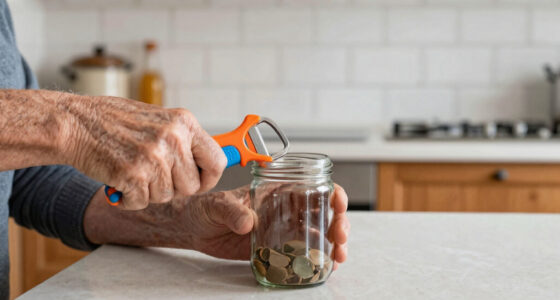
A purpose-made opener can help if gripping the lid is difficult. Long-handled and strap-style openers offer different ways to hold and turn a lid, and some can be attached beneath a cabinet. Choose one that feels comfortable and fits the lids you use. Better leverage can make the job easier, but you still want a stable jar and a controlled turn.
Release a glass jar’s vacuum seal gently
On a common glass jar with a metal lid, gently letting air in at the rim can loosen the vacuum seal. Try this after a better grip hasn’t worked, and use a jar opener or a blunt butter knife with care. The goal is a small opening for air, not a bent lid or a chipped glass rim.
Keep the jar on a stable counter. Slip the blunt tip just under the metal lid’s edge and lift slightly until you hear a soft pop or hiss. That sound can mean the seal has released. Then remove the tool, dry the lid if needed, and try turning it with a rubber glove or silicone grip.
Another option is to tap gently around the lid’s edge with the bowl of a wooden spoon. Make light taps at several points; a hard blow can crack the glass or cause the jar to slip. For example, a jar of homemade chutney that has sat unopened in the pantry may yield after a few careful taps. If nothing changes, stop rather than striking harder.
These methods suit glass jars with metal lids, not every container. Plastic tubs, flip-top lids, and other closures may need a different approach. Avoid sharp knives and forceful prying; a sharp edge can slip toward your hand, while excessive leverage can chip glass. Work gently and stop if you see damage.
Warm the metal lid without shocking the glass
Warm water can help loosen a metal lid because the metal expands slightly as it warms. Run warm, not boiling, water over the lid for about 30 seconds, then dry it before you try turning again. This is a gentle option for a common glass jar with a metal lid when grip and careful seal-release attempts haven’t worked.
Hold the jar securely and direct the water onto the lid, keeping the glass out of very hot water. Dry your hands and lid afterward so you can get a firm hold. A silicone jar opener or rubber glove can help when you try again. Warmth helps the lid; the grippy surface helps you turn it. They solve different parts of the job.
Imagine a jar of apple butter taken from a cool pantry on a chilly morning. A brief run under warm tap water may make the metal lid a little easier to turn. You might hear a faint tick as the lid shifts, or you may hear nothing at all. Either way, use a steady turn rather than a sudden yank.
Skip boiling water and sudden temperature changes. Glass can crack when its temperature changes too quickly, especially if it is already cold or damaged. Warm water isn’t a guarantee, and it doesn’t replace a secure grip. If the jar remains stubborn, switch methods carefully or ask someone to help rather than adding more heat or force.
Choose a jar opener that suits your hands
The right jar opener is the one you can use comfortably and steadily. A rubber glove or silicone jar opener adds grip, while a strap-style opener gives you a way to turn the lid with leverage. If a lid keeps defeating your grip, consider an opener designed for that task rather than forcing your hand to do all the work.
For instance, someone opening a small jar of relish may find a silicone grip pad simple and easy to store in a kitchen drawer. Someone who often opens larger jars may prefer a strap-style opener that wraps around the lid. An under-cabinet opener can suit a person who wants a fixed place to catch lids. Options vary, so check that an opener sits securely and feels manageable for you.
If you have arthritis or reduced hand strength, a larger handle or longer lever may feel easier to use. Everyone’s hands and kitchen setup differ. Try using the opener while the jar rests on a nonslip surface, and keep the jar close to your body. If a task hurts or the jar won’t stay steady, pause and ask someone for help. There’s no prize for making one stubborn lid a contest.
- Rubber glove: useful for a quick grip boost and often already in the kitchen.
- Silicone jar opener: a grippy pad that can fit several lid sizes.
- Strap-style opener: wraps around the lid and can help when finger grip is limited.
- Under-cabinet opener: stays in one place and can leave both hands available to steady a jar.
A well-chosen opener can make an everyday task feel ordinary again. Keep it somewhere easy to reach, like a kitchen drawer beside the dish towels, so it is there before your hand is tired.
Know when to stop and check the jar
Stop trying to open a jar if its glass is chipped or cracked, or if the lid is bulging, leaking, or badly rusted. Those signs call for caution, not a stronger grip. Don’t try to pry the lid off or eat from a jar that appears damaged or compromised; handle it carefully and discard it safely.
Before trying any opening method, look over the glass and lid in good light. Check the rim and the base for cracks, and check whether the lid is swollen or leaking. A jar tucked at the back of the cupboard can pick up a chip that you won’t see in a dim pantry. If you find a damaged spot, set the jar aside carefully and avoid using it.
Ordinary resistance alone doesn’t mean the jar is damaged; a tight vacuum seal can make a sound jar hard to open. But there’s a difference between a lid that won’t turn and a jar with a concerning bulge or leak. For example, if a lid of old sauce looks puffed up, don’t tap it, warm it, or taste what’s inside. Set it aside for safe disposal.
When a jar looks sound, still use modest force and keep it steady on the counter. Don’t strike it hard, use a sharp knife, or pry toward your hand. Stop if the glass is damaged or the method feels unsafe. A fresh jar is easier to replace than a cut hand or broken glass on the counter.
Make the next jar easier before it goes on the shelf
You can prevent many stuck lids by wiping the jar rim clean before you close it, tightening the lid snugly without overtightening, and storing a grippy opener where you can reach it. A clean rim helps the lid sit properly, and a comfortable close avoids adding unnecessary tightness. Small habits at closing time save effort at opening time.
After you spoon out the last of a jar of strawberry preserves, wipe sticky residue from the rim before replacing the lid. A little jam dried beneath the edge can make the lid harder to turn later. Close it firmly, but don’t twist it as hard as you can. Put the jar away where it is easy to reach, rather than stretching to a high shelf.
You can also keep a silicone jar opener or a small piece of textured liner in a familiar drawer. That way, when a jar of olives resists during lunch, you know just where to look. Set jars on shelves at a comfortable height when possible, and avoid stacking heavy items in front of the ones you use often.
These habits won’t stop every lid from sticking; vacuum seals are part of what keeps many jars closed. But a clean rim, a snug closure, and a ready grip tool can make opening feel less like a surprise. Think of it as leaving the kitchen in good order for your next cup of tea, sandwich, or slow-cooked supper.
Frequently Asked Questions
What’s the easiest first thing to try?
Dry your hands and the jar, then try turning the lid with a rubber glove or silicone jar opener. Set the jar on a stable counter so it doesn’t slide. If your hand still slips, pause and try another method instead of twisting harder.
Does running hot water over a jar lid work?
Warm water may help a metal lid expand slightly. Run warm water over the lid for about 30 seconds, dry it, and try again with a good grip. Avoid boiling water and sudden temperature changes, which can crack glass.
How do I release a vacuum seal safely?
For a glass jar with a metal lid, gently tap around the lid’s edge with a wooden spoon or lift the rim slightly with a jar opener or blunt butter knife until air enters. You may hear a soft pop or hiss. Don’t use a sharp knife or pry forcefully.
Is it safe to tap the lid or use a knife?
Gentle taps around a metal lid’s edge may help, but hard blows can damage the jar or make it slip. A blunt butter knife may help lift the edge carefully; sharp knives can slip toward your hand. Keep the jar steady and stop if you notice a chip or crack.
What can I do if I have arthritis or weak hands?
Try a silicone grip, a long-handled opener, or a strap-style opener that gives you more leverage. Set the jar on a nonslip surface and choose a tool that feels comfortable to hold. If opening it hurts or feels unsafe, ask someone to help rather than forcing the lid.
What if the lid is bulging, leaking, or rusty?
Don’t try to open or eat from a jar with a bulging or leaking lid, badly rusted metal, or damaged glass. Handle it carefully and discard it safely. Those warning signs deserve more caution than an ordinary tight seal.
Conclusion
When a lid won’t turn, first give your hands a better grip and the jar a steady place to sit. If that isn’t enough, gently release the seal or warm a metal lid with warm tap water, taking care with the glass. Keep an opener close by and use only the effort that feels comfortable.
A stubborn jar doesn’t need to spoil a quiet afternoon in the kitchen. With a dry glove, a steady counter, and a little patience, you can get back to the good part: the bright smell of pickles, peaches, or preserves waiting inside.