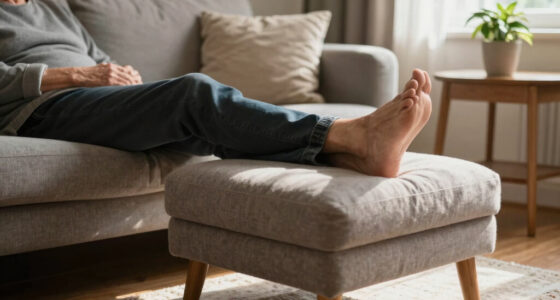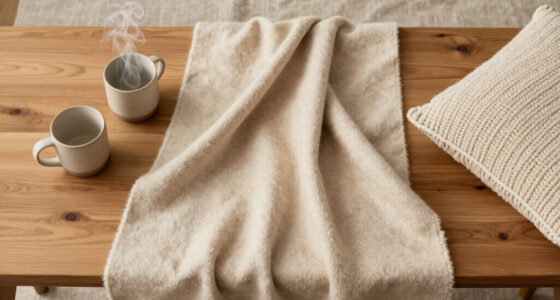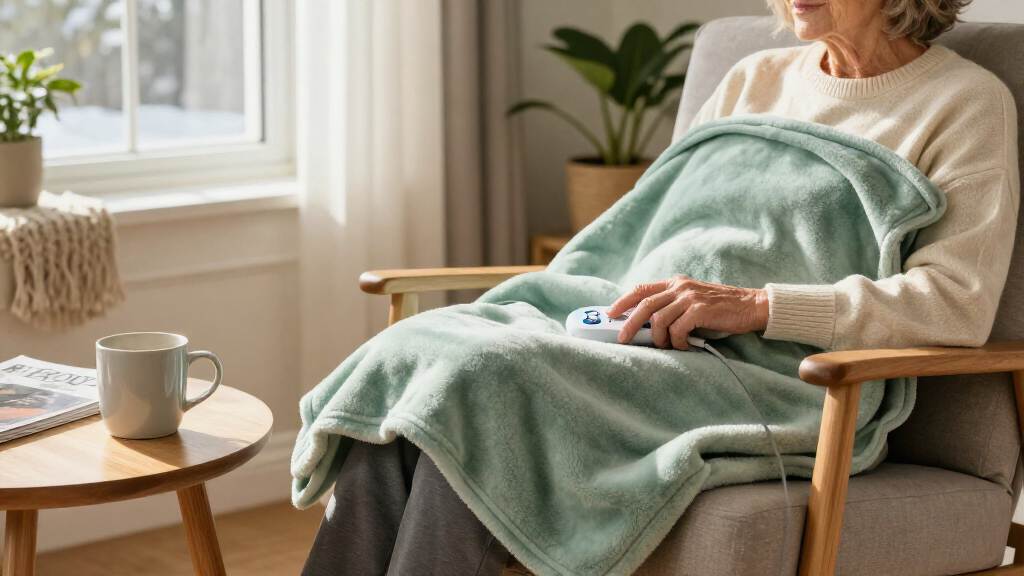
For seniors choosing an electric bed warmer, the main decision is whether warmth should come from beneath the body all night or from a blanket that can be folded back, repositioned, or used in a chair. A heated mattress pad fits over the mattress and under the usual bedding; an electric blanket rests on top of the sleeper or across the lap. Both can reduce reliance on whole-room heating, but comfort, ease of handling, and safe use depend on the person and the product.

Turn quiet afternoons into listening time
- Thousands of audiobooks, podcasts and originals
- Listen on your phone, tablet or Echo — also offline
- Cancel anytime

Bedsure GentleSoft Heated Blanket Throw – Soft Ribbed Flannel Electric Blanket, 50×60 in, Grey
- ✔ Dimensions: 50 × 60 inches
- ✔ Weight: 3.6 pounds
- ✔ Material: Polyester flannel top and sherpa backing

Bedsure Heated Throw Blanket with Preheat Function, Fast Heating Electric Blanket, Soft Flannel, 6 Time Settings up to 10h (50"x6…
- ✔ Dimensions: 50 × 60 inches
- ✔ Weight: 3.3 pounds
- ✔ Material: Polyester flannel and sherpa

Heated Electric Throw Blanket 50" x 60", 10 Heat Levels, Auto-Off, Fleece Sherpa – Misty Grey
- ✔ Dimensions: 50 × 60 inches
- ✔ Heat levels: 10
- ✔ Temperature range: 86°F–113°F stated
A pad is usually the better fit for someone who wants consistent warmth in bed and can manage its controller. A blanket makes more sense for someone who wants warmth while sitting up, prefers an easy-to-remove layer, or does not want to change the bed setup. Neither category is automatically safer for every senior: look for clear controls, automatic shutoff, overheat protection, and manufacturer guidance, especially if the user has reduced sensation, limited mobility, or difficulty understanding controls.
At a Glance
| Criteria | Heated mattress pad | Electric blanket | Winner |
|---|---|---|---|
| Where warmth is delivered | From beneath the sleeper, through the bedding | From above or across the body | Depends |
| Stays in place | Fitted to the mattress; less likely to bunch or fall off | Can shift, slide, or bunch during use | A |
| Use outside the bed | Generally limited to the bed | Can warm a bed, chair, or lap, subject to product instructions | B |
| Ease of getting in and out | Can reduce the need to manage a loose top layer | Easy to fold back, though handling a cord or blanket may be difficult for some | Depends |
| Control and temperature flexibility | Often offers multiple heat settings; control layout varies by model | Often offers multiple settings; control layout varies by model | Tie |
| Setup and laundering | Needs fitting to mattress; check whether the pad and controller can be separated for washing | Usually simple to remove; follow the specific washing and drying instructions | B |
| Value for typical use | Good value for regular overnight bed warmth | Better value when warmth is needed in more than one place | Depends |
Bedsure GentleSoft Heated Blanket Throw – Soft Ribbed Flannel Electric Blanket, 50×60 in, Grey
GentleSoft is our most balanced choice for a senior who wants a familiar throw format, adjustable warmth, and clearly stated safety and care details. Its six heat levels offer less fine control than greenoak’s ten, but the six timer selections extend to 10 hours, two hours beyond greenoak’s maximum. That wider timer range may suit longer periods of relaxing, although the blanket’s description also identifies an eight-hour automatic shutoff; buyers should confirm how the selectable timer and shutoff work together in the manual.The 50-by-60-inch flannel-and-sherpa construction gives it the same compact footprint as the other two picks, rather than coverage for an entire bed. Its listing states ETL and FCC certification and machine washability, which makes care and safety information more explicit than greenoak’s description. Compared with the Preheat throw, GentleSoft does not advertise a preheat feature, so it is less tailored to someone who wants immediate warmth on sitting down. Choose it for the strongest mix of stated safeguards and care convenience; skip it if the user needs a larger blanket, more granular heat changes, or a quick-start feature.
Pros:
- Six heating levels and six timer selections through 10 hours.
- Listing states ETL and FCC certification and an automatic shutoff.
- Machine-washable flannel and sherpa construction.
- 100 W power rating is specified.
Cons:
- 50-by-60-inch dimensions may be too small for bed-wide coverage.
- Six heat levels provide fewer adjustment steps than greenoak’s ten.
- Only grey is specified for this listing.
Best for: Seniors who want a compact washable throw, several heat and timer choices, and stated ETL and FCC certifications.
Not ideal for: People who need full-bed coverage, ten-step temperature adjustment, or a preheat function.
Bottom line: We recommend GentleSoft as the most balanced pick when washable construction and stated certifications matter more than preheat or maximum heat granularity.
“We recommend GentleSoft as the most balanced pick when washable construction and stated certifications matter more than preheat or maximum heat granularity.”
Bedsure Heated Throw Blanket with Preheat Function, Fast Heating Electric Blanket, Soft Flannel, 6 Time Settings up to 10h (50"x6…
The Preheat throw is the most targeted choice for someone who dislikes waiting for a blanket to warm. Its preheat function is the key distinction from GentleSoft, which offers six heat levels and comparable timer choices but does not list preheating. For a senior settling into a cool room, that initial boost may make the throw more comfortable at the start; the description says it then adjusts to a lower setting. The listing does not explain the precise transition behavior, so we would check the instructions before relying on a particular sequence.Like the other Bedsure option, this model measures 50 by 60 inches and has six heat levels plus timer settings from one to ten hours. That means it remains a chair, sofa, or lap throw rather than a larger bed blanket, and it offers fewer temperature steps than greenoak. The soft flannel and sherpa sides also let it serve as a regular throw when unplugged. Its role is about the warming routine, not broader coverage: choose it when quick-start heat is more valuable than GentleSoft’s explicitly stated machine-washable detail. The description lists ETL and FCC certification and automatic shutoff, but care instructions and power draw are not supplied here.
Pros:
- Preheat function is designed to provide warmth promptly.
- Six heat levels and timer settings through 10 hours.
- Flannel and sherpa sides can be used as a regular throw when unplugged.
- Listing states ETL and FCC certification and automatic shutoff.
Cons:
- 50-by-60-inch size does not cover a full bed.
- Six heat levels offer less granular adjustment than greenoak.
- Power consumption and specific washing instructions are not included in the supplied details.
Best for: Seniors who want a preheat option for settling into a cool chair or sofa and prefer a throw that also works unpowered.
Not ideal for: Buyers seeking a larger bed blanket, more than six heat levels, or clearly specified machine-washing instructions and power consumption.
Bottom line: Choose the Preheat throw when quicker initial warmth matters more than the more explicit care and power details listed for GentleSoft.
“Choose the Preheat throw when quicker initial warmth matters more than the more explicit care and power details listed for GentleSoft.”
Heated Electric Throw Blanket 50" x 60", 10 Heat Levels, Auto-Off, Fleece Sherpa – Misty Grey
greenoak gives buyers the most heat levels in this group, with ten settings spanning a stated range of 86°F to 113°F. That offers more steps for someone who wants to adjust warmth gradually than either six-level Bedsure model. The practical tradeoff is that its timer choices stop at eight hours, while the Bedsure throws list selectable timers through ten hours. The description also does not provide certification details, so buyers prioritizing named safety certifications may prefer GentleSoft or the Preheat model.Its flannel-and-sherpa fabric and 50-by-60-inch size put it in the same compact-use category as the Bedsure options, and the listing describes it as lightweight. The automatic shutoff can be set for one, two, four, six, or eight hours, a useful feature for a throw used on a chair or sofa. Care is the main inconvenience: hand washing is recommended and it must air dry rather than go in a tumble dryer. This is the adjustment-first pick, not the best choice for buyers who want the most explicit washability details or longest timer. Check that the cord can reach the intended seat, since the listing notes that its length may constrain placement.
Pros:
- Ten heat settings span a stated 86°F to 113°F range.
- Five timer choices include automatic shutoff.
- Lightweight flannel and sherpa construction is intended for throw use.
- 50-by-60-inch size suits a chair, sofa, or lap.
Cons:
- Maximum timer setting is eight hours, shorter than the Bedsure options’ listed range.
- Air drying is required; tumble drying is not allowed.
- Long power cord may limit placement, and certification details are not stated.
Best for: Seniors who value more incremental temperature choices and mainly use a throw for shorter seated periods.
Not ideal for: People who want a timer beyond eight hours, machine-washable convenience, or certification details stated in the supplied listing.
Bottom line: Pick greenoak when fine heat adjustment is the priority and its shorter timer and more demanding wash care fit the household.
“Pick greenoak when fine heat adjustment is the priority and its shorter timer and more demanding wash care fit the household.”
As an Amazon Associate we earn from qualifying purchases.
Key Differences
The biggest practical difference is placement. A pad is fitted under the sleeper, so it can prewarm the mattress and remain in position overnight. That suits someone who wants a stable source of bed warmth and has no need to carry the warmer around. A blanket sits above the sleeper, which makes it easier to pull away or use in a chair, but it may shift and need readjustment.
Handling and safety deserve more weight than a small difference in features. A senior with arthritis, weak grip, poor vision, or memory difficulties may find a small, confusing controller or a heavy blanket challenging. Both types have electrical cords and require following the product instructions. Check for automatic shutoff and overheat protection, use only as directed, and avoid use when the manufacturer advises against it. People with reduced ability to sense heat or respond to discomfort should seek clinical advice before using an electric warmer.
Value follows the routine. For nightly bed warmth, a fitted pad often delivers more useful comfort for the money. A blanket can justify a higher price when it will also be used in a favorite chair or shared across different settings. Paying extra is worthwhile only when the added controls, fit, or safety features solve a real problem for the person using it.
Detailed Comparison
Where warmth is delivered (major difference)
The pad warms from beneath, creating steady bed warmth; the blanket warms from above and can be placed where heat is wanted. This is a major functional difference. Choose the pad for an all-night bed routine and the blanket for warmth that needs to move with the user.Stays in place (Heated mattress pad wins — moderate)
A fitted pad is designed to sit on the mattress, so it is less likely to slide or bunch than a loose blanket. This moderate advantage matters for someone who gets tangled easily or does not want to reposition bedding. A blanket wins only when the ability to move or remove it matters more than a stable position.Use outside the bed (Electric blanket wins — major)
A blanket can usually provide warmth in a chair or across the lap when its instructions allow; a pad is made for the mattress. This is a major advantage for the blanket if the user spends long periods seated. If the warmer is strictly for overnight bed use, the difference has little value.Ease of getting in and out (moderate difference)
A blanket can be folded back, but lifting or managing it may be awkward; a pad stays on the mattress and leaves the top bedding to handle. Neither wins for everyone, making this a moderate, user-dependent difference. Consider the person’s strength, mobility, and tendency to trip over or catch cords.Control and temperature flexibility (minor difference)
Both product types commonly offer multiple heat settings, but features vary by model. Neither category has a reliable overall advantage. Prioritize a control with readable labels, simple operation, and a reachable location; a sophisticated timer is useful only if the user can operate it reliably.Setup and laundering (Electric blanket wins — minor)
A blanket is generally quicker to remove from the bed, while a pad must be fitted to the mattress and may need to be detached for cleaning. This is a minor-to-moderate convenience edge for the blanket. Follow the model’s washing instructions and confirm how its controller connects before buying.Value for typical use (moderate difference)
For regular overnight warmth, the pad’s fitted design makes it a strong value. A blanket earns its cost when it also serves as a chair or lap warmer. The difference is moderate and depends on routine: pay more for versatile use only if that use will happen regularly.Heated mattress pad: Pros and Cons
Pros:
- Stays fitted to the mattress and is less likely to shift during the night.
- Provides bed-focused warmth without needing to hold or arrange a top layer.
- Often offers strong value for someone who wants warmth mainly while sleeping.
Cons:
- Not designed to provide warmth in a chair or other location.
- Takes more effort to fit and may need adjustment to suit the mattress.
- The user still needs to manage the controller and follow electrical safety instructions.
Electric blanket: Pros and Cons
Pros:
- Can be repositioned or folded back as comfort changes.
- May serve in bed and in a chair, if the product instructions permit.
- Usually easier to remove from bedding for cleaning or storage.
Cons:
- May slip, bunch, or require repositioning during use.
- Can be cumbersome for someone with limited grip or strength.
- Its extra flexibility may not justify a higher price if it is used only in bed.
Who Should Choose What
Choose Heated mattress pad if:
- The senior mainly wants warmth in bed overnight and prefers a fitted layer.
- A loose blanket is likely to shift, bunch, or become difficult to manage.
- The person can use the controls reliably and wants a straightforward bed warmer.
Choose Electric blanket if:
- The senior wants warmth in a chair as well as in bed, and the model allows both uses.
- The warmer needs to be easy to fold back or remove as comfort changes.
- The person can manage the blanket and its cord without creating a mobility or trip hazard.
Skip both if: The user has reduced heat sensation, cannot reliably respond to excessive warmth, or cannot safely manage the controls and cord; ask a clinician or caregiver about safer alternatives.
Value for Money
For a senior who wants a warmer bed every night, a heated mattress pad is generally the better value: it stays in place and serves the main purpose without paying for portability. A blanket is worth paying more for when it will be used regularly in a chair or when easy removal is a priority. Before comparing prices, check the features that affect this person most: a clear controller, automatic shutoff, overheat protection, suitable fit, and manageable care instructions. A lower price is poor value if the controls are hard to read or the warmer is uncomfortable to handle.
Final Verdict
Choose a heated mattress pad for dependable, bed-only warmth and a layer that stays fitted through the night. Choose an electric blanket when the senior needs warmth in more than one place or wants to pull the warmer away easily. The deciding factor is the daily routine: stable overnight warmth favors the pad; portable, adjustable warmth favors the blanket. For someone with reduced heat sensation or difficulty operating electrical controls, skip both until a clinician or caregiver confirms a safe approach.
Frequently Asked Questions
Which is better for a senior who feels cold at night?
A heated mattress pad is often the more convenient fit for someone who wants steady warmth in bed because it stays fitted beneath the sleeper. A blanket may suit someone who prefers warmth from above or wants to fold it back easily. Comfort and safe operation depend on the individual and the model.
Are electric blankets or heated mattress pads safer for seniors?
Neither category is automatically safer. Check the product instructions for automatic shutoff and overheat protection, and use the warmer only as directed. If the senior has reduced sensation, cannot respond to heat discomfort, or has trouble using the controls, ask a clinician before choosing either.
Can an electric blanket be used in a chair?
Some blankets are suitable for chair or lap use, but permitted uses vary by product. Read the manufacturer’s instructions and keep the cord positioned so it does not create a trip hazard. A fitted mattress pad is intended for bed use.
Is a more expensive electric bed warmer worth it?
Pay more when a specific feature improves safe, comfortable use, such as clearer controls or a better fit, or when a blanket’s portability will be used often. For basic overnight warmth, a well-fitting pad with understandable controls and the needed safety features can be the better value.