
TL;DR
Getting in and out of your car can be a breeze with the right features and habits. From vehicle upgrades to parking tips, small changes make a big difference for mobility and safety.
How many times have you wrestled with a heavy car door or struggled to swing your leg over the seat? If that sounds familiar, you’re not alone. Many older adults find even everyday movements like getting in or out of a car become tricky over time.
But what if a few simple tweaks—plus a bit of awareness—could make a big difference? This guide offers practical tips and insights to help you step into your vehicle with more confidence and less effort, keeping you safe and comfortable for years to come.
Choose vehicles with wide doors, low step-in height, and adjustable seats for easier access.
Simple modifications like grab handles, non-slip mats, and swivel seats can significantly improve safety.
Strategic parking in flat, accessible spots reduces effort and risk during entry and exit.
Develop habits such as planning your movements and leveraging support aids for safer, smoother transitions.
New vehicle features like power-assisted doors and seats are making mobility easier for many.
Why Vehicle Design Matters for Easy Entry and Exit
Getting in and out smoothly starts with the vehicle itself. Features like wide-opening doors, low step-in heights, and adjustable seats are game-changers. For example, a minivan with sliding doors makes side access effortless, especially in tight parking spots. Many newer models now offer seats that lower or rise at the push of a button, reducing strain and helping you maintain your dignity.
Think about the difference between a standard sedan and a vehicle built with accessibility in mind. The latter often sports wider doors, a lower floor, and grab handles placed exactly where you need them. These features aren’t just for convenience—they help prevent falls and injuries, especially when surfaces are wet or uneven.
Understanding why these design choices matter is crucial. Vehicles with accessible features reduce the physical effort required, which is especially important for individuals with joint issues or limited strength. They also mitigate risks associated with hurried movements or unstable surfaces, ultimately fostering independence and safety. However, there can be tradeoffs, such as higher costs or limited options in certain vehicle categories, making it essential to weigh your priorities when choosing a vehicle.

PELEGON Car Door Handle for Elderly (2 Pack) Car Cane Assist Handle with Anti-Slip Grip, Steel Hook for Secure Latch Fit, Supports Up to 300 lbs, Easy Tool-Free Use
Safe Support for Getting In & Out of the Car: Designed for seniors and limited-mobility users, this car…
As an affiliate, we earn on qualifying purchases.
As an affiliate, we earn on qualifying purchases.
Top Vehicle Features That Make Your Life Easier
Knowing what features to look for can transform your daily routine. Here’s a quick comparison:
| Feature | Benefit |
|---|---|
| Wide door openings | Easier access, especially for mobility aids |
| Low step-in height | Less effort, safer for knees and hips |
| Power-assisted doors | One-touch opening and closing, ideal for limited strength |
| Adjustable seats | Custom height for safe sitting and standing |
| Grab handles and non-slip mats | Added stability and safety during entry/exit |
Modern vehicles increasingly combine these features, making entry and exit a smoother, safer experience. When selecting a vehicle, understanding how these features work together can help you prioritize what’s most beneficial for your specific needs. For example, a vehicle with both wide doors and adjustable seats can significantly reduce the physical effort and balance challenges involved in entering or exiting. Keep in mind, though, that some features may require additional maintenance or have limitations—it’s worth considering these factors to ensure long-term safety and usability.

Riloer Universal Heavy Duty Power Door Lock Actuator 2 Wires, Car Door Lock Actuator, Motor Door Lock Actuator for Most 12V Vehicles, Car Motor Universal Heavy Duty High Power Door Lock Actuator
Manual To Power Lock Conversion: The universal power door lock actuator is designed for vehicles equipped with manual…
As an affiliate, we earn on qualifying purchases.
As an affiliate, we earn on qualifying purchases.
Simple Modifications That Make a Big Difference
If your vehicle isn’t already equipped with accessibility features, don’t worry. Many small modifications can help you get in and out more easily.
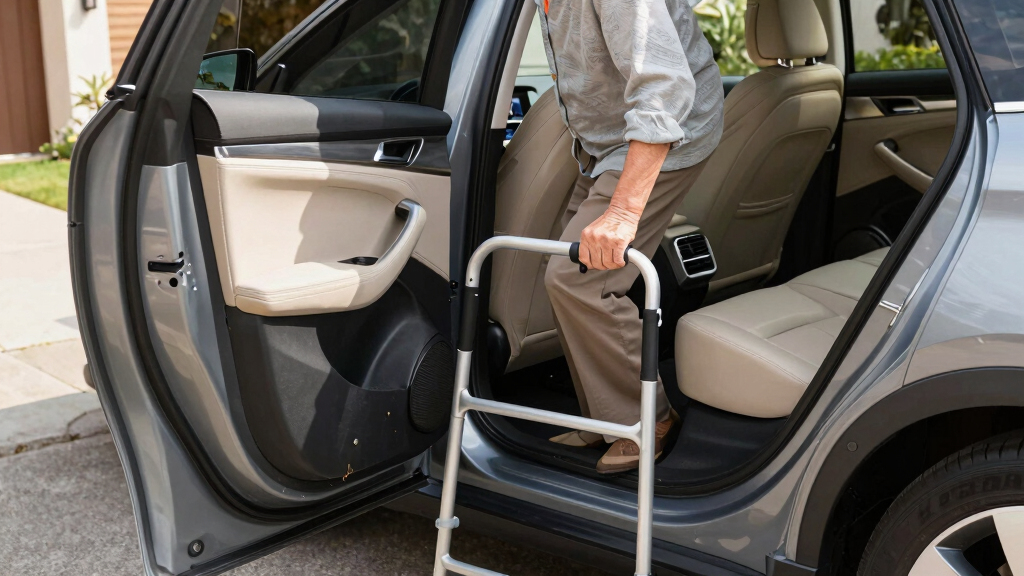
- Install grab handles: Place them near the door or seat for extra support. These handles provide leverage and stability, reducing the risk of slips or falls during entry or exit, especially on slippery surfaces or for those with limited grip strength.
- Add a step stool or platform: Helps you lift your leg over the seat comfortably. A sturdy step can compensate for high vehicle thresholds, making the process less strenuous and safer.
- Use a swivel seat cushion: Rotates your seat outward, reducing twisting effort. This simple device can prevent strain on your back and hips, promoting safer, more comfortable movements.
- Upgrade to power controls: Power seats and doors can be operated with a simple press, great for limited strength. These upgrades can significantly reduce physical effort, especially for repetitive movements, but they may come with higher costs and maintenance considerations.
- Secure non-slip mats: Provide traction when entering or exiting, especially on rainy days. These mats help prevent slips and falls, which are common hazards for older adults or those with mobility issues.
For example, a friend with knee trouble installed a sturdy grab handle near her door. It gave her extra stability, making her feel safer and more independent. Such small investments can have a profound impact on daily safety and confidence, emphasizing that accessibility doesn’t always require major overhauls.
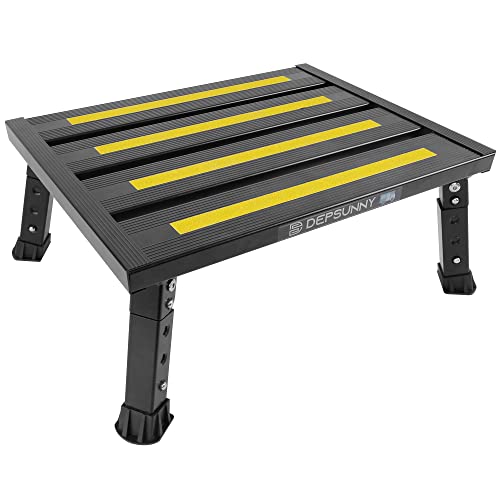
DEPSUNNY Adjustable Height Aluminum RV Step, Stable Foldable Platform Step Stool, Supports Up to 1,000 lb, Non-Slip Rubber Feet and Platform Mat, Easy to Carry (Black)
EASY IN & OUT RV: Folding adjustable step stool with full metal construction. The right step for children,…
As an affiliate, we earn on qualifying purchases.
As an affiliate, we earn on qualifying purchases.
Smart Habits and Techniques for Easier Entry and Exit
Even with the best vehicle features, your habits matter. Here are some tips to make each step safer and easier.
- Park strategically: Always choose accessible parking spots—close to the entrance, flat, and away from obstacles. Proper parking reduces the physical effort needed and minimizes risk from uneven surfaces.
- Plan your movements: Take a moment to open doors fully and brace yourself before stepping out. This mindfulness prevents rushed movements that can lead to slips or falls.
- Use your legs, not your back: When standing or sitting, push through your legs to avoid strain. Proper technique preserves your strength and reduces injury risk over time.
- Take your time: Rushing increases the risk of slips or falls. Slow and steady movements allow better control and balance, especially on slippery or uneven surfaces.
- Leverage support aids: Use grab handles or nearby walls for extra balance. These supports can prevent falls and help maintain stability during transitions.
Imagine parking in a level, wide space. You open the door fully, steady yourself with a handle, then step out with confidence. Developing these habits ensures safer, more controlled movements, which are crucial for maintaining independence and preventing accidents.

HealthSmart 360 Degree Swivel Seat Cushion, Chair Assist for Elderly, Swivel Seat Cushion for Car, Twisting Disc, Black, 15 Inches in Diameter
360 DEGREE SWIVEL SEAT CUSHION converts any stationary chair into a swiveling chair. Swivel Seat Base helps relieve…
As an affiliate, we earn on qualifying purchases.
As an affiliate, we earn on qualifying purchases.
How Parking Choices Can Make Your Life Easier
Your parking spot influences how easily you get in and out. Always aim for flat, accessible spots close to the curb or building entrance. Avoid sloped or uneven surfaces, which can trip you up.
For example, a neighbor always parks in the designated accessible space right by her apartment. It reduces her walking distance and eliminates the challenge of navigating uneven pavement or crowded parking lots.
Look for parking with clear, level surfaces—especially after rain or snow. A little extra planning here pays off in safety and comfort.
Choosing the right parking spot isn’t just about convenience; it’s a proactive step to reduce physical strain and minimize hazards. Sloped or uneven surfaces can cause imbalance or slips, which are especially dangerous for those with limited mobility. By prioritizing flat, accessible parking, you’re making a conscious effort to protect your safety and preserve your independence in daily routines. The tradeoff might be limited availability in busy areas, but planning ahead or seeking designated accessible spaces can significantly enhance safety and ease of movement.
Frequently Asked Questions
What are the best vehicles for people with limited mobility?
Look for vehicles with wide doors, low step-in heights, and power features. Minivans and SUVs with sliding doors and adjustable seats tend to be particularly accessible.Can I retrofit my current car to make it easier to get in and out?
Yes. Simple additions like grab handles, non-slip mats, and step stools can be added. Upgrading to power seats or installing assistive hardware can also make a big difference.Are there accessories that help with entry and exit?
Absolutely. Items like portable grab bars, swivel cushions, and portable step stools are affordable and effective aids that improve safety and comfort.How should I park to make getting in and out easier?
Choose flat, accessible parking spots close to building entrances, avoiding slopes and crowded areas. Planning ahead makes a huge difference.Do electric or autonomous vehicles help with accessibility?
Yes. Many electric and autonomous models feature lower floors, automatic doors, and remote controls, making access much simpler for everyone.Conclusion
The secret to getting in and out of your car more easily isn’t just about the vehicle—it’s about how you approach each step. Small adjustments, smart choices, and a little planning keep you moving comfortably and safely.
Next time you park or prepare to leave, remember: a safer step is a confident step. Your independence is worth every easy move.