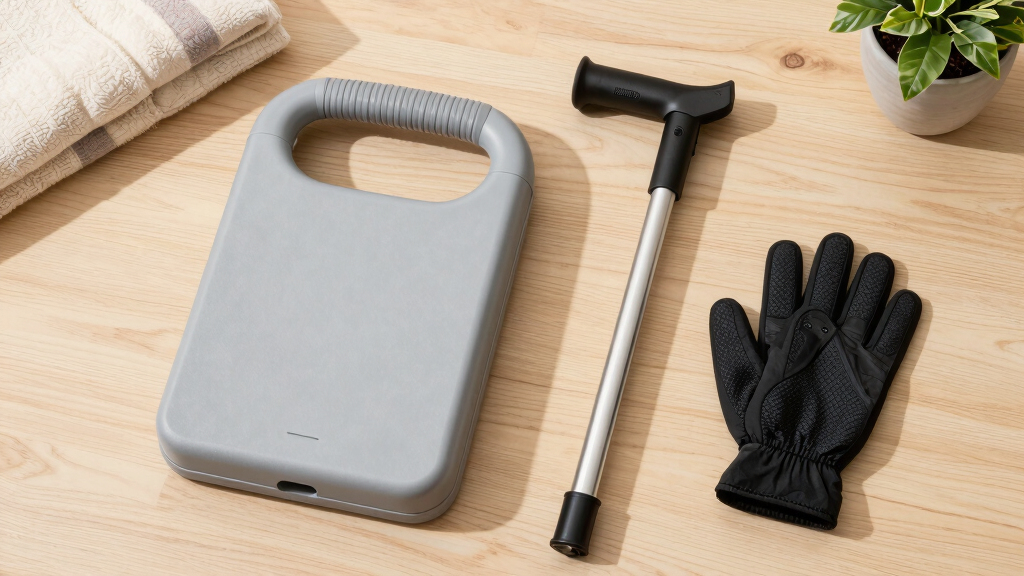

TL;DR
Small aids like grab bars, reachers, and non-slip mats can significantly reduce falls and boost independence indoors. Many are easy to install and cost-effective, transforming your home into a safer space.
Imagine walking into your bathroom and feeling a little more confident, a little steadier. That’s the power of small aids—simple tools that turn everyday hazards into safer routines. If you’re looking for ways to stay mobile and independent at home, even with some age or mobility concerns, you’re in the right place.
This guide shines a light on the everyday gadgets and modifications that make a real difference. No big construction projects needed—just practical, effective solutions that fit into your life and your home’s country charm.
Small aids like grab bars, reachers, and non-slip mats can cut indoor fall risk by up to 50%.
Choosing the right aid depends on your specific trouble spots and comfort preferences.
Proper installation and regular safety checks ensure aids work effectively and last longer.
Incorporating aids tastefully maintains your home’s warm, country feel while boosting safety.
Innovations in smart and eco-friendly aids are making safety easier and more adaptable than ever.
Staying Mobile Indoors: Small Aids That Make a Big Difference
TL;DR: Small aids like grab bars, reachers, non-slip mats, and threshold ramps can reduce fall risk, protect independence, and make daily routines feel steadier without major construction.
Simple tools turn everyday trouble spots into safer, more confident routines.
Potential reduction when small aids are placed in key indoor zones.
Bathroom, hallway, and threshold fixes often deliver fast gains.
Support balance during daily movement.
Many aids are portable or simple to mount.
Small upgrades can prevent expensive injuries.
Modern aids can blend into a country-style home.
Tiny but mighty tools for safer rooms
Start with the places where you feel least steady: wet floors, narrow doorways, high shelves, stairs, and hallways. The right aid should remove one risky movement from your day.
Grab Bars & Handrails
Provide secure support beside toilets, showers, tubs, stairs, and long hallways.
Reachers & Grabbers
Help pick up dropped objects or reach shelves without bending, twisting, or over-stretching.
Non-Slip Mats & Treads
Add traction in bathrooms, kitchens, entryways, and stair edges where moisture collects.
Canes & Walkers
Lightweight indoor models offer stability while turning corners or crossing rooms.
Step Stools
Wide, non-slip steps reduce unsafe reaching for cabinets, shelves, or storage baskets.
Threshold Ramps
Smooth small lips between rooms so feet, walkers, and wheels move with less interruption.

TAILI Shower Grab Bar, 2 Pack 12 Inch Suction Grab Bars for Bathtubs and Showers for Elderly, Shower Handle for Seniors Bathroom Safety Grip, No Drilling Removable,Grey,G9
Matters need Attention: Only suitable for tiles measuring 4×4 inches or larger. For the safety of the seniors…
As an affiliate, we earn on qualifying purchases.
As an affiliate, we earn on qualifying purchases.
Match the aid to the trouble spot
Every aid has a job. Good choices come from pairing the hazard, the room, and the level of installation you are comfortable maintaining.
| Aid | Best Location | Safety Gain | DIY Friendly | Watch-Out |
|---|---|---|---|---|
| Grab bars | Bathroom, hallway, stairs | ✓ High | ~ Medium | Must be mounted into studs or heavy-duty anchors. |
| Reachers | Bedroom, kitchen, living room | ✓ Medium | ✓ High | Not designed for heavy objects. |
| Non-slip mats | Bathroom, entry, kitchen | ✓ High | ✓ High | Need regular cleaning and flat edges. |
| Step stools | Kitchen, pantry, closets | ~ Targeted | ✓ High | Avoid narrow or folding stools without hand support. |
| Threshold ramps | Doorways, room transitions | ✓ Medium | ~ Medium | Measure height and doorway width carefully. |
| Loose rugs | Any room | ✗ Risk | ✓ Easy to remove | Secure, replace, or remove if edges curl. |
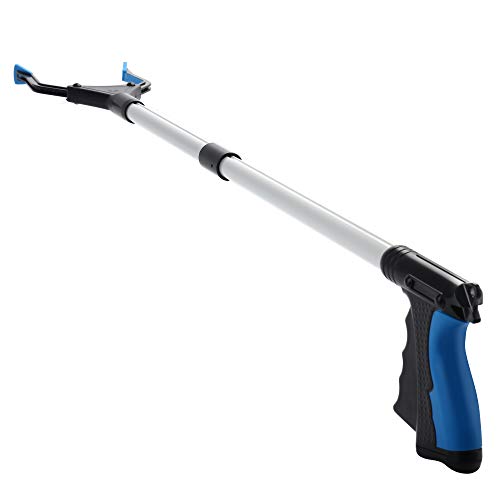
Grabber Reacher Tool, 32" Grabbers for Elderly, Lightweight Extra Long Handy Trash Claw Grabber, Mobility Aid Reaching Assist Tool for Trash Pick Up, Nabber, Litter Picker, Arm Extension (Blue)
EASY GRABBING: Reacher grabber to pick up items with easy, picks up coins, envelops, trash etc, easily pull…
As an affiliate, we earn on qualifying purchases.
As an affiliate, we earn on qualifying purchases.
How to pick the right small aid
The best setup is personal. Walk the home, name the movement that feels risky, then choose the aid that makes that exact movement easier.
Spot
Notice where you feel unsteady, rushed, stretched, or unsupported.
Match
Pair slippery surfaces with grip and transfers with sturdy hand support.
Fit
Choose the right height, handle size, weight, and room placement.
Install
Use proper anchors, flat edges, clear paths, and stable contact points.
Check
Inspect regularly so every aid stays reliable as routines change.

OLANLY Bathroom Rugs 30×20, Extra Soft Absorbent Chenille Bath Rugs, Rubber Backing Quick Dry, Machine Washable Bath Mats for Bathroom Floor, Tub and Shower, Home Decor Accessories, Grey
Soft Chenille Comfort — Step onto thousands of soft chenille fibers in our high-pile design the moment you…
As an affiliate, we earn on qualifying purchases.
As an affiliate, we earn on qualifying purchases.
Where small changes make the biggest difference
Indoor falls often cluster around transfers, wet surfaces, poor footing, and awkward reaches. Small aids reduce these risk points by making each movement more predictable.
Installing small mobility aids in key areas can dramatically improve safety and confidence for older adults moving indoors.

Nuvium 1" Rise Threshold Ramps for Doorways, 2000 Lbs Load Capacity, 35.5" Wide Natural Rubber Power Wheelchair Ramp is Adjustable and Cuttable for Doorways, Curb, Sweeper, Power Scooters, Bathroom
Non-slip Surface: NUVIUM curb ramps are designed with non-slip grooves on the surface, which increase friction and reduce…
As an affiliate, we earn on qualifying purchases.
As an affiliate, we earn on qualifying purchases.
Safety depends on setup and habit
Aids are strongest when they become part of a broader routine: dry floors, clear pathways, well-lit rooms, good footwear, and regular inspection.
Secure the support
Install grab bars into wall studs or with heavy-duty anchors rated for support.
Inspect often
Check screws, rubber grips, mat edges, ramp stability, and walker tips.
Slow the routine
Grip before shifting weight, avoid rushing, and keep both feet planted when possible.
Clear the path
Remove clutter, secure cords, brighten dark corners, and keep floors dry.
From small aid to lasting independence
The benefit is not just the object itself. It is the chain reaction: safer movement, fewer risky compensations, and more confidence staying active at home.
Smarter, kinder, better-looking aids
Recent mobility innovations focus on comfort, adaptability, and materials that fit naturally into the home instead of making it feel clinical.
Sensor alerts
Some small devices can connect to alert systems if a fall or unusual inactivity occurs.
Better grips
Softer handles, improved angles, and lighter materials make daily use more comfortable.
Adjustable fit
Modular bars, ramps, and walkers can adapt as needs or room layouts change.
Durable materials
More products now use sustainable, long-lasting materials with home-friendly finishes.
Why Small Aids Are Your Best Friends for Indoor Safety
Small mobility aids are tiny but mighty. They work behind the scenes, giving you a sturdy hand or a non-slip footing when you need it most. Think of them as your home’s safety net. For example, a sturdy grab bar next to the toilet or in the shower offers instant stability, helping prevent slips that can turn into serious falls.
According to an anonymous Huckfarm researcher, most indoor falls happen around the bathroom and hallways—areas where a simple grab or non-slip mat can make all the difference. These little tools don’t just prevent injuries; they boost your confidence, letting you move freely without fear.
Understanding why these small aids matter is crucial. Falls in the home can lead to serious injuries, loss of independence, and even hospitalization. By investing in these modest tools, you’re not just preventing accidents; you’re actively maintaining your autonomy and peace of mind. The tradeoff is minimal—easy installation and low cost—compared to the potential consequences of a fall, which can be life-altering.
Deepening this understanding highlights the importance of these aids beyond mere convenience. They serve as proactive safeguards that support your independence daily. When you consider the implications of a fall—such as fractures, long recovery periods, or loss of mobility—the value of these simple aids becomes evident. They are not just safety devices but investments in your quality of life, reducing the risk of injury and enabling you to stay active in your familiar environment.
Top 6 Small Aids That Make Your Home Safer and Easier
| Tool | What It Does | Why It Matters |
|---|---|---|
| Grab Bars & Handrails | Sturdy bars installed in bathrooms, hallways, or stairs | Provide secure support, especially in wet areas or staircases |
| Reachers & Grabbers | Extend your reach to pick up objects without bending | Reduce risky stretching or bending over |
| Non-slip Mats & Treads | Textured mats for floors and stairs | Prevent slips in high-risk spots |
| Walking Aids (Canes & Walkers) | Designed for indoor use, lightweight and easy to maneuver | Offer stability and balance support |
| Step Stools | Help reach high shelves or cabinets | Prevent over-reaching and falls |
| Door Wideners & Threshold Ramps | Make doorways more accessible and smooth over small steps | Ease movement through tight spaces or over thresholds |
Each of these aids can be moved or installed with minimal fuss, making your home safer and more accommodating.
Choosing the right aid involves considering where you experience the most difficulty and how each tool can address those specific challenges. For example, grab bars in the bathroom provide immediate support during showers or transfers, reducing the risk of slips. Reachers help avoid dangerous bending, which can cause imbalance or falls, especially when reaching for items on high shelves. Non-slip mats are critical in areas prone to moisture, like bathroom floors, to prevent slipping accidents. Selecting aids that complement your lifestyle and home layout maximizes safety and ease of use while minimizing inconvenience.
Deepening this comparison involves understanding the tradeoffs and limitations of each aid. For instance, while grab bars are highly effective in wet areas, improper installation can compromise their support. Reachers are convenient but may not be suitable for lifting heavy objects. Non-slip mats reduce slip risk but require regular cleaning to maintain their effectiveness. Recognizing these nuances helps you make informed decisions, balancing safety, usability, and maintenance—ultimately leading to a safer, more functional home tailored to your needs.
How To Pick the Right Small Aid for Your Home
- Identify your trouble spots. Walk through your home and notice where you feel unsteady or have trouble reaching. Recognizing these areas helps you target your safety investments effectively.
- Match aids to those spots. For slippery tubs, grab bars are best. For high shelves, consider step stools or reachers. Understanding the specific function of each aid ensures you choose the most effective solutions.
- Think about ease of use. Select lightweight, simple-to-install options if you prefer DIY solutions. Ease of installation encourages consistent use, which is key to safety.
- Check for quality and safety features. Look for sturdy materials, non-slip grips, and secure mounting points. High-quality aids are less likely to fail and provide reliable support when needed most.
- Test before committing. Try out the aid to see if it feels comfortable and reliable. Proper fit and feel are essential for confidence and safety during use.
Choosing the right aid involves more than just picking a product. It requires understanding the implications of your choices—such as how a poorly installed grab bar might not support your weight or how an unsuitable reacher could cause frustration or even injury. Taking time to assess your specific needs, test options, and seek professional advice if needed ensures that your investments truly enhance your safety and independence over the long term. The right choice isn’t just about immediate convenience but about creating a sustainable, supportive environment that adapts to your evolving needs.
Safety Tips for Using Small Aids Effectively
Small aids work best when used correctly. Securely install grab bars into wall studs or use heavy-duty anchors. Regularly check that all aids are sturdy and in good condition. Don’t rush—move slowly and deliberately when using supports.
For example, always grip a grab bar firmly with both hands, especially when entering or exiting the shower. Keep floors dry and clutter-free to complement your aids’ safety benefits.
Remember, aids are there to support you, not replace caution. Use them as part of a broader safety plan—like wearing shoes with good grip and keeping pathways clear. Proper usage prevents accidents, reduces frustration, and extends the lifespan of your aids. It’s about building a safety routine that integrates these tools seamlessly into your daily life, giving you confidence and independence in every step.
Understanding the importance of proper technique and maintenance is crucial. For example, even high-quality grab bars can fail if not securely mounted, leading to dangerous falls. Regularly inspecting aids for wear and tear ensures they remain reliable. Also, training yourself on correct usage—like how to get in and out of a shower safely—can prevent mishaps. These small but vital precautions help maximize the benefits of your aids, making your home safer and your daily routines smoother.
Making Your Home Fit for Safer Indoor Mobility
Small aids should blend seamlessly into your home’s country charm. Position grab bars near toilets and showers, but choose styles that match your decor. Use non-slip rugs on wooden floors or uneven surfaces. Clear pathways by organizing clutter and removing loose rugs that can trip you up.
For example, a cozy country-style wooden grab bar can add charm while providing safety. Bright, tactile door handles and well-lit hallways also encourage confident movement.
These tweaks don’t just improve safety—they preserve the warm, inviting feel of your home. Thoughtful placement and style choices ensure that safety upgrades enhance, rather than detract from, your home’s aesthetic. The goal is to create a living space that feels familiar and welcoming, while also being thoughtfully adapted to support your mobility needs. Deepening this approach involves considering how aesthetic choices impact your comfort and whether certain styles or placements encourage or hinder safe use—striking a balance between beauty and function for a truly personalized safety environment.
The Latest in Small Indoor Mobility Aids
Innovation is making small aids smarter and more adaptable. Some now include sensors that alert caregivers if a fall occurs, or adjustable components that fit different heights and needs. Eco-friendly materials are increasingly common, offering durability with less environmental impact.
For example, a new generation of grab bars with built-in shock absorption can give extra peace of mind, reducing impact during a fall or slip. Ergonomic designs mean less strain when using aids, encouraging regular use and confidence. These advancements reflect a broader shift toward safety tools that are not only effective but also integrated with technology to provide real-time feedback and support. Staying informed about these innovations ensures you select aids that grow with your needs and provide peace of mind for the long term.
Understanding these technological and design improvements helps you make smarter choices. For instance, choosing a grab bar with shock absorption can significantly reduce injury severity during a fall, while ergonomic aids reduce fatigue and discomfort. The trend toward eco-friendly, adaptable aids means you can invest in products that are both sustainable and tailored to your lifestyle, ensuring your safety solutions remain effective and responsible for years to come.
What You Should Know Before Buying and Using Aids
Before purchasing, consider your specific needs, space limitations, and budget. Most aids are affordable; many can be installed DIY-style. Be sure to read instructions carefully, and if unsure, ask for guidance from a healthcare professional or home safety expert.
For example, a sturdy grab bar might cost under $30 and take less than 15 minutes to install. However, choosing the wrong size or style can compromise safety—an improperly installed aid may become loose or ineffective, leading to potential accidents. Prioritizing safety and proper installation is essential to ensure your aids serve their purpose effectively over time. Deeply understanding your specific needs, the environment where aids will be used, and the limitations of DIY solutions helps prevent costly mistakes and enhances safety. Consulting professionals or seeking detailed instructions can make the difference between a reliable support and a hazard, ultimately ensuring your home remains a safe haven as your needs evolve.
Your Home, Your Sanctuary — Keep It Safe and Cozy
Adding small aids isn’t about turning your home into a medical space. It’s about keeping the cozy charm while making it safer. Think of a well-placed grab bar as a friendly hand, or a slip-proof mat as a soft reassurance under your feet.
Imagine moving through your familiar space with more confidence, your favorite slippers ready, your home still warm and inviting. These small changes protect your independence and preserve the country comfort you cherish. When designed thoughtfully, safety upgrades become part of your home’s character—enhancing both function and aesthetic, and ensuring you feel secure without sacrificing style or warmth.
Deepening this perspective emphasizes that integrating safety features thoughtfully can actually enhance your home’s charm. For example, choosing decorative grab bars that match your decor or using rugs with subtle non-slip backing maintains aesthetic appeal while increasing safety. It’s about creating an environment where safety and style coexist, allowing you to enjoy your home fully while feeling secure in every step.
Frequently Asked Questions
What is the most affordable way to improve indoor safety?
Adding non-slip mats and installing grab bars in key areas like bathrooms can be very affordable—often under $50—and easy to do yourself. These small investments instantly boost safety without breaking the bank.
How do I know which aid is best for my needs?
Start by identifying the areas where you feel unsteady or struggle with reaching. Match those needs with simple aids like grab bars, reachers, or step stools. Consulting a home safety expert or healthcare professional can also help tailor solutions to your situation.
Are small aids suitable for long-term use?
Yes, most small aids are designed for ongoing use and can be adjusted or moved as your needs change. Regular checks ensure they stay secure and functional, keeping your home safe over time.
Can I install these aids myself?
Many aids, like grab bars and non-slip mats, are straightforward to install with basic tools. However, for safety and durability, following instructions carefully or seeking professional help is recommended if you’re unsure.
Where can I find reliable, quality aids?
Local hardware stores, medical supply shops, or reputable online retailers typically carry well-made aids. Look for products with good reviews and clear installation instructions to ensure safety and longevity.
Conclusion
Think of small aids as the gentle hands that keep your home safe and your spirit free. With a few simple additions, your cozy space becomes a sanctuary of confidence and independence.
Every step you take with the right support is a step toward enjoying your home’s country charm—safely, comfortably, and on your own terms.