
TL;DR

Turn quiet afternoons into listening time
- Thousands of audiobooks, podcasts and originals
- Listen on your phone, tablet or Echo — also offline
- Cancel anytime
Choosing a garden cart with large, pneumatic tires, ergonomic handles, and a low loading height makes gardening easier and safer. Modern features like lightweight materials and versatile designs add comfort and durability, especially for seniors.
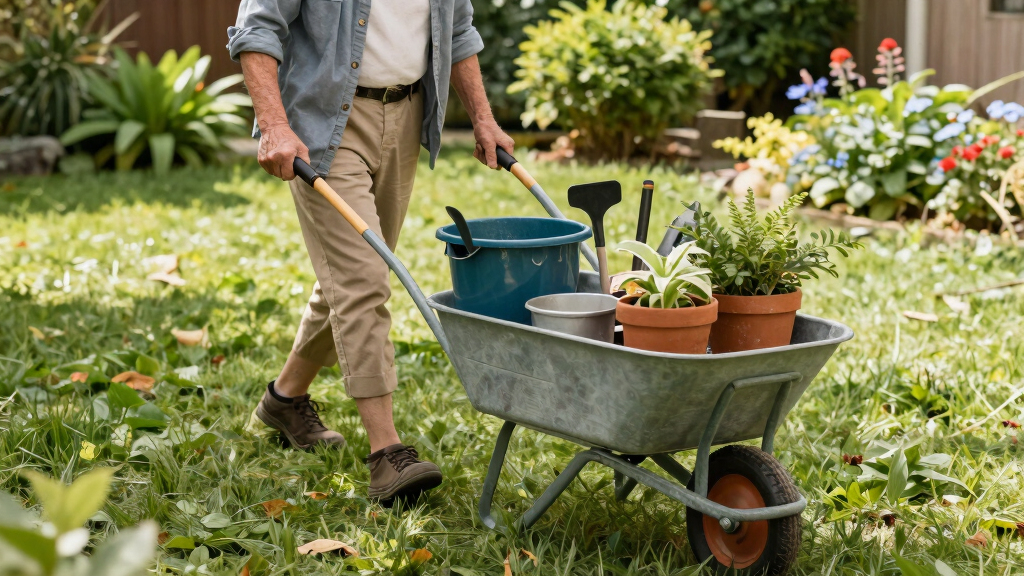
Imagine rolling your garden cart over uneven soil, loaded with fresh soil, tools, or fallen branches, without feeling like you’re wrestling a small vehicle. That’s the magic of choosing the right cart. It’s not just about size or price — it’s about how easy it is to pull, load, and maneuver, especially as we get older.
In this guide, you’ll learn exactly what features make a garden cart a joy to use, not a chore. From tire choices to handle design, you’ll see how small details can make a big difference in your gardening comfort and safety.
Prioritize large, air-filled tires for smoother movement over uneven ground.
Choose ergonomic, adjustable handles to reduce fatigue and improve control.
Opt for carts with low sides and tilting beds to make loading and unloading easier.
Lightweight composite materials can offer strength without extra weight, easing effort.
Regular maintenance like tire checks and cleaning prolongs your cart’s lifespan.
Choose the Garden Cart That Pulls Smoothly, Loads Low, and Saves Your Back
Large pneumatic tires, ergonomic handles, low sides, and lighter modern materials can turn hauling soil, tools, mulch, and branches from a strain-heavy chore into a steady, controlled garden routine.
The right cart should feel like help, not another heavy thing to manage.
For seniors and comfort-focused gardeners, the best choice balances rolling ease, loading height, weight capacity, and stable handling over real garden terrain.
Physical strain reduction possible with a well-chosen cart.
Pneumatic tires roll more easily on mulch, gravel, and uneven soil.
Match the cart to your real soil, mulch, tool, and debris loads.
Pneumatic wheels absorb shock and reduce drag on bumpy ground.
Lower walls and tilting beds reduce lifting and awkward bending.
Padded, height-aware handles improve grip, posture, and control.
The Four Features That Make a Cart Easier to Live With
Easy pulling and loading come from several small design choices working together: wheel diameter, grip position, bed height, balance, and material weight.
Large pneumatic tires
Choose air-filled tires with good tread for uneven soil, gravel, mulch, and rocky paths. Better shock absorption means less tugging and less vibration.
Ergonomic control
Padded, non-slip, adjustable handles reduce wrist strain and help different users pull from a comfortable height without hunching.
Low, tilting beds
Low sides make scooping and sliding easier. A dump or tilt feature helps unload compost, soil, or leaves without repeated lifting.
Light but strong
Reinforced plastic and composite beds can reduce cart weight while resisting rust. Steel adds strength but may be harder to maneuver.
Stable weight spread
A well-balanced cart keeps heavy loads centered so the handle does not jerk downward or feel unstable when turning.
Foldable options
Collapsible frames, removable sides, and compartments help smaller gardens and patios stay organized without sacrificing everyday usefulness.
Wheel Choice Is the Pulling Difference
On smooth patios, almost any wheel can work. On real garden paths, tire size and shock absorption decide whether the cart rolls or fights back.
Pulling Ease by Terrain
Larger air-filled tires are the strongest match for uneven ground. Solid tires win on maintenance, but they give up comfort on rough surfaces.
Best Use Rule
Choose larger pneumatic tires if your garden has uneven soil, mulch paths, slopes, roots, stones, or gravel. Choose solid rubber only when the route is mostly flat and you want minimal maintenance.
Tradeoff: larger tires roll smoother but can add storage bulk; smaller tires store easily but demand more pulling effort on rough ground.
Compare the Main Garden Cart Feature Choices
Use this table to balance capacity, comfort, durability, and maintenance before you buy.
| Feature | Large Pneumatic Tires | Solid Rubber Tires | Lightweight Plastic Frame | Steel Frame |
|---|---|---|---|---|
| Weight capacity | 150-300 lb | 100-200 lb | Up to 200 lb | 200-350 lb |
| Ease of movement | ✓ Excellent over rough terrain | ~ Good on flat surfaces | ✓ Lightweight, easy to lift | ~ Heavy but durable |
| Durability | ✓ Very high | ~ Moderate | ~ Moderate | ✓ Very high |
| Maintenance | ~ Needs inflation checks | ✓ Low maintenance | ✓ Easy care | ~ Watch for rust or bolts |
| Senior-friendly fit | ✓ Strong comfort choice | ~ Best on level paths | ✓ Easier to move and store | ✗ Can feel heavy when empty |
A Simple Buying Flow for the Right Fit
Start with what you actually carry and where you roll it. Then choose comfort features that reduce lifting, bending, and grip fatigue.
Assess loads
List your usual soil, tools, mulch, branches, pots, and debris weight.
Map terrain
Note whether you roll over grass, gravel, roots, slopes, or patio slabs.
Pick comfort
Prioritize large tires, padded handles, low sides, and a balanced bed.
Check height
Confirm the handle feels natural and does not force bent wrists or shoulders.
Choose material
Balance lighter composite convenience against heavy-duty steel strength.
Modern Features Worth Paying Attention To
Recent carts are getting easier to use through lighter materials, airless tire options, convertible beds, and storage-friendly designs.
Foam-filled tires
They reduce puncture worries while keeping better shock control than hard plastic wheels.
Composite beds
Reinforced plastic can keep weight down while resisting rust and everyday garden moisture.
Convertible sides
Removable panels help the same cart haul bagged soil, long branches, pots, or loose mulch.
Collapsible frames
Foldable carts make sense for small sheds, patios, and gardeners who need lighter handling.
Effort, Capacity, and Care: Find the Practical Middle
The best cart is rarely the biggest one. It is the cart you can pull, load, turn, clean, and store without making gardening feel harder.
Capacity Sweet Spot
Most gardeners do well with a 150-300 lb range. Higher capacity helps heavy hauling, but extra frame weight can reduce everyday comfort.
Maintenance Checklist
Check pneumatic tire pressure monthly, clean mud after use, inspect bolts and joints, wipe metal parts, and lightly oil moving points to prevent squeaks and rust.
Quick rule: if the cart starts feeling harder to pull, inspect tire pressure, bearings, and stuck debris before assuming the cart is too small.
For rocky or uneven paths
Prioritize large pneumatic tires, good bearings, stable steering, and a sturdy steel or reinforced frame.
For patios and small gardens
A lightweight plastic or composite cart may be easier to lift, turn, clean, and tuck away after use.
Why a Good Garden Cart Matters for Easy Gardening
A garden cart that’s easy to pull and load can turn gardening from a tiring task into a relaxing hobby. Think about how often you lift, bend, or push — those actions can strain your back or shoulders. Choosing a cart with the right weight, size, and design helps you avoid unnecessary aches.
For example, a senior gardener named Martha found that switching to a lightweight, large-tired cart made her daily chores feel much less like work. She can now carry more with less effort, all while enjoying her garden with a smile.
According to Huckfarm, the most effective carts reduce physical strain by at least 40%, making a real difference for seniors who want to stay active without risking injury.
As an affiliate, we earn on qualifying purchases.
Pick the Right Wheels and Tire Size for Smooth Gardening
Wheels are the heart of an easy-to-pull garden cart. Larger, air-filled tires glide over uneven ground, gravel, or mulch with less effort. Smaller, solid rubber tires work fine on flat surfaces but can struggle on rough terrain.
For instance, a cart with 16-inch pneumatic tires can roll smoothly over a rocky path, reducing your effort by nearly 30%, according to Huckfarm research. Meanwhile, a sturdy, 12-inch solid tire might feel like dragging a brick on rough ground.
It’s important to consider that larger tires can absorb shocks better, which is crucial when navigating uneven terrain. However, they may also add weight and size, making the cart harder to lift or store. Conversely, smaller tires are lighter but may require more effort on rough surfaces. The tradeoff lies in balancing ease of movement with manageability based on your specific garden terrain.
Remember: tires with good bearings and tread grip make a big difference, especially if your garden is on uneven terrain.
As an affiliate, we earn on qualifying purchases.
How to Choose an Ergonomic Handle That Fits Your Height
An ergonomic handle isn’t just a comfort feature — it’s a health booster. Handles that are adjustable or padded can reduce fatigue and strain on your hands and wrists.
For example, a gardener with arthritis found that a cart with a padded, adjustable handle meant she could work longer without discomfort. It’s like having a custom fit for your grip.
When shopping, look for handles that can be adjusted to your height and have a non-slip grip. These small tweaks make gardening less tiring and more enjoyable. Proper handle height reduces the need for awkward postures, which can cause strain or injury over time, especially if you have existing joint issues. Padded handles also lessen pressure points, preventing blisters and discomfort during extended use. The tradeoff might be that adjustable handles can slightly increase the cost or complexity, but the ergonomic benefits often outweigh these considerations, especially for those with mobility or joint concerns.
lightweight garden cart for seniors
As an affiliate, we earn on qualifying purchases.
As an affiliate, we earn on qualifying purchases.
Make Loading and Unloading a Breeze with Low Sides and Tilting Beds
Loading your cart should feel natural, not like lifting a heavy box. Low sides and tilting beds help you slide in soil, mulch, or tools easily. Removable sides add even more versatility.
Picture filling your cart with compost. With low sides, you simply scoop and slide — no awkward lifting needed. A tilt feature lets you dump your load effortlessly, saving your back and shoulders.
Design features like low sides reduce the need for heavy lifting, which is especially important for seniors who might have limited strength or joint issues. Tilting beds not only make unloading easier but also help prevent spills and messes, making the process cleaner and less stressful. The tradeoff is that low-sided or tilting carts might be less stable when fully loaded, so choosing a well-balanced design is key to safety and ease of use.
garden cart with low sides and tilting bed
As an affiliate, we earn on qualifying purchases.
As an affiliate, we earn on qualifying purchases.
Modern Features That Make Your Garden Cart Easier to Use
Today’s carts come loaded with smart features. Lightweight yet strong materials, like reinforced plastic composites, reduce weight without sacrificing durability. Foam-filled, puncture-proof tires are maintenance-free and tough on rough terrain.
Adjustable handles, collapsible frames, and multiple compartments help you organize and store tools, making your gardening routine smoother. Plus, eco-friendly options are now available, crafted from recycled plastics and sustainable sources.
For instance, a recent model with foam-filled tires and a collapsible design weighs just 25 pounds but can carry loads up to 200 pounds — a perfect combo for seniors seeking ease and strength.
These innovations are not just about convenience—they reflect a shift toward more thoughtful, user-centered design that enhances safety and longevity. The tradeoff might be slightly higher initial costs, but the long-term benefits in usability and durability often justify the investment, especially for older users who need reliable, low-maintenance equipment.
Compare the Features of Popular Garden Carts at a Glance
| Feature | Large Pneumatic Tires | Solid Rubber Tires | Lightweight Plastic Frame | Steel Frame |
|---|---|---|---|---|
| Weight Capacity | 150-300 lbs | 100-200 lbs | Up to 200 lbs | 200-350 lbs |
| Ease of Movement | Excellent over rough terrain | Good on flat surfaces | Lightweight, easy to lift | Heavy but durable |
| Durability | Very high | Moderate | Moderate | Very high |
| Maintenance | Pneumatic tires need inflation | No maintenance | Easy care | Rust-resistant coating |
Simple Steps to Pick the Perfect Garden Cart for You
- Assess your typical loads — soil, tools, debris.
- Consider your terrain — uneven or flat ground?
- Decide on features that matter most — load capacity, maneuverability, comfort.
- Test handle height and grip comfort in-store or through reviews.
- Choose a material that balances weight and durability.
For example, if you garden on rocky paths, prioritize large pneumatic tires and sturdy steel construction. For smaller gardens or patios, a lightweight plastic cart might do the trick.
Maintaining Your Garden Cart for Years of Easy Use
Keeping your cart in good shape means a little regular care. Check tire pressure monthly, clean dirt and mud after each use, and inspect for rust or loose bolts.
If you notice a tire losing air, a quick refill keeps it rolling smoothly. Wipe down metal parts and apply a light coat of oil on moving joints to prevent squeaks and rust.
Taking these small steps extends your cart’s life and keeps gardening effortless for years to come.
Frequently Asked Questions
What is the best type of garden cart for uneven terrain?
Larger, air-filled tires with good tread grip are best for uneven terrain. They absorb shocks and roll smoothly over rocks and roots, reducing your effort and making gardening less tiring.
How much weight should a typical garden cart hold?
Most garden carts support between 100 and 300 pounds. Match your usual loads—like soil bags, mulch, or tools—to the cart’s capacity to avoid overloading and strain.
Are lightweight carts as durable as heavier ones?
Modern lightweight carts made from reinforced plastics or composites are surprisingly durable. For heavy-duty needs, steel frames still hold an edge, but many lighter options work well for typical gardening tasks.
What features make a garden cart easier to load and unload?
Low sides, tilting beds, and removable sides make loading and unloading much simpler. These features help slide in or dump out supplies without lifting heavy loads.
How do I maintain my garden cart for longevity?
Regularly check tire pressure, clean off dirt and mud, and inspect for rust or loose bolts. Proper care ensures your cart stays easy to use for many seasons.
Conclusion
Picking the right garden cart isn’t just about size — it’s about how it feels in your hands and how easily it moves across your garden.
Focus on features that reduce your effort, like larger tires and ergonomic handles. With the right choice, gardening becomes a gentle, joyful part of your day, not a chore to dread.
So next time you’re shopping, imagine yourself gliding effortlessly over your garden beds. That’s the real reward of a well-chosen cart — comfort, safety, and the pure pleasure of tending your own patch of paradise.
Fall Picks
fall essentials
As an affiliate, we earn on qualifying purchases.