TL;DR
Play games included with Prime
Start a Prime free trial and play with Amazon Luna on your devices.
Start playingAs an affiliate, we earn on qualifying purchases.
Walk-in tubs offer safer, easier bathing for seniors and those with mobility issues. They feature low thresholds, grab bars, and therapeutic options, making daily routines safer and more relaxing.
Imagine stepping into a warm, soothing bath without the fear of slipping or struggling over high edges. That’s what a walk-in tub offers—a simple, safe way to enjoy bathing as independence begins to fade. But how do you know if it’s right for you or a loved one? This guide breaks down the key signs that a walk-in tub might be just what you need for safer, more comfortable bathing.
If you’re caring for someone with limited mobility, or simply want to prevent falls in your own bathroom, understanding when a walk-in tub makes sense can save you time, money, and worry. Let’s explore what makes these tubs a smart choice and how to tell if they’re right for your home.
A walk-in tub is a smart safety upgrade for anyone with mobility issues or a fear of slipping in the bathroom.
Therapeutic features like jets and warm water can ease joint pain and promote relaxation.
Proper space and plumbing assessments are essential before choosing a walk-in tub.
Professional installation guarantees safety, proper function, and peace of mind.
Regular cleaning and inspections keep the tub safe, leak-free, and inviting for years to come.
Understanding When a Walk-In Tub Might Help
A walk-in tub can turn bathing from a daily risk into a safer, more comfortable routine. Low entry thresholds, stable grab bars, anti-slip flooring and optional therapeutic features may support independence for seniors, people with mobility challenges and anyone managing joint pain.
Model, features and installation determine the final price.
Longer when plumbing, wiring or structural work is required.
A frequent reference size; door and access clearance also matter.
A cited estimate for regular warm soaks—not a guaranteed result.
When the current tub becomes a barrier
The strongest case for a walk-in tub begins with everyday function. If stepping over the wall, balancing on a wet surface or rising after a soak creates anxiety, the bathroom may no longer match the user’s mobility.
High walls are difficult
Lifting either leg over a conventional tub edge requires balance, hip mobility and stable footing.
Fear changes the routine
Avoiding showers, rushing or needing reassurance can signal that bathing no longer feels secure.
Balance is unreliable
Arthritis, weakness, disability or injury recovery can make turning and standing on wet floors harder.
Rising needs support
Difficulty getting up after soaking may point to the need for an upright seat and correctly placed bars.
Several familiar signals justify a professional assessment.
A low threshold helps reduce one hazard, but safe entry, seating, drainage time and the user’s ability to remain inside while the tub fills and empties must all be considered.
Safety can come with meaningful relief
Warm water may relax tense muscles, encourage circulation and reduce stiffness. Optional water or air jets add targeted massage, while an ergonomic seat can reduce strain during bathing.
Feature-to-benefit profile
Relative usefulness depends on the person’s needs. The bars below are an editorial comparison, not clinical efficacy scores.
Therapeutic options
Does the bathroom support the upgrade?
A tub may suit the user but not the room without modification. Measure the footprint, doorway, turning space and access route, then verify water supply, drainage, electrical protection and structural conditions.
| Factor | Ready signal | Professional check | Warning sign |
|---|---|---|---|
| Bathroom size | ✓Footprint and access clearances fit | ~Confirm door swing and transfer space | ✗Cramped route or blocked fixtures |
| Plumbing | ✓Supply and drain lines are accessible | ~Check fill rate and drain capacity | ✗Slow drainage or extensive relocation |
| Electrical | ✓Protected circuit is available | ~Verify GFCI and feature requirements | ✗No safe supply for heater or jets |
| Daily access | ✓Clear route for user and caregiver | ~Test transfers with mobility aids | ✗Doorway or layout restricts movement |
| Installation | ✓Certified professionals are available | ~Review seals, anchoring and warranties | ✗Unverified fitting or improvised supports |
Legend: ✓ favorable condition / ~ requires verification / ✗ likely obstacle
Typical project range
Planning realities
Insurance coverage varies. Some plans or Medicaid waiver programs may contribute when the equipment is medically necessary, but eligibility should be confirmed before purchase.
From concern to confident bathing
The best outcome comes from connecting the user’s needs to the room, the product and the installation—not selecting features in isolation.
Identify the barrier
Entry, balance, pain, fatigue or caregiver dependence.
Assess the user
Review mobility, transfers, health needs and controls.
Measure the home
Confirm space, route, plumbing, drainage and power.
Specify features
Prioritize safety first, then therapy and smart options.
Install + maintain
Verify seals and supports; clean and inspect routinely.
Installation quality is part of the safety system.
Certified professional installation helps ensure correct anchoring, sturdy grab bars, reliable door sealing, safe electrical work and effective drainage. Poor fitting can introduce the very hazards—leaks, unstable supports and slippery floors—the tub is meant to reduce.
Five takeaways to carry forward
A walk-in tub makes the most sense when it directly solves a recurring safety or comfort problem, fits the room and budget, and can be professionally installed and maintained.
Match the mobility need
Low entry, seating and support are most valuable when a standard tub creates a real barrier.
Prioritize core safety
Choose sturdy bars, anti-slip surfaces, accessible controls and dependable sealing before extras.
Use therapy selectively
Warm water and jets may ease discomfort, but added systems bring extra cost and upkeep.
Verify the whole room
Space, access, water supply, drainage and protected electrical service all shape feasibility.
Protect the investment
Professional installation, regular cleaning and periodic inspections help prevent leaks and mold.
How to Spot When a Walk-In Tub Will Keep You Safe
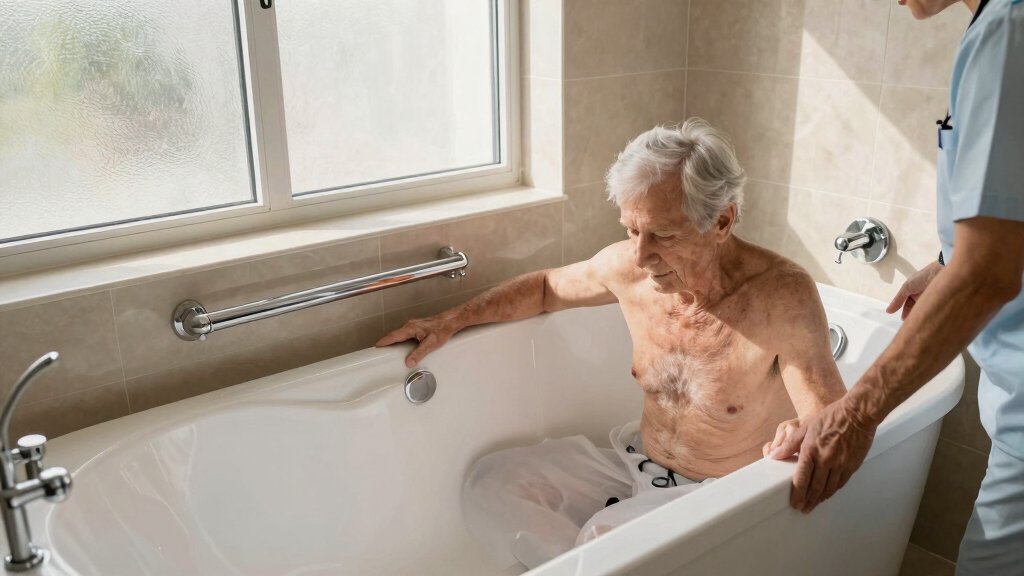
A walk-in tub is designed with safety at its core. If you or a loved one regularly struggle with stepping over high tub walls or worry about slipping, it’s a clear sign a walk-in tub could help. These tubs feature a door that opens to a low step, making entry and exit smoother and safer.
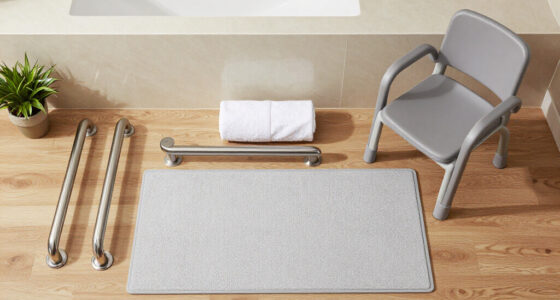
Think about a typical morning. You’re rushing, and the last thing you want is to worry about a fall in the shower. With grab bars, anti-slip floors, and a sealed door, walk-in tubs turn a risky task into a safe routine. These features directly address the common causes of bathroom falls—high thresholds, unstable footing, and the risk of slipping on wet surfaces. By reducing these hazards, walk-in tubs can significantly lower the chance of injury, especially for seniors or those with balance issues.
Understanding these safety features is crucial because they don’t just add convenience—they can literally be life-saving. For example, anti-slip floors prevent accidental slips, but they also give users confidence to bathe independently, reducing dependence on caregivers. Grab bars provide essential support, but their placement and sturdiness matter greatly; poorly installed bars can cause accidents instead of preventing them. The door’s sealing mechanism is vital, as leaks can lead to mold or water damage, but also to slips if water escapes. Recognizing these tradeoffs helps you prioritize features that truly enhance safety and understand that investing in quality installation maximizes these benefits.
Here’s a quick checklist to see if safety is your top concern:
- Difficulty stepping over a high tub wall
- Fear of slipping or falling in the shower
- Mobility issues that make balancing tricky
- Concern about getting up after soaking
If these sound familiar, a walk-in tub could be a game-changer. Ready for the next step? Keep reading to see how they might improve your daily life even more.
walk-in bathtub with therapeutic jets
As an affiliate, we earn on qualifying purchases.
As an affiliate, we earn on qualifying purchases.
Why a Walk-In Tub Could Ease Your Joint and Pain Troubles
Do joint pains or arthritis make bathing a chore? A walk-in tub isn’t just about safety; it can also bring soothing relief to aching joints. The warm water, combined with optional therapeutic jets or air baths, can reduce stiffness and promote circulation. These features are more than luxuries—they address the root causes of discomfort.
Warm water helps relax tense muscles and improve blood flow, which can reduce stiffness and swelling. Therapeutic jets target specific areas, providing a gentle massage that eases pain and enhances mobility over time. For those with chronic joint issues, this means less pain during and after bathing, leading to a more independent and comfortable routine. The ergonomic design supports proper posture, reducing strain on joints and muscles.
Understanding the impact of these features is essential because chronic pain and joint stiffness often lead to decreased activity levels, which can exacerbate health issues like muscle weakening or reduced mobility. By incorporating therapeutic options into your bath routine, you’re not just making bathing easier—you’re actively managing pain and supporting your overall health. The choice of features involves tradeoffs; for instance, jets may require more maintenance, but they offer targeted relief that can significantly improve quality of life. Recognizing these implications helps you select a tub that balances convenience, therapeutic benefit, and maintenance needs.
According to an anonymous researcher from Huckfarm, regular warm soaks can reduce joint pain severity by up to 30%. This significant relief can mean fewer medications, less fatigue, and a greater sense of autonomy. Choosing a tub with these features isn’t just about comfort—it’s a strategic way to manage chronic pain and improve quality of life.
Features to look for include:
- Hydrotherapy jets for targeted massage
- Adjustable temperature controls for comfort
- Ergonomic seating that supports joints
Thinking about easing pain? A walk-in tub offers more than safety—it’s a smart investment in your well-being, turning daily bathing into a therapeutic experience that can help manage chronic conditions and improve overall mobility.
As an affiliate, we earn on qualifying purchases.
Which Home and Space Factors Decide If a Walk-In Tub Fits
Before choosing a walk-in tub, it’s vital to consider your bathroom size and layout. These tubs need enough room for installation and comfortable access. If your bathroom is tight on space, installing a walk-in tub might require adjustments or choosing a smaller, custom model. Conversely, a spacious bathroom allows for easier integration of standard models, which can be seamlessly fitted without major renovations.
The importance of space goes beyond just fitting the tub; it impacts ease of use and safety. A cramped bathroom can make maneuvering difficult, increasing the risk of accidents during installation or daily use. Proper space allocation ensures that the tub’s safety features—like grab bars and non-slip surfaces—are accessible and effective. Additionally, sufficient space allows for easier cleaning and maintenance, prolonging the lifespan of your investment.
Understanding these factors is crucial because a poorly planned installation can lead to frustration, increased costs, and safety hazards. For example, inadequate space may force you to compromise on essential safety features or require expensive modifications. Conversely, a well-planned layout ensures the tub’s features are accessible, the installation process is smoother, and your daily routine remains safe and comfortable. Taking the time to evaluate your space and consult professionals enables you to make an informed decision that balances functionality, safety, and aesthetic appeal.
Here’s a quick guide to what to check:
| Factor | What to Look For |
|---|---|
| Bathroom Size | Sufficient space for a 60×30-inch tub and clearance for door opening |
| Plumbing Access | Easy access to existing water lines and drainage |
| Electrical Wiring | Availability of a GFCI outlet for heated jets and controls |
| Bathroom Layout | Clear path for installation without major modifications |
A professional can help you measure and plan, ensuring your space is ready for a safe, comfortable install. Proper planning minimizes the risk of costly modifications and ensures the tub fits well, providing maximum safety and usability.
As an affiliate, we earn on qualifying purchases.
What Features Make a Walk-In Tub a Better Choice for Daily Use
Not all walk-in tubs are created equal. Selecting the right features can dramatically enhance daily comfort and safety, making your bathing routine more enjoyable and secure. Prioritizing features isn’t just about luxury; it’s about creating a personalized, safe environment tailored to your needs.
Ease of operation ensures you can control water levels, jets, and temperature without frustration—important for those with limited dexterity. Safety locks and seals prevent leaks, which are common concerns and can cause water damage or slips. Comfortable, ergonomic seating supports your back and joints, reducing fatigue and discomfort during longer baths. Additional features like aromatherapy, chromotherapy, or adjustable jets aren’t just indulgent—they can help relax tense muscles, improve mood, and create a spa-like atmosphere that encourages regular use, ultimately supporting overall health and well-being.
Imagine relaxing in a warm, soothing bath with gentle jets and soft lighting, transforming a mundane task into a restorative experience. By choosing a tub with these features, you turn everyday bathing into a wellness ritual that promotes safety, comfort, and mental relaxation—an essential for aging in place or anyone seeking a better bathing experience.
professional walk-in tub installation
As an affiliate, we earn on qualifying purchases.
As an affiliate, we earn on qualifying purchases.
How Difficult Is It to Install a Walk-In Tub—and What to Expect
Installing a walk-in tub typically takes about one to two days, depending on your bathroom’s existing plumbing and space. A professional will carefully measure your area, make any necessary adjustments to plumbing or electrical connections, and secure the tub in place, ensuring it is properly sealed and stable. The process involves precise work to prevent leaks and ensure safety, which is why professional installation is essential.
If your bathroom already has compatible plumbing and enough space, the installation can be straightforward, often completed within a day. However, if walls need moving, plumbing rerouted, or electrical outlets upgraded, the process can extend longer and incur additional costs. Understanding these variables helps set realistic expectations and emphasizes the importance of hiring qualified professionals who can navigate these challenges safely.
Here’s what to expect step-by-step:
- Initial assessment and measuring
- Preparation, including plumbing and electrical checks
- Delivery and placement of the tub
- Final connections, sealing, and testing
- Cleanup and walkthrough
Hiring a certified installer guarantees the work meets safety standards, reducing future risks of leaks, electrical issues, or structural problems. Expect a few hours of work for the installation, but the long-term safety and convenience are well worth the investment.
Easy Upkeep: How to Keep Your Walk-In Tub Safe and Clean
Maintaining your walk-in tub is straightforward but crucial for safety and longevity. Regular cleaning prevents the buildup of mold, soap scum, and mineral deposits, which can compromise seals and create slipping hazards. A routine of wiping down surfaces with a damp cloth and non-abrasive cleaner after each use keeps the interior hygienic and functioning properly. Checking seals and door latches weekly helps prevent leaks and ensures the door remains secure during use.
Every few months, perform more thorough maintenance to preserve optimal operation and safety. Flushing the system with a vinegar and water mixture helps dissolve mineral buildup, maintaining clear jets and drains. Inspecting door seals for cracks or gaps prevents leaks that could lead to water damage or mold growth. Regularly testing the drain and jets ensures they work smoothly, avoiding unexpected malfunctions. Scheduling professional maintenance annually can catch issues early, prolong the lifespan of your tub, and maintain safety standards. These simple yet consistent steps help you enjoy a safe, clean, and reliable bathing environment for years to come.
Frequently Asked Questions
Is a walk-in tub suitable for someone with severe mobility issues?
Yes, many walk-in tubs are designed with features like low thresholds, grab bars, and easy controls, making them suitable for those with significant mobility challenges. However, consulting a healthcare professional can help determine the best fit for individual needs.How much does a walk-in tub typically cost, and can insurance help?
Prices generally range from $3,000 to over $10,000, including installation. Some insurance plans or Medicaid waivers may cover part of the cost if the tub is prescribed for medical reasons—it’s worth checking with your provider.What should I look for when choosing a walk-in tub?
Prioritize safety features like grab bars and anti-slip floors, therapeutic options like jets, ease of operation, size to fit your bathroom, and additional comforts such as built-in seating or lighting. Visiting showrooms and consulting professionals can help narrow choices.Is installation complicated and how long does it take?
Professional installation usually takes one to two days. It involves plumbing, electrical checks, and fitting the tub securely. A qualified installer can give you a timeline based on your bathroom’s specifics.How do I maintain my walk-in tub to keep it safe and clean?
Regularly wipe down surfaces, inspect seals, flush with vinegar solution to prevent mineral buildup, and check the drain and jets. Annual professional maintenance can also extend the life and safety of your tub.Conclusion
A walk-in tub isn’t just a luxury—it’s a practical way to make aging in place safer and more comfortable. If slipping or joint pain limits your daily routine, this simple upgrade can transform your bathroom into a personal spa and safe retreat.
Imagine ending each bath feeling relaxed, secure, and cared for. That’s a quiet kind of independence worth investing in. So, take a good look at your space and needs — a safer, more soothing bathing experience could be just a step away.
Fall Picks
fall essentials
As an affiliate, we earn on qualifying purchases.