TL;DR
Listen free for 30 days with Audible
Thousands of audiobooks and originals — cancel anytime.
Start your free trialAs an affiliate, we earn on qualifying purchases.
You can grow your own vegetables in a small, easy-to-manage patch by choosing the right spot, starting with hardy crops, and maintaining simple routines. Proper soil, watering, and pest control make all the difference for success.
Start small with easy, fast-growing vegetables like radishes and herbs to build confidence.
Choose a sunny, well-drained spot close to water—your plants will thrive with minimal fuss.
Healthy soil is the foundation—add compost and mulch to keep your garden productive.
Use organic pest control methods like companion planting and physical barriers to keep pests at bay.
Extend your season with simple covers and plan for succession planting to harvest longer.
Starting a Simple Vegetable Patch You Can Manage
A productive patch does not require acres or expert knowledge. Choose a sunny spot, build healthy soil, plant forgiving crops, and follow a few dependable routines for fresh food with less fuss.
Direct light supports sturdy growth, good flavor, and reliable yields.
Adjust for rainfall, heat, soil type, and container conditions.
Radishes offer a quick win that helps new gardeners build confidence.
The sweet spot for nutrient availability.
Choose a short, forgiving starter list.
Water, inspect, and harvest consistently.
Of fresh produce needs with strong planning and care.
Give the patch an easy life
A well-chosen location prevents many problems before they begin. Prioritize sunshine, drainage, nearby water, and convenient access. If the ground is unsuitable, use a raised bed or containers to gain control without expanding the workload.
Follow the sun
Look for at least six hours of direct sunlight. Check shadows from trees, sheds, and fences across the growing season.
Let roots breathe
A gentle slope or raised bed helps excess water escape, reducing waterlogging, weak roots, and rot.
Keep it close
Position the patch within easy reach of a hose or watering can. Convenience makes consistent care much more likely.
Reach every plant
Keep beds narrow enough to tend from the edge. Avoid stepping on growing soil and compacting the root zone.
A compact bed you visit often will usually outperform an ambitious plot that becomes difficult to maintain. Leave room to expand only after your first successful season.
Build the foundation
Healthy soil stores moisture, drains excess water, releases nutrients, and supports resilient roots. Test before correcting: most vegetables thrive between pH 6.0 and 7.0, where essential nutrients are readily available.
The low-effort soil stack
These simple inputs deliver multiple benefits at once, reducing later watering, weeding, and feeding.
Vegetable pH comfort zone
A simple soil test reveals whether nutrients are accessible. Avoid adding amendments blindly; adjust only when the result shows a clear need.
A little effort improving soil at the start can mean steadier moisture, fewer nutrient problems, healthier plants, and less intervention later.
Choose quick, forgiving wins
Begin with crops that mature rapidly, tolerate small mistakes, and fit your space. Early success teaches spacing, watering, harvesting, and succession planting without demanding complex equipment.
| Starter crop | Speed to reward | Space needs | Container fit | Beginner ease | Best lesson |
|---|---|---|---|---|---|
| Radish | ≈ 4 weeks | Very low | ✓ Excellent | ✓ Easy | Timing and thinning |
| Leaf lettuce | 4–7 weeks | Low | ✓ Excellent | ✓ Easy | Cut-and-come-again harvest |
| Herbs | 5–8 weeks | Very low | ✓ Excellent | ✓ Easy | Pinching for bushy growth |
| Green beans | 7–9 weeks | Medium | ~ Choose bush types | ✓ Easy | Frequent picking |
| Carrots | 8–12 weeks | Low | ~ Deep pot | ~ Moderate | Loose soil and spacing |
| Large tomatoes | 10–14 weeks | High | ✗ More demanding | ~ Add later | Support and feeding |
Small routines, repeated
Management becomes easier when each task connects to the next. Follow a short weekly loop, notice problems early, and let mulch, physical barriers, and beneficial insects do part of the work.
Water deeply
Check the soil first; soak the root zone rather than the leaves.
Pull weeds
Remove small weeds before they compete or set seed.
Inspect leaves
Look under foliage for aphids, slugs, eggs, or damage.
Block pests
Use covers, hand-picking, and companion planting first.
Harvest often
Regular picking encourages production and prevents waste.
Consistency beats frequency
Aim for roughly 1–2 inches each week, including rain. Containers and hot weather may require more frequent checks, while mulched soil stays moist longer.
Use the gentlest control first
Encourage beneficial insects, pair compatible plants, remove pests by hand, and add row covers or barriers before considering stronger interventions.
Plan the season in waves
Succession sowing keeps a compact patch productive. Plant a modest amount, repeat fast crops every few weeks, and protect young plants with simple covers when temperatures turn.
A simple succession rhythm
Use local planting calendars for exact dates, then repeat this manageable sequence.
Lightweight row covers, cold frames, or simple tunnels shelter crops from cool nights and pests, helping a small patch produce for longer.
How to Pick the Right Spot for Your Vegetable Garden
Your first step is choosing the perfect location—think of it as giving your plants a comfortable home. Look for a spot with at least 6 hours of direct sunlight daily. This amount of sunlight is crucial because it directly influences plant growth and crop yield; without enough sun, your vegetables may become leggy, produce fewer fruits, or fail to develop their full flavor. A gentle slope helps with drainage, preventing water from pooling around roots and reducing the risk of root rot—a common problem in poorly drained soils. Keep it close to a water source—nothing beats watering with a friendly hose or watering can just a few steps away, making regular watering easier and more consistent, which is vital for plant health. Clear away weeds and debris, and loosen the soil with a garden fork or tiller to improve aeration and root penetration. Imagine planting in a bed of rich, dark soil that smells earthy and inviting—your vegetables will thank you because healthy soil provides the essential nutrients and structure needed for vigorous growth. When selecting a spot, consider future growth: avoid shaded areas from trees or structures that could cast long shadows as seasons change. For example, a sunny corner near your shed or a cleared section of your backyard can be perfect. If space is tight, think about using containers or raised beds, which can be placed on patios or porches. These options allow you to control soil quality more easily and can be moved if needed, offering flexibility and ensuring your plants get the best start with minimal fuss later. The key is to give your plants a strong foundation from the beginning, which reduces the effort needed for maintenance and boosts your chances of a successful harvest.
small vegetable garden starter kit
As an affiliate, we earn on qualifying purchases.
As an affiliate, we earn on qualifying purchases.
How to Prepare Your Soil for Healthy Veggies
Healthy soil is the backbone of any good vegetable patch because it directly affects plant growth, nutrient availability, and overall yield. Testing your soil’s pH is a critical step—most vegetables thrive in soil with a pH between 6.0 and 7.0 because this range ensures optimal nutrient uptake. If your soil is too acidic or alkaline, plants may struggle to absorb essential nutrients, leading to poor growth or deficiencies. Adding organic amendments like compost or aged manure not only boosts fertility but also improves soil structure, drainage, and water retention. For example, mixing a wheelbarrow of compost into your garden bed creates a sponge-like environment that retains moisture during dry spells and releases nutrients slowly over time, reducing the need for frequent fertilizing. Mulching with straw or shredded leaves helps maintain consistent moisture levels, suppress weeds, and gradually adds organic matter as it decomposes—feeding your soil in a natural, sustainable way. Think of mulching as giving your garden a cozy blanket that also protects roots from temperature fluctuations and prevents erosion. Over a season, these practices lead to richer, more resilient soil that supports healthier plants and higher yields. Investing time in soil health is a tradeoff—initial effort results in less pest and disease problems, fewer fertilizer inputs, and a more forgiving garden environment, making your gardening experience more enjoyable and productive in the long run.
As an affiliate, we earn on qualifying purchases.
Easy Vegetables to Grow First—Start Small, Grow Fast
If you’re new to gardening, choosing the right vegetables can make all the difference. Start with crops that grow quickly and require little fuss—these not only give you quick rewards but also help build your confidence. Lettuce, radishes, carrots, green beans, and herbs like basil or parsley are perfect choices because they are forgiving and often adaptable to various soil and weather conditions. They don’t need complicated support structures or extensive space, making them ideal for small gardens or containers. Radishes, for example, can be ready to harvest in about 4 weeks, providing an instant sense of accomplishment and motivation to continue gardening. Growing these quick-to-mature crops allows you to experience success early, which is essential for beginners who might feel overwhelmed by more complex plants. Additionally, their rapid growth cycles enable you to experiment with succession planting—sowing new crops every few weeks—so your garden remains productive throughout the season. These early successes also teach you about watering, spacing, and caring for plants, which are foundational skills for more challenging crops later on. Plus, they are forgiving if you miss a watering or forget to weed, reducing frustration and encouraging you to try again. By starting small with manageable, fast-growing vegetables, you set yourself up for a rewarding gardening journey that can gradually expand as you gain experience and confidence.
As an affiliate, we earn on qualifying purchases.
Simple Planting Tricks for a Bumper Harvest
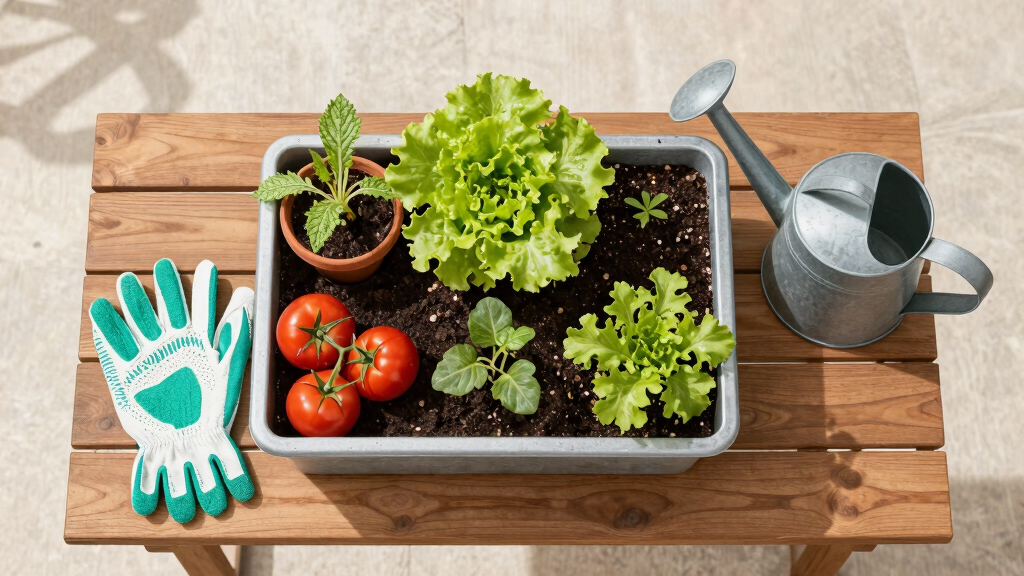
Plant seeds according to the instructions on their packets—depth, spacing, and timing are vital because they directly influence germination success and plant development. Proper planting ensures seedlings get the right amount of soil contact, moisture, and space to grow vigorously. Using raised beds or containers can significantly improve control over soil quality and drainage, which are critical for healthy root systems. For example, a shallow container filled with rich potting mix creates an ideal environment for herbs or lettuce, especially when space is limited. Water deeply and regularly—about once a week if the weather’s mild—because consistent moisture encourages strong root growth and prevents stress that can make plants more susceptible to pests and diseases. Mulching around your plants traps moisture, suppresses weeds, and maintains stable soil temperatures. Think of mulching as giving your garden a protective blanket that also slowly feeds the soil as it decomposes, enriching it over time. These simple tricks help ensure your plants develop healthily, produce more, and require less intervention, making your gardening experience more straightforward and enjoyable.
As an affiliate, we earn on qualifying purchases.
Keeping Your Garden Healthy Without Chemicals
Pests are part of the garden’s natural rhythm—they can be a nuisance but also an indicator of ecological balance. Organic methods work best for country gardens because they protect beneficial insects and maintain soil health. Companion planting is a favorite strategy: planting marigolds near tomatoes, for example, can deter nematodes and aphids by releasing natural repellents, reducing the need for chemical pesticides. Hand-picking pests like caterpillars or slugs provides immediate control and minimizes harm to other beneficial insects. Natural repellents like neem oil or insecticidal soaps can be effective if pests become overwhelming, but they should be used judiciously to avoid disrupting your garden’s ecosystem. Encouraging beneficial insects—like ladybugs, lacewings, and parasitic wasps—helps keep pest populations in check naturally, creating a self-regulating environment. Regular inspection of plants allows you to catch problems early before they spread or cause significant damage. This proactive, organic approach fosters a resilient garden that requires fewer chemical inputs, supports local biodiversity, and aligns with sustainable gardening principles—important considerations for maintaining a healthy, eco-friendly country garden.
How to Keep Your Garden Growing All Season
Extending your gardening season is about protecting your plants from unpredictable weather and maximizing your harvest. Simple tools like row covers, cold frames, or small tunnels act as mini-greenhouses, trapping warmth and shielding plants from early frosts or late cold snaps. Covering spinach or lettuce with a lightweight cloth, for instance, can keep them growing into late fall, providing fresh greens long after the main season ends. Planning for succession planting—sowing new crops every few weeks—ensures continuous harvests from spring through fall, making the most of your available space and time. Think of it as a relay race where each crop hands off to the next, keeping your garden productive year-round. Keeping a garden journal helps you remember what worked well and when to plant next season, avoiding guesswork and enabling better planning. These methods are simple yet effective, allowing you to enjoy fresh vegetables for longer with minimal extra effort, and they can be adapted to different climates and garden sizes.
How to Manage Your Vegetable Patch with Less Time and Effort
Managing a vegetable patch doesn’t mean endless work if you adopt smart routines and focus on key tasks. Deep watering once a week encourages deep root growth, making plants more drought-resistant and reducing watering frequency over time. Quick weeding sessions prevent weeds from competing with your vegetables for nutrients and moisture, saving you time and effort. Regular harvests stimulate plants to produce more and prevent overripe or rotting produce, which can attract pests. Mulch acts as a slow-release snack for your garden—reducing watering needs, suppressing weeds, and gradually enriching the soil as it decomposes. Think of it as giving your garden a protective, nourishing blanket that works behind the scenes. For practical management, set aside 15 minutes daily or every other day to check on your plants, remove any pests, and harvest ripe produce. Using simple tools like a hand rake, watering can, and spray bottle keeps maintenance straightforward. If you prefer a more automated approach, installing drip irrigation or using moisture sensors can save time and ensure consistent watering, reducing the mental load and physical effort involved. The goal is to develop routines that keep your garden healthy and productive without overwhelming your schedule, making gardening a relaxing and rewarding activity rather than a chore.
Latest Trends Making Vegetable Gardening Easier and More Enjoyable
Today’s gardener benefits from a variety of innovations that make vegetable gardening more accessible, sustainable, and enjoyable. Urban and small-space gardening techniques—such as container gardening, vertical planting, and balcony gardens—maximize limited space and bring fresh produce closer to your home. For example, stacking pots or hanging baskets can turn a tiny balcony into a productive vegetable farm, making the most of vertical space and sunlight. Smart tools like soil sensors, automated watering systems, and moisture monitors reduce guesswork, ensuring plants receive optimal care without constant attention. These technologies can help prevent over- or under-watering, saving water and reducing effort. Organic seed varieties resistant to drought, pests, and diseases are increasingly available, especially important as climate patterns shift and weather becomes more unpredictable. Online tutorials, community seed exchanges, and gardening apps foster a sense of community and continuous learning, making gardening more interactive and less intimidating. Embracing these trends allows both novice and experienced gardeners to enjoy growing vegetables more easily, with less stress and more success, turning gardening from a chore into a delightful, ongoing hobby that adapts to modern lifestyles.
Frequently Asked Questions
How much space do I need to start a vegetable patch?
Even a small corner or balcony can host a thriving vegetable garden using containers or raised beds. Space is less a limit than your imagination and willingness to try new spots.What are the easiest vegetables for beginners?
Lettuce, radishes, carrots, beans, and herbs like basil or parsley are forgiving and quick to grow, making them perfect for those just starting out.How often should I water my vegetable patch?
Most vegetables need about 1-2 inches of water weekly, but during hot spells, you might water more frequently. Deep, consistent watering encourages strong roots.When is the best time to plant vegetables?
Timing depends on your local climate and the vegetable variety. Checking local planting calendars or talking to neighbors can give you a good starting point.How do I prevent pests without using chemicals?
Use organic methods like companion planting, hand-picking pests, encouraging beneficial insects, and physical barriers like row covers to keep pests away naturally.Conclusion
A vegetable patch that’s manageable isn’t a distant dream—it’s a simple project that pays back in fresh flavors and quiet satisfaction. With just a few thoughtful choices and regular habits, you can enjoy a lush, productive garden that fits your country life perfectly. Imagine stepping outside to pick a handful of fragrant herbs or crunchy carrots—every day a small harvest, every day a bit more homegrown joy.Fall yard work Picks
leaf blowers
As an affiliate, we earn on qualifying purchases.