TL;DR

Turn quiet afternoons into listening time
- Thousands of audiobooks, podcasts and originals
- Listen on your phone, tablet or Echo — also offline
- Cancel anytime
Bright hallway lighting reduces fall risks and improves safety. Modern options like LED fixtures, motion sensors, and smart controls make it easy to light every corridor effectively while saving energy.
Imagine walking down a dark, shadowy hallway — a trip or fall waiting to happen. Now picture that same space glowing with warm, even light, guiding your steps safely. Good lighting isn’t just about looks; it’s about safety, especially in homes where every step counts. If you want your hallways to welcome you safely every day, understanding how to light them properly is your first step.
In this guide, you’ll discover practical ways to brighten your hallways, prevent accidents, and create a cozy, safe atmosphere. Whether you’re upgrading old fixtures or exploring smart lighting options, these ideas will help you see every corner clearly — with less energy and more peace of mind.
Bright Ideas: Lighting Every Hallway for Safety
Good hallway lighting is preventive design. Warm, even illumination reveals clutter, floor changes, turns, and exit routes before they become hazards—while modern controls deliver that visibility with less energy and less effort.
fewer fall-related injuries in some properly illuminated settings.
energy use than traditional incandescent lighting.
service life means fewer dark fixtures and replacements.
Visibility builds confidence
A safe corridor is not simply bright at the fixture. It is evenly illuminated from end to end, with enough contrast to reveal obstacles but without harsh glare or deep shadows that distort depth.
Reveal every obstacle
Uniform light makes clutter, rugs, thresholds, uneven flooring, and changes in direction easier to identify before the next step.
Support every user
Consistent illumination is especially important for older adults, people with limited mobility, and anyone with reduced vision or depth perception.
Remove switch hunting
Automatic low-level lighting creates an immediate, visible route for late-night trips without forcing anyone to search for a wall switch.
Keep exits visible
Backup and exit-route lighting reduces confusion during outages and helps occupants move calmly toward a safe way out.
See the whole corridor
Bright transitions and visible corners make the home feel more secure while eliminating shadowed areas where hazards can disappear.
Make movement easier
A reliably illuminated path supports confident, independent movement and can reduce the personal and financial costs associated with falls.
Small upgrades, measurable gains
LEDs reduce baseline consumption, while occupancy controls avoid lighting an empty corridor. Together, they improve reliability without turning safety into a high-energy feature.
Compare the options
The strongest solution is usually a layered system: broad LED illumination, automatic activation, adjustable night settings, and dependable backup lighting along the exit route.
| Lighting option | Safety contribution | Energy value | Best placement | Priority |
|---|---|---|---|---|
| Wide-spread LED fixture | ✓ Even, reliable visibility | ✓ At least 75% less energy | Primary ceiling or wall lighting | Essential |
| Motion or occupancy sensor | ✓ Immediate hands-free light | ✓ Up to 30–50% savings | Entries, turns, and low-traffic corridors | High |
| Dimmable control | ✓ Reduces late-night glare | ✓ Avoids excess output | Bedroom and bathroom routes | High |
| Smart schedule or scene | ✓ Adapts output automatically | ✓ Time and occupancy control | Whole-home connected systems | Useful |
| Emergency backup fixture | ✓ Preserves the exit route | ~ Safety-first function | Stairs, turns, exits, and long corridors | Essential |
Illuminance and emergency-lighting requirements vary by location and building type. Treat 1 foot-candle, approximately 10.8 lux, as a public-building reference point and confirm applicable ADA, OSHA, fire, and local building requirements with a qualified professional.
From sensing to safe passage
A responsive hallway system turns a simple movement signal into a complete safety sequence—before the person has to take a step into darkness.
Presence detected
A sensor identifies movement at the corridor entrance.
Lights activate
LED fixtures illuminate without switch hunting.
Output adjusts
Brightness matches the time, activity, or preset scene.
Hazards appear
Even light exposes edges, clutter, and floor changes.
Passage is safer
The user moves with visibility and greater confidence.
A safer hallway in five checks
Start with the route people actually walk. Inspect it after dark, look from the user’s eye level, and prioritize any point where illumination drops or glare masks the floor.
Walk the route at night
Check entrances, corners, thresholds, stairs, and the path to bedrooms, bathrooms, and exits.
Remove shadow pockets
Clean existing fixtures and add broad-spread light where a single source creates dark gaps.
Upgrade to LEDs
Choose efficient, long-life lamps or fixtures with comfortable output and consistent color.
Add automatic control
Position sensors so light activates before someone enters the dark portion of the corridor.
Test the backup path
Confirm emergency fixtures remain visible, charged, unobstructed, and functional during an outage.
Tune brightness and glare
Use dimming or scheduled scenes to maintain floor visibility without an uncomfortable late-night blast.
Why Bright Hallways Are a Must for Safety
Bright hallways dramatically lower the risk of trips, slips, and falls — especially for older adults or anyone with limited mobility. According to an anonymous researcher, well-lit corridors can cut fall-related injuries by as much as 50%. This statistic highlights the profound impact that proper lighting can have on safety; it’s not just about visibility but also about confidence. When people can see clearly, they are less likely to stumble over obstacles, uneven flooring, or clutter, which are common causes of accidents. The implications extend beyond individual safety: a well-lit home reduces emergency incidents, minimizes injury-related costs, and promotes independence for vulnerable residents.
Imagine a late evening trip to the bathroom — the soft glow of a nightlight or a well-lit corridor can mean the difference between a safe walk and a painful tumble. Good lighting helps you see uneven floors, clutter, or other hazards before they become a problem, preventing accidents before they happen. The tradeoff often involves a minimal investment in energy-efficient fixtures that provide maximum safety benefits without significantly increasing utility bills.
Plus, safety isn’t just about falls. Proper lighting helps you identify emergency exits quickly and makes your home feel more secure overall. It provides peace of mind, knowing that hazards are less likely to cause harm, especially during emergencies where quick evacuation is critical. Overall, the deeper understanding is that effective hallway lighting isn’t a luxury — it’s a vital safety feature that can significantly improve quality of life.
As an affiliate, we earn on qualifying purchases.
How to Choose the Best Lighting for Your Hallways
- Pick LED fixtures. They consume at least 75% less energy than old bulbs and last 25 times longer, which means fewer replacements and less ongoing cost. This longevity also means less maintenance effort, reducing the risk of fixtures being left unlit due to burnt-out bulbs, especially in hard-to-reach spots.
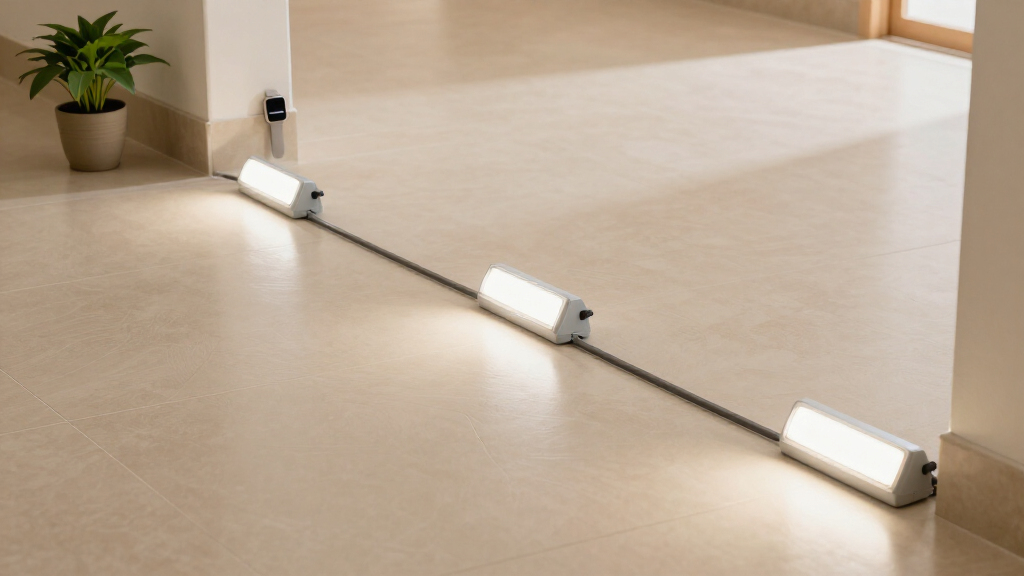
- Use fixtures with a wide, even spread of light. Avoid harsh shadows that can obscure hazards, as shadows can create false perceptions of safety or hide obstacles. Uniform lighting ensures every inch of the hallway is visible, reducing blind spots that could cause trips.
- Incorporate motion sensors. They turn on lights automatically when you enter, eliminating the need to search for switches in the dark. This feature is especially valuable for those with limited mobility or night-time trips, as it reduces fumbling and increases reaction time to hazards.
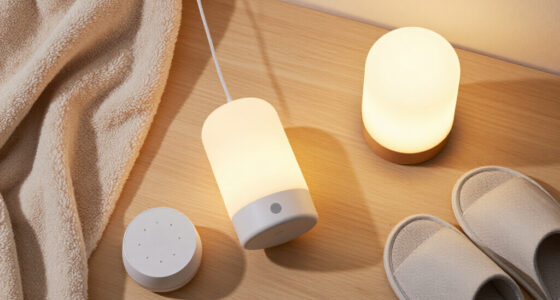
- Consider dimmable options. Brighten the hall for safety during the day or when moving through unfamiliar spaces, then soften the glow during late-night trips to prevent glare and disturbance. Dimming also allows you to customize lighting based on activity, which can help conserve energy.
- Install emergency lighting. During a power outage, it guides you safely out of the house, reducing panic and confusion. Proper placement along exit routes ensures visibility at all times, and choosing fixtures with self-testing features can help maintain reliability without manual checks.
Choosing the right lighting involves understanding how different fixtures and controls can impact safety and energy use. For example, LED fixtures not only save money on electricity but also reduce the frequency of bulb replacements, which is especially beneficial for hard-to-reach fixtures. Motion sensors eliminate the need to fumble for switches in the dark, which can be dangerous if you’re unsteady. Dimmable options give you flexibility—bright enough to see clearly when needed, but soft enough to avoid glare or disturbance during late-night trips. Emergency lighting isn’t just a backup; it’s a critical safety feature that ensures your escape routes are always visible during power failures, reducing panic and confusion. Overall, selecting the right combination of these features helps create a safer, more energy-efficient environment tailored to your home’s unique needs.
As an affiliate, we earn on qualifying purchases.
As an affiliate, we earn on qualifying purchases.
energy-efficient hallway LED bulbs
As an affiliate, we earn on qualifying purchases.
As an affiliate, we earn on qualifying purchases.
Fall Picks
fall essentials
As an affiliate, we earn on qualifying purchases.