
TL;DR

Turn quiet afternoons into listening time
- Thousands of audiobooks, podcasts and originals
- Listen on your phone, tablet or Echo — also offline
- Cancel anytime
Older homes face unique fire risks, especially from aging electrical systems and chimneys. Simple steps like installing smoke alarms, inspecting wiring, and practicing escape plans can significantly boost safety. Regular checkups and smart upgrades keep your home cozy and secure.
Nothing beats the charm of a vintage home—those creaky floors, cozy nooks, and the scent of aged wood. But old houses come with their own set of fire risks that can surprise even the most seasoned homeowner. A flickering light or a warm outlet might not seem urgent, but they can point to aging wiring ready to spark a fire.
Staying safe doesn’t mean turning back the clock or tearing out walls. It’s about small, smart steps that fit right into your country-living lifestyle. In this guide, you’ll discover practical ways to protect your home, from simple upgrades to everyday habits — all designed to keep your home warm, cozy, and safe.
Regularly inspect and upgrade outdated wiring—call a licensed electrician to avoid fire risks.
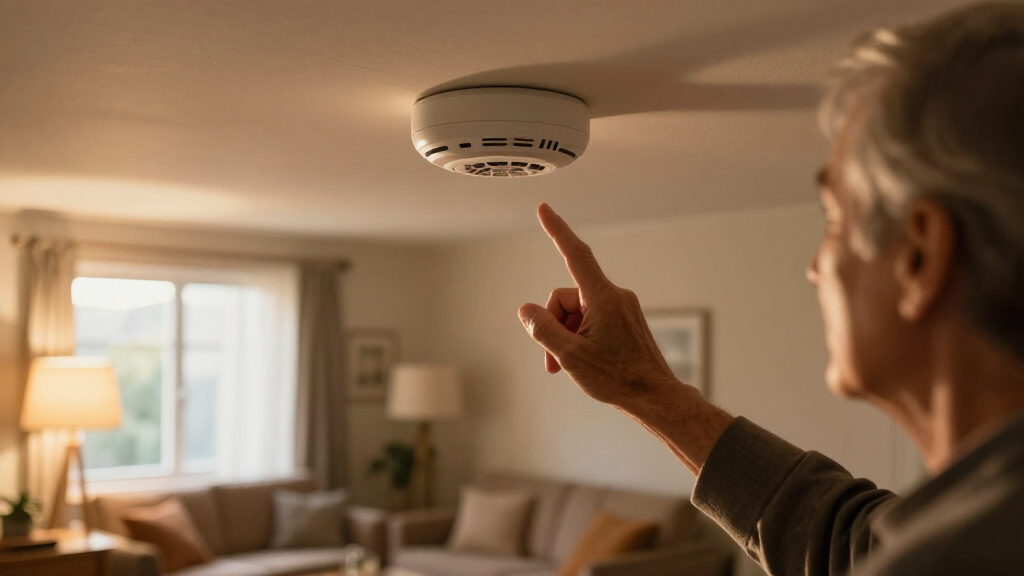
Install smoke alarms on every level, inside bedrooms, and outside sleeping areas—test monthly and replace every 10 years.
Maintain your chimney and heating equipment annually to prevent creosote fires and heating-related hazards.
Create a clear escape plan, practice regularly, and keep pathways unobstructed—your quick exit matters.
Consider modern safety upgrades like wireless alarms and fire-resistant modifications—these can buy you precious minutes in an emergency.
Simple Fire Safety Steps for an Older Home
Keep the creaky floors, cozy nooks and historic character—while reducing the hidden risks behind old walls. A few inspections, smart upgrades and practiced habits can make a vintage home dramatically safer.
Five moves with the biggest safety payoff
Begin with detection and known ignition sources. Then improve containment and escape. The goal is not to erase your home’s character—it is to buy more warning and more time.
Inspect aging wiring
Ask a licensed electrician to assess knob-and-tube, cloth-insulated or aluminum wiring, overloaded circuits, the panel and missing AFCI protection.
Close alarm gaps
Install alarms on every level, inside bedrooms and outside sleeping areas. Test monthly and interconnect units whenever possible.
Service heat sources
Arrange an annual chimney and heating inspection. Remove combustible clutter and use portable heaters only with a 3-foot clearance.
Plan two ways out
Identify two exits from every room, free painted-shut windows, clear narrow pathways and choose a permanent outdoor meeting point.
Slow hidden spread
During renovations, add approved fire-blocking in open wall cavities. Keep bedroom doors closed at night to help slow heat and smoke.
Control everyday sparks
Stay with cooking, charge devices on hard surfaces, replace damaged cables and keep an ABC extinguisher accessible.
Old wiring usually whispers before it sparks
Treat any heat, odor, buzzing or recurring power problem as a warning—not a charming quirk of an old house. Stop using the affected outlet or circuit and arrange a professional inspection.
Choose upgrades that fit an old house
Wireless technology can improve coverage without opening historic walls. Structural work is best coordinated with renovation so fire-blocking can be placed correctly.
| Safety measure | What it solves | Older-home fit | Timing |
|---|---|---|---|
| Wireless interconnected alarms | One alarm triggers alerts throughout the house. | ✓No new signal wiring required | Install now |
| Dual-sensor smoke alarms | Detects both flaming and smoldering fire patterns. | ✓Simple direct replacement | At alarm replacement |
| AFCI or dual-function protection | Detects dangerous arcing standard breakers may miss. | ~Panel compatibility must be checked | Electrician assessment |
| Balloon-frame fire-blocking | Slows fire moving through continuous wall cavities. | ~Best when cavities are exposed | During renovation |
| Residential sprinkler retrofit | Actively suppresses a developing fire. | ~Requires design and water review | Major renovation |
| Extension cords as permanent wiring | Creates overload, damage and heat risk. | ✗Never a safe long-term solution | Remove immediately |
Warm rooms without hot risks
Creosote is highly flammable, and portable heaters can ignite nearby furnishings. A little separation and routine maintenance prevent a cozy evening from becoming an emergency.
Keep anything combustible at least 3 feet away.
That includes curtains, bedding, upholstery, baskets, paper, clothing and the treasured quilt hanging over the chair.
Turn detection into a safe exit
Each link supports the next. Detection is only useful when the alert reaches everyone, pathways are usable and the household knows exactly where to go.
Practice before seconds count
Older layouts may include narrow stairs, single exits and painted-shut windows. A rehearsal exposes these problems while there is still time to fix them.
minutes may be all you have once an alarm sounds. Leave immediately—do not stop to collect belongings.
Two ways out
Mark a primary and backup exit from every occupied room.
Open the route
Remove clutter and confirm windows and doors work easily.
One outdoor point
Choose a tree, mailbox or neighbor’s porch away from danger.
Practice regularly
Include children, older adults, guests and anyone needing help.
Protect the charm, modernize the safety
The best retrofits are often nearly invisible. Coordinate upgrades with planned maintenance so safety work respects trim, plaster and historic details.
Wireless alarms
Battery-powered interconnection creates whole-home warning without cutting channels through old walls.
AFCI protection
Arc-fault protection can identify hazardous electrical arcing that a conventional breaker may not detect.
Fire-blocking
Approved barriers interrupt the open cavities of balloon framing and help slow floor-to-floor fire travel.
Fire sprinklers
A specialist can assess discreet retrofit routes, available water supply and any local incentives.
ABC extinguisher
Keep it accessible near—but not directly beside—the stove, where flames could block access.
Ember resistance
Consider ember-resistant vents, Class A roofing and defensible space where wildland fire is a concern.
A safety schedule you can remember
Small checks spread across the year are easier—and safer—than waiting for a warning sign or a major renovation.
Stay present
Watch cooking and portable heaters. Charge batteries on a hard, open surface.
Test alarms
Use the test button and confirm interconnected alarms sound throughout the home.
Clear hazards
Review exits, extension cords, heater zones and combustible storage.
Inspect + drill
Service chimney and heating systems, review wiring concerns and rehearse escape.
How to Spot Dangerous Wiring Before it Becomes a Fire Hazard
Older wiring systems like knob-and-tube or aluminum wiring carry a higher risk of causing fires. Look for flickering lights, discolored outlets, or a burning smell—these are signs your wiring might be tired or faulty. An electrician can do a quick inspection, and often, rewiring or upgrading your panel is the best move.
Understanding why this matters is crucial: outdated wiring isn’t just an inconvenience; it’s a ticking time bomb. Aluminum wiring, for example, can corrode over time, leading to loose connections that generate heat and sparks. Knob-and-tube wiring, while historically common, lacks grounding and can become brittle, increasing fire risk. The tradeoff is investing in rewiring or panel upgrades, which can be costly but significantly reduce the danger of electrical fires. Regular inspections help catch problems early, saving lives and property.
As an affiliate, we earn on qualifying purchases.
Easy Steps to Keep Your Chimney and Heating Equipment Safe
Heating equipment is a common fire starter in older homes, especially in winter. A yearly chimney inspection is your best bet. Creosote buildup in a wood-burning fireplace can ignite suddenly, so having it cleaned regularly makes all the difference.
When using space heaters, follow these simple rules:
- Keep at least 3 feet of clearance from anything combustible.
- Plug directly into wall outlets—never extension cords.
- Turn off before bed or when leaving the house.
Why this matters: creosote buildup is highly flammable and can ignite with minimal warning, leading to devastating fires. Regular cleaning removes this risk, but neglecting it can mean the difference between a cozy fire and a house fire. When it comes to space heaters, improper use—like overloading outlets or leaving them unattended—can cause overheating or electrical fires. The tradeoff is convenience versus safety: by following simple guidelines, you can enjoy warmth without risking your home’s safety. Regular maintenance of your chimney and cautious use of space heaters are investments in peace of mind.
home electrical wiring inspection kit
As an affiliate, we earn on qualifying purchases.
As an affiliate, we earn on qualifying purchases.
Why Your Smoke Alarms Are Your Best Fire Friends
Smoke alarms save lives, plain and simple. Installing them on every level, inside bedrooms, and outside sleeping areas should be non-negotiable. For older homes, replacing alarms every 10 years and choosing interconnected units can make all alarms sound if one detects smoke.
Why does this matter? Interconnected alarms ensure that a fire in one part of your home triggers alerts throughout, giving you more time to react. Dual-sensor alarms, which detect both flaming and smoldering fires, provide comprehensive coverage—crucial in older homes where electrical fires or smoldering materials might go unnoticed. Proper placement is key: alarms should be installed high on walls or ceilings, away from kitchens or bathrooms to avoid false alarms. Regular testing and timely replacement ensure they function when needed most. The tradeoff: investing in good alarms and maintenance can be the difference between escaping a fire or not.
chimney cleaning and maintenance tools
As an affiliate, we earn on qualifying purchases.
As an affiliate, we earn on qualifying purchases.
How to Make Your Old Home Fire-Resistant Without Losing Charm
Older homes with balloon framing have large open wall cavities that can turn a small fire into a house-wide inferno in minutes. Fire-blocking during renovations—like installing fire-resistant foam or drywall in these cavities—can slow or stop fire spread.
Why is this important? Balloon framing’s open cavities act like chimneys, allowing fire and smoke to rapidly travel between floors. Installing fire-resistant barriers creates a barrier to slow this spread, buying valuable time for evacuation and firefighting. For example, during a recent project, a homeowner added fire-resistant drywall to hidden wall spaces, giving extra time to escape. Remember, even narrow stairways, old windows, or single exits can complicate escape. Keep pathways clear and consider adding window bars or egress windows for quick exits. The tradeoff involves renovation costs, but the safety benefits often outweigh the expense, especially in homes with many occupants or elderly residents.
fire-resistant home upgrade products
As an affiliate, we earn on qualifying purchases.
As an affiliate, we earn on qualifying purchases.
Simple Habits for Kitchen and Daily Fire Safety
Unattended cooking is the top cause of home fires. Always stay in the kitchen when frying, boiling, or simmering. Keep a fire extinguisher nearby—preferably an ABC-rated one—and a fire blanket for quick response.
Why this matters: unattended cooking can lead to fires that spread rapidly, especially in homes with old wiring or flammable materials nearby. Having a fire extinguisher and blanket within reach means you can respond immediately, preventing a small incident from becoming a disaster. For example, I once forgot about a pot left simmering on the stove. Luckily, I had a fire blanket ready, and it was a quick, safe fix. Developing this habit reduces the risk of kitchen fires and ensures you’re prepared to act swiftly if needed. The tradeoff is maintaining vigilance—being attentive in the kitchen—versus the devastating consequences of a fire spreading unchecked.
Create and Practice Your Fire Escape Plan
Every room should have two ways out, and everyone in the house should know them. Practice your escape plan regularly—especially if your home has narrow stairways or only one exit. Decide on a safe meeting point outside, like a big oak tree or a neighbor’s porch.
Why is this vital? In an emergency, confusion and panic are common, especially in older homes with limited exits. Having a practiced plan helps everyone respond quickly, reducing injury and confusion. Drawing a map and rehearsing it can reveal potential hazards, like blocked pathways or narrow stairways, that need correction. For example, I once helped a neighbor draw a map of their house, marking exits and escape routes. Practicing that plan once a year turned out to be easy—and it could be life-saving. The tradeoff: time spent practicing saves lives when seconds count.
Upgrade with Smart Alarms and Fire Sprinklers (Yes, It’s Possible!)
Wireless, interconnected smoke alarms are a game-changer for old homes. They’re easy to install—no rewiring needed—and can alert you from any room. Some areas are even exploring retrofitting fire sprinklers, especially in historic homes, to provide active suppression if a fire starts.
Why consider this? Modern wireless alarms offer reliable, whole-house coverage, which is especially important in homes with thick walls or multiple floors. Fire sprinklers, while more invasive and costly, provide active suppression, potentially stopping fires before they spread. This can be crucial in older homes where escape routes are limited. For example, a local historic house added wireless alarms, which linked seamlessly without damaging walls. While sprinkler retrofits can be costly, some insurers offer discounts for these safety features. The tradeoff involves upfront costs versus long-term safety and potential insurance benefits—making these upgrades a smart investment for peace of mind.
Frequently Asked Questions
How do I know if my old wiring is dangerous, and when should I rewire?
Look for flickering lights, warm outlets, or a burning smell. An electrician can assess your wiring and recommend rewiring if it’s cloth-insulated, knob-and-tube, or aluminum wiring. Upgrading prevents potential fires and keeps your home safe.
Is knob-and-tube wiring a dealbreaker when buying an old house?
Knob-and-tube wiring is considered outdated and carries increased fire risk, especially if it’s still active. Many insurers require it to be replaced before providing coverage. Have a professional inspection before buying—sometimes rewiring is a worthwhile investment for safety and peace of mind.
Where should smoke alarms go in an older home with multiple floors, attics, and basements?
Place alarms on every level—especially inside and outside bedrooms. Install one in the basement and attic if accessible. Regularly test alarms and keep them at least 10 feet away from kitchens or bathrooms to avoid false alarms.
How often should I have my chimney inspected and cleaned?
Have your chimney inspected at least once a year, especially if you burn wood regularly. Annual cleaning removes creosote buildup, reducing the chance of chimney fires. Always burn seasoned hardwood for safer, cleaner fires.
Can I retrofit fire sprinklers in my historic home without damaging its character?
Yes, many historic homeowners opt for surface-mounted or concealed sprinkler systems that respect the home’s character. These options are less invasive and can provide active fire suppression, often with insurance discounts and safety benefits.
Conclusion
Fire safety in an older home isn’t about losing its character—it’s about respecting its age with smart, simple upgrades. Regular inspections, good habits, and modern alarms turn your cozy house into a fortress of safety. Keep it warm, keep it safe, and enjoy every moment in your beloved country home.
Remember, a little prevention today can save a lifetime of memories tomorrow. Stay vigilant, stay safe, and cherish the charm of your timeless home.
Fall Picks
fall essentials
As an affiliate, we earn on qualifying purchases.