
TL;DR

Turn quiet afternoons into listening time
- Thousands of audiobooks, podcasts and originals
- Listen on your phone, tablet or Echo — also offline
- Cancel anytime
Beginner woodworking projects should be small, simple, and useful. With basic tools and materials like pine or plywood, you can craft charming items in a few hours that add warmth and character to your home.
Nothing beats the glow of a cozy afternoon spent creating something with your own hands. Woodworking, especially for beginners, offers a gentle mix of craftsmanship and comfort. It’s about more than just making stuff — it’s about settling into a rhythm, enjoying the smell of fresh-cut wood, and seeing tangible progress.
If you’re craving a simple way to add a touch of country charm to your home or garden, these beginner projects are just the ticket. They’re small, forgiving, and perfect for a relaxed afternoon. Plus, they teach you foundational skills that open the door to bigger, more ambitious work down the line.
Choose small, practical projects that can be completed in 2-4 hours to build confidence.
Stick to straight cuts and simple joints like butt joints for ease and durability.
Use softwoods like pine or plywood, which are forgiving and inexpensive.
Invest in a few basic tools — a saw, drill, clamps, and sandpaper — to get started comfortably.
Finish with light sanding and a clear or painted coat to add beauty and protection.
Beginner Woodworking Projects for Cozy Afternoons
Small, simple, and useful — with basic tools and forgiving materials like pine or plywood, you can craft charming items in a few hours that add warmth and character to your home. Woodworking offers a gentle mix of craftsmanship and comfort: settling into a rhythm, enjoying the smell of fresh-cut wood, and seeing tangible progress.
Projects that are two to four hours long allow beginners to learn core skills without feeling overwhelmed — making woodworking both accessible and enjoyable.
Pick the Perfect First Project — Easy, Useful, and Fun
Think small, practical, and forgiving. A project that takes a couple of hours, uses simple cuts, and results in something you’ll actually use makes the process enjoyable and rewarding — and builds confidence for more ambitious work later.
Serving Tray
A simple wooden tray for breakfast in bed or afternoon tea. Straight cuts, a butt-joint frame, and handles — done in one sitting.
Herb Planter Box
A cozy box for your favorite herbs. Five boards, screws, and a coat of finish produce something alive and lovely on a windowsill.
Bookends & Small Shelf
Keep novels tidy with a set of bookends, or hang a basic rectangular shelf — assembled with just a saw, clamps, and a drill.
Candle Holder
A single pine board becomes a set of rustic candle holders with only drilling and sanding — the perfect first-hour success.
Picture Frame
Four mitered or butt-jointed corners, a little glue, and a clear coat — a charming frame that hides no complexity.
Blanket Ladder
Two rails and rungs, no joinery wizardry. Lean it against a wall and drape it with quilts for instant farmhouse warmth.
Keep It Simple — Straight Cuts and Basic Joints
Straight cuts and butt joints are the bread and butter of beginner woodworking. Think of it as assembling a puzzle — clear edges, matching corners, and a little glue go a long way. Follow the rhythm of a relaxed afternoon:
Measure & Mark
Measure twice, cut once. Use a square to mark cut lines clearly, and mark the waste side of each cut.
Cut Straight
Handsaw or circular saw — clean, straight cuts on rectangular components. No curves or dovetails needed.
Test-Fit & Assemble
Dry-fit every piece before glue or screws. Butt joints plus wood glue make sturdy, attractive pieces.
Finish Well
Sand progressively, then apply thin, even coats of paint or clear finish. Patience while drying pays off.
Choose Wood That’s Friendly to Beginners
Softwoods like pine, cedar, and poplar are light, easy to cut, and forgiving of mistakes. Plywood is stable and widely available — though exposed edges may need sanding or covering, which is great finishing practice.
| Material | Ease of Cutting | Cost | Best For | Watch Out For |
|---|---|---|---|---|
| Pine | ✓ Very easy | $ · Under $10/board | Candle holders, trays, frames | Soft — dents easily |
| Cedar | ✓ Easy | ~ Moderate | Planter boxes, outdoor items | Grain can splinter |
| Poplar | ✓ Easy | $ · Budget | Painted projects | Plain grain — paint it |
| Construction Lumber | ~ Manageable | $ · Cheapest | Blanket ladders, rustic shelves | May be warped — sort carefully |
| Plywood | ~ Manageable | $ · Affordable | Boxes, panels, organizers | Edges need sanding/covering |
| Hardwood (oak, maple) | ✗ Hard on tools | $$$ · Pricey | Later, ambitious projects | Tough to cut for beginners |
Tools That Make Woodworking Feel Doable
You don’t need a full workshop. Hand tools like a handsaw and manual clamps keep things quiet and simple — perfect for a peaceful afternoon at home, and ideal for learning technique and safety first.
Handsaw / Circular Saw
For straight cuts. Compact cordless saws have made small-space woodworking more accessible than ever.
Drill / Driver
For making holes and driving screws — the workhorse of simple butt-joint assembly.
Tape Measure & Square
The backbone of good woodworking. Double-check every dimension and mark cut lines clearly.
Clamps
Secure workpieces for safety and hold glued joints tight while they cure.
Sandpaper & Block
Progressive grits smooth edges and prepare surfaces. Treat sanding as part of construction, not cleanup.
Pencil & Safety Gear
Clear marks prevent mistakes; eye protection and dust control keep cozy afternoons safe ones.
Finish with Love — Sand, Paint, or Clear Coat
Finishing is the final touch that makes a project look polished and inviting. Sand progressively without rounding edges, then choose paint (hides imperfections) or a clear coat (highlights natural grain). Water-based polyurethane dries quickly with less odor — perfect indoors.
Five Takeaways for Your First Cozy Build
Go small and practical. Choose projects you can complete in 2–4 hours to build real confidence.
Keep joints simple. Straight cuts and butt joints are durable, forgiving, and foundation skills.
Use softwoods. Pine or plywood are inexpensive, stable, and forgiving of beginner mistakes.
Start with a basic kit. A saw, drill, clamps, and sandpaper handle most small projects comfortably.
Finish with care. Light sanding plus a clear or painted coat adds beauty, protection, and personal character — thin, even coats yield the best results.
Frequently Asked Questions
What is the easiest project for a complete beginner?
A simple rectangular shelf, small tray, or set of bookends are excellent first projects. They’re straightforward, use basic tools, and produce something useful right away.
Can I finish a project in one afternoon?
Yes — most assembly can be done in a few hours. However, drying and curing of glue or finishes might take longer. Water-based finishes and quick-drying glue help keep timelines short.
Do I need power tools to start?
No. Hand tools keep things quiet and slow-paced, and they help you develop precise measuring, safe handling, and control over your cuts before adding speed later.
Pick the Perfect First Project — Easy, Useful, and Fun
The key to a satisfying beginner woodworking project is choosing something manageable. Think small, practical, and forgiving. A project that takes a couple of hours, uses simple cuts, and results in something you’ll actually use makes the process enjoyable and rewarding.
Take a moment to imagine a simple wooden tray for breakfast in bed, a cozy planter box for your favorite herbs, or a set of bookends to keep your favorite novels tidy. These projects are straightforward, don’t demand complex joinery, and give you a real sense of accomplishment.
Most good first projects share some traits:
- Small size, easy to handle
- Useful in everyday life
- Fewer parts to assemble
- Minimal tools needed
Choosing projects with these traits means you’ll be more likely to complete them successfully. They help build your confidence by providing tangible results without overwhelming you with complex techniques. This approach also allows you to learn essential skills like measuring, cutting, and finishing in a low-pressure setting, which are critical building blocks for more advanced projects later on.
As an affiliate, we earn on qualifying purchases.
Keep It Simple — Straight Cuts and Basic Joints Are Your Friends
When starting out, stick to straight cuts and simple joints. These are the bread and butter of beginner woodworking. For example, a basic rectangular shelf can be assembled with just a saw, clamps, and a drill. No fancy curves or dovetails needed.
Using straight cuts and butt joints, you can build sturdy, attractive pieces without complex tools. Think of it as assembling a puzzle — clear edges, matching corners, and a little glue go a long way.
Mastering these simple techniques is crucial because they form the foundation for all future woodworking skills. They teach you patience, precision, and the importance of proper measurements. As you become more comfortable, you can gradually explore more complex joints and curves, but starting with basic cuts and joints ensures your projects remain forgiving and achievable, reducing frustration and encouraging continued learning.
As an affiliate, we earn on qualifying purchases.
Choose Wood That’s Friendly to Beginners
Some woods are more beginner-friendly than others. Softwoods like pine, cedar, and poplar are light, easy to cut, and forgiving if you make mistakes. Pine, in particular, is affordable and comes in manageable sizes.
For example, a small pine board can be bought at your local hardware store for less than $10. It’s perfect for a simple wooden candle holder or a picture frame.
Construction lumber and plywood are also great options. They’re stable, widely available, and easy to work with. Plywood, for instance, provides a smooth surface and stable panels that are less prone to warping or splitting when cut or drilled. Keep in mind, however, that plywood edges often need a bit of sanding or covering to look finished, which is a good opportunity to practice finishing skills. Choosing the right wood balances ease of working with durability and appearance, ensuring your projects are both enjoyable to create and beautiful to display.
As an affiliate, we earn on qualifying purchases.
Tools That Make Woodworking Feel Doable
You don’t need a full workshop to start woodworking. A few basic, well-chosen tools can handle most beginner projects. Think of these as your trusted companions for cozy afternoons.
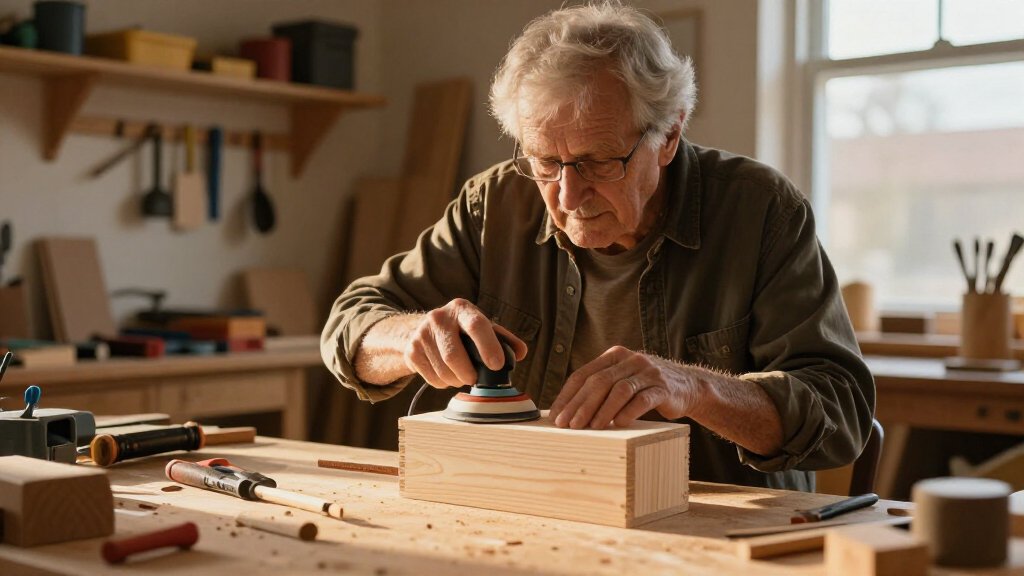
Start with a handsaw or circular saw for cutting, a drill/driver for making holes and driving screws, and sanding blocks or a small orbital sander for smooth finishes. A tape measure, square, clamps, and pencils round out the essential kit.
Using hand tools like a handsaw and manual clamps keeps things quiet and simple, perfect for a peaceful afternoon at home. These tools also help you develop fundamental skills such as precise measuring, safe handling, and control over your cuts. While power tools can speed up the process, starting with manual tools allows you to focus on technique and safety, building a solid foundation for more complex projects in the future. Investing in quality, beginner-friendly tools can make your woodworking experience more enjoyable and less frustrating, encouraging you to keep creating and learning.
easy woodworking projects for beginners
As an affiliate, we earn on qualifying purchases.
As an affiliate, we earn on qualifying purchases.
Measure Twice, Cut Once — The Secret to Perfect Fit
Precise measuring is the backbone of good woodworking. For a cozy afternoon project, take your time. Measure twice, cut once. It sounds simple, but it’s the key to fitting pieces together smoothly.
For example, when making a small shelf, double-check your measurements for the length and width of each board before cutting. Use a square to mark your cut lines clearly. Testing the fit of your pieces before gluing or screwing everything together ensures everything aligns properly. This extra step might seem small, but it prevents errors that can compromise the stability and appearance of your project. Accurate measurements also mean less waste and rework, saving you time and materials, and giving you confidence that your project will turn out just right. Developing a habit of measuring twice reinforces precision and patience, which are essential skills in woodworking.
Finish with Love — Sand, Paint, or Clear Coat
Finishing is the final touch that makes your project look polished and inviting. Sanding smooths out rough edges and minor imperfections. Start with 80 grit, then move to 120 and 180 for a silky surface.
For a cozy, country look, a simple coat of clear finish highlights the wood’s natural grain. Water-based polyurethane dries quickly and has less odor, making it perfect for indoor projects. Proper finishing not only enhances the visual appeal but also protects your work from moisture, scratches, and everyday wear. It’s an opportunity to personalize your project—adding color with paint or stain can give it character, but always remember that thin, even coats yield the best results. Patience during drying ensures a durable, beautiful finish that will last for years. Taking time to finish well is a small investment that pays off in the longevity and charm of your handmade item.
Frequently Asked Questions
What is the easiest woodworking project for a complete beginner?
A simple rectangular shelf, small tray, or set of bookends are excellent first projects. They’re straightforward, use basic tools, and produce something useful right away.
Can I finish a project in one afternoon?
Yes, most assembly can be done in a few hours. However, drying and curing of glue or finishes might take longer. Water-based finishes and quick-drying glue help keep the project feeling cozy and quick.
Do I need power tools to start woodworking?
No. Many beginner projects can be completed with a handsaw, drill, and clamps. Power tools speed things up but aren’t essential for small, simple pieces.
What tools should I buy first?
A measuring tape, square, clamps, a drill/driver, and a handsaw are perfect starting points. These will handle most beginner projects comfortably.
What’s the best wood for beginners?
Pine and poplar are popular choices because they’re soft, easy to cut, and inexpensive. Plywood also works well for stable panels and boxes.
Conclusion
Woodworking for beginners is about embracing simplicity and enjoying the process. A small, well-made project can fill your cozy afternoons with satisfaction and country charm. Remember, every cut, sand, and screw is a step toward a new skill and a more beautiful home.
So gather your tools, pick a project that sparks joy, and settle into a peaceful afternoon of creation. Your next cozy corner or gift is just a few cuts away.
Halloween Picks
halloween
As an affiliate, we earn on qualifying purchases.