
TL;DR

Get comfort and care essentials delivered free — and shop member deals
- Fast, free delivery on millions of items
- Access to Prime Big Deal Days deals on October 6–7
- Prime Video, Amazon Music and more included
Feeding birds is about more than just hanging a feeder. Using the right types of feeders and adjusting your approach with the seasons keeps your feathered friends thriving. Regular cleaning, offering varied foods, and providing fresh water make a real difference.
Imagine the cheerful chirping and fluttering wings right outside your window. A simple feeder can turn your backyard into a bustling bird sanctuary, especially when you know the best tricks for each season. Whether you’re a seasoned bird watcher or just starting, understanding what to feed and how to do it right makes all the difference.
In this guide, you’ll learn how to choose the right feeders, what foods attract different species, and how to keep your feathered visitors safe and well-fed all year. It’s easier than you think. Let’s turn your country yard into a lively, welcoming habitat for birds.
Choosing the right feeder type for your bird visitors makes a big difference in how many you attract.
Variety in food — from seeds to suet to nectar — keeps different species coming back all year.
Regular cleaning and water provision are as important as the food itself for healthy birds.
Adjust your feeding approach with the seasons to support birds’ changing needs.
Native plants and eco-friendly practices create a more sustainable, welcoming habitat.
Feeding the Birds: Simple Feeders and Seasonal Tips
A feeder is only the beginning. Match feeder, food and season—then add clean water, regular maintenance and native plants—to turn a country yard into a lively, resilient bird sanctuary.
The right feeder opens the right door
Different feeding designs control access, protect food and suit different body sizes. Build a small feeder mix instead of expecting one station to serve every visitor.
Tube feeder
Keeps seed relatively dry and limits waste through compact feeding ports.
Platform feeder
A broad landing surface welcomes larger birds but needs shelter and frequent cleaning.
Hopper feeder
Stores more seed and dispenses it gradually for a mixed neighborhood of species.
Suet feeder
Holds dense fat cakes that supply concentrated energy when natural food is scarce.
Nectar feeder
Serves sugar-water to nectar specialists; freshness and spotless ports are essential.
| Feeder | Seed protection | Capacity | Bird range | Best season |
|---|---|---|---|---|
| Tube | ✓Strong | Medium | Small songbirds | Year-round |
| Platform | ~Weather exposed | Medium | Large and small | Dry periods |
| Hopper | ✓Strong | High | Broad variety | Year-round |
| Suet | ✓Contained | Low | Clinging birds | Winter |
| Nectar | ~Frequent refresh | Low | Nectar feeders | Spring–fall |
Four seasons, four changing needs
Energy, protein and hydration needs shift through survival, nesting, rearing and migration. Adjust the menu instead of simply refilling the same mix.
Concentrate energy
Prioritize suet and black oil sunflower seed. Clear snow and ice from ports and keep water unfrozen.
Support nesting
Add mealworms, fruit and clean nectar. Choose quality mixes with fewer low-value fillers.
Protect freshness
Refresh water often, remove spoiled food quickly and clean nectar feeders more frequently in heat.
Fuel migration
Offer calorie-rich seeds, suet and nectar to help travelers replenish energy for long journeys.
Balance energy, protein and hydration
A varied feeding station reduces competition and serves more dietary niches. The relative scores below are a practical guide to broad backyard appeal—not laboratory nutrient measurements.
Relative backyard appeal
Practical index / variety + seasonal usefulness
Energy
Sunflower seed and suet help birds stay warm and sustain migration.
Protein
Mealworms are especially useful during nesting and chick development.
Variety
Nyjer, fruit and berries invite specialist feeders beyond seed-loving birds.
Hydration
Clean water supports drinking and bathing in every season, including winter.
Clean feeders bring healthy birds back
Crowded feeding points can concentrate mold, bacteria and disease. A simple maintenance rhythm protects visitors and makes changes in activity easier to spot.
Sheltered placement
Choose a visible, accessible location with nearby cover but no easy ambush point for cats.
Pest control
Use baffles or purpose-built resistant feeders to reduce squirrels and spilled seed.
Fresh water
Replace water regularly, scrub the basin and prevent ice from blocking winter access.
Pause when needed
If sick birds appear, remove and clean feeders and follow current local wildlife guidance.
From feeder to living sanctuary
The strongest backyard habitat combines supplemental feeding with natural food, shelter and water. Each improvement supports the next.
Plant native
Add local berry, seed and insect-supporting plants.
Offer variety
Combine seed, suet, fruit, nectar and protein sources.
Add water
Maintain a shallow, clean and dependable water source.
Reduce waste
Choose durable recycled or biodegradable materials.
Skip pesticides
Protect the insects and plants birds naturally depend on.
Which bird feeders attract the most backyard visitors?
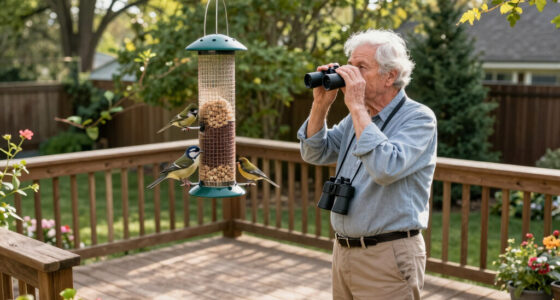
Choosing the right feeder depends on the birds you want to see. Tube feeders are perfect for finches and chickadees, while platform feeders attract jays and woodpeckers. Hopper feeders hold large seed quantities, drawing a variety of species.
For example, if your yard is home to many small songbirds, a tube feeder filled with black oil sunflower seeds is a sure hit. Want bigger birds? A sturdy platform feeder with mixed seeds works best. Here’s a quick comparison:
| Feeder Type | Best For | Advantages |
|---|---|---|
| Tube Feeders | Small songbirds | Keeps seed clean, less waste |
| Platform Feeders | Larger birds | Easy access, accommodates big birds |
| Hopper Feeders | Various species | Holds large seed amounts |
| Suet Feeders | Winter birds | High energy, great for cold months |
Understanding these differences helps you tailor your feeding station to the birds in your yard, which can influence their health, behavior, and even their migration patterns. For instance, offering high-energy foods like suet during winter supports survival when natural food sources are scarce. Conversely, providing a variety of seeds and fresh fruits in warmer months encourages a broader diversity of species, helping maintain a balanced ecosystem right outside your window.
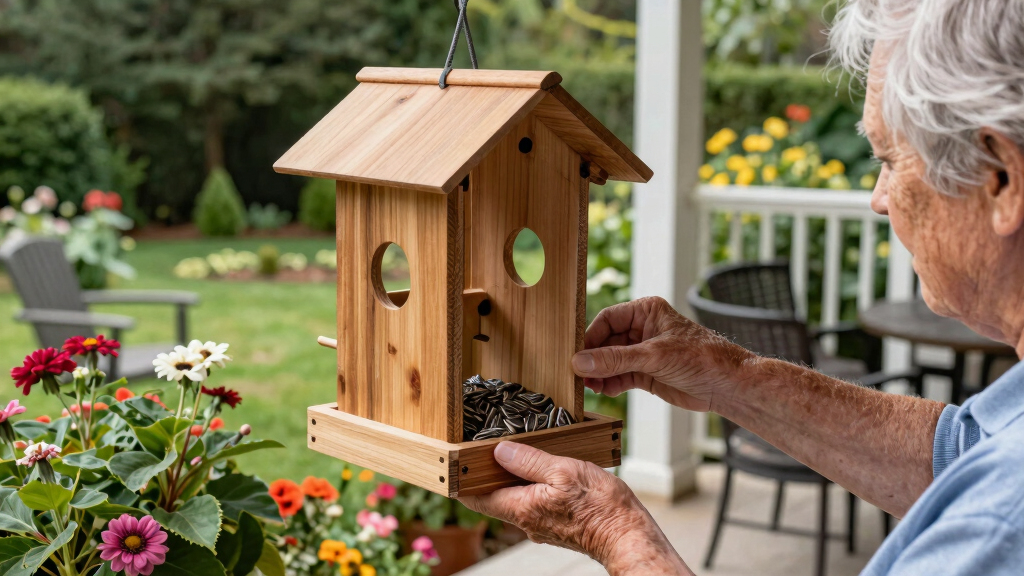
bird feeder for year-round feeding
As an affiliate, we earn on qualifying purchases.
As an affiliate, we earn on qualifying purchases.
What foods should I fill my feeders with for year-round appeal?
Bird food varies with the season. For year-round feeding, black oil sunflower seeds are a favorite — rich in fat and packed with nutrients, making them essential for energy and survival, especially during cold months. Suet cakes provide instant energy during winter’s cold mornings, especially for woodpeckers and nuthatches, but they also help birds maintain body heat when natural food is limited. During spring and summer, birds shift their focus to breeding and rearing young, so offering less filler-heavy mixes and adding dried fruits or mealworms can attract insectivorous and fruit-eating species, supporting their nutritional needs during critical life stages.
It’s important to understand why these food choices matter. For instance, high-fat foods like sunflower seeds and suet provide concentrated energy that helps birds survive the cold and long migration journeys. Offering a variety of foods during different seasons also reduces competition and stress among species, as they have access to what they need most at the right time. For example, providing dried fruits and mealworms in spring supports insectivorous birds during nesting when natural insect populations are still developing. Similarly, nectar for hummingbirds during migration offers a vital energy boost that can determine their success in reaching breeding grounds. By understanding these nutritional needs and tradeoffs, you can create a feeding strategy that balances energy, protein, and hydration, ultimately supporting a resilient, thriving bird community in your yard.
- Black oil sunflower seeds
- Suet blocks
- Nyjer (thistle) seeds
- Mealworms
- Fresh or dried fruits
- Sugar-water nectar
Choosing foods with nutritional value suited to each season ensures that your feathered visitors get what they need during periods of high activity like migration or nesting, ultimately supporting their health and longevity. Providing a well-rounded diet reduces the risk of malnutrition and helps birds cope with environmental stresses, making your yard a true sanctuary.
As an affiliate, we earn on qualifying purchases.
How to keep your bird feeders safe, clean, and inviting?
Bird feeders need regular attention to stay safe and healthy for your feathered friends. Dirty feeders can spread disease, so cleaning is key. Every two weeks, scrub with hot water and a brush, avoiding soap that might leave harmful residues. This routine helps eliminate bacteria, mold, and residual seed debris that can cause illness. Place feeders in sheltered spots away from predators like cats and squirrels, and use baffles or squirrel-proof feeders to prevent unwanted visits that can scare or harm your birds. During cold months, keep ice from blocking the feeding ports, and always provide fresh water alongside food, as natural sources freeze over or become scarce. This consistent care ensures your feeders remain a safe haven, encouraging birds to visit regularly and reducing the risk of disease transmission. For example, a friend of Huckfarm noticed a sudden drop in visitations—turns out her feeders were coated in mold. A simple cleaning restored the activity and kept her birds safe, demonstrating how maintenance directly impacts bird health and your enjoyment.
As an affiliate, we earn on qualifying purchases.
Why seasons change the way you feed birds — and what to do about it
Seasons heavily influence bird diets and behavior. In winter, birds burn more calories trying to stay warm, so they need calorie-dense foods like suet and sunflower seeds. Migrating species arrive in fall, hungry and eager for high-energy snacks, which help sustain them during long journeys. During spring, birds focus on nesting and may prefer protein-rich foods like mealworms or fresh berries, supporting reproductive health and chick development. Summer sees a lull in feeding activity as many birds raise their young, but providing fresh water and maintaining clean feeders encourages continued visitation. Recognizing these seasonal shifts allows you to adjust your feeding strategies effectively, ensuring birds get the right nutrition at the right time, which is crucial for their survival and reproductive success. For example, in late fall, adding a suet feeder can boost survival rates for chickadees, which are busy preparing for winter. Adjusting your feeding habits with the seasons transforms your yard into a dynamic sanctuary that supports birds throughout their life cycle, fostering resilience and ecological balance.
As an affiliate, we earn on qualifying purchases.
5 simple steps to make your bird feeding more effective and eco-friendly
- Use native plants around your yard to attract natural food sources. Native plants produce berries, seeds, and insects that local birds rely on, reducing the need for supplemental feeding and supporting biodiversity. This approach matters because it creates a sustainable ecosystem that naturally sustains bird populations, reducing dependence on human-provided food and fostering resilience.
- Choose biodegradable or recycled feeders and seed mixes. This reduces plastic waste and minimizes environmental impact, aligning your hobby with sustainable practices. By making eco-conscious choices, you help lessen pollution and support conservation efforts, ensuring that your bird-watching hobby remains environmentally responsible.
- Clean feeders every two weeks to prevent disease. Regular sanitation removes mold, bacteria, and residual debris, protecting bird health and ensuring your feeding station remains inviting. Proper maintenance not only keeps your birds safe but also prolongs the life of your equipment and reduces the risk of disease outbreaks that can decimate local populations.
- Offer water in addition to food, especially in winter. Providing fresh, unfrozen water helps birds hydrate and find essential minerals, supporting their overall health during harsh weather. Hydration is often overlooked but is critical for survival, especially when natural water sources are frozen or scarce, making your yard a crucial refuge.
- Adjust your feeding strategy based on the season and bird activity. Tailoring your offerings to the needs of the birds at different times of the year maximizes their benefits and your enjoyment. This flexibility ensures that you’re supporting the right nutritional needs at the right time, fostering a healthy, diverse bird community.
Following these steps boosts bird health, supports local ecosystems, and creates a more vibrant backyard. For instance, planting native berries attracts berries-eating thrushes naturally, reducing dependence on feeders, while eco-friendly materials lessen your environmental footprint, making your bird-watching more sustainable and rewarding.
Frequently Asked Questions
What is the best type of feeder to attract small songbirds?
A tube feeder filled with black oil sunflower seeds is ideal for small songbirds like finches and chickadees. These feeders keep the seed dry and accessible, encouraging more visits from tiny, lively birds.
How often should I clean my bird feeders during peak season?
Clean your feeders every two weeks during busy feeding times. This prevents mold and disease, keeping your visitors healthy and happy. In winter, more frequent cleaning may be necessary if mold or ice buildup occurs.
What foods are safe for a variety of birds but avoid causing harm?
Stick with unsalted sunflower seeds, dried fruits, mealworms, and nectar. Avoid bread, processed snacks, or anything salted or sugary, which can harm birds or attract pests.
How can I keep squirrels away from my feeders?
Squirrel-proof feeders, baffles, and placing feeders away from trees help. Squirrels are clever, but with the right setup, you can enjoy watching your birds without sharing your seeds.
When is the best time to start feeding birds in my area?
Start in early fall, before cold weather hits, to help birds prepare for winter. Keep feeding through late winter into spring, especially during migration periods for the best results.
Conclusion
Feeding birds is a simple joy that brings your country yard alive. By choosing the right feeders, offering seasonal favorites, and maintaining a clean, safe environment, you turn your outdoor space into a lively sanctuary.
Remember, a few thoughtful adjustments make all the difference. Your backyard can become a vibrant hub of life — a place where birds thrive and your connection to nature deepens with every visit.
Fall Picks
fall essentials
As an affiliate, we earn on qualifying purchases.