
TL;DR

Turn quiet afternoons into listening time
- Thousands of audiobooks, podcasts and originals
- Listen on your phone, tablet or Echo — also offline
- Cancel anytime
Gentle gardening clubs focus on accessibility, shared learning, and community. They use simple, inclusive practices to create welcoming outdoor spaces that boost well-being and connection for older adults.
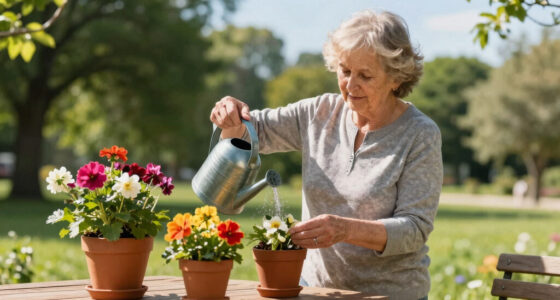
Imagine sinking your hands into warm soil, surrounded by friends who share your love for simple, peaceful moments outdoors. That’s the heart of gentle gardening clubs — spaces where older adults can enjoy the tactile pleasure of gardening without pressure or competition.
These clubs are about more than just plants; they’re about connection, well-being, and creating a welcoming environment for everyone. Whether you have a small balcony or a patch of neglected land, you can build a community that nurtures both plants and people.
Start small and focus on accessible, low-pressure activities like seed swaps or container gardening.
Design gardens with wide paths, raised beds, and comfortable seating to include everyone.
Build community through shared projects, demonstrations, and intergenerational activities.
Plan for flexibility, especially around workload, weather, and differing abilities.
Use local resources, donations, and simple rules to keep the group sustainable and welcoming.
Gentle Gardening Clubs and Community Ideas
Grow connection, not pressure. Gentle gardening creates accessible outdoor experiences where older adults can plant, learn, rest, talk, and belong—without competition or expectations of a perfect harvest.
Well-being, shared learning, and enjoyment guide every decision.
Try a seed swap, container workshop, or monthly garden visit.
Short sessions and varied roles make participation easier.
Make every kind of participation count
Gentle gardening is an informal, low-pressure approach—not a formally defined horticultural movement. It prioritizes accessible design, emotional ease, environmental care, and social connection.
Remove physical barriers
Use level paths, thoughtfully sized raised beds, seating, vertical planters, lightweight tools, and shorter sessions.
Create restorative routines
Offer gentle movement, sensory interest, fresh air, regular contact, and quiet moments—without promising medical outcomes.
Welcome every contribution
Planting, chatting, labeling seeds, taking photographs, making tea, or simply observing wildlife can all be valued roles.
Share knowledge informally
Seed swaps, demonstrations, plant walks, and seasonal workshops allow beginners and experienced growers to learn together.
Garden with the local ecology
Consider peat-free compost, suitable native plants, mulch, rainwater collection, habitat features, and reduced pesticide use.
Match ambition to capacity
Plan the garden around available time, mobility, funds, water, storage, and reliable long-term support.
Comfort is essential infrastructure
A raised bed alone does not guarantee access. Height, reach, surface quality, wheelchair clearance, shade, rest points, and tool weight work together as one system.
Design priority profile
A practical emphasis guide for a welcoming club. Bars show relative planning priority, not measured outcomes.
The intentional tradeoff: an accessible garden may produce less than an intensive plot, while creating far more opportunities for participation and connection.
Activities with a low barrier to entry
Choose projects that offer conversation, purpose, and multiple roles. Mix communal activities with personal choices so members can join at their own pace.
Seed and seedling swaps
Pair plant sharing with stories, growing tips, and cultural traditions.
Container workshops
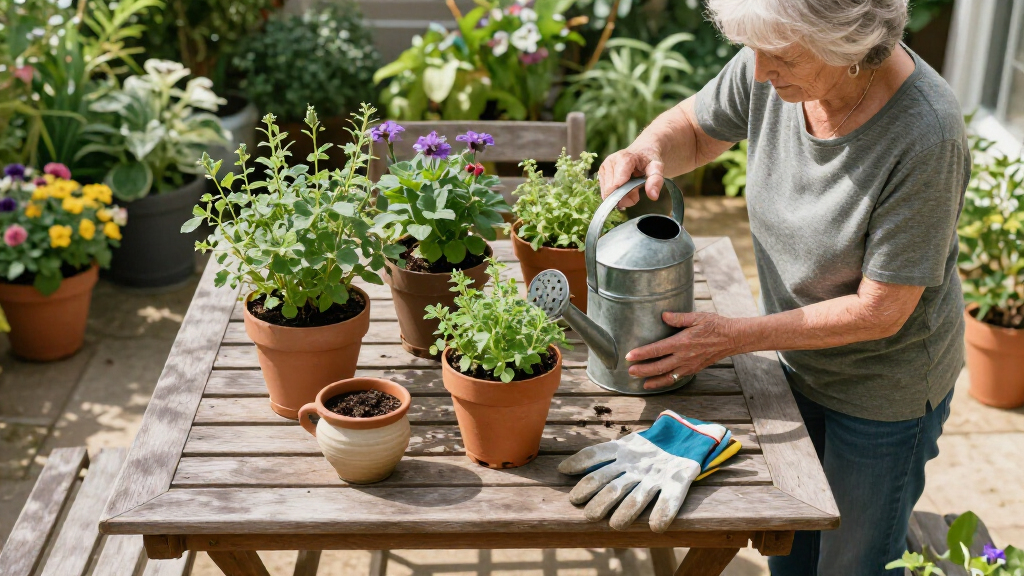
Use balconies, courtyards, tables, and portable planters.
Pollinator patches
Plant diverse, locally suitable flowers and avoid pesticides.
Communal herb beds
Create a simple “take what you need” harvest system.
Seasonal demonstrations
Offer short pruning, sowing, composting, or tool-care sessions.
Intergenerational days
Connect schools, families, retirement communities, and growers.
Garden visits
Plan accessible routes, transport, shade, toilets, and rest stops.
Digital seed library
Use shared calendars and messaging to support in-person meetings.
| Club format | Permanent space | Mobility flexibility | Social contact | Maintenance load |
|---|---|---|---|---|
| Seed-and-knowledge exchange | ✓ Not needed | ✓ Very flexible | ✓ Strong | ✓ Low |
| Container gardening group | ✓ Small area | ✓ Flexible | ✓ Strong | ~ Moderate |
| Monthly garden visits | ✓ Not needed | ~ Site dependent | ✓ Strong | ✓ Low |
| Communal raised beds | ✗ Required | ✓ Good when designed well | ✓ Very strong | ~ Shared commitment |
| Individual plots | ✗ Required | ~ Variable | ~ Optional | ✗ Higher |
Build slowly, then adapt
Clarity and consistency keep a volunteer-led club welcoming. Review the workload regularly as membership, seasons, and abilities change.
Know your members
Ask about interests, abilities, access needs, energy, and preferred activities.
Choose one activity
Begin with a seed swap, short planting session, or container project.
Find a welcoming place
Look for easy routes, seating, shade, shelter, and accessible toilets.
Agree on the purpose
Keep rules simple and clarify how decisions and harvests are shared.
Offer varied roles
Include watering, labeling, snacks, photographs, hosting, and observation.
Set a modest budget
Seek donated plants, tools, containers, compost, or use of a local space.
Plan for interruptions
Cover watering, storage, heat, rain, holidays, and volunteer shortages.
Review and adjust
Revisit access, safety, workload, costs, and member enjoyment regularly.
Small choices create a stronger community
The value grows through a connected sequence: accessible details make participation easier, repeated participation builds trust, and trust supports lasting shared care.
What Exactly Is Gentle Gardening? Why It Matters for Older Adults
Gentle gardening is all about creating a low-stress, accessible outdoor space. It emphasizes the importance of well-being, environmental stewardship, and social connection over perfection or high yields. By focusing on these aspects, it recognizes that gardening can be a therapeutic activity that promotes mental health and emotional resilience, especially for older adults who may face physical or cognitive challenges.
Choosing simple, accessible features like raised beds and wide paths is not just about convenience; it’s about removing barriers that might discourage participation. This inclusive approach ensures that everyone, regardless of mobility or strength, can enjoy the benefits of gardening. The tradeoff, however, is that such spaces may yield fewer vegetables or flowers compared to traditional, intensive gardens, but the emphasis on accessibility and social interaction often yields far greater benefits in terms of community and mental health.
Instead of competition or perfection, gentle gardening encourages storytelling, seed sharing, and mindful observation. For example, a small group might meet monthly to plant native flowers or share tips for container gardening, which fosters a sense of belonging and shared purpose. This approach underscores that the true value lies in the experience and connection, not just the harvest.
As an affiliate, we earn on qualifying purchases.
Designing a Comfortable, Inclusive Garden Space
Creating an accessible garden involves thoughtful design choices that prioritize ease of use and sensory engagement. Raised beds at appropriate heights reduce the strain of bending and reaching, making gardening more inclusive for those with joint pain or mobility issues. Wide, level pathways facilitate movement for wheelchairs and walkers, reducing the risk of accidents and making the space welcoming for all users.
In addition to physical accessibility, sensory elements play a crucial role in creating a calming environment. Bright colors can stimulate visual interest, fragrant plants like lavender or mint engage the sense of smell, and textured leaves provide tactile variety. These features are not just decorative; they serve as therapeutic tools that can enhance mood and reduce stress, especially for those with sensory processing challenges or cognitive decline.
While these design features improve inclusivity, they also require careful planning to balance aesthetics, durability, and cost. For instance, lightweight, ergonomic tools promote participation without fatigue. The tradeoff might be that such modifications require an initial investment, but the long-term benefit is a space that encourages ongoing participation and joy for everyone involved.
accessible container gardening kit
As an affiliate, we earn on qualifying purchases.
As an affiliate, we earn on qualifying purchases.
Community Ideas That Bring People Together in the Garden
Community projects thrive when they foster shared joy, learning, and a sense of purpose. These activities can deepen connections, promote intergenerational bonds, and cultivate a sense of collective achievement. For example, seed and seedling swaps are more than just exchanges; they create opportunities for storytelling, cultural sharing, and learning about different plant traditions, enriching the community’s horticultural knowledge.
Weekly garden sessions and workshops encourage regular social contact, which is vital for mental health and combating loneliness. Container-gardening workshops, in particular, offer accessible entry points for those with limited space or mobility, emphasizing that everyone can participate regardless of their circumstances. Building accessible raised beds together not only provides physical benefits but also fosters teamwork and shared responsibility.
Pollinator projects—such as planting native flowers—serve an ecological purpose while also educating participants about environmental stewardship. Sharing fresh herbs through herb beds with a communal harvest can promote healthy eating and culinary exploration. Seasonal pruning demos and garden visits with rest stops are designed to be inclusive, ensuring that everyone can engage at their comfort level. Intergenerational activities, like children-and-grandparents planting days, reinforce community bonds across ages, enriching the social fabric.
These activities, when combined thoughtfully, create a lively, supportive atmosphere where participants feel valued and connected. The deeper implication is that gardening becomes a vehicle for community resilience, mental health, and environmental awareness—benefits that far exceed the act of planting alone.
As an affiliate, we earn on qualifying purchases.
How to Start Your Own Gentle Gardening Club in 8 Easy Steps
- Identify your target members — consider their abilities, interests, and what makes participation easy and fun. Understanding their needs helps tailor activities that are engaging and accessible, fostering sustained involvement and a sense of belonging.
- Start small with one activity, like a seed swap or a simple planting session. This minimizes overwhelm and allows the group to build confidence and momentum gradually.
- Choose a welcoming, accessible meeting spot — think shade, seating, and easy paths. A comfortable environment encourages participation and reduces barriers related to weather or physical limitations.
- Agree on a clear purpose and simple participation rules to keep everyone comfortable. Clarity fosters trust and ensures that newcomers feel welcome and know what to expect.
- Assign roles based on interests — from watering and planting to organizing snacks or taking photos. Shared responsibilities promote engagement and a sense of ownership within the group.
- Set a modest budget and seek donations of plants, tools, or space support. This approach makes the project financially sustainable and accessible, especially for volunteer-led groups.
- Plan for regular watering, storage, weather changes, and periods when volunteers are scarce. Flexibility in planning ensures continuity despite unpredictable circumstances.
- Review accessibility and workload regularly, adjusting as your group grows or changes. Being adaptable helps maintain enthusiasm and inclusivity over time.
Patience and flexibility are your best tools. A small, consistent effort builds a thriving, inclusive community garden over time, fostering connections that can last for years and supporting the well-being of all involved.
As an affiliate, we earn on qualifying purchases.
Common Questions About Gentle Gardening and Community Groups
What does “gentle gardening” really mean? It’s gardening that’s low-pressure, accessible, and focused on well-being, not perfection. This approach recognizes that gardening is as much about mental and emotional health as it is about cultivating plants. By emphasizing enjoyment and mindfulness, it helps reduce stress, boost mood, and foster a sense of achievement without the pressure of perfect results. The implication is that everyone can participate and benefit, regardless of skill level or physical ability, which broadens the reach and impact of these groups.
Do I need gardening experience to join? Not at all. These groups welcome all levels, from total beginners to seasoned gardeners. The focus is on shared learning and enjoyment, so activities are often simple and hands-on, emphasizing participation over expertise. This inclusive approach helps to build confidence and community, making gardening accessible for all.
Can I participate if I have limited mobility or chronic pain? Yes. By choosing raised beds, lightweight tools, and planning for rest stops, you can engage in gardening comfortably and safely. This flexibility ensures that physical limitations don’t exclude participation, and it encourages adaptations that benefit everyone, including those with temporary injuries or health conditions. The tradeoff is that some activities might be scaled back or adapted, but the overall goal remains inclusivity and well-being.
How long should a session last? Usually 1-2 hours. Shorter, more frequent visits are often more manageable for older adults, helping to maintain energy and enthusiasm while avoiding fatigue. This structure also allows for socializing, learning, and relaxing without feeling overwhelmed, fostering a sustainable routine.
What tools and features make gardening easier? Think lightweight, ergonomic tools, wide pathways, and plenty of seating. These features reduce physical strain and create a more comfortable environment, encouraging ongoing participation. The tradeoff might be a slightly higher initial cost or effort in setup, but the long-term benefits include greater engagement and accessibility.
Can a club operate without permanent land? Yes, with container gardening, shared balcony projects, or visiting local gardens. This flexibility allows groups to adapt to various living situations and available spaces, broadening participation and reducing barriers related to land access.
Where can I find plants or funding? Local nurseries, community grants, donations, and seed swaps are great sources. Building relationships with these sources can provide ongoing support and resources, which are crucial for sustainability. The tradeoff is that securing funding and supplies may require effort and persistence but often pays off in increased opportunities and resources.
Is insurance or permission needed? Check with landowners and local authorities. Basic liability coverage is advisable for organized groups, especially when working on shared or public land. Ensuring proper permissions helps prevent legal issues and promotes safety, which is essential for long-term operation.
How do we share harvests? Decide early — some groups donate excess to local charities, others share among members. Clear agreements prevent misunderstandings and promote a sense of fairness and community. Sharing harvests also emphasizes the social and ecological value of gardening, reinforcing the idea that success is about connection and contribution, not just individual yield.
Which plants are easiest for beginners? Herbs like basil and mint, simple vegetables like lettuce and radishes, and native flowers are good starters. These choices are resilient, quick to grow, and require minimal maintenance, which encourages confidence and ongoing interest.
How can we conserve water? Use drip irrigation, rain barrels, mulch, and drought-tolerant plants. These practices are essential in promoting sustainable gardening, especially in areas prone to drought or water restrictions. While they may require initial setup, they significantly reduce water use and support environmental health.
How do we welcome diverse participants? Use culturally meaningful crops, multilingual signs, and flexible activity options to include everyone. This inclusive approach recognizes and respects different backgrounds, making the garden a truly welcoming space that celebrates diversity and promotes social cohesion.
These questions help build confidence and clarity as you start your own community gardening adventure.Conclusion
Gentle gardening clubs are more than just outdoor spaces; they’re living, breathing communities where older adults find purpose, friendship, and peace. The key is to keep it simple, inclusive, and rooted in shared joy.
So, gather some seeds, invite a neighbor, and start planting ideas. A little effort now can grow into a garden of lifelong friendships and well-being — all with the gentle touch of country charm.
Cold & flu season Picks
humidifiers
As an affiliate, we earn on qualifying purchases.