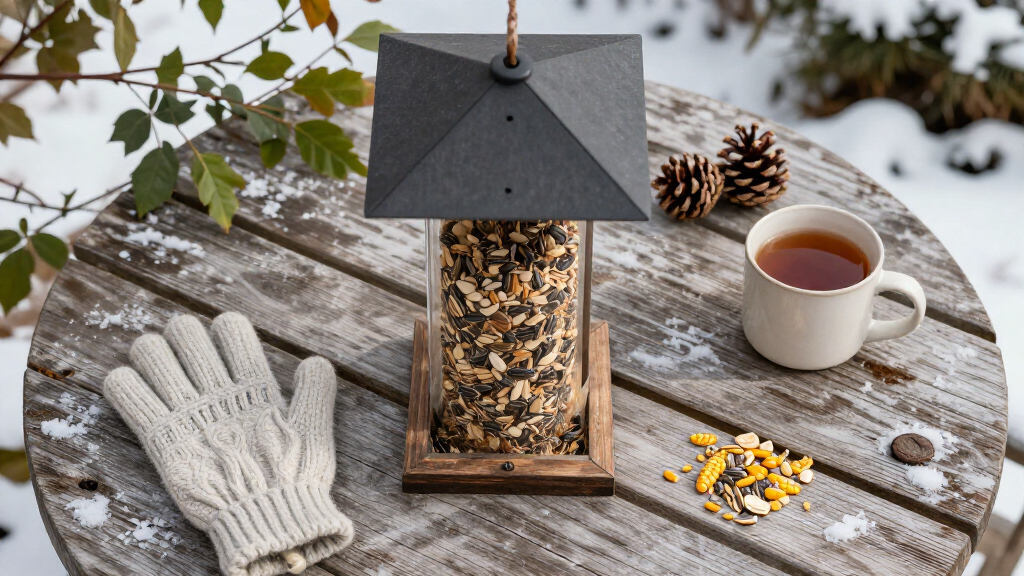

TL;DR

Get comfort and care essentials delivered free — and shop member deals
- Fast, free delivery on millions of items
- Access to Prime Big Deal Days deals on October 6–7
- Prime Video, Amazon Music and more included
Keeping birds fed through a country winter means providing high-energy foods, fresh water, and safe feeding spots. Regular maintenance and thoughtful placement help birds survive and thrive when natural food sources dwindle.
Winter in the country brings a quiet beauty, but it also challenges the birds that call this landscape home. As the snow blankets the ground and natural food sources dwindle, your backyard can become a vital refuge. It’s not just about hanging a feeder — it’s about creating a safe, inviting space that meets their needs.
Whether you’re a seasoned bird watcher or just starting to enjoy the gentle flutter of wings outside your window, understanding how to feed birds through the winter can make a real difference. This guide walks you through simple, practical steps to keep your feathered friends fed, warm, and safe all season long.
High-energy foods like suet and sunflower seeds are best for winter survival.
Clean, weatherproof feeders and fresh water are as important as the food itself.
Natural cover and shelter help birds conserve energy and avoid predators.
Regularly monitor and adjust feeding to prevent dependency and promote health.
Preparedness for extreme weather, like storms and deep freezes, ensures continuous support.
How to Keep Birds Fed Through a Country Winter
As snow blankets the countryside and natural food sources vanish, your backyard can become a vital refuge. High-energy foods, fresh water, and safe feeding spots — combined with regular maintenance and thoughtful placement — help birds survive and thrive through the coldest months.
Food · Water · Shelter · RoutineHigh-energy foods like suet and sunflower seeds can boost a bird’s winter survival odds by up to 30%.
— Wildlife studies on supplemental winter feedingWhat Foods Really Help Birds Survive the Cold?
Winter birds burn calories constantly just staying warm — like filling the tank before a long drive. Energy-dense, high-fat foods are the fuel that keeps chickadees, woodpeckers, and finches going through deep freezes. Variety matters: different foods attract different species and prevent dietary gaps.
Suet
Best for: woodpeckers, chickadees, nuthatches. A concentrated fat block that delivers maximum calories per peck. Store cool and replace if it melts or spoils.
Black Oil Sunflower
Best for: most seed-eating birds. High oil content, thin shells, and near-universal appeal — the single most reliable winter staple for any feeder.
Mealworms
Best for: insectivores like robins and bluebirds. A critical protein boost during lean months when insects are buried under snow and frost.
Nyjer (Thistle)
Best for: finches and siskins. Tiny, oil-rich seeds that are easy to swallow — serve in a mesh or finch sock feeder to reduce spillage.
Dried Fruit
Best for: thrushes, waxwings, and other fruit-eaters. Raisins, berries, and chopped apple offer fast sugars for cold-morning refuelling.
Freshness Rules
Rule zero: moldy or spoiled food harms birds. Store in airtight containers away from moisture and pests, and toss anything damp or musty.
Choosing the Best Bird Feeders for Winter
In winter, durability and safety matter most. Your feeder must stand up to wind, snow, and ice — and keep food dry, clean, and accessible. Durable, specialized feeders cost more upfront, but their longevity and safety benefits far outweigh the initial price.
Squirrel-Proof Design
Weight-activated closures and baffle systems prevent theft and reduce stress on birds chased away or injured by pests. Keep feeders away from jumping points.
Weather-Resistant Materials
Materials that won’t crack or rust keep the feeder functional through the whole season — avoiding broken units in the middle of a cold snap.
Easy-to-Clean Build
Dirty feeders harbor mold, bacteria, and parasites — especially dangerous when cold weakens birds’ immune systems. Disassemble-friendly designs save time.
Sheltered Placement
Siting under an overhang or near shrubs protects from wind and predators while keeping feeders visible enough for birds to find easily.
Keeping Food & Water Fresh When It’s Cold Outside
A frozen feeder or water dish during a cold snap can be a death sentence. Water is as critical as food — natural sources freeze solid, making your supply the difference between life and death. Follow this weekly rhythm:
Refill Feeders
Top up every day or two during peak cold. Dawn and late afternoon are peak feeding times.
Refresh Water
Use a heated birdbath, or bring a shallow dish indoors overnight and refill each morning to prevent ice.
Deep Clean
Scrub feeders with hot water and a brush to stop mold and disease from spreading among congregating flocks.
Store Smart
Keep seed in airtight containers away from pests and moisture to prevent spoilage before it’s served.
| Food Type | Best For | Pros | Cons | Winter Worthy? |
|---|---|---|---|---|
| Black Oil Sunflower | Most seed-eating birds | High oil content, wide appeal, easy to shell | Shells accumulate under feeder | ✓ Excellent |
| Suet | Woodpeckers, chickadees | Top energy density, cheap, long-lasting | Can melt or spoil if poorly stored | ✓ Excellent |
| Nyjer (Thistle) | Finches, siskins | Oil-rich, attracts specialists | Dries out fast; needs special feeder | ✓ Great |
| Mealworms | Insectivores, bluebirds | Vital protein in lean months | Pricier; can spoil when damp | ~ Good |
| Dried Fruit | Thrushes, waxwings | Quick energy, cheap supplement | Limited audience; can mold | ~ Good |
| Low-quality seed mixes | — | Inexpensive filler | Bulk fillers get tossed; waste & mess | ✗ Avoid |
Creating a Cozy, Bird-Friendly Winter Environment
Beyond food and water, birds need shelter from wind and snow. Dense shrubs, evergreens, and even a fallen log act as insulation — reducing the energy birds burn to stay warm and offering safe roosting away from predators. A little “untidiness” in your yard is a feature, not a flaw.
Evergreens & Hedges 🌲
Dense evergreens and shrubs act as natural insulation and safe roosting sites during storms. Plant them, or leave existing branches undisturbed through winter.
Brush Piles & Logs 🪵
Leaving fallen logs and brush piles offers additional protection and encourages a diverse range of species to settle into your yard.
Chemical-Free Yard 🚫
Avoid pesticides and chemicals that could harm birds. Offer natural foods like berries and native seeds, and keep the yard quiet and peaceful.
Five Rules for a Winter-Proof Feeding Station
Fuel with fat
High-energy foods like suet and sunflower seeds are the proven best choices for winter survival.
Clean water, clean feeders
Weatherproof feeders and fresh, unfrozen water are just as important as the food itself.
Shelter saves energy
Natural cover helps birds conserve calories and avoid predators through storms and deep freezes.
Monitor and adjust
Watch your station regularly — overfeeding can create dependency, and hygiene lapses spread disease.
Plan for extremes
Storm and deep-freeze preparedness — heated baths, backup seed, indoor overnighting — keeps support continuous. In spring, taper off gradually as natural food returns.
What Foods Really Help Birds Survive the Cold?
In winter, birds need energy-dense foods to keep warm. Think of it like filling up your tank before a long drive — they burn more calories trying to stay cozy. High-fat foods are best, especially suet, sunflower seeds, and nyjer (thistle).
For example, a chickadee or woodpecker will eagerly feast on a block of suet, which offers a concentrated source of fat. Finches, on the other hand, prefer tiny nyjer seeds that are easy to swallow and rich in oil. Including a variety of these foods attracts different species and ensures they get the nutrients they need.
Adding dried fruits like raisins or berries can also provide quick energy, especially for fruit-eating birds like thrushes or waxwings. Mealworms, a favorite among insectivores, add a protein boost during the lean months. Remember, fresh, clean food is key — moldy or spoiled supplies can harm birds.
Choosing the right foods is crucial because it directly impacts the birds’ ability to survive and thrive in harsh winter conditions. High-fat options provide the essential calories needed to maintain body heat, but over-reliance on a single type of food can limit the diversity of species visiting your yard. Offering a variety ensures a broader range of birds and healthier diets, which can mean the difference between survival and starvation during extreme cold snaps. Additionally, the tradeoff is that some high-fat foods, like suet, can melt or spoil quickly if not properly stored, so understanding storage and placement becomes part of effective winter feeding.
winter bird feeder with weatherproof cover
As an affiliate, we earn on qualifying purchases.
As an affiliate, we earn on qualifying purchases.
How to Choose the Best Bird Feeders for Winter
Bird feeders come in all shapes and sizes, but in winter, durability and safety matter most. You want feeders that can stand up to wind, snow, and ice, and that keep food dry and accessible.
Here’s a simple list of what to look for:
- Squirrel-proof features to keep pests at bay
- Weather-resistant materials that won’t crack or rust
- Easy to clean design to prevent disease
- Placement in sheltered spots, like under an overhang or near shrubs, to protect from wind and predators
Choosing the right feeder impacts not just the longevity of your equipment, but also the safety and health of visiting birds. For instance, a squirrel-proof feeder prevents theft but also reduces stress on birds that might otherwise be chased away or injured by pests. Weather-resistant materials ensure the feeder remains functional throughout the season, avoiding the inconvenience of broken or rusted units. Easy-to-clean designs are vital because dirty feeders can harbor mold, bacteria, and parasites that threaten bird health, especially when the cold weakens their immune systems. Proper placement minimizes predation risk and exposure to harsh elements, creating a more inviting environment for a variety of species.
Considering these factors allows you to make a thoughtful investment that supports birds effectively throughout winter, while also reducing the need for frequent replacements or repairs. The tradeoff is that more durable, specialized feeders tend to be pricier upfront, but their longevity and safety benefits outweigh initial costs, ultimately providing a more reliable food source for your feathered visitors.
high-energy bird food suet and sunflower seeds
As an affiliate, we earn on qualifying purchases.
As an affiliate, we earn on qualifying purchases.
Keeping Food and Water Fresh When It’s Cold Outside
Birds need both food and water, especially in winter when natural sources freeze over. Regularly refilling and cleaning feeders prevents disease and starvation. During a cold snap, a frozen feeder or water dish can be a death sentence.
To keep water flowing, consider a heated birdbath or place a shallow dish indoors overnight and refill each morning. Changing water frequently prevents ice buildup and ensures a fresh supply for thirsty birds.
Food should be stored in airtight containers away from pests and moisture. Refill feeders daily or every other day during peak cold spells. Clean feeders thoroughly with hot water and a scrub brush once a week to prevent mold and disease spread.
Maintaining fresh water and food in winter isn’t just about convenience; it’s a critical factor for bird survival. Because natural water sources often freeze solid, providing a reliable supply can mean the difference between life and death for many species. Using heated birdbaths or solar-powered water heaters can prevent freezing, but they require an initial investment and maintenance. Regularly changing water prevents ice formation and reduces the risk of bacterial growth, which can quickly spread disease among congregating birds. Proper food storage prevents mold and spoilage, which are especially dangerous in cold weather when birds’ immune systems are compromised. The tradeoff here is that constant refilling and cleaning demand time and effort, but this vigilance directly translates into healthier, more resilient bird populations in your yard.
As an affiliate, we earn on qualifying purchases.
Creating a Cozy, Bird-Friendly Winter Environment
Besides food and water, birds need shelter from wind and snow. Leaving natural cover like dense shrubs, hedges, or even a fallen log can provide vital protection and roosting spots. This helps them conserve energy and avoid predators.
In your yard, think about planting evergreens or leaving some branches undisturbed. These act as winter refuges — a place where birds can rest safely and stay warm during storms.
Avoid using pesticides or chemicals that could harm your feathered visitors. Instead, offer natural foods like berries or native seeds, and maintain a quiet, peaceful yard that attracts birds looking for a winter sanctuary.
Creating a bird-friendly environment in winter isn’t just about providing shelter; it’s about understanding the importance of natural cover for survival. Dense shrubs and evergreens act as insulation, reducing the energy birds need to stay warm. They also serve as safe roosting sites, minimizing exposure to harsh weather and predators. Leaving natural debris like fallen logs or brush piles offers additional protection and encourages a diverse range of species to settle in. The tradeoff involves some yard maintenance and the potential for increased debris, but the benefits—more resilient, less stressed birds—far outweigh these inconveniences. A peaceful, natural yard not only supports bird health but also enhances your winter landscape’s beauty and ecological value.
As an affiliate, we earn on qualifying purchases.
Comparing Different Winter Bird Foods — What Works Best?
| Food Type | Best For | Pros | Cons |
|---|---|---|---|
| Black Oil Sunflower Seeds | Most seed-eating birds | High oil content, easy to shell, attracts many species | Can be expensive; can spoil if not stored properly |
| Suet | Woodpeckers, chickadees, nuthatches | High energy, melts slowly, excellent in cold weather | Messy; needs to be kept in a protected feeder |
| Nyjer (Thistle) | Finches, siskins | Tiny size, rich in oil, attracts specific species | Requires special feeders; can be pricey |
| Mealworms | Insectivorous birds | Rich in protein, fresh or dried options | More expensive; needs refrigeration or dry storage |
This comparison shows that mixing foods like suet, sunflower seeds, and nyjer can cover most birds’ needs and attract a lively range of species. Tailor your choices based on your yard’s feathered visitors and your budget.
What to Do When the Weather Turns Extreme
In the depths of winter, storms and deep freezes can challenge your bird feeding efforts. If a blizzard hits, make sure your feeders are stocked beforehand. Use insulated or weatherproof covers to protect food from snow and ice.
During severe cold, consider adding extra fat-rich foods like suet and peanut butter to give birds a quick energy boost. If ice forms on feeders, gently scrape or warm them to prevent blockage. Keep an eye on water sources: a frozen bath offers little relief, so switch to heated or indoor options.
One Huckfarm visitor found that during a week of sub-zero temperatures, her feeding station needed daily attention — replenishing, cleaning, and adjusting to keep birds coming back. It’s a small effort with a big payoff for your wild neighbors.
How to Keep Birds Fed Without Overdoing It
Feeding birds in winter is a gift, but overfeeding can cause problems like dependency or attracting predators. The key is moderation and observation. Offer just enough food so birds can find it easily, but not so much that they become reliant on your supplies alone.
Start by filling feeders with a week’s worth of food, then watch how many birds visit. If the activity drops off, you’re probably providing too much or the wrong type. Adjust accordingly. Also, remember to clean feeders regularly — dirty feeders can spread disease, which is especially dangerous in winter.
Many bird lovers find that a steady, predictable supply of food—refilled every few days—keeps birds healthy and encourages a diverse flock. Think of it as a winter buffet, not a free-for-all.
Overfeeding can inadvertently cause harm by creating dependency, where birds rely solely on your provided food rather than natural sources. It can also attract predators, such as cats or hawks, to your yard. Striking a balance ensures birds get enough sustenance without becoming dependent or vulnerable. Regularly observing which species visit and how they behave helps you fine-tune your feeding practices, fostering a healthier, more resilient bird community. The tradeoff is that consistent monitoring and moderation require effort, but the payoff is a sustainable, mutually beneficial relationship with your feathered visitors.
Frequently Asked Questions
What is the best type of food to feed birds in winter?
High-energy foods like suet, sunflower seeds, and nyjer are ideal for winter. They provide the calories birds need to stay warm and active during cold months.
How often should I refill bird feeders during winter?
During cold weather, aim to refill feeders every few days or daily if possible. Birds burn more energy in winter, so consistent access to food helps them survive the cold.
How can I prevent squirrels and pests from stealing the bird food?
Use squirrel-proof feeders, place them away from jumping points, and add baffles or shields. These measures help keep your food safe and available for the rightful visitors.
What if my bird feeder gets frozen?
Use a heated birdbath or place a shallow dish indoors to prevent water from freezing. For food, consider bringing feeders inside overnight or using weatherproof covers.
Are there risks in winter feeding?
Overfeeding can lead to dependency or attract predators. Always keep feeders clean, observe bird activity, and remove feeders gradually as natural food sources become plentiful in early spring.
Conclusion
Feeding birds in a country winter is a gentle act of kindness and practicality. By choosing the right foods, keeping supplies fresh, and creating a welcoming environment, you give your feathered friends a fighting chance against the cold. It’s a small effort that pays back in lively sights and joyful chirping.
So, next time a snowstorm rolls in, imagine your yard as a cozy refuge, a safe haven for those tiny travelers. Your simple acts of care can make winter a little warmer — not just for birds, but for your own peaceful, country-winter days.
Halloween Picks
halloween
As an affiliate, we earn on qualifying purchases.