
TL;DR

Turn quiet afternoons into listening time
- Thousands of audiobooks, podcasts and originals
- Listen on your phone, tablet or Echo — also offline
- Cancel anytime
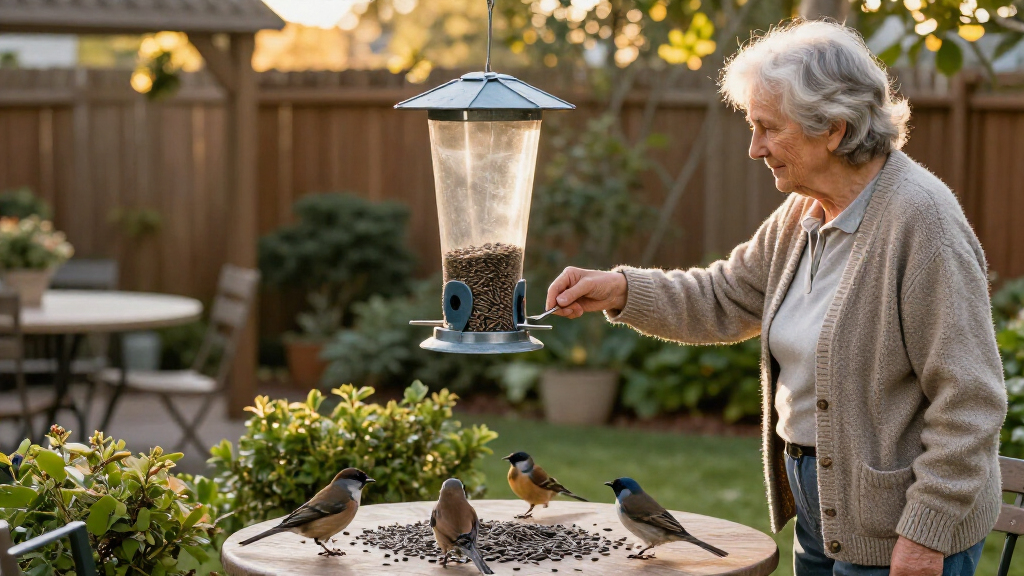
Set up a backyard bird feeding station in a visible spot with nearby cover, while placing it either within 3 feet of a window or more than 30 feet away to reduce collision risk. Start with black-oil sunflower seed, add clean shallow water, and keep feeders and the ground tidy; local wildlife guidance should shape your routine, especially during disease alerts.
Place feeders within about 3 feet of a window or more than 30 feet away to reduce collision risk.
Begin with black-oil sunflower seed and a tube feeder, then add other feeder styles when you know which birds visit.
Offer a shallow birdbath and refresh its water regularly, especially when it becomes cloudy or dirty.
Remove damp or spoiled food, clean and dry feeders before refilling, and sweep up seed beneath them.
Use local wildlife guidance to shape feeding during disease alerts and changing seasonal conditions.
FIELD GUIDE / BACKYARD HABITAT
How to Set Up a Backyard Bird Feeding Station
Create a safe, lively stop for local birds with a thoughtful location, a simple starter menu, clean water, and an easy care routine.
A welcoming station, built on four habits
Choose a visible spot with nearby cover and room to watch for predators.
Start with black-oil sunflower seed in a sturdy tube feeder.
Offer a shallow bath; replace cloudy water and rinse the basin.
Remove spoiled food, wash feeders, dry fully, and sweep below.
Use local wildlife guidance during disease alerts and seasonal shifts.
Use this simple order to get started
Build a station in deliberate steps. Begin modestly, notice who visits, then adjust the setup to your birds and local conditions.
Visible to birds and you, with useful cover nearby and a safe window distance.
Fill a tube feeder with black-oil sunflower seed; add styles as visitors appear.
Set out a stable, shallow birdbath that you can reach and rinse easily.
Remove damp food, clean and dry feeders, and clear spilled seed beneath them.
Give birds sightlines, cover, and a safe approach
Put feeders where birds can spot approaching danger and reach a shrub or small tree to retreat. Keep enough distance from hiding places that a cat cannot use the cover as a launch point. Choose a quiet, accessible spot away from busy doorways and slippery paths.
Reduce window collision risk
Two recommended placement zones, measured from the glass.
CLOSE / LOWER SPEED · FAR / LESS IMMEDIATE RISK
Start simple, then follow the visitors
One or two feeders are enough to learn what your yard supports. Match each design to the birds’ feeding habits and add variety only when you see a reason.
Tube feeder
Begin with black-oil sunflower seed, a flexible choice for many backyard species. Enclosed sides can help keep seed cleaner in light rain.
Platform feeder
Offers larger birds more space to perch and feed. Keep the tray tidy so uneaten food does not become damp or attract rodents.
Suet feeder
May suit insect-eating birds when conditions are cool. Check local advice and avoid offering suet in heat when it can spoil or turn messy.
Black-oil sunflower
A useful first food for many species. Buy an amount you can store well and use while fresh.
Nyjer
Try it in a feeder designed for small seed when finches visit. Keep notes on what birds actually eat.
Simple beats filler
Avoid bread as a substitute for nutritious food and mixes heavy in filler seed. Remove food that sits uneaten, gets wet, or spoils.
Clean water and a short, steady care routine
A shallow birdbath with gently sloping sides serves visitors that never touch a feeder. Keep it stable, easy to reach, and simple to empty; refresh the water regularly and clean the basin to prevent algae and contamination.
- ✓Remove wet, moldy, or spoiled food promptly.
- ✓Clean feeders regularly; increase attention in wet or crowded conditions.
- ✓Rinse well and let feeders dry fully before refilling.
- ✓Sweep up seed hulls and droppings beneath feeders.
- ✓Refresh bath water when cloudy or dirty; wash the basin.
Make the whole yard part of the plan
Protect the food supply
Use a properly positioned baffle, place feeders beyond easy squirrel jumps, store seed in sealed containers, and clear spilled food.
Reduce ambush risk
Keep cats indoors or supervised. A bell alone is not a reliable safeguard for birds.
Follow local guidance
Weather, migration, regional rules, and disease alerts can change what is appropriate. Check wildlife or public-health recommendations during outbreaks.
Feeders work best as one part of a bird-friendly yard. Durable equipment, less food waste, and native plants that provide natural food and cover can support birds beyond the feeding station.
From first seed to a healthier birding stop
Choose a Spot Where Birds Can See Trouble and Find Cover
Place a bird feeding station where birds can spot approaching predators and reach nearby cover, while keeping enough distance from hiding places for cats. A clear view helps a bird judge what is happening around the feeder; a shrub or small tree nearby offers somewhere to retreat. The balance matters: cover should be useful to birds without giving a stalking cat an easy launch point. Window distance deserves special attention. Put a feeder about **3 feet (1 meter) or less** from a window, or more than **30 feet (9 meters)** away. At close range, birds have little room to build up speed before reaching the glass; farther away, they are less likely to strike the window immediately after leaving the feeder. Screens or external window decals can provide additional help. Think about your own routine, too. If you like to watch birds with coffee, a spot visible from a kitchen or sitting-room window may make the station more enjoyable. Keep it away from busy doorways, and choose a place where you can reach it without stepping over a slippery path or stretching from a ladder. For example, a feeder on a sturdy pole near a low evergreen may be easier to refill than one hung high from a distant oak. A good location is a visible, sheltered place with room for birds to approach and for you to maintain it comfortably. If birds repeatedly flush at a passing pet or a busy gate, shift the feeder to a quieter corner and watch what changes.Products Worth Considering

Orbit B-hyve Smart Indoor/Outdoor 12-Zone Sprinkler Controller

Orbit B-hyve XR 8-Zone Indoor/Outdoor Smart Sprinkler Controller

Weber Searwood XL 600 Wood Pellet Smoker Grill, 36 inches, Black
As an affiliate, we earn on qualifying purchases.
Build a Starter Station with Three Useful Feeder Styles
A simple bird feeding station can begin with a tube feeder, a platform feeder, and, where suitable for your local conditions, a suet feeder. Each style serves different birds and eating habits, so a small mix can bring more variety than several identical feeders. Start with one or two if you prefer a modest setup; you can add another after you see which birds visit. A **tube feeder** filled with black-oil sunflower seed is a flexible starting point for many backyards. Its feeding ports suit smaller birds, and the enclosed design can help keep seed cleaner than an open tray during light rain. A **platform feeder** gives larger birds more room to perch and feed. It can also catch the eye of birds that don’t cling comfortably to a narrow feeder. A **suet feeder** may suit insect-eating birds, especially in cooler weather. Check local advice and conditions before offering suet, since heat can make it spoil or become messy. Picture a chilly morning when a woodpecker works at suet while finches take turns at the tube. That small division of space can reduce crowding. Choose sturdy feeders you can reach, open, and wash without a struggle. A design with removable parts may make cleanup simpler. You don’t need a whole row of feeders on the first day; a tidy pair, placed with room between them, can show you what your yard’s visitors prefer.Start with Familiar Foods, Then Follow the Birds’ Preferences
Black-oil sunflower seed is a practical first food because it attracts many backyard species. It gives you a clear starting point, then your visitors can tell you whether to broaden the menu. A good feeding station offers birds dependable food, clean water, and safe places to feed; the food works best as part of that whole arrangement, not as a substitute for a healthy yard. If finches visit, try **nyjer** in a feeder designed for that small seed. Suet can suit insect-eating birds in cooler weather, while a platform feeder lets larger visitors feed more comfortably. Local species and seasons shape what works, so keep notes in a small garden notebook: “goldfinches at nyjer after breakfast” is more useful than buying several kinds of seed at once. Skip bread as a substitute for nutritious bird food, and avoid seed mixes loaded with filler that birds leave behind. Uneaten seed can become damp, moldy, or attractive to rodents. Buy an amount you can store well and use while it remains fresh. If the birds toss a particular mix aside day after day, switch to a simpler option rather than letting a pile accumulate. For instance, a reader might begin with sunflower seed in a tube feeder, then notice that the tray beneath fills with unwanted millet. A smaller, more suitable mix—or a single seed type—can mean less waste to sweep up. Food should invite birds, not leave you with a soggy carpet of hulls.Add Clean Water for Birds That Never Touch a Feeder
A shallow birdbath with gently sloping sides gives birds a place to drink and bathe, including visitors that ignore feeders. Water adds another reason to stop in the yard, and the soft splash of a bath can make birdwatching feel lively even on a still afternoon. Keep the basin shallow, stable, and easy to reach for cleaning. Refresh the water regularly and clean the bath to prevent algae and contamination. In warm weather, a bowl can cloud quickly with dust, leaves, or droppings; in colder weather, local conditions affect how you can safely maintain it. Check it as part of your ordinary garden round, perhaps when you water pots or bring in the morning paper. If the water looks dirty or smells stale, change it and wash the basin. A low birdbath near a clear viewing window can be especially rewarding. You may see a robin pause at the edge, dip its bill, and flick water over its feathers while the feeder stays busy farther off. Give birds nearby cover, but leave open sightlines so they can watch for danger as they bathe. Water needs upkeep just as food does. If you can’t refresh a bath often, use a smaller basin that is easier to empty and rinse. A clean, modest bowl is more useful than a grand feature left to collect green water and fallen petals.Keep Feeders Fresh with a Short, Steady Cleaning Routine
Keep a feeding station safer and more pleasant by removing wet or spoiled food, cleaning feeders regularly, and clearing seed hulls and droppings from the ground. Moisture and crowding can make feeders dirty faster, so your routine should respond to what you see rather than follow one rigid calendar. Empty feeders, scrub them, rinse well, and let them dry fully before refilling. The ground deserves attention too. Fallen seed can draw rodents, and a thick layer of hulls or droppings makes the area harder to keep tidy. Sweep or rake beneath feeders as needed, and store seed in sealed containers in a dry place. For example, after a rainy week, you might find damp seed clinging to a platform feeder; removing it promptly is better than topping it with fresh seed. Upkeep matters as much as the feeder itself. A clean-looking station is not only more inviting to watch; it also helps reduce the chance of spoiled food and contamination. Check local wildlife guidance for cleaning schedules and any changes to feeding advice during disease outbreaks. Recommendations may differ by region and may change as conditions develop. If you notice a sick or dead bird, stop feeding temporarily and check local wildlife-agency guidance. Avoid handling the bird directly, and follow local instructions about reporting unusual clusters. A pause can feel disappointing when you enjoy the visitors, but a careful response puts their welfare first.Make Squirrels and Cats Less Likely to Turn the Feeder into a Trap
Use a properly positioned baffle, place feeders where squirrels cannot easily jump onto them, and clean up spilled seed to reduce pest problems. A baffle is a barrier fitted to a feeder pole or hanging setup that makes it harder for climbing animals to reach the food. It can help, though no design keeps every determined squirrel away. Think through the route a squirrel could take. A feeder close to a fence, shed roof, or low branch may be reachable in a single leap. Moving it into a more open area and adding a baffle can make the approach less convenient. Then sweep up the seed that falls beneath it; a generous scatter is an easy invitation for both rodents and repeat visitors looking for a free meal. Cats need a different kind of prevention. Keep pet cats indoors or supervised, and avoid placing feeders beside dense cover where a cat can hide and spring at birds. A bell alone is not a reliable safeguard. For example, if birds scatter each time a cat settles under the feeder, relocate the station and consider adding a clear area around the base. There’s a tradeoff between keeping food accessible and discouraging unwanted visitors. A platform feeder may welcome larger birds, but it can also spill more seed. Start with a contained feeder, watch what happens, and adjust the layout before adding more food or equipment.Use This Simple Order to Set Up Your Station
Set up your backyard bird feeding station in a few deliberate steps: choose the location, pick a starter food and feeder, add water, then watch and adjust. Taking the pieces in that order helps you avoid buying extra equipment before you know what suits the yard. Keep your first setup easy to reach and easy to clean.- Pick a visible site. Look for a calm spot with nearby cover and a clear view of approaching predators. Keep the feeder within about 3 feet of a window or more than 30 feet away.
- Choose one feeder and food. Try black-oil sunflower seed in a tube feeder, then note which birds arrive and whether seed is left behind.
- Add a shallow birdbath. Place it where you can refresh and clean it easily, with open sightlines for visiting birds.
- Set up storage and cleanup. Keep seed sealed and dry, and make a small broom or rake part of your garden kit.
- Observe and adapt. Watch for crowding, spilled food, cat activity, or dirty water, then make one change at a time.