
TL;DR

Turn quiet afternoons into listening time
- Thousands of audiobooks, podcasts and originals
- Listen on your phone, tablet or Echo — also offline
- Cancel anytime
Air quality in central Singapore remains unhealthy according to the Pollutant Standards Index (PSI), while western and eastern regions have seen PSI levels decrease to moderate. The situation continues to be monitored closely by authorities.
Air quality in central Singapore remains classified as unhealthy, with the Pollutant Standards Index (PSI) exceeding the safe threshold, according to the National Environment Agency (NEA). Meanwhile, the PSI levels in the western and eastern regions have decreased to moderate levels, signaling some improvement but ongoing concern over air pollution across the island.
Data released by the NEA today confirms that the PSI in the central region of Singapore has consistently remained above the unhealthy threshold of 101, with readings reaching as high as 150 at certain monitoring stations. This marks a continuation of recent days where air quality has been a concern, especially for vulnerable groups such as children, the elderly, and those with respiratory conditions.
In contrast, the PSI levels in the western and eastern regions have fallen to the moderate range, with readings between 51 and 100, indicating an improvement in air quality. The NEA attributed this variation to changes in wind patterns and localized pollution sources, but emphasized that the overall air quality remains a concern for the central region.
Authorities continue to monitor the situation closely and have not issued any new health advisories or restrictions at this time. The NEA advises residents to remain vigilant, especially those in the central district, and to follow health precautions such as avoiding outdoor activities when air quality is poor.
Implications for Public Health and Urban Air Quality Management
The persistent unhealthy PSI levels in central Singapore highlight ongoing air pollution challenges and pose health risks, particularly for sensitive groups. This situation underscores the importance of effective pollution control measures and public awareness campaigns. The improvement in western and eastern regions suggests localized factors influence air quality, but the overall trend indicates a need for sustained efforts to reduce emissions and improve air quality across the city-state.
For residents, the development reinforces the importance of staying informed about daily PSI updates and adhering to health advisories. Policymakers may need to review current air quality management strategies to address the sources of pollution more effectively, especially during periods of adverse weather or transboundary haze events.
As an affiliate, we earn on qualifying purchases.
Recent Trends and Factors Affecting Singapore’s Air Quality
Singapore has experienced fluctuating air quality levels over the past few weeks, often influenced by regional haze, weather conditions, and local pollution sources such as vehicular emissions and industrial activity. The PSI has frequently hovered around the moderate to unhealthy range, prompting periodic advisories.
Historical data shows that air quality tends to worsen during certain weather patterns, such as periods of low wind and high temperature, which trap pollutants. The recent spike in coverage interest is linked to ongoing concerns over transboundary haze, although officials have not confirmed any new regional haze incidents today. The NEA continues to monitor regional air quality reports from neighboring countries, particularly Indonesia, which is a significant source of haze events.
As an affiliate, we earn on qualifying purchases.
Unconfirmed Causes and Regional Pollution Sources
While authorities attribute the regional differences to weather patterns and local emissions, the specific causes of the sustained unhealthy levels in central Singapore remain unclear. The role of regional haze, if any, has not been officially confirmed today, and the impact of ongoing industrial activities is still under review. Further data is needed to establish definitive sources and forecast future trends.
As an affiliate, we earn on qualifying purchases.
Monitoring, Public Advisories, and Policy Responses
Authorities will continue to monitor PSI levels daily and issue advisories as needed. The NEA is expected to review current pollution control measures and regional cooperation efforts, especially if air quality remains unhealthy in the central region. Residents are advised to stay updated through official channels and take health precautions, particularly during high pollution days.
Additional air quality data and regional haze reports are anticipated in the coming days, which will inform possible adjustments to public health advisories and pollution mitigation strategies.
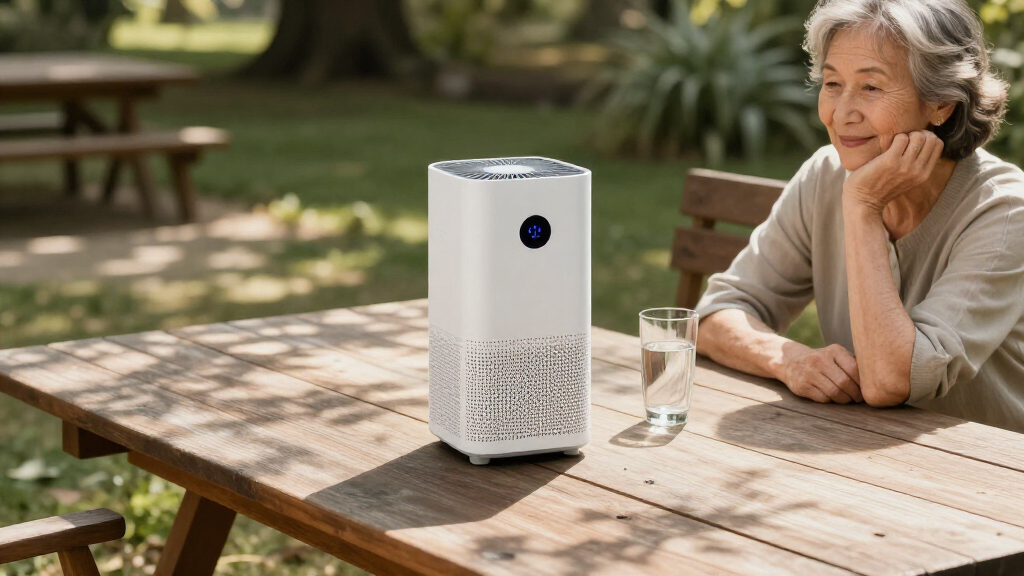
air purifiers for sensitive groups
As an affiliate, we earn on qualifying purchases.
As an affiliate, we earn on qualifying purchases.
Key Questions
What is the current PSI level in central Singapore?
The PSI in the central region remains above 101, indicating unhealthy air quality, with some readings reaching up to 150 today.
Why are the PSI levels different across regions?
Regional differences are likely influenced by local weather conditions, pollution sources, and wind patterns, which can vary across Singapore.
Are there health risks associated with the current air quality?
Yes, prolonged exposure to unhealthy air quality can cause respiratory issues, especially for vulnerable groups. Residents are advised to follow health advisories and limit outdoor activities if necessary.
Is regional haze contributing to the pollution today?
Authorities have not confirmed any new regional haze incidents today, but regional haze remains a concern during certain periods, and ongoing monitoring continues.
What measures are being taken to improve air quality?
The NEA and other agencies are implementing pollution control measures, monitoring regional haze, and encouraging public health awareness. Long-term strategies include reducing vehicular emissions and industrial pollutants.
Source: local
Halloween Picks
halloween
As an affiliate, we earn on qualifying purchases.