
TL;DR

Get comfort and care essentials delivered free — and shop member deals
- Fast, free delivery on millions of items
- Access to Prime Big Deal Days deals on October 6–7
- Prime Video, Amazon Music and more included
Staying cool on hot days means focusing on hydration, sun protection, and recognizing early signs of heat illness. Recent innovations and smart habits make summer safety easier for everyone.
Summer’s heat can feel like a warm hug or a blazing furnace—depending on the day. But if you’re not careful, those scorching temperatures can turn dangerous fast. Staying cool and safe isn’t about battling the sun—it’s about understanding your body and making smart choices.
In this guide, you’ll find practical tips, new ideas, and simple habits to keep your body comfortable and healthy during heatwaves. Whether you’re gardening, out for a walk, or just relaxing on your porch, staying alert makes all the difference.
Stay hydrated with water and avoid excess caffeine or alcohol, especially during heatwaves.
Wear protective clothing and sunscreen, and seek shade during peak sun hours.
Plan outdoor chores early mornings or evenings, and use shade to stay cool.
Learn to recognize signs of heat exhaustion and heat stroke, acting quickly if symptoms appear.
Leverage new technology and community resources to stay safe and cool during extreme heat.
How to Keep Hydrated Without Overdoing It
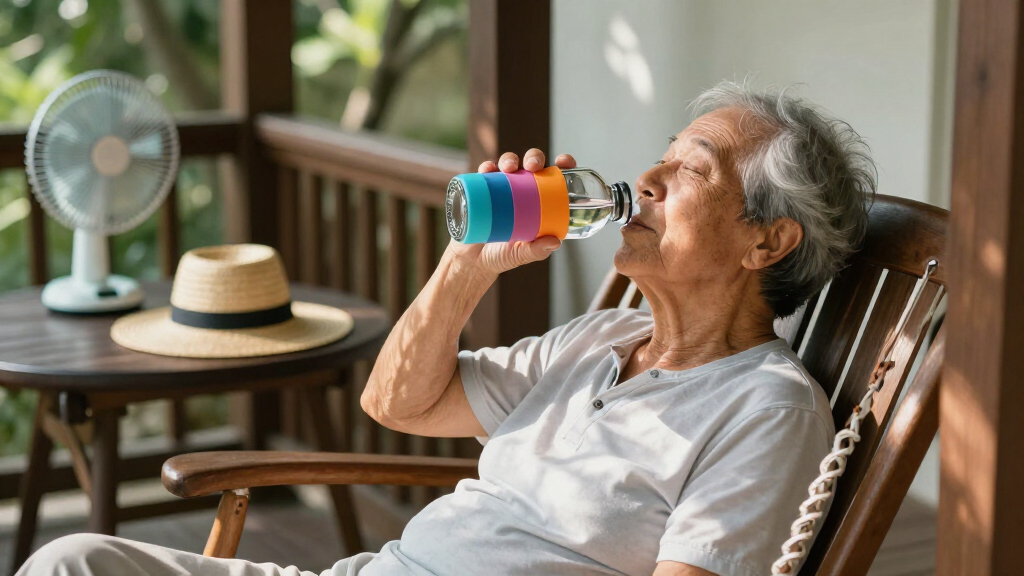
Water is your best friend when the temperature climbs. Aim for about 8 to 10 cups a day, more if you’re active or sweating a lot. Drinking small sips throughout the day prevents dehydration and keeps your energy steady.
Skip excessive caffeine and alcohol—they can dehydrate you even more. Instead, opt for water, herbal teas, or electrolyte drinks if you’re sweating heavily. For example, a glass of cool water in the morning, a few sips every 15 minutes, and a glass of fresh fruit-infused water can make hydration enjoyable.
Remember, thirst is a late sign of dehydration. Keep a refillable bottle nearby, and set reminders if needed. Staying hydrated helps your body stay cool and your mind clear.
As an affiliate, we earn on qualifying purchases.
Easy Sun Protection Tips That Really Work
Sun protection is about more than just sunscreen—although that’s important. Wearing a wide-brimmed hat, lightweight long sleeves, and sunglasses shields your skin and eyes from UV rays, which can cause sunburns and long-term damage.
Choose a broad-spectrum sunscreen with SPF 30 or higher. Apply it generously 15 minutes before heading outdoors, and reapply every two hours. For example, a wide-brimmed straw hat and a light-colored, loose-fitting shirt can keep you cool while blocking the sun.
On especially hot days, seek shade between 10 a.m. and 4 p.m., when the sun’s rays are strongest. Shade, combined with protective clothing, keeps your skin safe without overheating.
reusable water bottle with time markers
As an affiliate, we earn on qualifying purchases.
As an affiliate, we earn on qualifying purchases.
Why Your Clothing Choices Matter on Hot Days
Choosing the right clothing makes a big difference. Light-colored, loose-fitting clothes reflect heat and allow air to circulate around your skin. Think linen, cotton, or chambray—fabric that breathes like a gentle breeze.
For example, a loose white cotton blouse and airy khaki shorts keep you cool while protecting your skin from direct sun. This is especially helpful during outdoor chores or when gardening.
Remember, tight or dark clothing absorbs heat, making you feel hotter. Wearing a wide-brimmed hat and light scarf can protect your face and neck. The goal is to stay comfortable without trapping heat.
As an affiliate, we earn on qualifying purchases.
Timing and Shade: Your Secret to Beating the Heat
The hottest part of the day is between 10 a.m. and 4 p.m., with peak temperatures around 1 or 2 p.m. During these hours, outdoor activities can become dangerous. Instead, plan your chores early in the morning or later in the evening.
When outside, always look for shade—under trees, umbrellas, or covered porches. For instance, if you’re watering the garden at noon, do it under a large canopy or in the early morning when the sun isn’t blazing.
Taking breaks in shaded areas helps keep your core temperature down and prevents heat exhaustion. It’s a simple trick that makes a big difference.
portable electrolyte drinks for hydration
As an affiliate, we earn on qualifying purchases.
As an affiliate, we earn on qualifying purchases.
Cooling Techniques That Really Bring Down Your Body Temperature
Cooling down quickly can save you from feeling overwhelmed by the heat. Use a cool compress on your neck or forehead—like a damp cloth or a gel pack wrapped in a towel. Take cool showers or baths to lower your body temperature fast.
Fans and air conditioning are your allies, but if those aren’t available, create cross-ventilation by opening windows on opposite sides of your home. For example, sitting in front of a fan with a chilled cloth on your neck can help you feel refreshed in minutes.
Another trick: freeze a water bottle and place it near you while resting. The cold breeze and chilled water help regulate your body heat naturally.
Understanding these techniques matters because they provide immediate relief, reduce the risk of heat-related illnesses, and can be lifesaving in extreme conditions. The key is to act quickly and use what’s available to cool your body efficiently.
Spotting and Handling Heat-Related Illnesses
Knowing the signs can save lives. Heat exhaustion shows up as heavy sweating, weakness, dizziness, and nausea. If you notice these, move to a cooler place, sip water, and rest.
Heat stroke is more serious—confusion, a high body temperature (above 104°F), and even loss of consciousness are warning signs. If someone shows these symptoms, call for emergency help immediately.
In the meantime, try to cool them with cool cloths, fans, or a cooling bath if possible. Acting fast can prevent lasting damage or tragedy.
Understanding these signs and acting promptly can mean the difference between a quick recovery and a life-threatening emergency. Recognizing early symptoms allows you to intervene before the situation becomes critical, emphasizing the importance of vigilance during heatwaves.
Smart Innovations Making Summer Safety Easier
Recent advances help us beat the heat more effectively. Cities now have early warning systems and cooling centers, especially for vulnerable populations. Wearable devices can monitor your core temperature and hydration levels, alerting you before trouble starts.
Urban planners are adding shaded walkways and green roofs to cool down towns and neighborhoods. These innovations turn heat into a manageable challenge rather than an unstoppable force.
Public awareness campaigns remind us to stay vigilant and prepared. Technology and community efforts make summer safety smarter and more accessible than ever.
Frequently Asked Questions
How can I stay cool without air conditioning?
Using fans, opening windows at cooler times, taking cool showers, and seeking shade are all effective ways. Setting up a cross-breeze or placing a bowl of ice in front of a fan can also help lower indoor temperatures naturally.
What are the early signs of heat exhaustion and heat stroke?
Heat exhaustion shows with heavy sweating, weakness, headache, and nausea. Heat stroke is more severe—confusion, very high body temperature (above 104°F), and loss of consciousness. Recognizing these signs early can save lives.
How much water should I drink during a hot day?
Generally, aim for about 8-10 cups of water daily, more if you’re active or sweating. Listen to your body—thirst is a late sign of dehydration. Regular small sips are more effective than gulping large amounts infrequently.
Are there foods that help keep me cool?
Yes. Fresh fruits like watermelon, strawberries, and oranges contain high water content and help hydrate you. Light salads, smoothies, and cold soups also provide nourishment without heating you up.
What should I do if someone shows signs of heat stroke?
Call emergency services immediately. Move the person to a shaded, cool place. Use cool cloths or a fan to lower their temperature. Do not give them food or drink until professional help arrives.
Conclusion
Summer’s heat can be gentle or fierce—your choice is how you prepare. Simple habits, like drinking water, wearing the right clothes, and staying alert, keep you safe and comfortable.
Imagine a quiet porch in the late afternoon, a cold glass of water in hand, and a gentle breeze whispering through the trees. That’s summer’s charm—made safer with just a little planning.
Cold & flu season Picks
humidifiers
As an affiliate, we earn on qualifying purchases.