
TL;DR

Turn quiet afternoons into listening time
- Thousands of audiobooks, podcasts and originals
- Listen on your phone, tablet or Echo — also offline
- Cancel anytime
Choosing the right cushion can help ease sitting-related aches, but it’s only part of the picture. Look for supportive, contouring designs with breathable covers, and remember to move regularly for best relief.
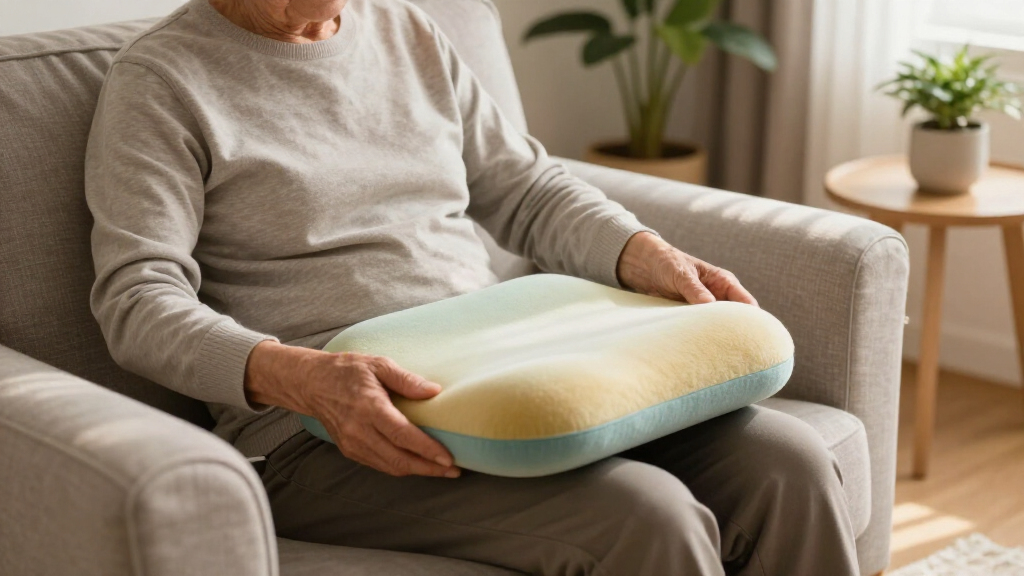
Few things scream comfort like sinking into your favorite chair after a long day. But if sitting causes aches or discomfort, that cozy moment can turn into a pain point. The good news? The right cushion can make all the difference, easing pressure and helping you sit in harmony with your body.
In this guide, you’ll learn how different cushions work, what features to look for, and how to choose the best fit for your needs. Whether you sit for hours at a desk, drive often, or want relief from tailbone pain, you’ll find practical advice to keep you comfortable and pain-free.
Choose cushions with firm, supportive foam that contours gently, avoiding bottoming out.
Match cushion type and features to your specific pain points, like coccyx cutouts for tailbone pain or wedges for lower back issues.
Look for breathable, washable covers and non-slip bases to maintain comfort and safety.
Use cushions correctly — face cutouts the right way, sit with even pressure, and take regular movement breaks.
Remember, cushions help manage discomfort but don’t replace medical advice for persistent pain or numbness.
Choosing Cushions That Ease Aches While You Sit
Prolonged sitting loads your sit bones and compresses lumbar discs. The right cushion redistributes that pressure — but only when type, firmness and features match your pain point. This guide maps pain to design so your chair stops being the problem.
What Makes a Cushion Good for Easing Aches?
The best cushions support your body without making sitting feel like a chore. Four features determine whether a cushion relieves pain or quietly makes it worse.
Support Level
FirmnessToo soft collapses; too hard creates pressure points. Medium-firm high-density foam sustains spinal alignment and reduces fatigue over long sessions.
Contours
ShapeContoured designs conform to your body’s curves, spreading pressure evenly across sit bones and hips while discouraging slouching. Overly aggressive contours can restrict movement.
Cover Material
FabricBreathable, washable covers are non-negotiable. Mesh or moisture-wicking fabrics prevent heat buildup, sweating and skin irritation — critical for all-day or shared seating.
Non-Slip Base
SafetyA sliding cushion breaks posture and risks falls. Grip-bottom designs keep support exactly where your body needs it. Also check thickness — too much lift leaves feet dangling.
Compare Popular Cushion Types
Match the design to your pain point. The best cushion for you depends on where the ache lives and how long you sit each day.
| Type | Best For | Pros | Cons | Relief Fit |
|---|---|---|---|---|
| Memory Foam | General comfort, pressure distribution | Contours to body curves, retains shape, personalized support | Traps heat, can flatten over time if low quality | Contour |
| Gel-Infused | Cooling comfort, pressure relief | Stays cool, even weight distribution, prevents heat buildup | Heavier, pricier, may feel firmer than foam alone | Cooling |
| Coccyx (Tailbone) | Tailbone pain, post-injury | U-cutout offloads the coccyx, prevents pressure buildup | Can feel too firm; needs correct orientation | Targeted |
| Wedge | Lower back, hip discomfort | Tilts pelvis forward, aligns spine, reduces lumbar strain | Requires correct positioning to work | Posture |
| Inflatable / Air-Cell | Adjustable firmness, long-term relief | Customizable firmness, used clinically for pressure prevention | Less durable, needs regular re-inflation | Adjustable |
| Donut / Ring | Legacy option — use with caution | Historically used for tailbone and hemorrhoid relief | Can concentrate pressure around the ring; cutouts now preferred | Outdated |
Memory Foam vs. Gel: Contouring or Cooling?
The two most popular materials pull in opposite directions. Newer gel-grid polymers and ventilated foams try to bridge the gap — with mixed durability on budget versions.
Memory Foam
Molds to your shape; the classic pressure-redistribution pick
Gel / Gel-Infused
Built for hot environments and heat-sensitive sitters
How to Use Your Cushion for the Best Relief
Using your cushion correctly maximizes its benefits and prevents unintended discomfort. Four steps, every time you sit.
Match the Ache to the Answer
Trace each pain point through the cushion type and key feature to the outcome you’re actually buying.
- Persistent pain, numbness or sciatica warrants medical evaluation — no cushion treats underlying conditions.
- Test firmness before committing: comfort is subjective, and individual response varies widely.
- Wheelchair users and long-term sitters: evidence favors clinical-grade pressure-distribution surfaces over consumer foam pads.
- Budget caution: cheap gel-grid imitations and low-density foams show mixed durability in reviews.
What Makes a Cushion Good for Easing Sitting Aches?
The best cushions support your body without making sitting feel like a chore. Look for firm but forgiving materials that contour to your shape, distributing pressure evenly. A cushion that’s too soft will bottom out, offering little relief, while one that’s too hard might cause pressure points.
Think about how memory foam molds to your body’s curves, providing personalized support that reduces localized soreness. Gel-infused cushions enhance this by staying cool and preventing heat buildup, which can cause discomfort during long periods of sitting. The key is balancing firmness and softness—too soft, and the cushion collapses under your weight; too hard, and it can create uncomfortable pressure areas. The right cushion redistributes your weight, alleviating stress on sensitive points like the tailbone, hips, and lower back. Remember, comfort is subjective; trying different materials and firmness levels helps you find what truly relieves your aches. If pain persists despite using a cushion, it’s wise to consult a healthcare professional to address underlying issues.
supportive ergonomic seat cushions for back pain
As an affiliate, we earn on qualifying purchases.
As an affiliate, we earn on qualifying purchases.
How to Pick the Right Cushion for Your Pain Type
Choosing the right cushion involves understanding the specific nature and location of your discomfort. Tailbone pain, for example, often results from direct pressure on the coccyx and can be alleviated with a cushion that has a cutout or U-shaped design to offload this area. This design prevents the tailbone from bearing weight, reducing pain and preventing further injury. Conversely, lower back pain may benefit from wedges or lumbar supports that promote proper pelvic tilt. These help maintain the natural curve of your spine, reducing strain on the lumbar discs and muscles. Hip discomfort might require softer, more cushioned support around the sit bones, distributing pressure more evenly and minimizing irritation. Recognizing where your pain originates and how sitting posture influences it enables you to select a cushion that targets those specific areas. Additionally, consider your daily activities—if you spend hours at a desk or in a car, look for cushions designed for prolonged use. Matching your pain points with the appropriate cushion design not only provides immediate relief but also helps prevent the pain from worsening over time. This tailored approach ensures that your investment in a cushion translates into meaningful comfort and health benefits.
tailbone pain cushion with coccyx cutout
As an affiliate, we earn on qualifying purchases.
As an affiliate, we earn on qualifying purchases.
Compare Popular Cushion Types Side-by-Side
| Type | Best For | Pros | Cons |
|---|---|---|---|
| Memory Foam | General comfort, pressure distribution | Contours well, retains shape, adapts to body curves which provides personalized support, reducing localized pressure points | Can trap heat, may flatten over time, potentially losing support if not high quality |
| Gel-Infused | Cooling comfort, pressure relief | Keeps cool, distributes weight evenly, helps prevent heat buildup that can cause discomfort during long sitting periods | Heavier, pricier, may feel firmer than foam alone, and some may find the cooling effect less noticeable |
| Coccyx (Tailbone) | Tailbone pain, post-injury | Offloads tailbone, prevents pressure buildup in the coccyx area, which can alleviate pain and prevent aggravation of injuries | Can be too firm for some, may restrict sitting posture if not properly designed |
| Wedge | Lower back, hip discomfort | Encourages proper pelvic tilt, which aligns the spine and reduces strain on lower back muscles | Requires correct positioning; improper use can lead to discomfort or ineffective support |
| Inflatable/Air-Cell | Adjustable firmness, long-term pressure relief | Customizable comfort, allows users to modify firmness for personalized support, which is beneficial for varying needs | Less durable, needs regular inflation, and may lose support over time |
Understanding these differences helps you make an informed choice, but remember that the best cushion for you depends on your specific needs and preferences. For example, a memory foam cushion offers personalized support and is suitable for general use, but may cause overheating during extended sitting. Gel cushions excel at cooling, making them ideal for hot environments or those sensitive to heat. Tailbone cushions target specific pain points effectively, though they may feel too rigid for some. Wedges promote proper posture but require correct placement to be effective. Inflatable cushions offer adjustable firmness, which is great for varying needs, but their durability can be a concern. Weighing these factors helps you select a cushion that not only relieves pain but also fits seamlessly into your daily routine, encouraging consistent use and better health outcomes.
memory foam seat cushion for prolonged sitting
As an affiliate, we earn on qualifying purchases.
As an affiliate, we earn on qualifying purchases.
What Features Should You Look for in a Cushion?
Choosing a cushion isn’t just about type. Think deeply about these features because they directly impact comfort, support, and durability—factors that determine how effectively a cushion alleviates pain and promotes healthy sitting habits.
- Support level: A medium-firm high-density foam (~1.8–2.5 lb/ft³) strikes a crucial balance. Too soft, and the cushion collapses under your weight, offering minimal support and risking poor posture. Too firm, and it can create pressure points, especially over prolonged periods. The right support sustains spinal alignment and reduces fatigue, but individual preferences vary—testing different firmness levels helps find your optimal balance.
- Contours: Contoured cushions conform to your body’s natural curves, distributing pressure more evenly across your sit bones and hips. Flat cushions may feel less supportive, especially during extended sitting, leading to discomfort and increased strain on muscles and joints. Contours also help prevent slouching, maintaining better posture, which is vital for long-term spinal health. However, overly aggressive contours can restrict movement or cause discomfort if not designed well—so consider your activity level and comfort preferences.
- Cover material: Breathable, washable covers are essential for hygiene and temperature regulation. Materials like mesh or moisture-wicking fabrics prevent heat buildup, which can cause sweating and skin irritation. This is particularly important if you sit for long hours or share seats, as maintaining cleanliness and comfort encourages regular use. Durable covers also extend the lifespan of your cushion, making it a worthwhile investment.
- Non-slip base: A stable, non-slip bottom prevents shifting during use, which is critical for safety and support. On smooth surfaces like hardwood floors or car seats, slipping can cause misalignment and discomfort. A secure base ensures your cushion stays in the correct position, maximizing its effectiveness and reducing the risk of falls or awkward adjustments during sitting.
- Thickness: Most cushions range from 1 to 3 inches. The ideal thickness supports your sit bones without elevating your hips excessively, which can lead to misalignment or strain. Thicker cushions are beneficial for those with significant pressure points or post-surgical needs, but they may also cause your feet to dangle if your chair height isn’t adjustable. Conversely, thinner cushions are less intrusive but might not provide enough support for severe discomfort. Choosing the right thickness depends on your body, chair height, and comfort preferences, ensuring optimal pressure relief without sacrificing posture.
For instance, a thick gel cushion with a breathable cover can help keep you cool and comfortable during long sitting sessions, reducing heat-related discomfort and skin irritation. The combination of supportive contours, breathable material, and proper thickness creates an environment conducive to sustained comfort and health.
breathable washable office chair cushion
As an affiliate, we earn on qualifying purchases.
As an affiliate, we earn on qualifying purchases.
How to Use Your Cushion for the Best Relief
Using your cushion correctly maximizes its benefits and prevents unintended discomfort. Here are detailed steps to ensure proper use:
- Position it properly: For coccyx cushions, face the cutout toward the back so the tailbone is suspended and offloaded. This positioning prevents direct pressure on the coccyx, alleviating pain and reducing the risk of aggravating injuries. For wedge cushions, tilt the front slightly upward to encourage a gentle pelvic tilt, which helps maintain the natural lumbar curve. Proper orientation ensures the cushion supports your anatomy as intended, rather than shifting support away from key areas.
- Adjust your seating: Sit so that your sit bones are evenly distributed across the cushion’s surface. This ensures the pressure is shared across the bones designed to bear weight. Avoid resting directly on the tailbone or thighs, as this can cause soreness and misalignment. Use your hands to feel for even contact, and reposition if necessary. Proper placement promotes better posture and prevents localized pressure that could worsen pain or cause numbness.
- Take breaks: Even with a supportive cushion, prolonged sitting can lead to stiffness and discomfort. Stand or walk briefly every 30–60 minutes to stimulate circulation, relieve pressure points, and prevent muscle fatigue. Incorporate gentle stretches to maintain flexibility and reduce tension in your back, hips, and legs. Regular movement complements the cushion’s support, promoting overall comfort and spinal health.
- Maintain good posture: Keep your back straight, shoulders relaxed, and feet flat on the ground. Proper posture reduces strain on your discs and muscles, and aligns your spine optimally with the support of the cushion. Adjust your chair height if needed, so your hips are level with or slightly higher than your knees. This positioning ensures that your pelvis is in a neutral position, maximizing support and minimizing discomfort.
Imagine sitting on a well-positioned coccyx cushion, feeling your tailbone gently offloaded, with your back supported by a slight lumbar curve. This precise alignment not only enhances immediate comfort but also fosters long-term spinal health by encouraging proper posture habits. Consistent correct use of your cushion turns it into an effective tool for pain management and posture improvement over time.
Common Mistakes That Make Sitting Pain Worse
Even the best cushion can become ineffective if misused. Recognizing and avoiding these common mistakes ensures you get the maximum benefit from your support tool:
- Sitting too high or too low: An overly thick cushion can raise your hips excessively, leading to dangling feet and increased strain on your lower back and hips. This misalignment can cause muscle fatigue and discomfort over time. Conversely, a cushion that’s too thin may not provide adequate support, causing your pelvis to tilt forward and increasing pressure on your lumbar discs. Finding the right thickness balances support with proper posture, preventing strain and promoting comfort during extended sitting.
- Incorrect placement: Facing a coccyx cushion the wrong way or sitting on the edge of a wedge shifts your weight improperly, leading to increased pressure on sensitive areas and reducing support effectiveness. Proper orientation—such as ensuring the cutout faces the back for tailbone relief—is critical. Misplacement can negate the cushion’s benefits, cause discomfort, and even exacerbate existing pain issues.
- Ignoring movement: Relying solely on cushions without incorporating movement can worsen stiffness, muscle fatigue, and discomfort. Movement stimulates circulation, reduces pressure points, and prevents muscle tightness. Incorporate regular standing, stretching, and shifting positions into your routine to complement the support of your cushion. This holistic approach enhances comfort and supports overall musculoskeletal health.
- Choosing the wrong firmness: A cushion that’s too soft collapses under your weight, failing to support your posture and potentially leading to slouching. Too firm, and it can create uncomfortable pressure points. The ideal firmness supports your body’s natural curves without causing additional stress. Testing different firmness levels helps identify the most supportive and comfortable option for your specific needs, ensuring the cushion alleviates rather than worsens discomfort.
Think of your cushion as part of a comprehensive comfort routine—paired with movement, good posture, and correct positioning. Regularly adjusting your sitting habits, taking breaks, and ensuring proper support creates a synergy that maximizes relief and promotes long-term spinal health. Proper use and awareness of these common pitfalls are essential for turning your cushion into an effective tool for pain management.
Frequently Asked Questions
What cushion is best for lower back pain — a seat cushion or a lumbar pillow?
A seat cushion can elevate and support your entire bottom and hips, providing pressure relief. A lumbar pillow helps maintain proper spine alignment. For best results, many use both—cushion on the seat and pillow behind for lumbar support.What’s the difference between a coccyx cushion and a donut cushion, and which is better for tailbone pain?
Coccyx cushions usually have a U-shaped cutout at the back, designed to offload the tailbone. Donut cushions are ring-shaped but can sometimes increase pressure around the ring. Experts now favor coccyx cushions for tailbone pain, as they better distribute pressure away from the coccyx.Is memory foam or gel better? (Trade-offs: contouring vs. cooling.)
Memory foam contours closely to your body, offering great pressure relief but can trap heat. Gel-infused cushions stay cooler and distribute pressure evenly. The best choice depends on your personal comfort—if heat is an issue, go for gel.How thick or firm should a seat cushion be?
Most supportive cushions are around 1 to 2 inches thick with a medium firmness (about 1.8–2.5 lb/ft³). Too thick can raise your sitting height uncomfortably, while too soft won’t relieve pressure effectively. Find a balance that supports without shifting your posture.Will a seat cushion help with sciatica or hip pain?
A cushion can ease pressure on your sit bones and hips, offering relief. But it’s not a cure. If pain persists, consult a healthcare provider to explore underlying causes and treatment options.Conclusion
A good cushion acts like a gentle hand guiding your body into better alignment, easing aches and making sitting a pleasure again. But don’t forget — comfort is part of a bigger picture. Regular movement, good posture, and listening to your body are just as vital.
Imagine sinking into your favorite chair, feeling supported, cool, and pain-free. That’s the goal. So, pick your cushion wisely, use it correctly, and enjoy the cozy ease of sitting in harmony with yourself.
Halloween Picks
halloween
As an affiliate, we earn on qualifying purchases.