
TL;DR

Turn quiet afternoons into listening time
- Thousands of audiobooks, podcasts and originals
- Listen on your phone, tablet or Echo — also offline
- Cancel anytime
Gentle, adjustable, and glare-free lighting helps aging eyes see better and stay safer at home. Modern options like smart LEDs and circadian lighting make it easy to customize comfort and reduce eye strain.
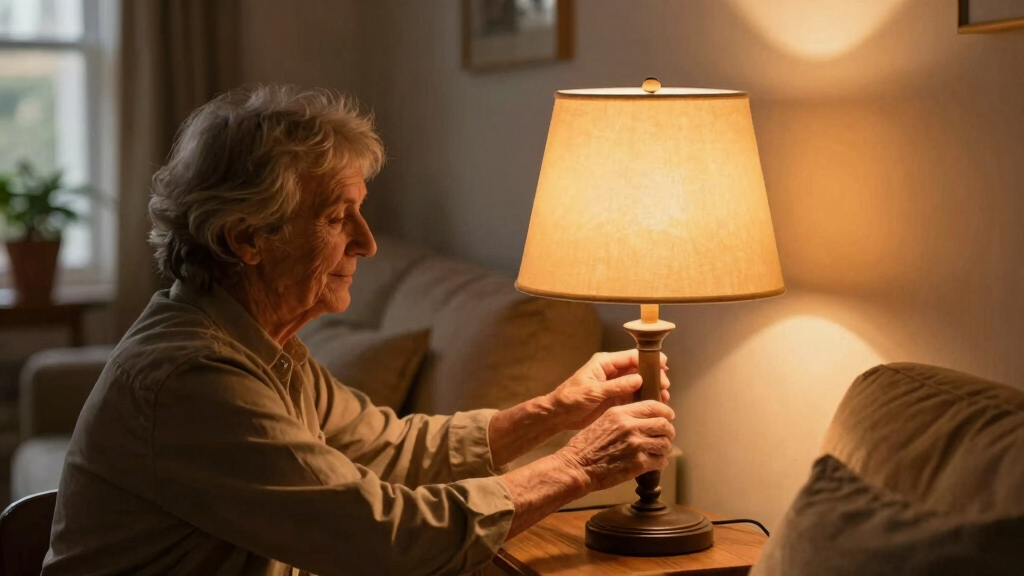
Imagine sitting in your favorite armchair, a warm glow softly filling the room, shadows gentle and inviting. Good lighting isn’t just about brightness; it’s about creating a space where your eyes can see clearly without strain or glare. For older adults, this balance makes all the difference between comfort and frustration.
In this guide, you’ll learn how to craft home lighting that’s easy on aging eyes. From choosing the right color temperature to reducing glare, these tips help you enjoy a cozy home that supports independence and safety—without sacrificing country charm or warmth.
Use warm, diffuse lighting with matte fixtures and dimmers to balance brightness and comfort.
Layer different types of lighting—ceiling, task, and accent—to avoid shadows and glare.
Smart and circadian lighting systems offer easy, customizable control that supports aging eyes and sleep health.
Replacing harsh bulbs with high-lumen LEDs can significantly improve visibility without creating glare.
Position lights carefully to reduce reflections and shadows, making daily tasks safer and easier.
Why Age Makes Your Eyes Require More Light (and How to Meet that Need)
As you age, your eyes become less efficient at transmitting light. The lens turns more yellow and less transparent, which means you need brighter, clearer lighting to see well. But too much brightness can cause glare, which makes everything look harsh and uncomfortable.
Picture trying to read in a room with a single, overly bright ceiling fixture. The glare makes your eyes water, and reading becomes a strain. The trick is to find the right amount of light—enough to see comfortably, but soft enough to avoid glare.
Adjusting your lighting isn’t just about brightness; it’s about understanding the balance between visibility and comfort. When lighting is too harsh, it can cause glare that leads to eye strain, headaches, and even dizziness. On the other hand, too dim lighting can make tasks difficult, leading to accidents or frustration. Striking this balance helps maintain visual clarity while reducing discomfort, which is crucial for safety and independence. According to an anonymous researcher at Huckfarm, adjusting your home lighting to match your changing vision reduces eye fatigue and makes daily tasks safer and more enjoyable.
As an affiliate, we earn on qualifying purchases.
How to Create Cozy, Glare-Free Lighting in Your Home
Good lighting for aging eyes balances brightness with softness. Here’s a simple step-by-step:
- Use warm white bulbs (around 2700K–3000K) for a gentle glow that reduces glare. These temperatures mimic natural warm light, which is less straining and more inviting.
- Diffuse direct light with matte fixtures or lampshades—think of the soft, milky look of a well-loved lampshade. This diffusion minimizes harsh shadows and prevents direct glare, which can cause discomfort or temporary blindness when looking directly into a bright light.
- Install dimmers to adjust light levels as needed, especially for evening reading or relaxing. Dimmers allow you to tailor lighting to your activity and time of day, helping your eyes adapt gradually and reducing sudden brightness changes that can startle or cause glare.
- Layer lighting sources: combine ceiling, task, and accent lights for even illumination without shadows. This layered approach creates a balanced environment, reducing the need for your eyes to constantly adjust to contrasting light levels.
- Choose fixtures with matte finishes to prevent reflective glare. Matte surfaces scatter light more evenly, which is less likely to cause distracting reflections or hotspots that strain your eyes.
Imagine reading a favorite book under a lamp with a frosted shade, the warm light filling your space softly—no harsh spots, no eye strain. Investing in the right fixtures and bulbs creates a calming, eye-friendly environment that encourages longer, more comfortable reading or relaxing times.
As an affiliate, we earn on qualifying purchases.
Compare Common Lighting Options for Older Eyes
| Feature | Warm LED Bulb | Halogen | Smart LED |
|---|---|---|---|
| Color Temperature | 2700K–3000K | around 3000K | Adjustable, from warm to cool |
| Glare | Low with diffusers | Moderate, shiny surface | Low, with dimming options |
| Energy Use | Low | Moderate | Very low |
| Adjustability | Dimmable options available | Usually dimmable | Fully adjustable via app or voice |
Choosing the right light depends on your comfort and lifestyle. Smart LEDs offer the most flexibility, letting you tweak brightness and warmth with a tap or voice command. This adjustability is especially valuable because aging eyes benefit from tailored lighting conditions that can be changed throughout the day, accommodating different activities and reducing strain.
As an affiliate, we earn on qualifying purchases.
How Modern Lighting Tech Makes Your Home Safer & Cozier
Recent innovations bring a new level of comfort for aging eyes. Smart lighting systems let you change brightness and color temperature with a simple voice command or through an app. No more crawling on ladders to replace bulbs or fiddling with switches in the dark.
Imagine waking up at night. A circadian lighting system gently dims, mimicking dawn or dusk, helping your body stay in sync with natural rhythms. This gradual adjustment supports better sleep and reduces morning grogginess, which is especially important for seniors who may experience disrupted sleep cycles. These systems can also be programmed to gradually brighten in the morning, easing the transition from sleep to wakefulness, and dimmed gradually at bedtime to promote relaxation.
According to Huckfarm, these human-centric lighting advances are designed to reduce eye fatigue, support sleep cycles, and create a cozy, safe environment—perfect for country living with a modern twist.
As an affiliate, we earn on qualifying purchases.
Simple Tips to Improve Your Home’s Lighting Today
- Replace bright, glare-inducing bulbs with warm, high-lumen LEDs that emit diffuse light, reducing eye strain and glare.
- Add task lighting near reading chairs, kitchen counters, and bathroom mirrors to provide focused illumination where needed most, helping prevent accidents and eye fatigue.
- Install dimmers on main and task lights for flexible control, allowing you to adjust light levels based on activity and time of day, which helps your eyes adapt gradually and comfortably.
- Position lights to avoid reflections in shiny surfaces like mirrors and windows, which can cause distracting glare and visual confusion.
- Use lamps with frosted or matte shades for softer, more even light distribution, reducing harsh shadows and bright spots that can cause discomfort.
Think about the cozy glow of a country kitchen at sunset or a bedside lamp that feels just right. Small changes can make your home safer and more inviting, encouraging longer periods of comfortable activity and relaxation.
What Happens When You Get It Right? (And When You Don’t)
Good lighting enhances safety, reduces falls, and makes daily tasks easier. It also supports your mood—bright, warm light can lift spirits during chilly mornings. But overly bright or flickering lights can cause headaches, eye strain, and even trouble sleeping.
For example, a well-lit kitchen with even, warm light lets you chop vegetables without squinting or feeling dazzled. Conversely, a high-glare ceiling fixture in the same space might cause discomfort and mistakes. The tradeoff here is between brightness and comfort; too much glare can be as problematic as too little light, leading to visual fatigue and safety risks. Properly balanced lighting reduces these risks and enhances overall well-being.
According to research, proper lighting can cut the risk of falls by up to 60% among seniors—proof that how we light our homes directly impacts safety and well-being, emphasizing the importance of thoughtful lighting choices.
Frequently Asked Questions
What type of lighting is best for aging eyes?
Warm white, diffuse, and adjustable lighting is ideal. It reduces glare and creates a cozy atmosphere that’s easy on sensitive eyes.How can I reduce glare in my home?
Use matte fixtures, indirect lighting, and position lights away from reflective surfaces like mirrors and shiny countertops to minimize glare.Are smart lighting systems worth it for seniors?
Yes, they allow easy control of brightness and color temperature, making it simpler to customize lighting and improve comfort and safety.What are some affordable ways to improve home lighting?
Replace bulbs with higher lumen, energy-efficient LEDs, add task lights, and install dimmers or adjustable fixtures—small changes with big impact.How does lighting influence sleep in older adults?
Proper lighting that mimics natural daylight helps regulate circadian rhythms, supporting better sleep and overall well-being.Conclusion
Gentle, adaptable lighting isn’t just about convenience; it’s about reclaiming independence and comfort in your own home. As your eyes change, so should your lighting choices—soft, warm, and adjustable make all the difference.
Think of your home as a cozy country cabin—warm, inviting, and perfectly lit for every moment. With a few simple tweaks, you can create a space that’s as safe as it is charming, supporting your independence with gentle glow and peace of mind.
Cold & flu season Picks
humidifiers
As an affiliate, we earn on qualifying purchases.