TL;DR

Turn quiet afternoons into listening time
- Thousands of audiobooks, podcasts and originals
- Listen on your phone, tablet or Echo — also offline
- Cancel anytime
Childproofing your home for visiting grandchildren involves identifying hazards, securing dangerous items, and installing safety devices. Regular checks and a few smart updates keep your space safe and warm for little explorers.
Grandchildren are a joy, but their curiosity can turn any home into a hazard zone if you’re not careful. It’s not about turning your cozy country home into a fortress, but about smart, simple adjustments. Think of it as making your space as inviting as it is safe—like a warm hug with a safety net.
In this guide, you’ll find down-to-earth tips, real-world examples, and practical ideas to keep your little visitors safe. Whether they’re crawling, walking, or just exploring, a few thoughtful changes can make all the difference in protecting their adventures—and your peace of mind.
Walk through your home regularly to spot hazards before children arrive.
Secure furniture, cabinets, and windows to prevent tipping, falls, or escapes.
Create a designated, safe play area with age-appropriate toys and soft mats.
Install safety gates and use child-proof locks on doors, outlets, and cabinets.
Keep emergency tools like smoke alarms and fire extinguishers in top shape, and supervise closely.
Spot the Hidden Dangers Before the Little Feet Arrive
The first step in childproofing is a home walk-through. Imagine you’re a tiny explorer—what catches your eye? Sharp corners, cords hanging low, or a tempting pile of buttons on the coffee table?
Common hazards include uncovered electrical outlets, sharp furniture edges, and small items that can be swallowed. For example, a loose button on your favorite sweater or a shiny coin on the floor can become choking risks.
Taking this step isn’t just about noticing hazards; it’s about understanding why they matter. Sharp corners can cause painful bumps or cuts, especially if a child falls or bumps into them unexpectedly. Uncovered outlets pose a risk of electrical shock, which can be severe for little fingers exploring their environment. Small objects like coins or buttons are tempting but dangerous because they can block a child’s airway if swallowed. By identifying these dangers early, you can weigh the tradeoff between maintaining your home’s charm and ensuring safety—often, simple covers or rearrangements can prevent accidents without sacrificing style.
As an affiliate, we earn on qualifying purchases.
Secure the Kitchen and Bathroom—Where Accidents Happen Most
These two spots are prime danger zones. In the kitchen, lock up cleaning supplies, medications, and sharp knives. A simple lock on a cabinet door keeps choking hazards and poisons out of reach.
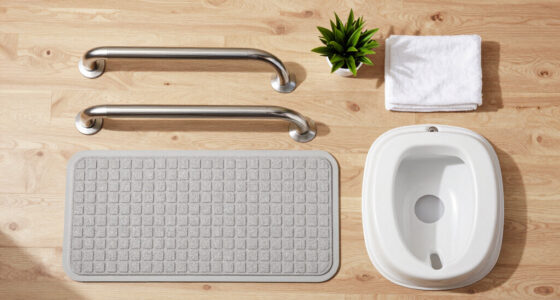
In the bathroom, use non-slip mats, and add toilet locks to prevent accidental dips or drownings. Picture a toddler reaching for the shiny faucet or trying to open a cabinet under the sink—easy-to-use locks make that impossible.
Why does this matter? The kitchen and bathroom are places where hazards are often hidden behind closed doors. Medications and cleaning products may seem like everyday items, but to a curious child, they are dangerous treasures. Sharp knives or hot stoves are obvious risks, but even small items like a bottle cap or a sponge can be choking hazards if left accessible. Installing locks and safety devices may seem like minor changes, but they dramatically reduce the risk of accidental poisoning or injury. The tradeoff is minimal—these locks are simple to use for adults but prevent children from accessing dangerous substances, giving you peace of mind during busy visits.
As an affiliate, we earn on qualifying purchases.
Plug the Holes: Outlets, Cords, and Loose Ends
Electrical outlets are tiny traps for curious fingers. Use child-proof outlet covers—these are cheap, simple, and effective. Keep cords out of reach, secured along baseboards, or tucked behind furniture to prevent pulling and strangulation risks.
For example, a loose lamp cord can become a strangulation hazard if a child pulls on it. Secure cords with twist ties or cord clips to keep them tidy and safe.
Why is this important? Exposed outlets and loose cords are not only hazards for electrical shock but also for strangulation or tripping. A child pulling on a dangling cord might knock over furniture or become entangled, leading to falls or injuries. Covering outlets and securing cords reduces these risks, allowing children to explore safely. The tradeoff? Outlet covers are quick to install and remove, and securing cords keeps your space tidy—an investment in safety that’s well worth the minimal effort.
As an affiliate, we earn on qualifying purchases.
Anchor Furniture and Protect Sharp Edges—Prevent Tipping and Scrapes
Heavy furniture like bookshelves or dressers can tip over if a child pulls on them. Anchor them to the wall with simple brackets or straps—think of it as giving your furniture a gentle hug to keep them steady.
Install corner protectors on sharp table edges or fireplace hearths. Picture a little one tripping and falling—soft bumpers soften the blow, turning a fall into a minor bump.
Why does this matter? Tipped furniture or sharp edges can cause serious injuries, especially during active play or accidental bumps. Securing furniture prevents tipping accidents that could cause fractures or head injuries. Corner protectors aren’t just about preventing scrapes—they help avoid more serious trauma if a fall occurs. The tradeoff? These are simple, inexpensive safety measures that provide peace of mind, especially during lively visits. It’s about balancing safety with the charm of your home’s vintage or country style—many modern protectors blend seamlessly into rustic decor.
non-slip bathroom mats for children
As an affiliate, we earn on qualifying purchases.
As an affiliate, we earn on qualifying purchases.
Create a Safe Play Zone with Age-Appropriate Toys
Designate a corner as the safe play area. Fill it with toys suitable for their age—nothing too small or sharp. Check toys regularly for broken parts or rough edges. Think of it as creating a cozy, inviting nook where their curiosity can flourish safely.
For example, a grandmother set up a small play tent with soft mats and chunky blocks—simple, colorful, and safe for her two-year-old granddaughter.
Why is this important? A dedicated play zone not only contains potential hazards but also encourages safe exploration. When children have a specific space designed for their size and abilities, it reduces their tendency to explore unsafe areas. Regularly inspecting toys ensures they remain safe and intact, preventing injuries from broken pieces or sharp edges. The tradeoff is minimal—creating a designated space helps manage risks and makes supervision easier, fostering confident, hazard-free playtime.
Install Safety Gates at Stairs and Doorways
Stairs are a big danger—especially for little ones just learning to walk. Safety gates at the top and bottom of stairs act like a gentle barrier, preventing falls. Choose gates that latch securely and are easy for adults to open but hard for small hands.
Imagine a grandmother installing a pressure-mounted gate at the top of her staircase—peace of mind for everyone watching the little feet explore.
Why does this matter? Falls down the stairs are among the most common and serious injuries for young children. Safety gates don’t just prevent falls—they create a physical boundary that helps children understand limits while allowing parents or grandparents to supervise easily. Using gates at every access point minimizes the risk of wandering into unsafe areas like basements or garages. The tradeoff? Modern gates are easy to install and remove, and their secure latches are designed for adult convenience. This simple safety measure can prevent devastating injuries, making your home both welcoming and secure.
Make Windows Safe Without Blocking the View
Windows are tempting for curious climbers. Use window locks or restrictors to prevent them from opening more than a few inches. It’s like giving your windows a gentle nudge to stay safe yet let in the country breeze.
For example, a homeowner installed child-proof window latches that still let fresh air flow in without the risk of a fall. It’s a simple step that makes a big difference.
Why this matters? Open windows can be a dangerous escape route or a fall hazard. Child-proof window locks provide a balance—allowing ventilation while preventing accidental falls. Always keep furniture or toys away from windows to reduce the chance of children climbing or reaching higher dangerous spots. The tradeoff? These locks are inexpensive, easy to install, and preserve your home’s country charm while keeping little explorers safe from falls or escapes.
Keep the Fire Safe and Sound
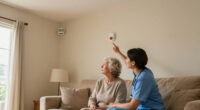
Fire safety is about prevention and quick action. Make sure smoke detectors are working—test them monthly. Place them near bedrooms and in the kitchen for early alerts.
Have a fire extinguisher nearby, and show your family how to use it. A quick spray can stop a small flame from turning into a disaster.
Why does this matter? Fires can happen unexpectedly, especially when cooking or heating. Smoke detectors provide early warnings, giving you precious seconds to react. Fire extinguishers are crucial for tackling small fires before they escalate. Regular maintenance and knowledge of how to operate these devices are essential. The tradeoff? These safety measures are straightforward and inexpensive but can be lifesavers, especially in a home where children are exploring. Being prepared ensures that your home remains both cozy and safe, allowing you to enjoy your country living with confidence.
Safety in the Bathroom: Keep Little Feet and Hands Dry and Secure
The bathroom is a splashy, slippery place. Use non-slip mats in the tub and on the floor. Toilet locks keep little ones from accidents or drowning—think of it as a gentle barrier around the water’s edge.
Supervise children closely in the bathroom. Picture yourself sitting nearby with a warm towel handy, ready to catch any surprise splash or fuss.
Why is this important? Water-related accidents are common in bathrooms. Non-slip mats reduce the risk of slips and falls, which can cause serious injuries. Toilet locks prevent small children from falling in or drowning, especially if they manage to climb onto the seat unsupervised. Close supervision remains vital, but safety devices add an extra layer of protection. Keeping cleaning supplies out of reach or in locked cabinets further reduces risk. The tradeoff? These measures are simple to implement and can prevent tragic accidents, allowing you to relax and enjoy your visits while knowing safety is prioritized.
Keep Things Tidy and Check Toys for Hazards
A cluttered room invites accidents. Regularly tidy up and check toys for broken parts or sharp edges. It’s like giving your play area a safety check-up, making sure everything is picture-perfect for their adventures.
For example, a grandma found a toy with a loose wheel—easy to fix or toss, but better to catch before a child swallows a small part.
Why does this matter? Toys with broken parts or sharp edges can cause cuts, splinters, or choking hazards. Regular inspection ensures that hazards are caught early, maintaining a safe environment for active play. A tidy space reduces tripping hazards and makes supervision easier, which is especially important when children are exploring freely. The tradeoff? Consistent tidiness and toy checks are quick habits that greatly reduce the chances of injuries, making playtime safer and more enjoyable for everyone.
Use Smart Safety Devices to Keep an Eye on Little Explorers
Smart home devices like cameras, door sensors, or locks add an extra layer of safety. You can monitor your home remotely, see if a child wanders into a dangerous area, or lock a door with a tap on your phone.
Imagine being in the garden, checking your tablet and seeing your little one exploring the living room safely—peace of mind made simple.
Why does this matter? These devices help compensate for distance or mobility issues, giving you real-time awareness of your child’s whereabouts. They also act as a deterrent for wandering into unsafe spaces or attempting to access restricted areas. The tradeoff? These smart devices are affordable and easy to install, providing a high return in safety and peace of mind, especially for busy or less mobile grandparents. They empower you to keep a close eye without constantly hovering, blending modern convenience with traditional country living charm.
Frequently Asked Questions
When should I start childproofing my home for visiting grandchildren?
Start as soon as you know a visit is planned or when your grandchild begins to crawl or walk. Early preparation makes safety seamless and stress-free.What are the most essential childproofing items I need?
Outlet covers, cabinet locks, stair gates, corner protectors, and door knob covers top the list. These are affordable and effective for quick safety wins.How do I childproof a multi-story home effectively?
Install safety gates at stairways, secure windows with locks or restrictors, and keep hazards on higher shelves out of reach. Prioritize the areas where little feet are most active.Are there tips for grandparents with mobility issues?
Yes, focus on easy-to-use safety devices, minimize clutter, and consider additional safety features like motion-activated lights. Keep safety accessible and simple.How often should I review and update my childproofing measures?
Regularly check and update them, especially as children grow and their abilities change. After home renovations, reassess hazards too.Conclusion
Childproofing isn’t about turning your country home into a fortress — it’s about creating a warm, welcoming space where curiosity is encouraged, but safety is always nearby. With a few simple tweaks, your home can be both cozy and secure for every visit.
Remember, a safe home means more relaxed visits and more happy memories. So take these small steps today—your little explorers will thank you, and so will your peace of mind.
Halloween Picks
halloween
As an affiliate, we earn on qualifying purchases.