TL;DR

Turn quiet afternoons into listening time
- Thousands of audiobooks, podcasts and originals
- Listen on your phone, tablet or Echo — also offline
- Cancel anytime
Transforming a rural home for wheelchair use starts with zero-step entries, wider doorways, and accessible bathrooms. Budget-friendly upgrades and funding options make it achievable, even in older, uneven country homes.
Living in a cozy country home should mean comfort, not obstacles. Yet many rural houses weren’t built with accessibility in mind. If you or a loved one use a wheelchair, small changes can make a world of difference.
From gravel driveways to narrow doorways, country homes pose unique challenges. This guide walks you through practical steps—big and small—to create a safer, more welcoming space that honors your independence and country charm.
Start with a no-step, weather-protected entry using ramps or regrading for easy wheelchair access.
Upgrade doorways and hallways with simple hardware changes or widening techniques—often under $500.
Transform bathrooms with curbless showers, grab bars, and comfort-height toilets to prevent falls.
Choose durable, smooth flooring and fix uneven surfaces for safe, effortless movement.
Consider multi-level options like stairlifts or creating a main-floor suite to avoid long stairs, especially in older homes.
How to Make a Country Home More Wheelchair-Friendly
Living in a cozy country home should mean comfort, not obstacles. From gravel driveways to narrow doorways, rural houses pose unique challenges — but small, smart changes can make a world of difference for safety, independence, and country charm.
Six Zones That Transform Daily Life
Each area of a country home presents its own barrier — and its own practical fix. Tackle them in order of risk, starting where falls are most likely.
Zero-Step, Weather-Proof Entrance
A gentle ramp (max 1:12 slope), compacted crushed stone or pavers over gravel, and a covered awning to keep mud and ice at bay. Regrading the landscape is a simple year-round fix.
Wider Doors & Clear Pathways
Offset Z-hinges add ~2 inches without reframing. Remove door stops, use pocket doors, and keep hallways 36″+ with a 5-foot turning radius in main rooms.
Safe, Roll-In Bathroom
Curbless shower with fold-down seat, grab bars anchored into studs (never suction), comfort-height toilet, and a wall-mounted sink with knee clearance.
Cook Comfortably Seated
Lower counter sections to 28–34″, add roll-under sinks and cooktops with insulated pipes, side-opening ovens, pull-out shelves, and lever or D-shaped pulls.
Smooth, Sturdy Surfaces
Replace thick carpet and loose rugs with hardwood, laminate, or low-pile commercial carpet. Level uneven floorboards and use flush, beveled threshold strips.
Beat the Stairs
Install a stairlift (straight or custom curved) — or create a main-floor living suite with bedroom and full bath, often the most cost-effective rural solution.
Work From the Outside In
Prioritizing in this order secures safe access first, then removes the highest fall risks, then expands independence across the whole property.
Secure the Entry
No-step ramp, firm path surface, weather cover
Open the Interior
Widen doorways, clear hallways, level floors
Fix the Bathroom
Curbless shower, anchored grab bars, safe fixtures
Solve the Stairs
Stairlift or main-floor living suite
Extend Outdoors
Raised beds, lit paths, accessible outbuildings
What Each Modification Typically Costs
Approximate ranges — prices vary by region and materials. Start with the high-priority, low-cost wins before committing to major remodels.
| Modification | Typical Cost | Priority | Why It Matters |
|---|---|---|---|
| Grab bars (installed, stud-anchored) | $100 – $300 | Critical | Cheapest fall-prevention upgrade in the highest-injury room |
| Offset hinges & doorway tweaks | Under $500 | Critical | Gains ~2″ of clearance per door without reframing |
| Entry ramp (wood; concrete costs more) | $1,000 – $5,000+ | Critical | The single most important modification: zero-step access |
| Stairlift (straight; curved is pricier) | $2,500 – $8,000 | High | Safe multi-level access without major structural work |
| Roll-in / curbless shower remodel | $5,000 – $15,000+ | High | Eliminates the top tripping hazard; enables unassisted bathing |
| Residential elevator | $20,000 – $50,000 | Optional | Premium alternative when a main-floor suite isn’t feasible |
From $100 Grab Bars to $50K Elevators
Upper-end cost of each upgrade, visualized to scale. Most safety gains cluster at the affordable left edge of the chart.
Funding Sources Worth Knowing
You don’t have to shoulder the full cost alone. Several programs specifically help rural homeowners and veterans fund accessibility modifications.
HCBS Waivers
Home & Community-Based Services waivers often cover home modifications. Availability and caps vary by state — check your state Medicaid office first.
VA Grants
SAH (Specially Adapted Housing), SHA (Special Home Adaptation), and HISA grants help veterans adapt homes for service-connected and other disabilities.
USDA Section 504
The Rural Development home repair program offers grants and low-interest loans to very-low-income rural homeowners for accessibility and safety work.
“A well-placed, gentle slope ramp can significantly reduce injury risk and improve independence — and it costs between $1,000–$5,000 depending on materials and size.”
— Key Insight · HuckfarmOne Connected Chain of Access
True country accessibility means every link works — from the driveway gate to the garden bed, with smart-home tech tying it all together.
Arrival
Firm path · No-step entryMovement
32″+ doors · 5-ft turnsSelf-Care
Roll-in shower · Grab barsDaily Living
Low counters · Smooth floorsOutdoors
Raised beds · Lit pathwaysSmart Layer
Voice controls · Video doorbellStart at the Entry: Create a No-Step, Weather-Proof Entrance
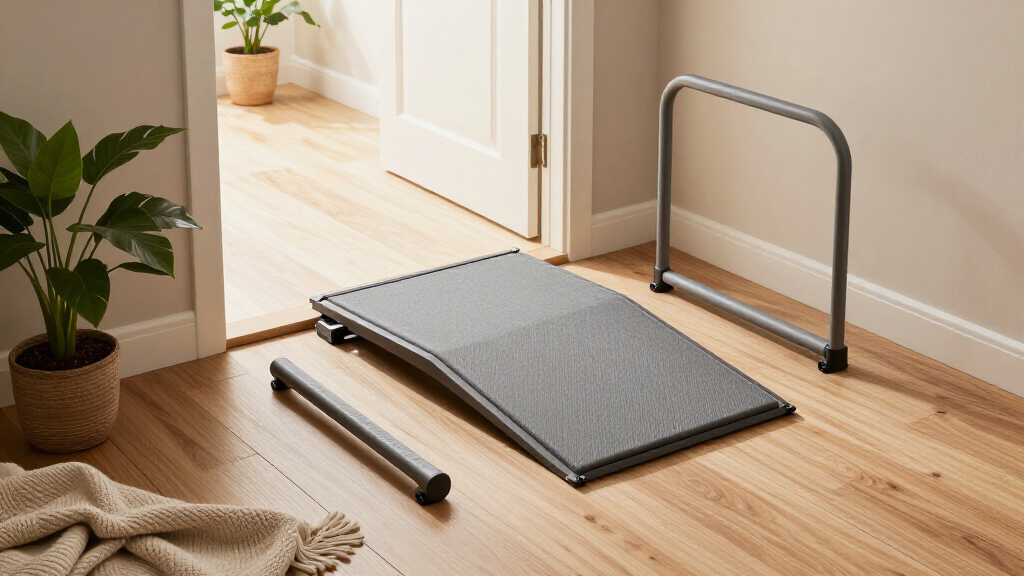
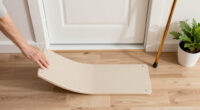
The first step to making your country home wheelchair-friendly is ensuring at least one entry has zero steps. A gentle ramp, ideally no more than 1 inch of rise per foot, makes it easy to roll right in. For example, a porch with a 6-inch step can be replaced with a 6-foot ramp that’s sturdy and slip-resistant.
In rural settings, gravel and dirt paths make wheelchair travel tough. Compacting crushed stone, installing concrete pads, or laying pavers creates a smooth, durable surface. Covering the entry with a roof or awning adds weather protection, keeping mud and ice at bay.
Consider regrading the landscape to slope gently toward the door. It’s a simple fix that can prevent accidents and make your home welcoming year-round.
Accessible entry points are vital because they directly influence safety and independence. A stable, level entrance reduces the risk of falls, especially in bad weather or winter when icy conditions are common. Budget-friendly options like modular ramps or regrading can be effective, but they may involve tradeoffs such as limited adjustability or the need for periodic maintenance. Prioritizing these improvements ensures safer access and a smoother transition into your home, which is crucial for users with mobility challenges.
wheelchair accessible ramp for home
As an affiliate, we earn on qualifying purchases.
As an affiliate, we earn on qualifying purchases.
Widen Doors and Clear Pathways Inside
Inside, standard doorways are often too narrow for wheelchair access. Aim for at least 32 inches of clear width, with 36 inches being ideal for turning comfortably. If your doors are narrower, simple hardware changes or minor framing adjustments can help.
For example, swapping out hinges for offset or Z-hinges adds about 2 inches without full re-framing. Removing door stops or replacing heavy frames with thinner jambs also works. Hallways should be at least 36 inches wide; for tighter spaces, consider removing non-load-bearing walls or installing pocket doors.
Creating a 5-foot turning radius in main rooms ensures smooth navigation. This is especially important in smaller homes where space is limited but safety and ease of movement are paramount. Wider pathways and doorways reduce the risk of accidents, such as bumping into furniture or door frames, which can cause injuries or discourage independence. While these modifications might seem minor, they have significant implications for daily safety and ease of use, especially when moving a wheelchair through tight spaces. Tradeoffs include potential structural adjustments and costs, but the long-term benefits of safer, more accessible living spaces outweigh these considerations.
widened door hinges for wheelchair access
As an affiliate, we earn on qualifying purchases.
As an affiliate, we earn on qualifying purchases.
Transform Your Bathroom into a Safe, Accessible Haven
The bathroom is the riskiest spot for falls. Installing a curbless, roll-in shower with a fold-down seat can eliminate tripping hazards. For example, a 60-inch by 30-inch shower with no curb allows easy wheelchair entry. This change not only improves safety but also promotes independence, as users can shower without assistance or awkward transfers.
Secure grab bars anchored into studs are safer than suction-mounted ones because they won’t shift or fall over time. Position them near the toilet and in the shower—think of sturdy, country-style fixtures that blend with your home’s charm but provide reliable support.
Choose comfort-height toilets (around 18 inches) and wall-mounted sinks with enough knee clearance. These small changes reduce the risk of falls and make daily routines more accessible. The tradeoff involves potential plumbing and remodeling costs, but the safety and independence gained are well worth the investment. Properly designed bathrooms can become safe retreats that maintain rural charm while ensuring essential accessibility.
As an affiliate, we earn on qualifying purchases.
Make the Kitchen More Usable for Wheelchair Users
In a country kitchen, lowering some countertops to 28–34 inches makes cooking easier. Incorporate roll-under sinks and cooktops, with insulated pipes to prevent burns. For example, a side-opening oven allows easier access without stepping back.
Pull-out shelves and lever handles on faucets or cabinets make everyday tasks smoother. D-shaped or D-style pulls replace traditional knobs, reducing strain and making opening cabinets effortless.
Imagine preparing a meal while comfortably sitting at a lowered counter—more independence, less frustration.
As an affiliate, we earn on qualifying purchases.
Choose the Right Flooring for Safety and Ease
Uneven, thick carpet and loose rugs are dangerous for wheelchairs. Switch to hard, smooth surfaces—hardwood, laminate, or low-pile commercial carpet. For instance, a sturdy laminate can withstand rural wear and tear while providing a safe rolling surface.
In country homes, uneven floorboards or transitions between additions can cause bumps. Address these with leveling compounds or threshold strips that are flush and beveled.
Clear clutter and avoid loose rugs that could slide or catch wheels. Think of your floors as the foundation of safe movement—clean, smooth, and sturdy. Deeply understanding the importance of flooring choices reveals that they are not just aesthetic but critical for safety and ease of movement, especially in older homes with uneven surfaces. Properly addressing these issues prevents injuries and facilitates easier wheelchair navigation, making daily life more manageable and reducing frustration caused by unexpected bumps or slips.
Handle Multi-Level Living with Smart Solutions
Stairs are a major barrier. If your home has multiple floors, consider installing a stairlift, with costs ranging from $2,500 to $8,000. For curved stairs, a custom-fit model is available, but it’s pricier. These lifts provide safe, reliable access, reducing the need for costly renovations or risky transfers.
Another smart move is creating a **main-floor living suite**—a bedroom and full bath on the ground level. It’s often the most cost-effective way to keep living space accessible without major structural changes. This approach minimizes the risk associated with stairways and makes daily routines safer and more manageable, especially for those with limited mobility or in emergencies. Weighing the costs and benefits of stairlifts versus redesigning living spaces helps homeowners make informed decisions that balance safety, practicality, and rural charm.
Outdoor and Property Changes for Full Country Accessibility
Country homes often have sprawling land, so making outdoor spaces accessible is key. Build raised garden beds at 24–30 inches high for easier gardening. Install sturdy handrails along steps and pathways, with lighting to improve visibility at night.
Ensure accessible routes to barns, mailboxes, and outbuildings. For long driveways or gravel paths, consider compacted crushed stone or concrete pads at key points. These modifications not only improve safety but also enable continued enjoyment of outdoor activities, which are integral to country living. Proper outdoor accessibility reduces isolation and encourages active engagement with the rural environment, but it requires balancing the natural landscape with practical pathways. Planning these changes thoughtfully ensures safety without compromising the aesthetic or functional aspects of rural properties.
Incorporate Smart Home Tech for Easy Control
Smart home devices can make life easier without major construction. Voice-controlled lights, thermostats, and door locks help manage the home with minimal effort. For example, a voice command can turn on the porch light or open the front door—helpful in bad weather or after dark.
Video doorbells and automated door openers add convenience and safety. Many devices are affordable and simple to install, especially in rural homes where wiring may be straightforward.
Imagine controlling your home with a few words—less bending, reaching, or navigating tight spaces. Integrating smart technology enhances independence and safety, especially in rural settings where physical access might be more challenging. While some may worry about costs or complexity, many smart devices are user-friendly and cost-effective, making them an excellent addition for improving overall accessibility and peace of mind.
Frequently Asked Questions
How much does it cost to make a house wheelchair accessible, and where should I start?
Costs vary widely—from around $100 for grab bars to over $15,000 for a full bathroom remodel. Start with the most critical, like entry ramps and bathroom safety upgrades, which offer the biggest safety boost for the lowest investment.
What is the ideal ramp slope, and how long should my ramp be for a specific porch height?
The recommended slope is 1:12, meaning 1 inch of rise for every 12 inches of length. For a 6-inch step, a 6-foot ramp provides a gentle, safe incline that’s comfortable for most wheelchair users.
Can I widen my doors without major re-framing?
Yes, using offset or Z-hinges can add about 2 inches without full wall re-framing. For more extensive widening, a contractor can remove or modify frames, often costing between $200–$500 per door, depending on complexity.
Are home modifications covered by Medicare or Medicaid?
Medicare typically does not cover home modifications, but Medicaid waivers or state programs like USDA rural grants might. Check local resources and grants geared toward rural seniors or veterans for financial assistance.
What outdoor adaptations are best for country gardens and barns?
Raised beds, wide pathways, and sturdy handrails make outdoor spaces accessible. Use compacted gravel or concrete at key points to ensure smooth, safe travel—think of your garden as a country retreat you can enjoy fully.
Conclusion
Small, thoughtful changes can turn a rustic country home into a safe haven for wheelchair users. With a little planning, you preserve the charm and independence that make country living so special.
Remember—accessibility isn’t about big renovations alone. It’s about making your home a place where you feel safe, comfortable, and free to enjoy every moment in your beloved country life.
Cold & flu season Picks
humidifiers
As an affiliate, we earn on qualifying purchases.