
TL;DR

Turn quiet afternoons into listening time
- Thousands of audiobooks, podcasts and originals
- Listen on your phone, tablet or Echo — also offline
- Cancel anytime
Trekking poles can create two extra points of contact with the ground, improving balance and confidence. Proper setup, technique, and terrain awareness are key to getting the most benefit while avoiding common mistakes.
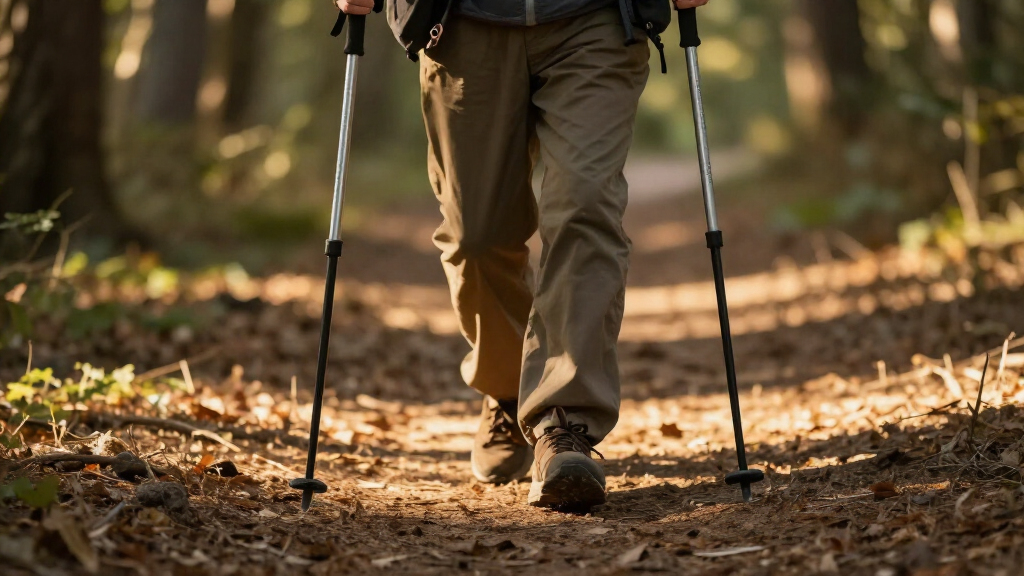
Imagine walking along a forest trail, the sun filtering through leaves, a gentle breeze carrying the earthy smell of moss and pine. Your trekking poles tap softly against the dirt, steadying your steps on uneven ground. They’re not just tools—they’re trusted companions that help you stay upright and confident, especially on tricky slopes or loose gravel.
If you’re looking for a gentle, effective way to boost your balance and confidence outdoors, learning how to use trekking poles properly can make a real difference. This guide will walk you through choosing the right poles, setting them correctly, and practicing simple techniques that turn a good walk into a safe, enjoyable adventure.
Choose adjustable, lightweight poles with comfortable grips and secure locks for best support.
Set pole length so your elbow stays bent at about 90 degrees—adjust for terrain changes.
Use straps properly—loop from below, keep your hands relaxed, and remove straps in hazardous situations.
Plant your poles near the opposite foot, testing each placement, especially on rough terrain.
Practice a natural, rhythmic pattern to support your walking and boost confidence.
A Gentle Guide to Using Trekking Poles for Balance
Trekking poles create two additional points of contact with the ground. With a relaxed grip, a comfortable fit, and deliberate placement, they can make uneven paths, slopes, gravel, and stream crossings feel steadier and more controlled.
Extra stabilizing points with a pair of poles
A comfortable starting angle at the elbow
Right foot with left pole, then switch
Secure the pole before committing weight
Pick poles that feel like an extension of you
Two poles generally offer better balance and symmetry than one. Prioritize easy adjustment, dependable locks, comfortable grips, usable straps, and a weight you can manage all day.
Adjustable length
Fine-tune the fit for flat ground, climbs, descents, traverses, and changing users.
Reliable locks
Choose mechanisms you can operate easily and check regularly for slipping or looseness.
Relaxed grips
A supportive shape should let the hand remain light instead of squeezing throughout the walk.
| Material | Weight | Impact tolerance | Cost tendency | Best suited to |
|---|---|---|---|---|
| Aluminum | ~ Moderate | ✓ Generally durable | Usually affordable | Rockier terrain and everyday reliability |
| Carbon fiber | ✓ Often lighter | ~ Less tolerant of sharp impacts | Often higher | Long walks where low carried weight matters |
Set, strap, plant, step
Begin on open, level ground. The poles should support your natural walking rhythm—not dictate it or carry your full body weight.
Stand tall
Relax the shoulders and keep the chest comfortably upright.
Grip lightly
Let the strap share pressure instead of clenching the handle.
Plant opposite
Move the left pole with the right foot, then alternate.
Commit slowly
Confirm firm purchase before transferring weight on uncertain ground.
Approximate elbow bend on level ground
Place the tip beside your foot. Adjust the handle to around wrist height while standing upright. Comfort matters more than chasing an exact angle. Raised shoulders, excessive reaching, or a hunched posture are signs the length needs attention.
Adapt before the ground demands it
Small adjustments can preserve posture and control. Move deliberately, keep the pole plants close enough to support you, and never let speed outrun placement.
Lengthen slightly
Plant ahead and a little to the sides. Use short steps and soft knees, securing each pole before stepping down.
Shorten slightly
Plant near the feet and push backward through the straps. Stay upright and use short, controlled steps.
Anchor downhill
Shorten the uphill pole and lengthen the downhill pole when possible. Keep your body calm and upright.
Unfasten straps
Test every placement and maintain multiple contacts. Moving water can dislodge a pole; do not cross when consequences are unsafe.
Support works best when technique leads
Poles can redistribute effort, engage the upper body, and improve perceived stability. They do not eliminate knee stress, guarantee against falls, or replace sensible route decisions.
Up to this level of lower-limb load reduction has been reported with properly used poles.
Gentle hands, close plants, sound judgment
Most problems begin when poles are treated as rigid crutches. Keep checking your posture, locks, tips, straps, and the ground beneath each plant.
Gripping too tightly
Creates hand and forearm fatigue. Let the strap carry pressure during ordinary walking and keep the fingers relaxed.
Planting too far ahead
Can pull the torso forward and weaken balance. Plant nearer the opposite foot unless a descent requires a modest forward reach.
Leaning heavily
Overloads shoulders and makes a slipping tip more consequential. Use poles as stabilizers, not permanent weight-bearing crutches.
Keeping straps on in hazards
Remove or loosen straps where poles may snag—in dense vegetation, scrambling, difficult crossings, or terrain where a fall is possible.
Confidence grows one secure contact at a time
Remember: poles are aids—not substitutes for suitable footwear, terrain awareness, weather judgment, or medical evaluation when balance problems are persistent, new, or worsening.
How to Pick the Perfect Trekking Poles for Your Needs
Not all trekking poles are created equal. The right set will feel like an extension of your body, not a burden. Look for adjustable length poles—these let you fine-tune your support on hills or uneven surfaces. Secure locks keep your settings steady, and comfortable grips prevent hand fatigue after hours on the trail.
Materials matter too. Aluminum poles are sturdy and affordable, handling rougher terrain. Carbon-fiber poles are lighter, making them easier to carry but can be pricier and more prone to impact damage. Consider your typical hikes and personal comfort when choosing.
For example, if you enjoy long country walks with gentle hills, lightweight carbon-fiber might be ideal. If your terrain includes rocky descents and stream crossings, durable aluminum could serve you better.
adjustable trekking poles with comfortable grips
As an affiliate, we earn on qualifying purchases.
As an affiliate, we earn on qualifying purchases.
Getting Your Poles to Fit Just Right: Setting Length for Comfort and Stability
Proper pole length is essential for balance. Start on flat ground: stand upright, hold your pole with your arm bent at about 90 degrees, and adjust until the handle is comfortably at your wrist level. This setup supports good posture and effortless movement.
For climbs, slightly shorten the poles to prevent strain. For descents, lengthen them a little to keep your weight distributed evenly. When crossing tricky spots, such as a rocky stream, adjust the length for maximum control.
Imagine a hiker crossing a shallow creek. They lengthen their poles to probe the water, testing for depth and footing before stepping in. That’s the power of right fit.
lightweight trekking poles for hiking
As an affiliate, we earn on qualifying purchases.
As an affiliate, we earn on qualifying purchases.
Mastering the Straps: How to Use Them for Less Hand Fatigue and More Support
Using straps correctly means your hands stay relaxed, saving energy for longer walks. Loop your hand up through the strap from below, then grip the handle lightly. When you push down on the pole, the strap bears most of your weight—not your grip.
Loosen or remove straps in risky situations—like slippery crossings or dense brush—where a snag could pull your arm or cause a fall. Think of straps as helpers, not crutches.
Picture yourself climbing a gentle hill. You press into the straps with your palms, pushing back to propel yourself upward, reducing strain on your shoulders and arms.
trekking poles with secure locking mechanisms
As an affiliate, we earn on qualifying purchases.
As an affiliate, we earn on qualifying purchases.
Walking with Purpose: The Simple Rhythm of Using Poles for Balance
Start with a relaxed stance, shoulders down. Hold your poles lightly, letting them angle slightly backward. As you step with your right foot, push the left pole forward. Then switch—left foot, right pole.
Plant each pole near the opposite foot, not far ahead. This creates a gentle, rhythmic support that guides your stride naturally. Avoid leaning heavily into the poles; they’re there to support, not to carry you.
Imagine a country stroll, the sound of your poles softly tapping the earth. This rhythm keeps your steps steady and your confidence high.
As an affiliate, we earn on qualifying purchases.
Getting the Most Out of Your Poles on Different Terrains
Descending: Lengthen your poles slightly. Place them ahead and to the sides, planting firmly before your knees bend. Shorter steps and soft knees help absorb shock, while the poles distribute some load away from your joints.
Climbing: Shorten the poles a bit. Plant near your feet, pushing backward through the straps to help propel yourself upward. Keep your posture upright, taking quick, controlled steps.
Traversing slopes: Use the downhill pole as your anchor. Keep your body upright, avoiding leaning into or away from the slope. The poles act as stabilizers, not crutches.
Crossing streams or uneven ground: Unclip the straps, test each pole’s placement, and face upstream or slightly across the current. Multiple points of contact make crossings safer, but water movement can still dislodge your poles unexpectedly.
What Science Says About Using Trekking Poles
Research shows that properly used trekking poles can cut down knee and joint stress during descents by up to 25%. This reduction in impact can significantly decrease the wear and tear on your knees and joints over time, preventing long-term damage. Additionally, they enhance your sense of stability, which can be crucial on uneven or slippery surfaces, reducing the risk of falls. Engaging your arms during walking also helps distribute effort across your entire body, making your activity more efficient and less tiring.
However, technique matters. Sloppy use—like planting too far ahead or gripping tightly—can negate benefits or cause new problems, like shoulder strain or falls. Proper technique involves deliberate placement and relaxed grip, which minimizes fatigue and maximizes support. Practicing correct form ensures you get the full benefits of your investment in quality trekking poles.
Imagine testing your poles on rocky terrain, feeling how each step becomes more controlled and secure. That’s the power of good technique backed by science—supporting your safety and confidence on the trail.
Avoiding Common Pitfalls: How to Use Your Poles Safely
Many walkers make simple mistakes that can cause falls or injuries. Common errors include gripping too tightly, planting too far ahead, or leaning heavily on the poles. These habits can lead to unnecessary fatigue, poor balance, or even falls if the poles slip or if your posture is compromised. Straps left on during tricky crossings can catch on rocks, branches, or slippery surfaces, pulling your arm unexpectedly and increasing fall risk. This can turn a minor slip into a serious accident.
Understanding why these mistakes matter is crucial. Gripping too tightly causes muscle fatigue that reduces your control and increases the risk of dropping the poles at critical moments. Planting too far ahead can throw off your balance, making you more prone to falls rather than preventing them. Leaning heavily on poles can transfer undue stress to your shoulders and arms, leading to discomfort or injury over time. Failing to remove straps during hazardous crossings can cause your arm to be yanked unexpectedly if the pole catches on something, leading to a fall or injury. Regular safety checks and mindful technique—like testing each pole’s placement and maintaining relaxed grips—are vital. These habits help prevent accidents, preserve your energy, and keep you safe on the trail.
The Latest in Trekking Pole Design: What’s New and Useful
Recent designs focus on lightweight, compact, and versatile features. Folding poles are easier to pack and carry, making travel and storage more convenient. New materials—like hybrid carbon-aluminum—strike a balance between weight savings and durability, allowing you to enjoy longer hikes without feeling weighed down. Ergonomic grips and quick-release straps enhance comfort, reducing hand fatigue and improving control during demanding sections of trail.
Some models include anti-shock systems to absorb impact force, especially beneficial on long descents where joint strain is common. Interchangeable tips and baskets enable you to adapt your poles to snow, mud, or rocky surfaces, extending their usefulness across seasons and terrains. These innovations make trekking poles more adaptable, safer, and more comfortable, encouraging outdoor activity regardless of conditions.
Imagine slipping on a quick-deploy folding pole, its lightweight frame ready in seconds, making your country walk smoother and more enjoyable. The latest features help you stay comfortable and confident, no matter how challenging the trail.
Staying Safe and Feeling Confident: When to Seek Expert Advice
If you experience dizziness, weakness, or repeated falls, don’t rely solely on poles. These signs can signal underlying health issues that need professional attention. Poles are aids, not cures, and addressing health concerns is essential for your safety. People with neurological, joint, or balance conditions might benefit from instruction by a physiotherapist. They can assess your specific needs, teach tailored techniques, and help you walk safely and comfortably. Consulting a professional ensures that your use of trekking poles complements your overall health and mobility goals, reducing the risk of injury or falls caused by improper technique or underlying issues.
Remember, a well-fitted pair of poles combined with good health advice is the best way to stay active and secure on your country trails.
Frequently Asked Questions
Are two trekking poles better for balance than one?
Yes, two poles provide more symmetry, stability, and support. They help distribute your weight evenly and improve balance, especially on uneven terrain. One pole can be handy, but two create a more natural, balanced support system.
How do I know the right height for my trekking poles?
Start with your elbow bent at about 90 degrees when holding the pole on flat ground. Adjust until your grip feels natural and your posture stays upright. Remember, terrain changes may require quick tweaks for comfort and safety.
Should I plant the poles in front of or behind my feet?
For regular walking, plant the poles near the opposite foot, with the shaft angled slightly backward. When descending or negotiating obstacles, plant them farther ahead for support. Proper placement keeps you steady and reduces the risk of falls.
Can trekking poles help prevent falls?
They can improve your stability and confidence, especially on tricky paths. But they’re not foolproof. Correct technique and terrain awareness are vital. Sloppy use or overreliance can introduce new hazards.
Do poles reduce knee pain during hikes?
They can lessen some of the load during descents, which might ease knee discomfort. However, persistent pain should be checked by a healthcare professional. Poles support your joints, but they’re not a cure-all.
Conclusion
Your trekking poles can be more than just accessories—they’re partners in maintaining your balance and independence. Proper setup, technique, and awareness turn them into powerful tools for safe walking through country trails or neighborhood streets.
Next time you head out, remember: it’s not just about the poles. It’s about how you use them—steady, relaxed, confident. That’s the key to enjoying every step with grace and security.
Cold & flu season Picks
humidifiers
As an affiliate, we earn on qualifying purchases.