
TL;DR
Open a free Amazon Business account
Business pricing, bulk buying and tax-exempt orders.
Create a free accountAs an affiliate, we earn on qualifying purchases.
Low-maintenance perennials return every year with little work, offering vibrant color and lush foliage. Proper selection and planting techniques can keep your garden beautiful while saving you time and effort.
Imagine a garden where flowers bloom reliably every spring, and lush leaves return with barely a fuss. That’s the magic of low-maintenance perennials. They’re the backbone of a garden that’s beautiful, sustainable, and easy to care for.
If you’re tired of constant work or just want a garden that rewards your effort with lasting charm, this guide is for you. We’ll explore the best perennials that come back every year, need little tending, and bring country-style warmth to your outdoor space.
Many perennials, like hostas and sedum, need only minimal care once established.
Dividing plants every few years keeps them healthy and blooming longer.
Choosing native perennials reduces watering and pest problems.
Proper planting time and mulching are key to low-effort success.
A garden filled with resilient, easy perennials can last for decades with just a little attention.
Why Low-Work Perennials Are Your Garden’s Best Friend
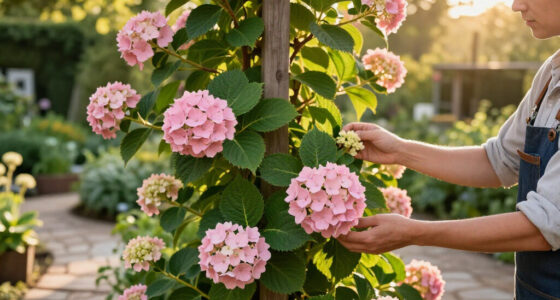
Low-maintenance perennials are hardy, resilient plants that survive and thrive year after year. Once established, they need only occasional pruning or dividing, making gardening less of a chore. Think of a hosta with its broad, wave-like leaves or a sedum that clings to rocky corners with minimal water.
Understanding why these plants are so dependable matters because it influences how you plan your garden. Their resilience means they can tolerate adverse conditions, but it also means you should select varieties suited to your specific climate and soil. The tradeoff is that some hardy plants may not have the most dramatic flowers or foliage compared to more demanding species, but their ease of care makes up for this. Choosing wisely ensures your garden remains vibrant without requiring constant attention.
As an affiliate, we earn on qualifying purchases.
Top 7 Perennials That Return Year After Year with Little Effort
| Plant | Why It’s Great | Best Growing Conditions |
|---|---|---|
| Hostas | Bold, lush foliage that thrives in shade | Part shade, moist, well-drained soil |
| Sedum (Stonecrop) | Drought-tolerant, rock-solid hardy | Full sun, poor soil, excellent drainage |
| Daylilies | Vibrant, long-lasting flowers, very forgiving | Full sun to part shade, adaptable soil |
| Black-eyed Susan | Bright, cheerful flowers; drought-resistant | Full sun, well-drained soil |
| Lavender | Fragrant, attracts pollinators, drought-tolerant | Full sun, sandy soil |
| Peony | Long-lived with large, showy blooms | Full sun, rich, well-drained soil |
| Coreopsis | Cheerful yellow blooms, easy to grow | Full sun, average soil |
These plants are sturdy, adaptable, and tend to flourish with just a bit of annual pruning or dividing. Their durability means they can withstand neglect better than more delicate plants, but this also requires understanding their growth habits. For instance, dividing perennials like peonies every few years prevents overcrowding, which can lead to disease or reduced flowering. Recognizing these tradeoffs helps ensure your garden remains healthy and vibrant with minimal effort, turning it into a self-sustaining landscape that offers years of beauty.
As an affiliate, we earn on qualifying purchases.
How to Plant and Care for Perennials That Keep Coming Back
- Pick the right spot: see which plants thrive in sun or shade.
- Plant at the right time: early spring or fall work best.
- Prepare the soil: loosen it, add compost if needed.
- Plant with care: set roots at the right depth, water thoroughly.
- Mulch generously: help retain moisture and keep weeds out.
- Water wisely: regular watering in the first year, then let drought-tolerant plants take over.
- Divide every few years: rejuvenate plants and expand your garden.
For instance, dividing a clump of peonies every 3-4 years keeps them healthy and produces more blooms. This practice not only maintains the plant’s vigor but also prevents overcrowding, which can hinder flowering and lead to disease. While dividing might seem labor-intensive initially, it’s a small investment for long-term health and productivity. It’s a tradeoff worth making, as it ensures that your plants continue to thrive with minimal ongoing effort, turning your garden into a resilient, self-renewing space.
As an affiliate, we earn on qualifying purchases.
How Native Plants Make Gardening Easier & Better for Nature
Native perennials are plants that naturally grow in your area. They’re already adapted to your climate, soil, and insects, so they need less water, fewer fertilizers, and less fuss. For example, native coneflowers or wild ferns often thrive on neglect, yet support local bees and butterflies.
Choosing native plants is not just about reducing effort; it’s about creating a sustainable ecosystem. Native plants tend to be more resistant to local pests and diseases because they’ve evolved alongside these challenges. This means less need for chemical interventions, which benefits the environment and your health. However, it’s important to recognize that native plants might not always have the showiest flowers compared to exotic varieties, but their resilience and ecological benefits make them invaluable. The tradeoff is that you may need to adjust your expectations for flower size or bloom time, but in return, you gain a more self-sufficient and environmentally friendly garden that requires less intervention over time.
As an affiliate, we earn on qualifying purchases.
Key Tips for Growing Your Perennials with Less Work
- Plant in the right spot: match plants with their preferred sunlight and soil.
- Mulch generously: it keeps weeds down and moisture in.
- Water smartly: deep, infrequent watering encourages deep roots.
- Divide regularly: every 3-4 years, to keep plants vigorous and expand your garden.
- Choose natives: they’re more forgiving and supportive of local wildlife.
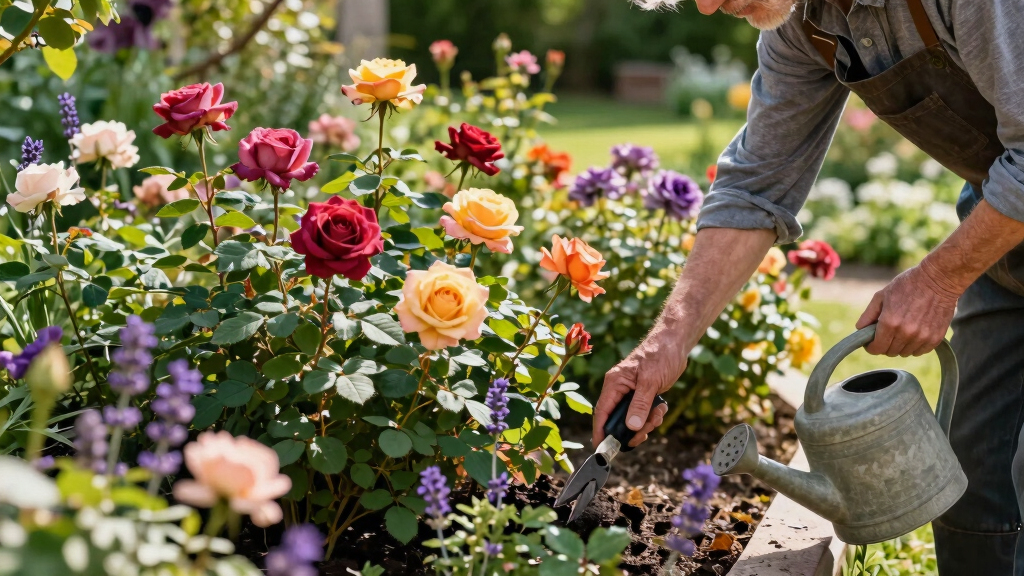
For example, mulching around your lavender keeps weeds at bay and preserves moisture, so you spend less time watering or weeding. Recognizing the importance of proper planting and maintenance routines ensures your garden remains healthy and low-effort. While these practices may require some initial effort, they pay off by reducing ongoing work and increasing plant longevity. The tradeoff is that with consistent mulching, watering, and dividing, your garden becomes a resilient, self-sustaining haven that stays beautiful year after year with minimal intervention.
Frequently Asked Questions
Which perennials are the easiest for a beginner gardener?
Hostas, daylilies, sedum, and black-eyed Susan are known for their forgiving nature. They tolerate a range of soil and light conditions, making them perfect for those new to gardening.
How often do low-maintenance perennials need attention?
Once established, most require only annual deadheading, dividing every 3-4 years, and occasional pruning. Watering in dry spells and mulching can also cut down on work.
Are native perennials truly easier to grow?
Yes, native plants are adapted to your local environment, requiring less water, fewer fertilizers, and fewer pest controls. They also support local wildlife, making your garden both easier and more eco-friendly.
When is the best time to plant perennials for minimal effort?
Plant in early spring or fall when the weather is cooler and soil is easier to work with. Proper planting at the right time helps plants settle in and flourish with less fuss.
Do low-maintenance perennials support pollinators?
Absolutely! Many, like lavender, coneflowers, and black-eyed Susans, attract bees, butterflies, and hummingbirds, supporting local ecosystems while requiring less work from you.
Conclusion
Transform your garden into a cozy, carefree haven by choosing the right perennials that come back year after year with little work. With just a bit of planning and some simple routines, you’ll enjoy vibrant blooms and lush greenery for many seasons.
Imagine stepping outside to a garden that almost takes care of itself — a quiet, beautiful retreat that feeds your soul without demanding your time. That’s the gift of smart perennial choices, made simple.
NFL season / tailgating Picks
team gear
As an affiliate, we earn on qualifying purchases.