
TL;DR

Get comfort and care essentials delivered free — and shop member deals
- Fast, free delivery on millions of items
- Access to Prime Big Deal Days deals on October 6–7
- Prime Video, Amazon Music and more included
Traveling with a walker or scooter is less stressful when you prepare ahead. Know airline policies, choose the right device, and plan for accessible services at your destination to enjoy a smoother journey.
Imagine arriving at a busy airport, your favorite suitcase in one hand, and your foldable scooter or walker ready for the journey ahead. It’s not just about getting from point A to B—it’s about feeling confident and in control every step of the way. Traveling with your mobility device doesn’t have to be stressful. With a little prep, you can turn what seems daunting into a smooth, even enjoyable experience.
In this guide, you’ll learn practical tips and insider tricks to make your trips more comfortable. Whether you’re flying across the country or exploring a new city, these insights help you avoid the common pitfalls and keep your independence shining bright.
Choosing a lightweight, foldable device simplifies handling and storage during travel.
Always verify airline policies about battery size, device dimensions, and pre-arranged assistance.
Pack your device carefully with protective cases, and carry spare parts and tools for quick fixes.
Plan your destination’s accessibility options and explore rental services to ease navigation.
Stay informed about recent technological advances to enjoy smoother, safer trips.
Traveling with a Walker or Scooter Without the Stress
TL;DR: Traveling with a walker or scooter is easier when you prepare ahead. Choose a lightweight device, confirm airline battery and size rules, pack protective gear, and map accessible services before arrival so every transfer feels calmer.
Choose the device that fits the trip.
Lightweight, foldable walkers and scooters make storage, lifting, transfers, and hotel navigation easier. The tradeoff is simple: lighter devices often sacrifice battery range, terrain handling, or weight capacity.
Foldable Walker
Best for shorter walks, errands, airport corridors, and travelers who need steady support without batteries or charging logistics.
Portable Scooter
Best for longer distances, large terminals, resorts, museums, and city days where fatigue can build quickly.
Weight vs. Range
Match the device to terrain, transfer points, charging access, and whether you can safely lift or disassemble it.
Travel Handling Spectrum
Know the policy before the airport does.
Airline rules differ on cabin storage, checked handling, battery watt-hours, and assistance requests. Early communication reduces gate surprises, device damage, delays, and denied boarding risk.
| Travel Question | Walker | Foldable Scooter | Power Scooter | Stress-Saving Move |
|---|---|---|---|---|
| Likely to fit in compact storage? | ✓ Often | ✓ Usually | ~ Depends | Measure length, width, height, and folded size. |
| Battery paperwork needed? | ✗ No | ~ If powered | ✓ Yes | Bring battery specs and airline approval notes. |
| Easy to disassemble? | ✓ Yes | ✓ Often | ~ Variable | Practice disassembly once before travel day. |
| Best for long sightseeing days? | ~ Limited | ✓ Strong | ✓ Strong | Map charging, accessible routes, and rest stops. |
Build a low-stress travel flow.
Think of the trip as a chain. Each link protects the next one: booking clarity, packing control, calm screening, accessible arrival, and a backup plan.
Confirm
Contact airline, hotel, and transport providers with device dimensions and battery specs.
Prepare
Label parts, photograph the device, charge batteries, and pack chargers separately.
Protect
Use a padded case, remove loose accessories, and carry basic repair tools.
Screen
Tell security staff how the device folds, locks, lifts, or needs manual inspection.
Explore
Use accessible transport, rentals, ramps, elevators, and wide-route planning.
Pack like your independence depends on it.
A small packing system prevents expensive repairs, missing parts, and unnecessary waiting. Keep critical accessories with you whenever airline rules allow.
Chargers, spare bolts, labels, battery documentation, and local repair contacts are small items that prevent big disruptions during airport transfers and destination days.
Destination planning turns access into freedom.
After arrival, the real win is moving comfortably through hotels, streets, attractions, restaurants, ride-share pickups, and repair contingencies.
Confirm the built environment.
- Ask about ramps, elevators, door widths, and shower access.
- Check whether attractions publish accessible route maps.
- Verify shuttle, taxi, and ride-share pickup accessibility.
Use rentals strategically.
- Reserve scooters or wheelchairs for large resorts or city trips.
- Request hotel delivery when possible.
- Keep a rental provider number saved in your phone.
Let smart features help.
GPS tracking, remote diagnostics, faster charging, and improved battery range can reduce uncertainty when moving through unfamiliar places.
Ask for the assistance now available.
Many carriers and transit systems have clearer mobility-device procedures, better pre-boarding support, and more accessible vehicle options.
Reader questions, answered fast.
These are the highest-impact questions to settle before you leave home.
How do I make sure my device is accepted on planes?
Contact the airline well in advance with dimensions, weight, battery type, watt-hours, and disassembly details. Ask whether assistance must be pre-arranged.
Can I rent a scooter or wheelchair at my destination?
Yes. Many cities, resorts, and medical-equipment companies deliver mobility rentals directly to hotels, which can be easier than transporting bulky gear.
What should I pack with my device?
Bring chargers, approved battery documents, a repair kit, spare parts, labels, a protective case, and photos showing how the device folds or separates.
What if my device breaks during travel?
Carry simple tools, identify repair services near your hotel, ask about rental backup options, and check whether your travel insurance covers mobility-device damage.
Choose the Right Device for Travel — Lightweight and Foldable Matters
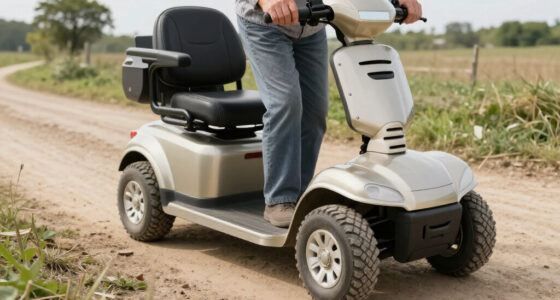
Your mobility device should be easy to carry, store, and fit into different transport modes. Lightweight, foldable scooters and walkers are game-changers. They slip into overhead compartments, trunks, or storage closets without fuss. For example, a 2022 survey found that 65% of travelers prefer foldable models because they’re quicker to pack and less bulky.
Think about your needs: do you want a powered scooter to cover long distances? Or a sturdy walker for quick errands? Picking the right device upfront saves time and reduces stress during transit. The tradeoff often involves balancing weight with power—lighter devices may have limited battery life or weight capacity, so understanding your travel distances and terrain helps you choose the best option. This decision impacts not only convenience but also safety and comfort, especially if you’re navigating unfamiliar environments or uneven surfaces.
lightweight foldable mobility scooter
As an affiliate, we earn on qualifying purchases.
As an affiliate, we earn on qualifying purchases.
Master Airline Policies — What You Need to Know Before Booking
Traveling with a walker or scooter on a plane is common, but each airline has its own rules. Most allow foldable devices in the cabin, but size, weight, and battery limits vary. For instance, some airlines restrict batteries to 100Wh, while others permit up to 300Wh for longer trips.
Pro tip: Always contact your airline well in advance. Provide details about your device’s size and battery specs. Confirm whether you need to pre-arrange assistance or boarding help. Being proactive prevents surprises at the gate. Understanding these policies helps you weigh options—sometimes, choosing a smaller or different model might be necessary to comply with airline restrictions. Additionally, early communication ensures that assistance services are arranged, reducing anxiety and making the boarding process smoother. The implications are significant: proper preparation can prevent delays, damage to your device, or being denied boarding, all of which can disrupt your travel plans and cause unnecessary stress.
airline approved mobility scooter battery
As an affiliate, we earn on qualifying purchases.
As an affiliate, we earn on qualifying purchases.
Pack and Handle Your Device Like a Pro — Simple Tricks for Smooth Travel
Handling your device properly can make or break your trip. Use a sturdy travel bag or case designed for mobility devices. Before packing, remove loose parts and secure batteries. Imagine disassembling a foldable scooter into two parts, then sliding it into a padded case—easy and protected.
Also, keep maintenance tools and spare parts handy in case of minor repairs. At airports, notify security staff about your device; most are trained to help you through screening without damage. Proper packing ensures your device remains functional and safe during transit, preventing costly repairs or delays. Additionally, understanding airport security procedures allows you to navigate screening smoothly—sometimes, security personnel need specific instructions or assistance, so informing them beforehand can save time and avoid mishandling. The importance lies in preventing damage, ensuring safety, and maintaining your independence throughout the journey.
As an affiliate, we earn on qualifying purchases.
Navigating Your Destination — Accessibility and Renting Options
Once you arrive, accessibility is key. Check if your hotel, airport, and attractions have ramps, elevators, and wide doorways. Many hotels now offer accessible rooms equipped for mobility devices. If your device is too bulky, consider renting at your destination. Cities like Orlando and San Diego boast rental services that deliver scooters and wheelchairs directly to your hotel.
For example, a traveler visiting New Orleans rented a power scooter for easy wandering through French Quarter streets—no fuss, no fatigue. Access to rental services can significantly reduce the physical strain of navigating unfamiliar environments, especially if your own device is bulky or requires special handling. It also offers flexibility—if your device needs repairs or maintenance, rental options provide a backup. Considering these options ensures you can explore comfortably, maintain independence, and avoid the fatigue that often accompanies long walks or uneven terrain. The key is planning ahead to identify reliable rental providers, understanding what equipment is available, and ensuring it meets your safety needs.
accessible travel assistance services
As an affiliate, we earn on qualifying purchases.
As an affiliate, we earn on qualifying purchases.
Recent Tech and Policy Changes That Make Traveling Easier
Advances in battery tech mean longer-lasting, faster-charging electric scooters, making travel less of a worry. Many airlines now offer clearer policies and better assistance, thanks to industry updates in 2023. Ride-share services like Uber and Lyft have introduced accessible vehicles, helping travelers reach destinations without stress.
Plus, some devices now include smart features—GPS tracking, remote diagnostics—that boost safety and peace of mind. Staying informed about these innovations helps you plan ahead and travel confidently. These technological improvements often translate into more reliable, safer, and user-friendly options, reducing the anxiety associated with travel uncertainties. For example, GPS-enabled devices can help you locate your scooter if misplaced or assist emergency responders in case of an accident. Understanding these innovations allows travelers to leverage new tools for safer, more efficient journeys, ultimately enhancing independence and peace of mind.
Top 5 Tips to Travel Stress-Free with Your Mobility Device
- Plan ahead: Contact airlines and accommodations about your device.
- Choose the right gear: Lightweight, foldable, and easy to disassemble.
- Pack smart: Use durable cases, remove loose parts, carry chargers and repair kits.
- Know your rights: Familiarize yourself with policies and request assistance early.
- Research local services: Rental agencies, accessible transport, and nearby repair shops.
Frequently Asked Questions
How do I make sure my mobility device is accepted on planes?
Contact your airline well in advance to discuss size, battery, and disassembly requirements. Provide detailed info about your device and ask about assistance options. Doing this ahead of time prevents surprises and ensures a smoother boarding experience.
Can I rent a scooter or wheelchair when I arrive at my destination?
Absolutely. Many cities and resorts have rental services that deliver mobility devices right to your hotel. This is a good option if your device is too bulky for travel or if you prefer trying different models for comfort and convenience.
What should I do if my device breaks during my trip?
Carry basic repair tools and spare parts if possible. Know the locations of local repair shops or authorized service centers at your destination. Travel insurance that covers device repair can also offer peace of mind.
Are there any safety tips for traveling with a powered scooter?
Always inspect batteries before traveling, ensure they’re securely installed, and don’t exceed weight limits. Familiarize yourself with local traffic rules and designated paths for scooters to stay safe and comfortable.
Conclusion
Traveling with a walker or scooter doesn’t have to feel like a mountain to climb. With a little foresight and preparation, you can turn your journeys into stories of independence and adventure. Think of your device as a trusty companion, ready to help you explore the world at your own pace.
Now, pack smart, communicate early, and embrace each trip with confidence. The open road—and those charming country roads—are waiting for you.
Cold & flu season Picks
humidifiers
As an affiliate, we earn on qualifying purchases.