
TL;DR

Turn quiet afternoons into listening time
- Thousands of audiobooks, podcasts and originals
- Listen on your phone, tablet or Echo — also offline
- Cancel anytime
Fall garden cleanup doesn’t have to be harsh or overwhelming. By timing tasks right, using ergonomic tools, and choosing eco-friendly methods, you can keep your garden healthy and beautiful for spring, all while protecting beneficial insects and soil life.
When autumn leaves crunch under your boots and the air turns crisp, it’s tempting to dive into a big garden cleanup. But rushing can do more harm than good. Instead, think of fall cleanup as a gentle, caring process — like tucking your garden in for a cozy winter nap.
This guide will show you how to clear away the old without disturbing the new. You’ll learn simple steps, eco-friendly tricks, and smart tools to make your garden chores feel more like a mindful ritual than a heavy task.
Timing your cleanup after most plants have gone dormant and before heavy frost protects your garden’s health.
Use ergonomic, lightweight tools to make the process gentle and less physically demanding.
Leave some leaf piles and plant debris to support beneficial insects and natural soil health.
Add compost and mulch to insulate roots and prepare your garden for spring.
Gentle cleanup promotes a resilient, thriving garden without harming tiny soil creatures or beneficial bugs.
When’s the Best Time for Fall Garden Cleanup? Here’s How to Time It Right
The best time for fall cleanup is after most of your plants have gone dormant but before the first heavy frost. In many zones, that’s usually in late October or early November. Waiting too long risks frost damage to tender plants, but rushing too early might leave pests hiding in the debris.
Imagine walking through your garden on a sunny afternoon, leaves just starting to carpet the ground. That’s your cue to begin. Keep an eye on weather forecasts—frost dates are your guide. A gentle brush of snow or frost signals you’re almost ready to tidy up.
Developing a simple plan can help. List your tasks, set a flexible schedule, and pace yourself. Remember, this isn’t a race — it’s a cozy, caring process.
As an affiliate, we earn on qualifying purchases.
Tools That Make Fall Cleanup Gentle and Easy
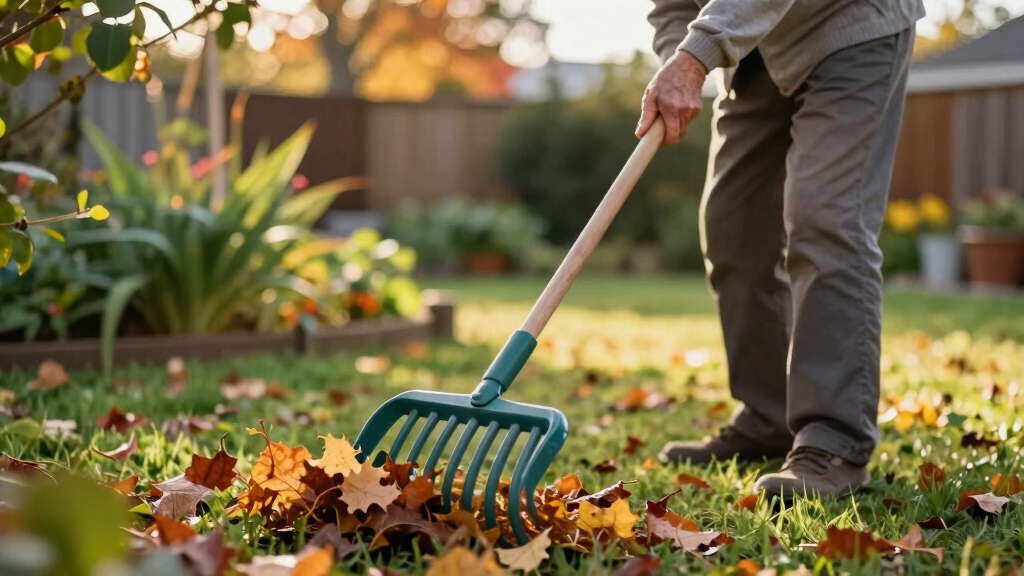
Using the right tools can turn a workout into a relaxing chore. Choose ergonomic, lightweight tools designed for comfort. Long-handled rakes, soft pruners, and battery-powered leaf vacuums reduce strain and make cleanup smoother.
For example, a lightweight, curved rake with a cushioned grip can gather leaves without tiring your arm. A long-handled pruner helps reach high or awkward branches without climbing on a ladder.
Consider eco-friendly options like compostable leaf bags or reusable mulching sheets. These choices protect your garden’s health and make cleanup feel more sustainable.
As an affiliate, we earn on qualifying purchases.
How to Remove Debris Without Hurting Your Garden’s Good Bugs
Removing dead plant material and leaves is vital for pest control, but it’s equally important to do it gently. Raking leaves into piles is fine, but avoid turning everything over aggressively. Instead, use a soft rake or leaf blower set to a gentle mode.
For instance, leave some leaf piles in quiet corners. They become homes for beneficial insects and pollinators overwintering in your garden. These tiny helpers will emerge in spring, ready to pollinate and fight pests.
Think of your garden as a cozy habitat, not a battlefield. Gentle removal preserves its delicate balance — just like a caring neighbor tending to her garden with respect.
Why does this matter? Because beneficial insects such as ladybugs, lacewings, and pollinators like bees rely on leaf piles and debris for overwintering. Overly aggressive cleanup can destroy these habitats, reducing natural pest control and pollination in the following season. By handling debris gently, you maintain the garden’s natural resilience and reduce the need for chemical interventions, which can harm beneficial insects and soil microbes. The tradeoff is that some organic matter remains, but that’s beneficial for soil health and biodiversity, making your garden a thriving ecosystem year-round.
As an affiliate, we earn on qualifying purchases.
Smart Ways to Prepare Your Soil for Winter
Adding organic matter and mulch is a simple, gentle way to boost your soil’s health over winter. Spread a layer of compost or leaf mold over beds, then cover with straw or shredded bark mulch. This keeps roots insulated and weeds at bay.
Picture your garden beds wrapped in a cozy quilt of organic material. It’s like tucking your plants in for a peaceful, protected sleep. Come spring, this rich blanket will nurture new growth.
For example, a thick layer of mulch around roses and perennials can prevent heaving from freeze-thaw cycles and make spring clean-up easier.
Why is this important? Because healthy soil is the foundation of a thriving garden. Covering beds with organic mulch not only insulates roots but also promotes beneficial microbial activity, which is essential for nutrient cycling and plant health. The tradeoff of using mulch is minimal; it may require occasional replenishment, but it significantly improves soil structure, moisture retention, and weed suppression. This approach reduces the need for chemical fertilizers and pesticides, supporting a more sustainable garden ecosystem that benefits both plants and soil life.
As an affiliate, we earn on qualifying purchases.
Protect Your Plants Without Killing Their Spirit
Some plants need extra care to survive winter. Cover tender shrubs and perennials with burlap or straw to shield them from harsh winds and cold. Remove annuals and dead plants that won’t survive, but leave the healthy perennials to rest and recover.
Imagine wrapping a fragile rose bush in a cozy blanket made of burlap. It’ll thank you with healthy blooms next year. This gentle approach keeps your garden thriving without harsh pruning or over-cleaning.
Why is this beneficial? Because over-pruning or removing too much can weaken plants or expose them to winter damage. Using protective coverings like burlap or straw provides insulation, reducing stress and promoting healthy growth in spring. The tradeoff is that it requires some effort to install and remove these covers, but the long-term health benefits outweigh the minimal inconvenience. This method respects the plant’s natural dormancy while giving it a gentle shield against winter’s worst.
Eco-Friendly and Wildlife-Friendly Cleanup Tips
Eco-conscious gardening means thinking about the creatures that share your yard. Leave some leaf piles and plant debris in quiet corners to provide habitat for beneficial insects, frogs, and overwintering pollinators.
Imagine a small pile of leaves tucked behind a bush. It’s not just waste—it’s a winter home for ladybugs and lacewings. These tiny allies help keep pests down naturally in spring.
Also, choose biodegradable mulches and avoid chemical pesticides. Your garden can be both beautiful and alive, a little country refuge for nature’s helpers.
Why does this matter? Because supporting local wildlife and beneficial insects promotes a balanced ecosystem. Providing habitat by leaving some debris is a simple yet powerful act of conservation that reduces the need for chemical pest controls, promoting soil biodiversity and resilience. The tradeoff? Slightly less tidiness, but a healthier, more vibrant garden that sustains beneficial populations year-round.
Why Gentle Cleanup Beats Rough Methods Every Time
Gentle cleanup protects tiny soil dwellers, beneficial insects, and the overall health of your garden. Ripping out every leaf and dead stem can disturb these vital parts of your garden’s ecosystem.
Instead, think of yourself as a garden caregiver — removing only what’s necessary and leaving what matters. This approach keeps your garden resilient and ready for spring.
Research from garden sustainability studies shows that less aggressive cleaning promotes healthier soil and stronger plants.
Why is this important? Because aggressive removal can disturb the soil structure, destroy habitats for beneficial organisms, and reduce the natural pest control and pollination cycles. Over time, this can lead to weaker plants and more dependency on chemical inputs. Conversely, gentle cleanup preserves the soil’s microbial community, maintains habitat for beneficial insects, and supports the natural resilience of your garden. The tradeoff is that some organic debris remains, which enriches the soil, rather than depletes it, fostering a thriving, balanced ecosystem.
Your Simple, Gentle Fall Cleanup Checklist
- Wait for the right weather — after most leaves fall and before heavy frost.
- Gather ergonomic, lightweight tools suited for gentle work.
- Rake or blow leaves softly, leaving some in quiet corners for wildlife.
- Add compost and mulch to protect and nourish beds.
- Cover sensitive plants with burlap or straw.
- Remove diseased or dead plants, but avoid over-cleaning.
- Consider leaving some debris for beneficial insects to overwinter.
This simple list makes fall cleanup feel manageable, even enjoyable — like a quiet country tradition.
Frequently Asked Questions
When is the best time to do fall garden cleanup?
The best time is after most plants have gone dormant and before the first heavy frost, usually in late October or early November, depending on your climate zone. Look for a dry, sunny day with clear weather to start.
What tools are best for gentle and effective cleanup?
Use ergonomic, lightweight tools like soft rakes, long-handled pruners, and battery-powered leaf vacuums. These reduce strain and make cleanup easier, especially if you’re older or have joint issues.
Should I leave some leaves or plant debris in my garden?
Yes. Leaving some leaf piles in quiet corners provides shelter for beneficial insects like ladybugs and pollinators overwintering in your yard. It’s a small act of kindness for your garden’s ecosystem.
How can I compost garden waste safely?
Compost garden debris in your backyard using a compost bin or pile. Shred larger branches and leaves first. Turn the compost regularly and keep it moist. This creates rich soil for next year’s planting season.
What are eco-friendly ways to clean up my garden?
Opt for biodegradable mulches, leave some debris for wildlife, and avoid chemical pesticides. Use manual tools and compost organic waste to keep your garden sustainable and wildlife-friendly.
Conclusion
Think of fall cleanup as a gentle farewell to the garden — a moment to nurture and protect what’s there. By choosing soft tools, smart timing, and eco-friendly practices, you keep your garden healthy and ready for spring’s rebirth.
Imagine your garden wrapped in a cozy quilt of leaves and mulch, waiting peacefully for the new season. That’s the beauty of a gentle, mindful approach — it’s caring for your garden as you would a favorite old friend.
Cold & flu season Picks
humidifiers
As an affiliate, we earn on qualifying purchases.