TL;DR

Turn quiet afternoons into listening time
- Thousands of audiobooks, podcasts and originals
- Listen on your phone, tablet or Echo — also offline
- Cancel anytime
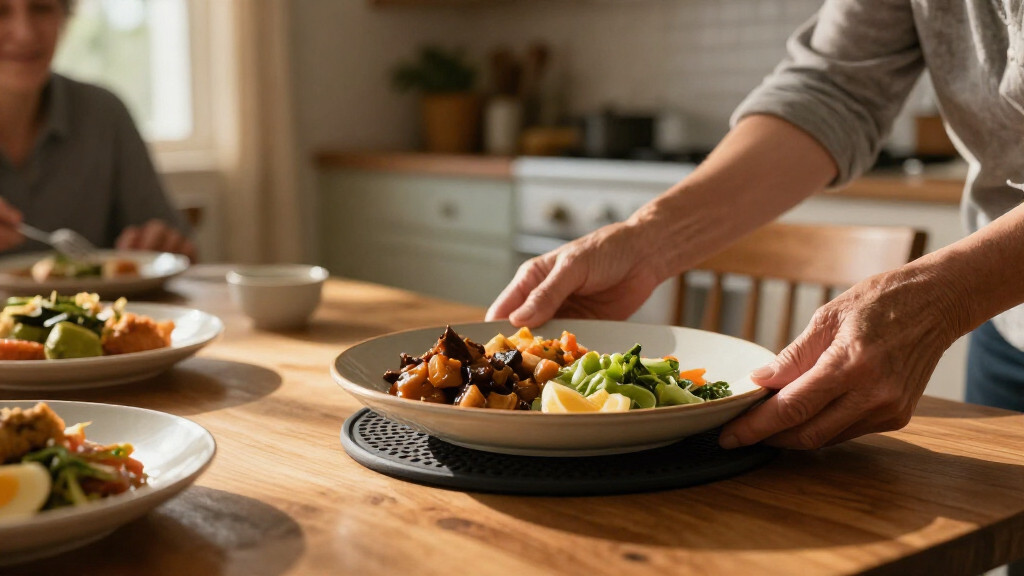
Non-slip dinnerware uses features such as suction, grippy undersides, added weight, or raised edges to help keep dishes steady and make scooping easier. Try a dish on the actual eating surface, check whether it feels manageable to lift and clean, and follow its care label; no single design prevents every spill or suits everyone.
Try a suction plate on the actual table and placemat you use; it may need a clean, smooth, nonporous surface.
Match the design to the problem: suction anchors, grippy bases add friction, and weight may reduce movement.
Test a raised edge or curved interior with a familiar food to see whether it makes scooping easier.
Check whether you can comfortably lift, carry, and wash a dish, especially when it is full.
Follow the product’s care label, including specific microwave and dishwasher directions.
A practical guide · Mealtime comfort
Choosing Non-Slip Dinnerware for Steadier Meals
A steadier dish can make scooping feel easier. Match the base, shape, weight, and care needs to the table—and the person using it.
01 / How stability works
Different features solve different problems
A plate can skate when you press a fork into food, or move while you scoop with one hand. Base features resist movement; helpful contours give food somewhere to gather. None makes a dish spill-proof, and results vary by table, meal, and user.
Suction base
Attaches to a compatible surface. It may loosen on textured, porous, or placemat-covered tables and can take effort to release.
Grippy underside
Rubber or silicone helps resist sliding without fastening the dish to the table. Check contact and cleanability.
Weight or broad base
May reduce movement or feel reassuring, but extra weight can make carrying and washing harder.
Raised edge
Offers a boundary to push food against while gathering a bite with a spoon or fork.
Curved interior
Can guide soft foods toward the center. Try it with familiar foods to see whether the contour helps.
Useful size
Room to work is helpful only if the food remains within comfortable reach and the dish is manageable to wash.
A grippy base is like rubber feet on a step stool: it adds friction. Suction anchors to a compatible tabletop. Weight works more like a sturdy mixing bowl that resists a light nudge.
02 / Choose the base
Match the feature to what makes the dish shift
Suction, grip, and added weight are not interchangeable. Think about the table surface, the movement you want to reduce, and whether the dish still feels easy to lift.
| Feature | May suit | Check before choosing |
|---|---|---|
| Suction base | A smooth, clean counter or tabletop where you want the dish anchored while scooping. | Check: It may not hold on textured or porous surfaces, placemats, or some wood finishes. It may take effort to release. |
| Rubber or silicone underside | Someone who wants extra grip without attaching the dish to the tabletop. | Check: The base makes contact with the table and textured areas are straightforward to clean and dry. |
| Added weight or broad base | Someone who prefers a familiar-looking dish that resists a light nudge. | Check: Too much weight or width can make lifting, carrying, reaching, and washing harder. |
If a plate slides across a smooth breakfast bar but needs to travel easily to the sink, try a grippy underside first. If you want it anchored on a compatible smooth surface, try suction. Let the task guide the choice.
03 / Make scooping easier
Try the shape with food you actually eat
A rim can act like a small fence for peas; a curved interior can guide soft food inward. A deeper bowl may suit soup or cereal, while a tall rim may be harder for some people to see into or reach across.
Pick a familiar food
Try yogurt, mashed potato, peas, or scrambled eggs—something you often eat.
Gather a bite
Notice whether the edge gives your spoon a useful place to rest and push against.
Check your reach
Consider the dish diameter and how it sits relative to your arms and chair.
Try another meal
A contour that helps with soft food may matter less for toast or a sandwich.
“The best test is an ordinary meal, not a quick glance at a product photo.”
Start with one item04 / A home trial
Four checks before choosing a set
Run through these steps with a small meal or snack. A useful fit should feel workable during eating and cleanup.
- Set it on the usual surface. Include the table, counter, and any placemat normally used. Suction often needs a clean, smooth, nonporous surface.
- Test a familiar food. Notice whether the dish moves and whether its edge helps you gather a bite.
- Lift and carry it. A dish that feels planted may be awkward to bring to the sink if it is heavy or wide.
- Check cleanup. Read the care label; see whether seams, removable bases, and textured areas are easy to wash and dry.
05 / Material and care
Choose what you can comfortably handle and clean
Materials differ in weight, flexibility, durability, and appliance care. Check the maker’s instructions for the exact dish; do not assume every model is dishwasher, microwave, or oven safe.
Silicone
Often light and flexible. Check whether the loaded shape stays steady and how the surface should be washed.
Plastic
Often lightweight and durable for daily use. Follow product-specific dishwasher and microwave directions.
Melamine
Often resembles everyday tableware. Generally avoid microwave use unless the product specifically says it is microwave-safe.
Ceramic
Often heavier and familiar, but can break. Consider whether its weight is manageable to lift and wash.
Removable suction bases can help with cleaning or storage, but food and moisture may collect where parts join. Follow the product’s specific care label, including appliance directions.
The decision path
From table to comfortable meal
Stability depends on the dish, surface, food, and person. A neighbor may love a suction bowl at a smooth counter while you find it difficult to release; that is useful information for your choice.
Non-slip dinnerware may help people with tremors, limited hand strength, injury recovery, or other challenges keep dishes steadier; it can also support independent eating for some children. For significant swallowing, coordination, or mobility difficulties, dinnerware does not replace individualized guidance. An occupational therapist can suggest adaptations for a person’s needs.
What makes a plate stay put while you eat?
Non-slip dinnerware uses features such as a suction base, grippy underside, added weight, or broad base to resist sliding while you eat. Some plates also have raised edges that help you gather food onto a spoon. Each feature works differently, so the table and the person using the dish matter as much as the plate itself. Think of a grippy base like the rubber feet on a step stool: it adds friction between two surfaces. A suction base takes a different approach and anchors itself to a compatible tabletop. A weighted plate relies on its mass to feel steadier, much like a sturdy mixing bowl that stays put while you stir. None of these features makes a dish spill-proof. For example, if a plate slides when you press a fork into roasted vegetables, a textured underside may help. If the plate moves because you are trying to scoop applesauce with one hand, a raised rim could be more useful. These details can make meals more manageable for people who have difficulty keeping plates and bowls steady, though results vary. A dish that works well on one table may behave differently on another. A suction plate may hold on a clean, smooth counter yet loosen on a woven placemat. Treat claims such as “spill-proof” as product claims, not guarantees, and judge the dish by how it behaves during an ordinary meal.Products Worth Considering

Orbit B-hyve XR 16-Zone Indoor/Outdoor Smart Sprinkler Timer
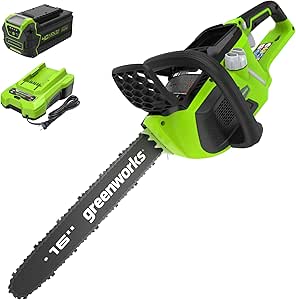
Greenworks 40V 16-Inch Brushless Cordless Chainsaw with 4.0Ah Battery and Charger
Orbit B-hyve XR 8-Zone Indoor/Outdoor Smart Sprinkler Controller
As an affiliate, we earn on qualifying purchases.
How can you find the right fit for your hands and table?
To choose non-slip dinnerware, try it on the surface where you eat, then check whether you can scoop, lift, and clean it comfortably. A feature only helps when it suits your routine. Run through these checks with a small meal or snack before buying several dishes.- Set it on the usual eating surface. Test it on your kitchen table or counter, including any placemat you normally use. A suction base often needs a clean, smooth, nonporous surface to hold.
- Try a familiar food. Scoop something like yogurt, mashed potato, or peas. Notice whether the dish moves and whether its edge gives your spoon a useful place to rest.
- Lift and carry it. A plate that feels planted on the table may be awkward to bring to the sink if it is too heavy or wide.
- Check the cleanup. Read the care label and see whether seams, removable bases, or textured areas are easy to wash and dry.
Should you choose suction, grip, or added weight?
Suction, grippy undersides, and added weight can all help a dish feel steadier, but they suit different tables and preferences. Suction anchors a compatible plate; a grippy base adds friction; and extra weight may reduce movement without attaching the dish to the tabletop. Match the feature to what makes your plate shift.| Feature | May suit | Check before choosing |
|---|---|---|
| Suction base | A smooth, clean counter or tabletop | May not hold on textured, porous, or placemat-covered surfaces; may take effort to release |
| Rubber or silicone underside | Someone who wants grip without an anchored plate | Check that the base makes contact with the table and can be cleaned easily |
| Added weight or broad base | Someone who prefers a familiar-looking dish that resists a light nudge | Too much weight can make lifting and washing harder |
Which plate shape makes scooping feel simpler?
Raised edges, high sides, and curved interiors can give your spoon or fork a helpful place to push food against. They are especially worth trying if food tends to slide away while you scoop. The shape does not need to look like special equipment; some bowls and plates have gentle contours that blend in with everyday tableware. Picture a serving of peas rolling across a flat plate. A raised rim can act like a small fence, giving the spoon a boundary to work against. A curved interior can guide soft food toward the center. For soup or cereal, a deeper bowl may be more practical than a shallow dish, though a taller rim may make it harder to see or reach the food at the bottom for some users. Try the shape with a food you eat often. For instance, place scrambled eggs on a contoured plate and see whether you can gather a bite without chasing it around the dish. Then try a sandwich or a slice of toast. A shape that helps with one meal may not matter much with another. Also consider the plate’s diameter and where it sits relative to your arms and chair. A large surface offers room to work, but it can be awkward to reach across or wash. The useful size is the one that gives you room to eat while keeping food within comfortable reach.How do materials affect weight, warmth, and care?
Dinnerware materials differ in weight, flexibility, durability, and appliance care, so check the maker’s label for the exact dish. Plastic and silicone are often lightweight; ceramic is familiar and usually heavier but can break; melamine has its own care limits. The right material depends on what you can comfortably handle and how you clean up.| Material | What it can feel like | What to check |
|---|---|---|
| Silicone | Light and flexible | Whether the shape stays steady when loaded and how the surface should be washed |
| Plastic | Often lightweight and durable for daily use | Dishwasher and microwave directions for that specific product |
| Melamine | Often resembles everyday rigid tableware | It generally should not go in a microwave unless the product specifically says it is microwave-safe |
| Ceramic | Heavier and familiar on the table | Whether you can lift and wash it easily, and how to handle the risk of breakage |