
TL;DR

Turn quiet afternoons into listening time
- Thousands of audiobooks, podcasts and originals
- Listen on your phone, tablet or Echo — also offline
- Cancel anytime
The easiest snow thrower to move isn’t always the lightest. Look for self-propelled models with good balance, responsive steering, and features that match your terrain and strength. Proper handling and feature choices can turn snow removal into a manageable task, even for older adults.
When winter’s white blanket covers your driveway and walkways, the last thing you want is a snow thrower that feels like a workout. But choosing the right machine isn’t just about how much snow it can clear — it’s about how easy it is to push, turn, and handle. A machine that’s hard to maneuver can turn snowy mornings into exhausting chores.
In this guide, you’ll learn how to pick a snow thrower that reduces effort, keeps you safe, and makes winter snow removal something you actually look forward to. From understanding key features to practical tips on testing machines, we’ve got you covered for a safer, simpler winter season.
Prioritize self-propelled features and good weight balance over just choosing the lightest model.
Test handling by maneuvering the machine in the store — turn, lift, and operate controls with gloves on.
Wheeled models are easier on flat pavement; track-driven machines excel on slopes but are heavier off.
Features like power steering, adjustable handles, and reverse drive significantly reduce effort.
Clear snow early and take narrow passes to minimize fatigue and effort.
Winter Equipment Field Guide
Choosing a Snow Thrower That’s Easy to Push
The easiest machine is not always the lightest. Powered movement, responsive steering, thoughtful balance, and terrain-matched traction determine whether clearing snow feels controlled—or exhausting.
What actually makes a machine easy?
“Easy to push” can mean three different things: advancing through packed snow, turning at the end of a pass, or repositioning the machine while it is switched off. Evaluate all three.
Self-propelled movement
Powered wheels or tracks reduce effort far more than a small reduction in machine weight. Multiple speeds let you match the pace to snow depth and density.
Assisted turning
Wheel-release triggers, automatic differentials, or independent wheel controls make heavier machines easier to pivot without straining arms and shoulders.
Neutral handle feel
A well-balanced machine needs little downward handle pressure to keep its intake positioned correctly. Poor balance can make even a light model tiring.
Controls within reach
Adjustable handles, padded grips, simple chute controls, and low-force levers reduce repetitive stress—particularly for arthritis or limited grip strength.
Powered backing
Reverse drive matters on heavier two-stage machines. It helps the operator retreat from banks, corners, and the dense ridge left by a snowplow.
Freewheel mode
Check whether the drive disengages and the handle folds. Published weight does not reveal how easily a machine crosses a threshold or enters storage.
Try the machine like snow is already falling
A specification sheet cannot reveal awkward controls, stiff steering, or poor balance. Wear winter gloves and run this five-part handling check before buying.
Check natural handle height
Turn fully left and right
Pull backward without power
Operate every gloved control
Lift the handle and pivot
Walk away if: the machine resists turning, needs constant downward pressure, rolls poorly while off, or places frequently used controls beyond comfortable reach.
Test with glovesWheels or tracks?
Wheels favor agility on level pavement. Tracks favor grip on slopes, gravel, and deep snow. Neither is universally easier—the surface decides.
| Handling factor | Wheeled models | Track-driven models | Low-effort choice |
|---|---|---|---|
| Level pavement | ✓Roll easily and turn quickly on smooth driveways. | ~Stable, but extra grip and weight can feel cumbersome. | Wheels |
| Slopes and ice | ~May slip or require more steering correction. | ✓Superior traction reduces uphill pushing effort. | Tracks |
| Turning | ✓Generally nimble, especially with easy-turn controls. | ~Power steering is important for comfortable pivots. | Wheels |
| Moving while off | ✓Usually easier to roll into storage. | ✗Often heavy and resistant without a transport mode. | Wheels |
| Gravel and deep snow | ~Capable when self-propelled, but traction may vary. | ✓Grip and stability suit uneven, demanding terrain. | Tracks |
✓ Strong advantage ~ Situation-dependent ✗ Common limitation
Relative ease by machine type
This qualitative index combines typical weight, agility, powered assistance, and off-power movement. Final handling depends on the specific model and terrain.
Best features for limited strength
- 1Self-propelled drive with a slow first gear
- 2Power steering or easy-turn triggers
- 3Electric push-button starting
- 4Adjustable handles and comfortable grips
- 5Low-force controls, reverse, and freewheel mode
Choose the smallest capable machine
Narrower machines are easier to maneuver but need more passes. Wider machines clear faster but add weight and bulk. Start with the surface, slope, and typical snowfall.
Walkways and decks
Consider a powered snow shovel or compact single-stage model. Low weight and a narrow clearing path matter more than maximum capacity.
Flat paved driveway
A wheeled single-stage or self-propelled two-stage machine offers agile handling. Choose capacity according to local snow depth.
Slopes, gravel, or deep snow
Favor a self-propelled two-stage model. Tracks add traction; wheeled versions remain easier to move and store when unpowered.
Effort shifts with the job
Agility → CapacityThe practical verdict
Let the drive do the work.
Prioritize self-propulsion, steering assistance, balanced handles, and terrain fit. Clear snow before it becomes deep or compacted, use narrower overlapping passes, and maintain tire pressure, cables, axles, skid shoes, and drive tension to keep rolling resistance low.
What makes a snow thrower easy to push? The key features explained
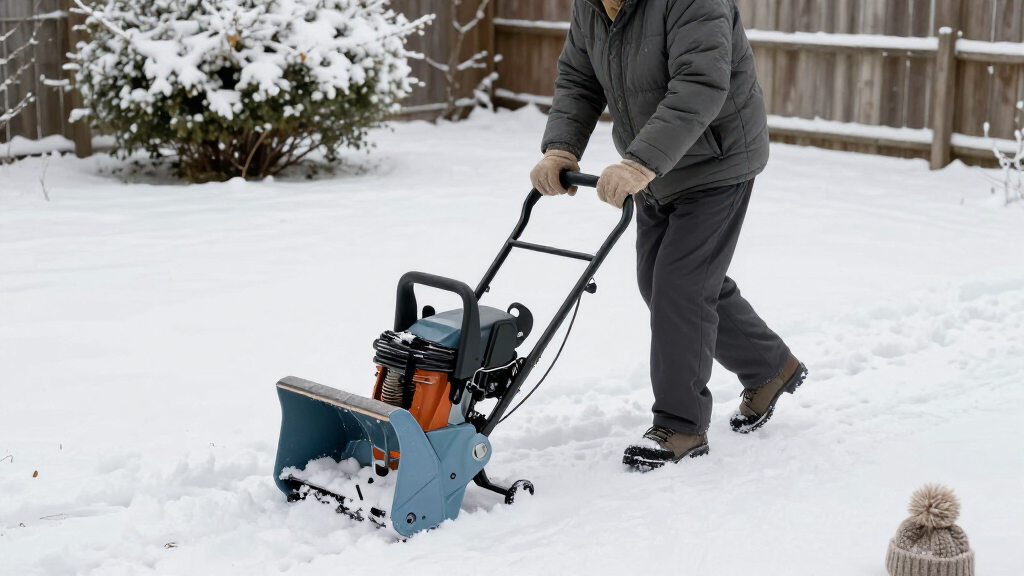
The easiest snow thrower to move isn’t just the lightest. It’s a mix of features that work together to reduce your physical effort. The most important factor? Self-propelled drive systems. These systems actively move the machine forward, significantly decreasing the amount of force you need to exert, which is crucial for reducing fatigue, especially over large areas or heavy snow.
Other features play a big role:
- Power steering or easy-turn triggers help you steer with minimal effort, allowing for smoother navigation around obstacles or tight corners. This can prevent strain on your arms and shoulders. Without such aids, even a lightweight machine can become difficult to control, especially over uneven terrain or extended periods.
- Good weight distribution and balanced handles make turning and maneuvering smoother, reducing the tendency to fight the machine or strain your back. Proper balance ensures that effort is evenly spread, making operation feel more natural. If a machine is unbalanced, you may find yourself exerting extra force to keep it stable, which can quickly lead to fatigue.
- Wheels vs. tracks: Wheeled models glide more easily on pavement, providing better control with less effort, while tracks grip slopes more securely but can add weight and complexity. Choosing the right type depends on your terrain, but understanding these tradeoffs helps you select a model that feels manageable. For instance, on flat concrete or asphalt, wheels usually suffice and are easier to handle. On uneven or hilly terrain, tracks can provide the necessary traction but may require more effort to maneuver when not powered.
For example, a friend with arthritis prefers a wheeled, self-propelled model with adjustable handles. This combination minimizes physical stress, allowing her to clear her small, paved driveway comfortably, whereas larger, uneven yards might benefit from different features to reduce effort. Recognizing these nuances helps you choose a machine that aligns with your specific needs and terrain, ensuring less fatigue and safer operation.
self-propelled snow thrower with adjustable controls
As an affiliate, we earn on qualifying purchases.
As an affiliate, we earn on qualifying purchases.
How to test a snow thrower’s handling before buying
- Hold the handle and see if it feels comfortable at your natural arm height. An awkward height can cause fatigue or poor control. Ensuring the handle height matches your stature prevents unnecessary strain during prolonged use.
- Try turning the machine left and right, testing how easily it pivots. A smooth, effortless turn indicates good design and balance, which reduces strain during operation. If turning feels stiff or resistant, it can lead to quick fatigue and frustration, especially during extended clearing sessions.
- Pull the machine backward to see if it rolls smoothly when off. Resistance here can predict how much effort is needed to reposition or adjust your path. Machines that resist movement off-center may require more force to steer, increasing fatigue.
- Operate all controls with gloves on — they should feel accessible and require little force. Difficult controls can lead to frustration or accidental slips, especially in cold conditions. Testing control responsiveness ensures you won’t struggle or risk losing control in winter weather.
- Simulate lifting and pivoting the handle to check weight distribution and overall feel. A well-balanced machine will feel lighter and easier to maneuver, preventing fatigue over time. If the machine feels unbalanced or awkward, it can cause uneven effort and physical strain.
For example, visiting a showroom and maneuvering the machine as if clearing snow can reveal whether it truly feels manageable. Machines that require lots of force to turn or feel unbalanced may cause quick fatigue, especially during extended use. Taking the time to evaluate handling features ensures you select a machine that feels intuitive and reduces the risk of strain or injury.
easy maneuver snow blower for driveway
As an affiliate, we earn on qualifying purchases.
As an affiliate, we earn on qualifying purchases.
Compare: Wheeled vs. track-driven snow throwers — which is easier to handle?
| Feature | Wheeled Models | Track-Driven Models |
|---|---|---|
| Handling on pavement | Glide easily, turn effortlessly, requiring less effort and less fatigue during prolonged use. This makes them ideal for flat, paved surfaces where maneuverability and quick operation are priorities. | More weight and less nimble, but provide better traction on uneven or snowy slopes, which can reduce the effort needed to push uphill or over rough terrain. They excel in challenging conditions but may demand more effort when maneuvered off-road or on flat surfaces. |
| Traction on slopes | Good on flat, level surfaces but can struggle on steep inclines without additional power. Without self-propulsion, you might need to exert more force to push or steer on inclines. | Excellent grip, making it easier to push uphill or on icy slopes, but the added weight can make handling more tiring when not powered. The traction benefits are significant, but the weight and bulk can be disadvantages if not powered. |
| Weight | Typically lighter, making it easier to lift, carry, and store, especially important for those with limited strength. Lighter weight reduces physical strain during lifting and transport. | Heavier, which can require more effort to push when not powered or when maneuvering off the drive. The extra weight can be a drawback for users needing to lift or carry the machine frequently. |
| Turning | Simple, with assistance features like assisted steering or quick-turn capabilities, reducing effort in tight spaces. These features make maneuvering in confined areas easier and less tiring. | More stable but may require more effort to pivot, especially if not equipped with advanced steering aids. The weight and design can make turning more effortful if not well-designed. |
For example, if you have a flat driveway, a wheeled model will feel lighter and easier to navigate, reducing fatigue. On steep slopes or gravel, a track-driven machine offers better traction, but be aware of the added weight that can make handling more tiring when powered off. Understanding these tradeoffs helps you choose a machine that aligns with your terrain and physical capabilities, ensuring less effort and safer operation.
As an affiliate, we earn on qualifying purchases.
Features to seek if you want less effort and more control
- Self-propelled drive with multiple speeds: Allows you to match your speed to snow conditions, minimizing unnecessary effort and preventing fatigue from pushing too fast or too slow. This flexibility helps you maintain control and reduces the physical toll of constant pushing.
- Power steering or easy-turn triggers: Significantly reduce steering effort, especially in tight corners or around obstacles. These features allow you to maneuver smoothly without straining your arms or shoulders, which is especially beneficial during extended use or in confined spaces.
- Electric start: Eliminates the need for pulling recoil cords, which can be difficult in cold weather, saving energy and reducing frustration. This feature ensures you can start your machine quickly and effortlessly, preventing delays and unnecessary exertion.
- Adjustable, padded handles: Minimize fatigue by allowing you to set the handles to your preferred height and grip comfort. Properly positioned handles reduce strain on wrists and shoulders, making prolonged operation more comfortable and less tiring.
- Simple chute controls: Enable easy direction and distance adjustments without complex maneuvers, so you can focus on clearing snow efficiently. Easier controls mean less time fighting the machine and more effective snow removal.
- Low-force levers: Operate the auger and drive with minimal effort, especially important for users with limited strength or joint issues. This reduces physical stress and makes operation accessible to a wider range of users.
- Reverse drive: Facilitates easier backing up or repositioning, saving effort during multi-pass jobs or tight spaces. This feature helps avoid awkward maneuvering and reduces fatigue during complex snow clearing tasks.
For instance, a neighbor with limited strength found that replacing her old machine with one featuring electric start and power steering made her snow clearing sessions much more manageable, significantly reducing her physical strain and making winter chores less daunting. Choosing features that enhance control and reduce effort can dramatically improve your snow removal experience.
lightweight snow blower for seniors
As an affiliate, we earn on qualifying purchases.
As an affiliate, we earn on qualifying purchases.
What to keep in mind about machine weight and balance
Weight isn’t everything. While a lighter machine is easier to lift and store, poor balance can make operation tiring regardless of weight. An unbalanced machine tends to require more effort to control, especially during turns or when navigating uneven terrain. A well-designed machine distributes its weight evenly, making handling smoother and less fatiguing. The handle should require minimal downward pressure to keep the auger and chute properly aligned, preventing unnecessary strain on your arms and back. Proper weight distribution ensures that effort is directed where it’s needed most, reducing overall fatigue and making snow removal less of a physical challenge.
For example, a lightweight battery-powered model with a well-balanced design allowed an older homeowner to clear her small porch and walkway with less effort than a heavier, poorly balanced machine that felt unwieldy and caused fatigue after a few passes. Recognizing the importance of balance ensures you select a machine that feels natural and comfortable to operate, even if it’s not the lightest option available.
How to reduce fatigue when using your snow thrower
Snow removal doesn’t have to be exhausting. Here are simple tricks:
- Clear snow early, before it becomes heavy or icy, reducing the physical effort needed to break through hardened snow. Fresh snow is lighter and easier to move, which can significantly cut down fatigue.
- Use narrower passes to keep the machine manageable and prevent overexertion. Smaller passes mean less resistance and easier handling, especially in tight spaces.
- Drive slowly and let the machine do the work, avoiding rushing which can cause fatigue or loss of control. Patience ensures safer operation and less physical strain.
- Adjust handles to your comfort height to minimize strain on your shoulders and back. Proper ergonomics make a big difference during extended use.
- Wear boots with good traction to prevent slipping and falling, which can cause sudden fatigue or injury. Secure footing helps you maintain control and reduces overall effort.
- Take regular breaks to prevent overexertion, especially during extended sessions. Short rests can keep your energy levels high and prevent muscle fatigue.
For example, a family with a steep driveway found that breaking their work into shorter, more frequent sessions kept their backs from aching and allowed them to complete the job comfortably, reducing overall fatigue and making the task less daunting. Employing these simple strategies can make snow removal feel less like a chore and more manageable, even for those with physical limitations.
Frequently Asked Questions
Is a single-stage or two-stage snow thrower easier to push?
A single-stage snow thrower is generally lighter and easier to turn, making it more manageable for many users. However, a self-propelled two-stage can require less physical effort in deep snow because its drive system helps push the machine forward, reducing your exertion.How heavy should an easy-to-use snow thrower be?
There’s no fixed weight that guarantees ease. It’s more about how the machine’s weight is balanced and whether it has features like power steering or self-propulsion. A well-balanced, slightly heavier model can feel easier to handle than a very light but poorly balanced one.Are battery snow throwers easier to use than gas models?
Often, yes. Battery models start instantly, vibrate less, and require no fuel handling. They’re usually lighter and quieter, which makes snow clearing less tiring. But check battery capacity — larger batteries add weight, and cold weather can reduce runtime.Do self-propelled snow throwers move without pushing?
The drive system provides forward motion, but you still guide the machine. On packed snow or at the end of a pass, you might need to apply slight pressure to keep it moving smoothly. Proper handling features make guiding easier.What is the easiest model for an older adult?
A lightweight, battery-powered single-stage model is often best for small, paved, flat areas. For larger or deeper snow, a self-propelled two-stage with power steering and electric start reduces effort and fatigue.Conclusion
Choosing a snow thrower that’s easy to push isn’t just about weight — it’s about how it feels and maneuvers in your hands. A well-balanced, self-propelled machine with the right features can turn snow removal from a chore into a manageable, even enjoyable task.
Imagine stepping outside on a cold winter morning, knowing your machine will glide smoothly through the snow, not fight you at every turn. That peace of mind starts with selecting the right tool for your terrain and strength. Take the time to test and choose wisely — your back will thank you for it.
Fall Picks
fall essentials
As an affiliate, we earn on qualifying purchases.